
Unmanned and autonomous systems are redefining how missions are conducted across air, land, maritime, and subsurface environments. Their strategic value lies not only in removing humans from danger, but in enabling persistence, scale, and operational flexibility.
IDST Intelligence Briefings
UAVs, UGVs, USVs, UUVs, swarm concepts, autonomy stacks, and mission control architectures.
Why This Magazine Exists
Autonomous systems are moving from niche capabilities to central elements of military, security, and commercial operations. This sub-magazine examines the technologies, concepts, and strategic implications driving autonomy—from AI-enabled drones and robotic swarms to unmanned maritime and ground systems—while assessing their impact on operational effectiveness, deterrence, and future force structures.
What We Track
- Autonomy levels and control architectures
- Swarming and cooperative behavior
- Navigation, perception, and resilience
- Integration with manned platforms
Latest Analysis & Intelligence
-
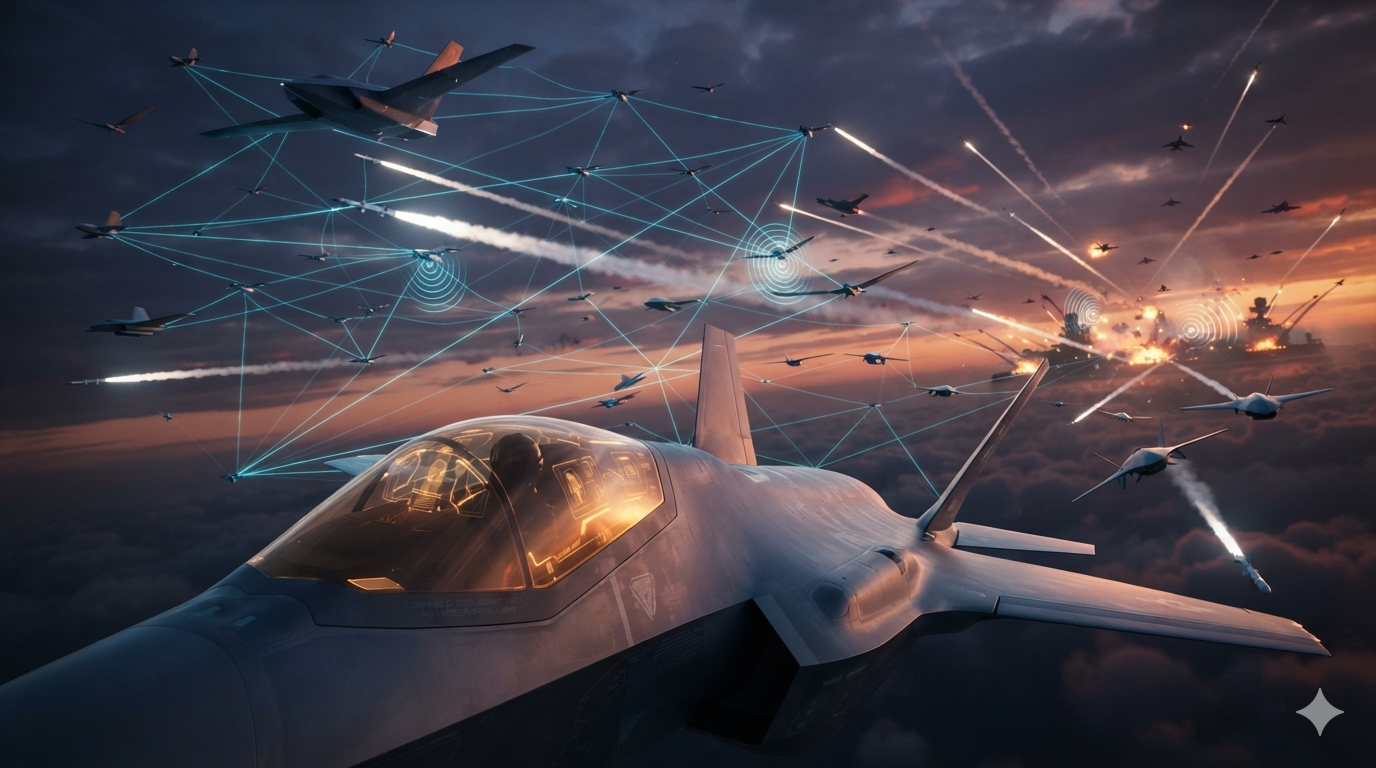
The Age of Autonomous Aircraft Swarms: How Collaborative Air Combat Is Reshaping Future Air Warfare
Strategic Context Air warfare is entering its most significant transformation since the introduction of stealth aircraft. The traditional model—where a handful of highly sophisticated fighters dominate the battlespace—is rapidly giving way to a distributed ecosystem of autonomous aircraft, collaborative drones, intelligent munitions, and AI-enabled command networks. Rather than relying solely on the capabilities of a…
-

Machine Vision at the Frontline: How Computer Vision Is Reshaping Military Intelligence, Autonomous Warfare, and the Global AI Competition
Introduction: Strategic Context The twenty-first century battlefield is increasingly defined not by who possesses the most sensors, but by who can understand what those sensors see first. Every military operation today—from satellite reconnaissance and drone swarms to missile defense, border security, and autonomous combat systems—generates enormous volumes of visual information that far exceed human analytical…
-
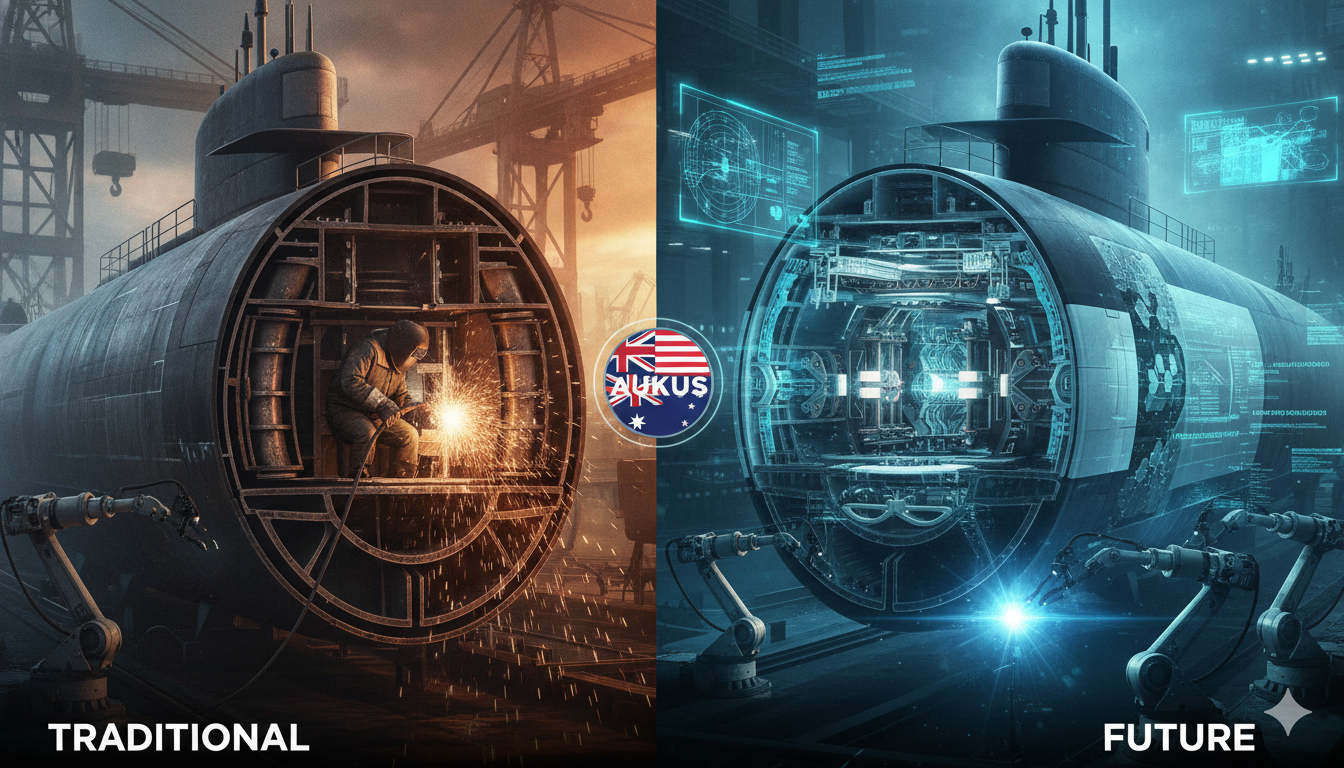
Advanced Materials and Technologies Transforming Submarine Hulls for Enhanced Warfighting Capabilities
Introduction: Materials Innovation Becomes a Strategic Undersea Competition The global undersea battlespace is entering one of its most significant periods of transformation since the Cold War. Intensifying geopolitical competition across the Indo-Pacific, Arctic, North Atlantic, and other contested maritime regions has elevated submarines from traditional naval assets to strategic instruments for deterrence, intelligence collection, long-range…
-
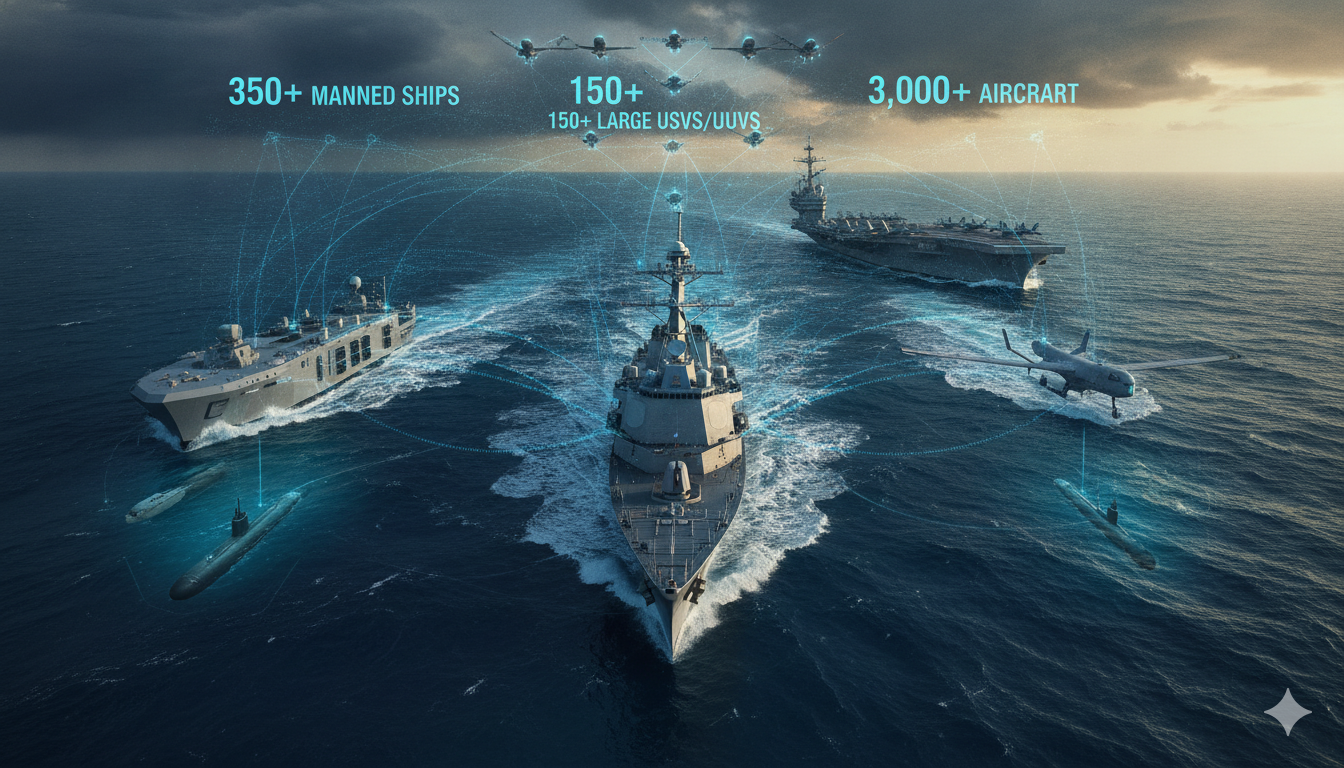
US Navy’s Distributed Maritime Operations: The Rise of the Hybrid Fleet and Unmanned Warfare
Introduction The character of maritime warfare is undergoing its most profound transformation since the advent of carrier aviation and nuclear-powered submarines. Advances in artificial intelligence, autonomous systems, long-range precision weapons, cyber warfare, space-based surveillance, and resilient communications are reshaping how naval forces achieve sea control, project power, and deter adversaries. Instead of relying primarily on…
-
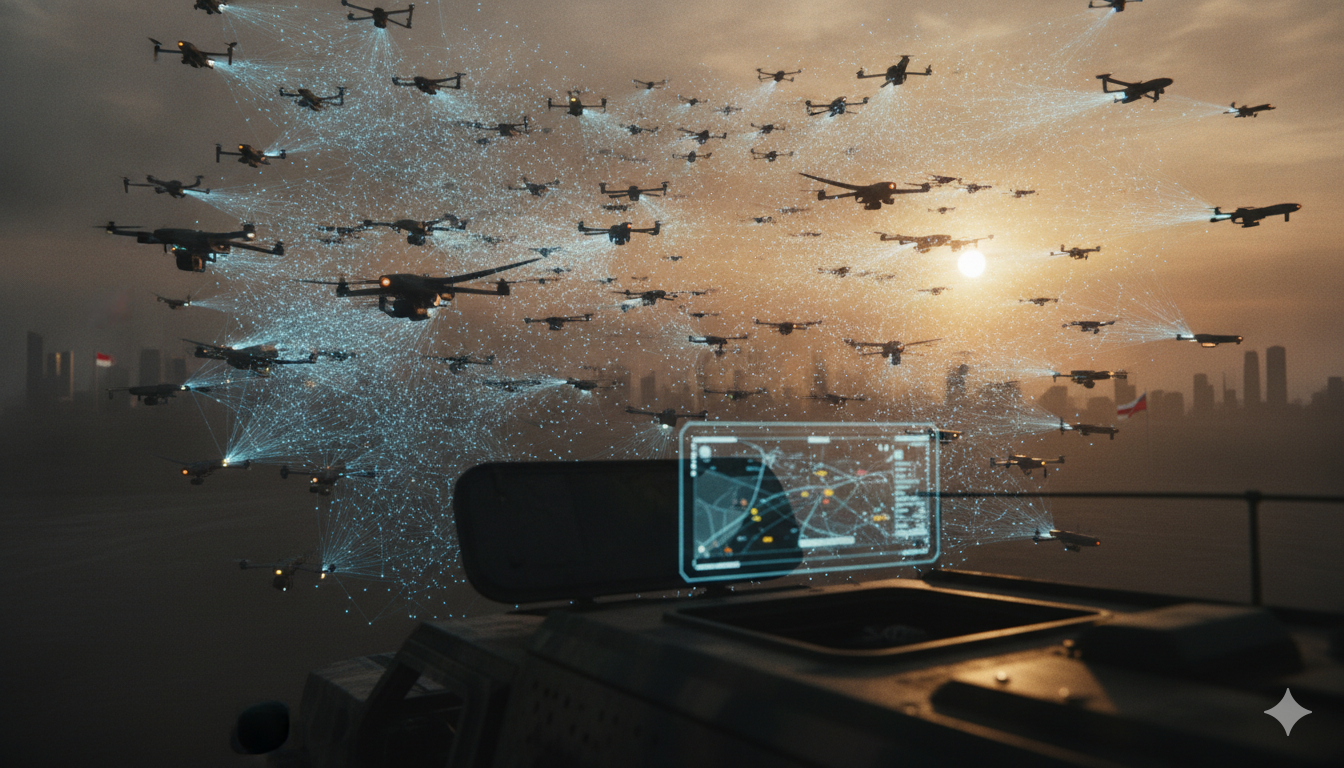
Drone Swarm Intelligence and Control: The AI Revolution Reshaping Autonomous Warfare and Multi-Agent Systems (2024–2026)
Introduction: From Individual Drones to Collective Intelligence The most important transformation in unmanned systems is no longer occurring at the platform level but at the level of collective intelligence. While advances in propulsion, sensors, communications, and miniaturization continue to improve individual drones, the decisive breakthrough of 2024–2026 has been the emergence of increasingly autonomous drone…
-

Navigating the Skies: How AI-Powered Drone Swarms Are Transforming Warfare, Security and Industry
Introduction: The Emergence of Mass Autonomy in Modern Warfare The character of warfare is undergoing one of its most profound transformations since the introduction of precision-guided weapons. While unmanned aerial vehicles have become a familiar feature of modern military operations, the next revolution is being driven not by individual drones but by intelligent swarms capable…
-

Innovation Beneath the Waves: Biomimetic Propulsion Systems Transforming Naval and Underwater Operations
Introduction: Nature’s Blueprint for the Future Undersea Fleet The world’s oceans are rapidly becoming a critical arena for economic competition, scientific exploration, and military operations. From protecting undersea communication cables and offshore energy infrastructure to conducting intelligence, surveillance, reconnaissance, and anti-submarine warfare missions, nations increasingly depend on autonomous underwater vehicles (AUVs), unmanned underwater vehicles (UUVs),…
Related Domains & Cross-Cutting Themes
Industrial capacity and supply chains
Cyber-physical security
Climate, geography, and environmental stress
Human-machine coordination
System survivability under disruption
Explore the Critical & Emerging Technologies Magazine →
Explore the Industry, Markets & Supply Chains Magazine →
Explore the Space Technology, Defense & Exploration Magazine →