
The performance of any technology ultimately depends on its ability to meet real-world requirements under operational conditions. Testing, evaluation, validation, and measurement provide the evidence needed to verify performance, identify limitations, reduce risk, and accelerate deployment. From aerospace and defense systems to semiconductors, communications networks, and advanced manufacturing, robust test infrastructure is essential for transforming prototypes into trusted operational capabilities.
IDST Intelligence Briefings
Environmental testing, certification pipelines, validation failures, and measurement technologies.
Why This Magazine Exists
Testing is often the least visible but most critical element of technology development. This sub-magazine examines the tools, methodologies, facilities, standards, and processes used to assess system performance, reliability, safety, and readiness. It explores how advances in simulation, digital engineering, instrumentation, verification, certification, and operational testing are shaping innovation cycles, while highlighting the test and measurement bottlenecks that can delay capability development, industrial scaling, and technology adoption.
What We Track
- Test infrastructure and capacity
- Certification and qualification processes
- Measurement technologies
- Reliability and failure modes
- Integration testing challenges
Latest Analysis & Intelligence
-

The Eye-Tracking Revolution: How AI, Deflectometry, and Spatial Computing Are Transforming Human-Machine Interaction
Introduction: Eye Tracking Becomes Strategic Infrastructure Eye tracking is rapidly evolving from a niche research tool into a foundational technology for the next generation of digital, industrial, healthcare, defense, and spatial computing ecosystems. Between 2024 and 2026, advances in artificial intelligence, computer vision, photonics, sensor miniaturization, and augmented reality have transformed gaze estimation from a…
-
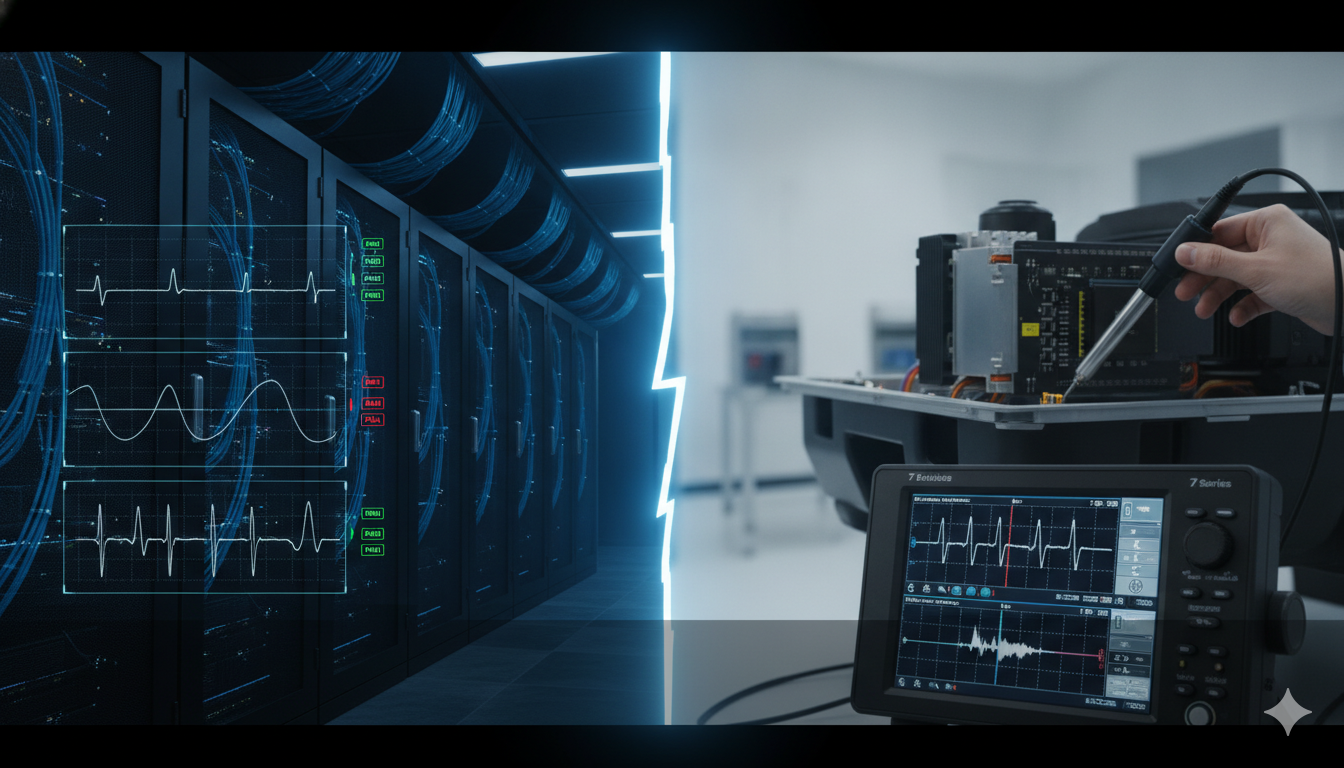
Testing at the Edge: How AI, Electrification, and Geopolitics Are Revolutionizing Electronics Measurement
Introduction: The Measurement Revolution Behind the AI Economy Every technological revolution depends on an invisible infrastructure that determines whether innovation reaches reality. During the industrial age it was precision machining; during the space race it was advanced metrology. In the AI era, that invisible infrastructure is electronic test and measurement. The explosion of generative AI,…
-
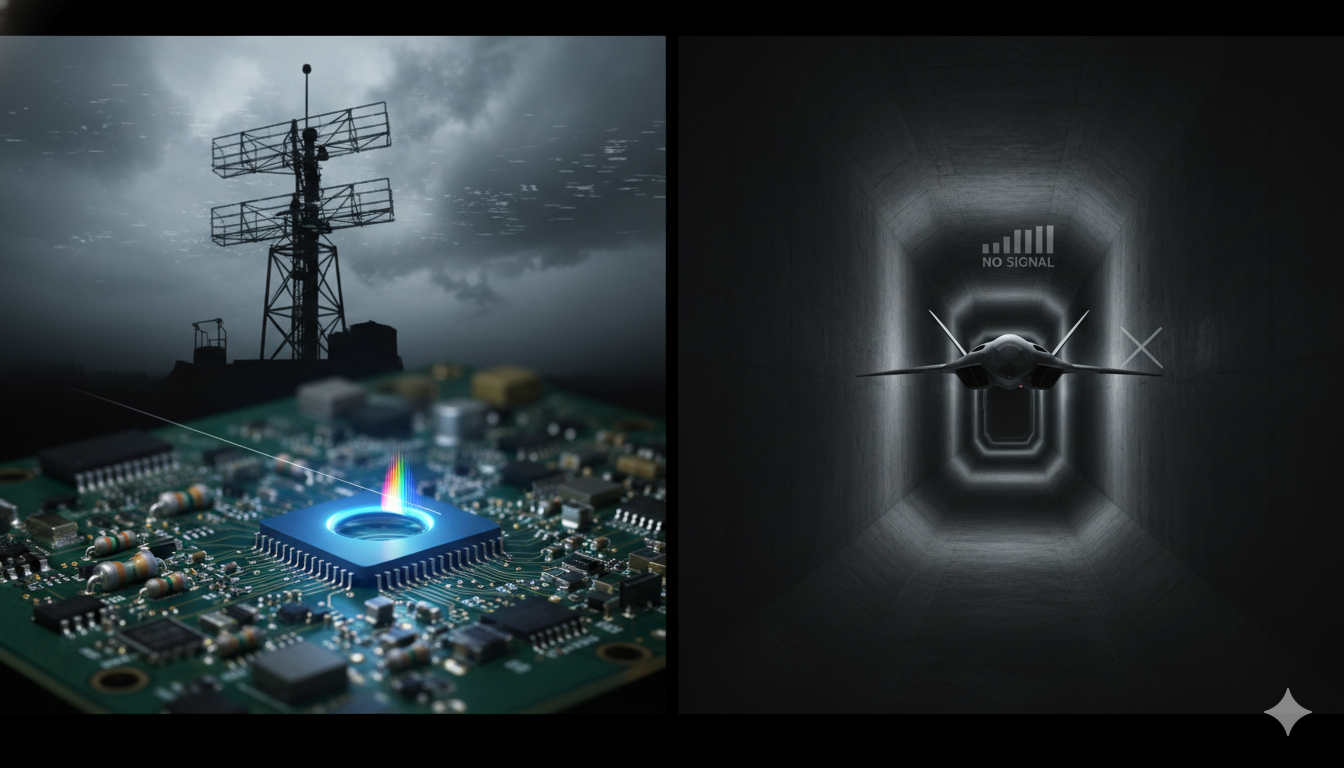
The End of GPS Denial: How Chip-Scale Optical Clocks Are Rewiring Warfare and Daily Life
Introduction: The Race for Time Supremacy For decades, control of Positioning, Navigation, and Timing (PNT) has been one of the invisible foundations of global power. Modern militaries, financial markets, telecommunications networks, power grids, satellites, autonomous vehicles, and even smartphone applications all depend upon extremely precise timing signals. While the public associates GPS primarily with navigation,…
-
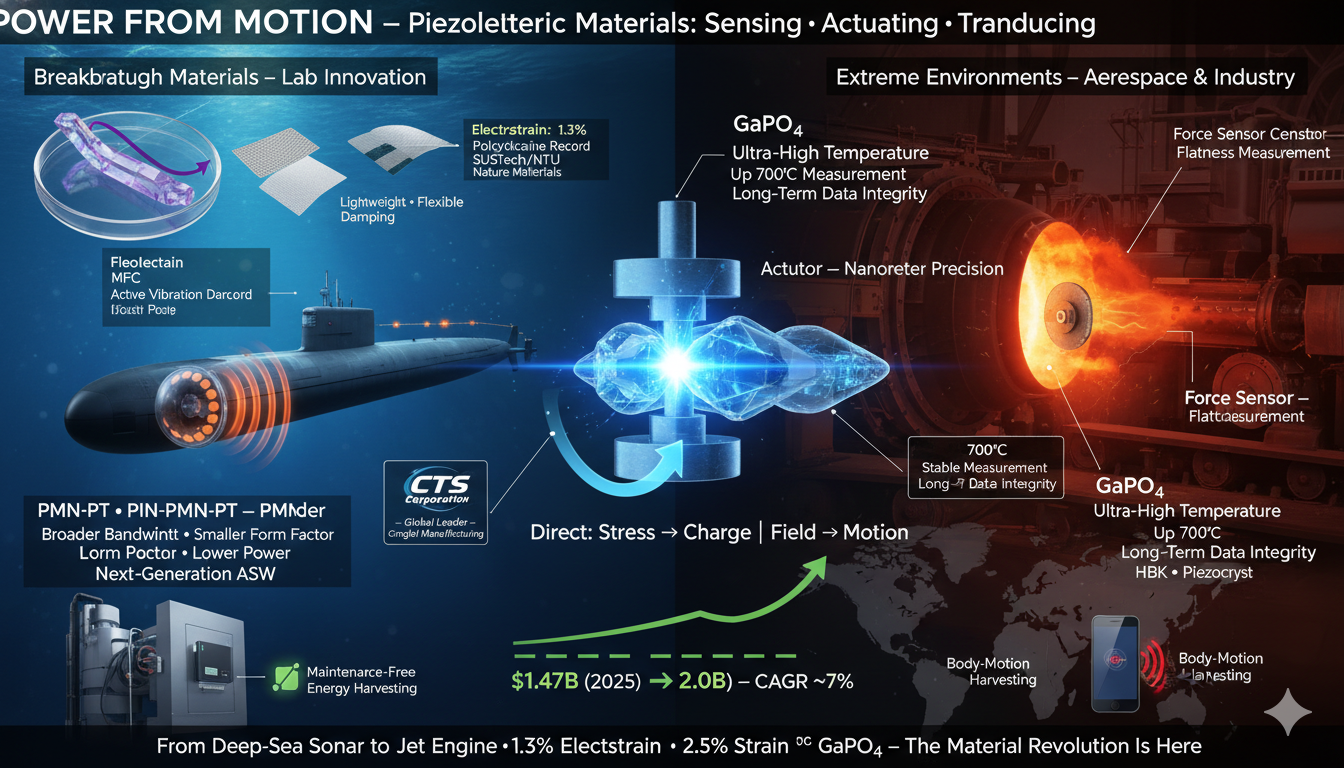
Power from Motion: The Revolution in Piezoelectric Materials for Smart Sensors, Actuators, Sonar Systems, and Energy Harvesting (2026 Update)
Introduction: The Invisible Technology Powering the Intelligent Age The twenty-first century is increasingly defined by machines that can sense, adapt, communicate, and make decisions in real time. From autonomous vehicles and industrial robots to underwater surveillance networks and hypersonic weapons, modern systems rely on a continuous flow of information about the physical world. At the…
-
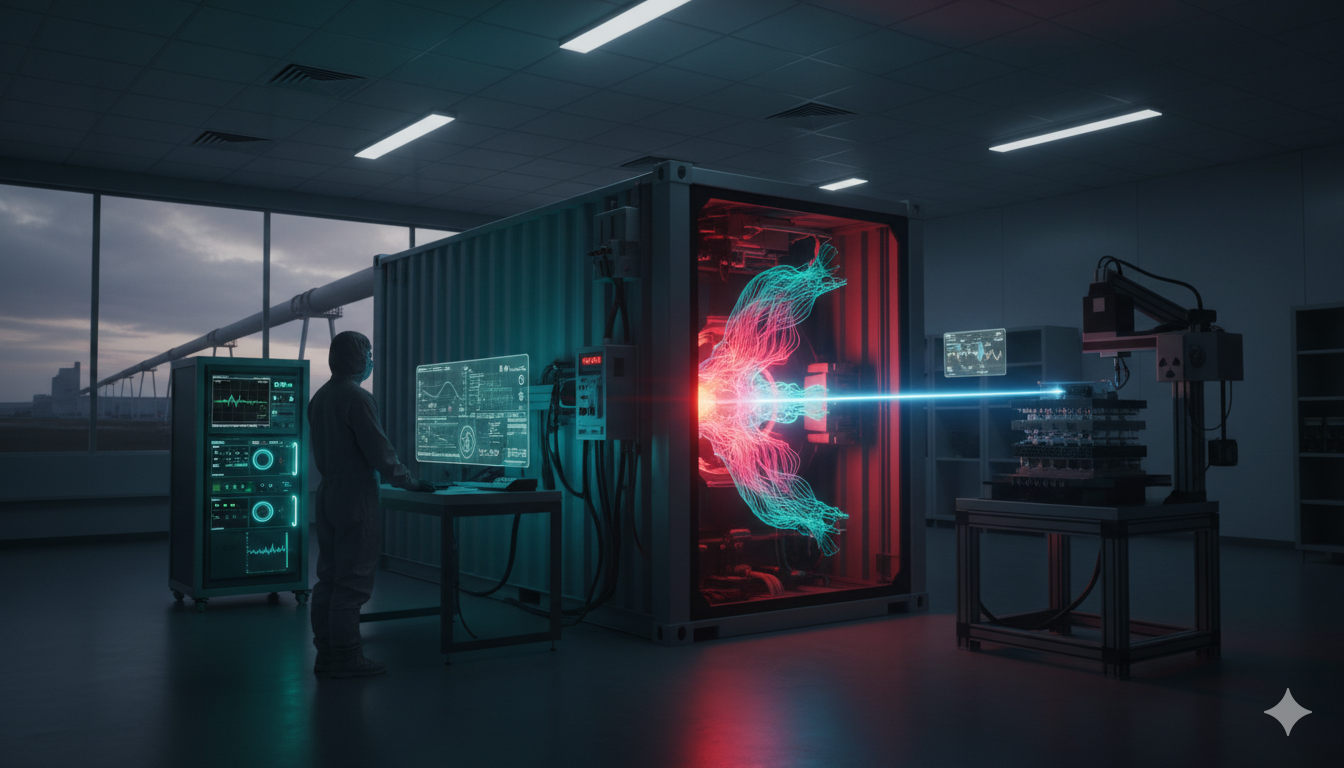
The End of the Queue: How DARPA’s ASSERT Program Is Shattering the Bottleneck in Space Electronics Testing
Introduction: The Invisible Vulnerability in the Space Economy Modern civilization increasingly depends on space-based infrastructure. Military communications, missile warning systems, GPS navigation, climate monitoring, intelligence collection, financial synchronization, autonomous weapons coordination, and global internet connectivity all rely on satellites operating in one of the harshest environments known to engineering: space radiation. Beyond Earth’s atmosphere, electronics…
-
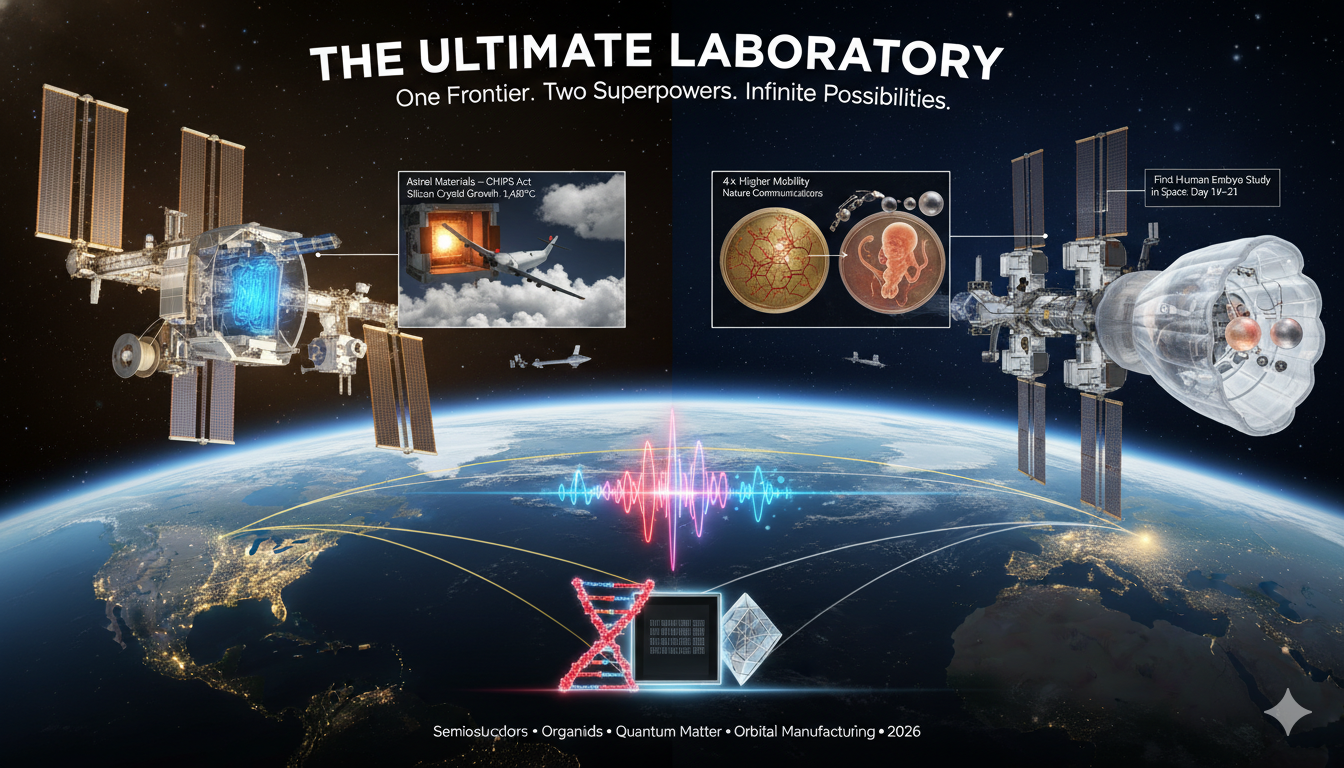
The Ultimate Laboratory: How Microgravity and Extreme Conditions Are Revolutionizing Science and Industry (2026 Update)
Introduction: The Rise of the Orbital Economy A profound transformation is underway in space science and industrial technology. What was once the exclusive domain of astronauts and government-funded scientific missions is rapidly evolving into a commercially competitive industrial ecosystem where semiconductors, pharmaceuticals, advanced materials, biotechnology, and quantum systems are designed, tested, and manufactured in orbit.…
-

The Modular Revolution: How Plug-and-Play Instruments Are Reshaping Test & Measurement (2026 Update)
From Box Instruments to Software-Defined, AI-Native, Open Ecosystems Introduction: From Static Hardware to Adaptive Test Ecosystems For most of the 20th and early 21st centuries, test and measurement (T&M) systems were defined by rigidity. Engineers relied on expensive, monolithic “black box” instruments—oscilloscopes, spectrum analyzers, and signal generators—each purpose-built, hardware-locked, and constrained by fixed lifecycles. Upgrading…
Related Domains & Cross-Cutting Themes
Manufacturing, systems engineering, regulation, and quality assurance.
Industrial capacity and supply chains
Cyber-physical security
Climate, geography, and environmental stress
Human-machine coordination
System survivability under disruption
Explore the Critical & Emerging Technologies Magazine →
Explore the Industry, Markets & Supply Chains Magazine →
Explore the Space Technology, Defense & Exploration Magazine →