
Technology & Systems Management analyzes how complex technological ecosystems are designed, governed, scaled, and sustained in high-stakes environments. This sub-magazine focuses on the often invisible layer between innovation and impact—where system integration, lifecycle management, organizational capability, and policy decisions determine whether technology succeeds or fails.
The emphasis is not on individual breakthroughs, but on how technologies become operational systems across defense, infrastructure, industry, and national capability.
IDST Intelligence Briefings
These intelligence briefings explore how strategic choices are made and governed—across doctrine, policy, institutional design, and long-term planning. The focus is on structural logic rather than tactical events.
Why This Sub-Magazine Exists
Traditional geopolitical analysis often separates diplomacy, military power, economics, and technology into silos. This sub-magazine exists to integrate them. It analyzes how strategic intent translates into capability, how technological advantage alters power balances, and how rivalries evolve over decades rather than news cycles.
Positioning Logic
This is not “emerging tech” (that’s a different magazine)
This is not geopolitics or doctrine
This sub-magazine answers:
👉 Why do some technologies scale into power while others collapse?
- This sub-magazine is forward-looking, not reactive
- No platform-level military hardware here
- Focus = threat emergence, not force response
- Complements Geopolitics without overlapping it
It will become extremely valuable for:
- Policymakers
- Defense planners
- Industry leadership
- Systems engineers
- Strategic program managers
What We Track
Key intelligence areas covered include:
- Large-scale system integration and architecture
- Technology lifecycle management and sustainment
- Defense and strategic technology acquisition models
- Systems engineering, interoperability, and standards
- Digital transformation of complex organizations
- AI, automation, and decision-support systems in operations
- Governance, regulation, and risk management of advanced systems
Latest Analysis & Intelligence
-
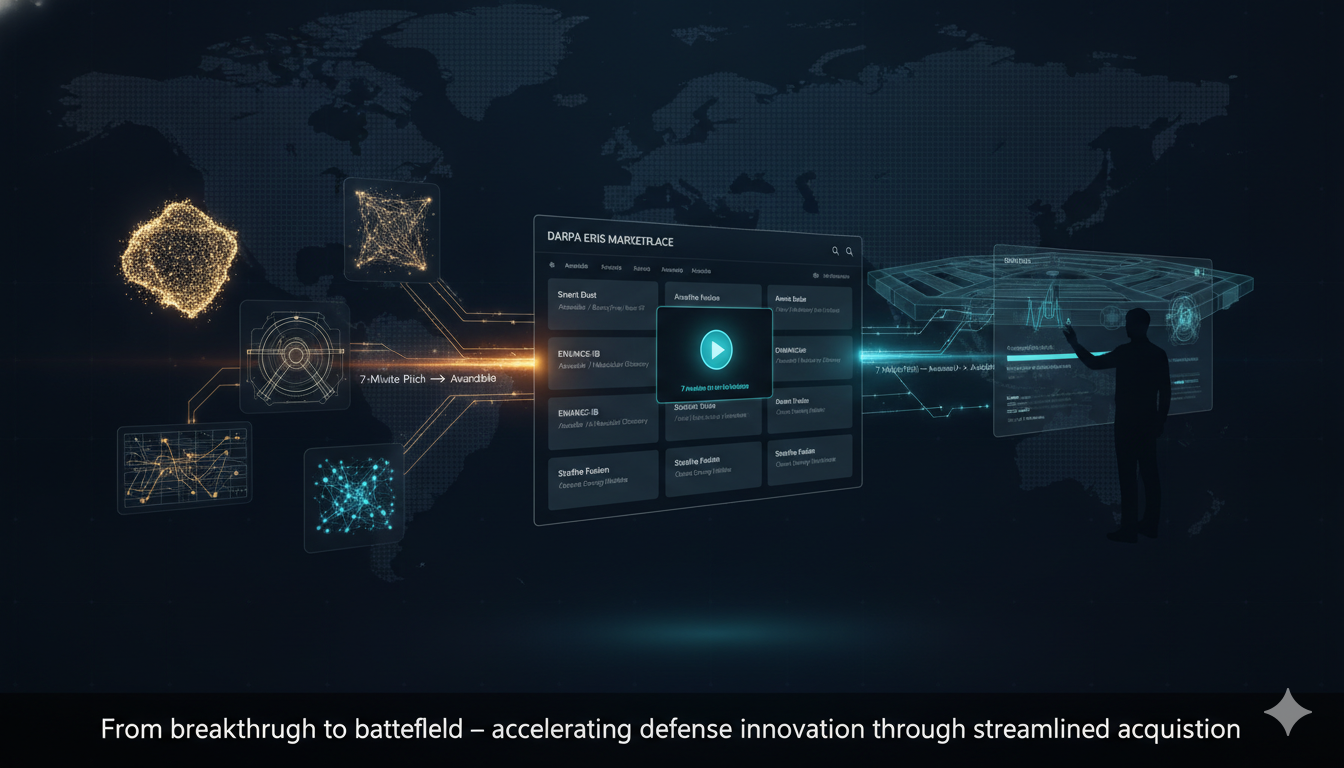
DARPA ERIS Marketplace: Reinventing Defense Acquisition for the Age of Strategic Competition
Introduction: Why Defense Innovation Matters Now The character of technological competition is changing faster than traditional defense acquisition systems can respond. Artificial intelligence, autonomous systems, biotechnology, quantum technologies, advanced semiconductors, and space capabilities are evolving on commercial innovation cycles measured in months rather than decades. At the same time, geopolitical competition among major powers has…
-
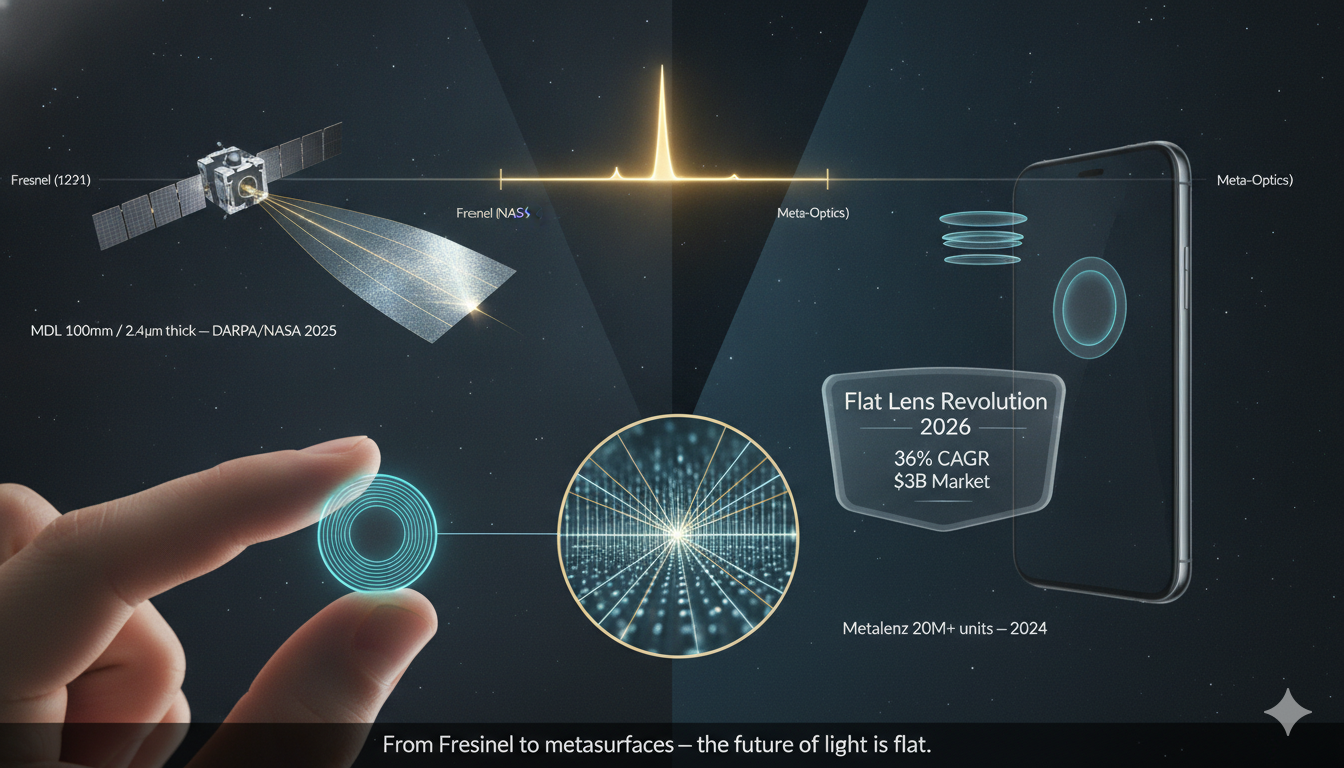
The Flat Lens Revolution: How Meta-Optics Are Reshaping Imaging, Sensing, and Photonics in 2026
Introduction: Why Meta-Optics Matter Now For centuries, optical systems have relied on curved glass lenses to manipulate light. From microscopes and cameras to telescopes and military sensors, advances in optics were largely achieved by adding more lens elements, improving glass quality, and refining manufacturing precision. However, as industries demand increasingly compact, lightweight, and intelligent devices,…
-
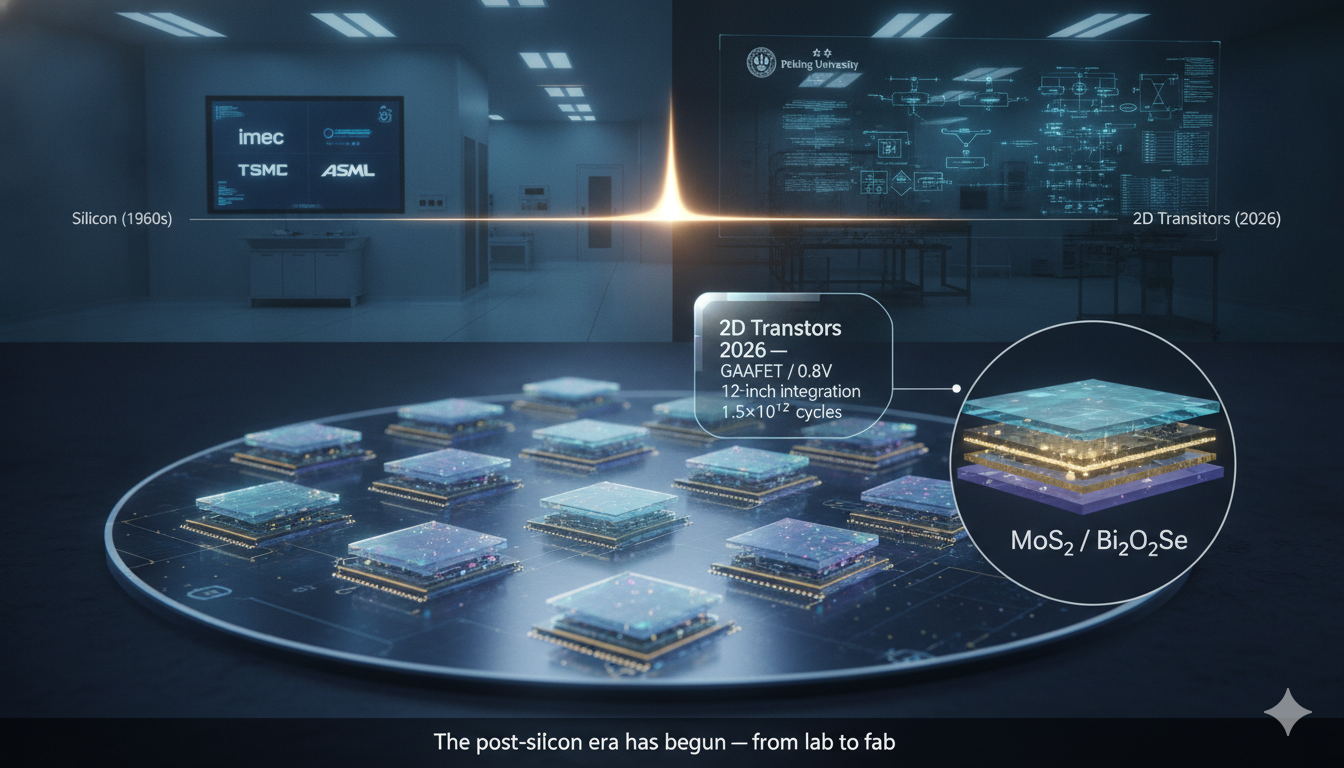
2D Transistors in 2026: The Post-Silicon Revolution Has Begun
Introduction: Why 2D Transistors Matter Now The global semiconductor industry is entering one of the most consequential technological transitions since the invention of the integrated circuit. For more than fifty years, silicon transistors have served as the foundation of modern computing, enabling the steady progression of Moore’s Law and fueling advances across consumer electronics, cloud…
-
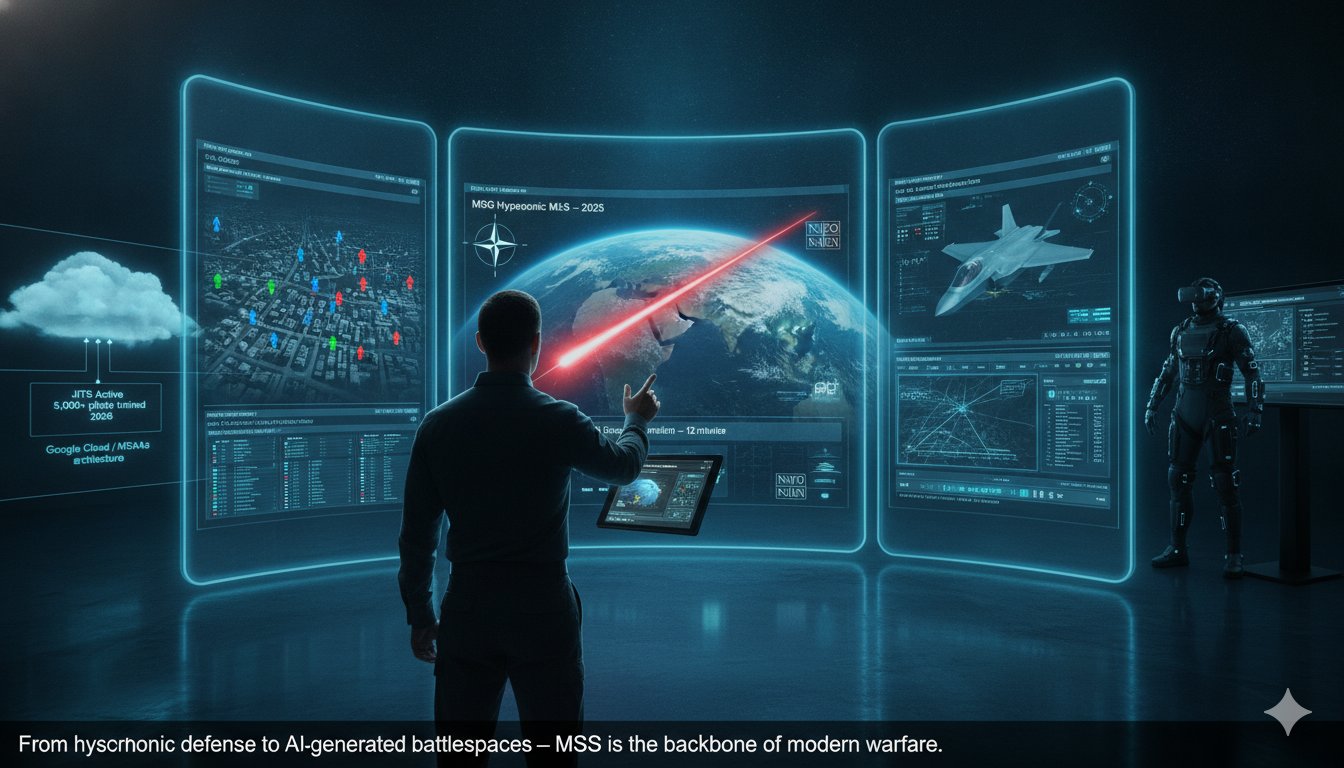
Modeling & Simulation in 2026—The Digital Backbone of Multi-Domain Warfare
Introduction For centuries, military superiority depended upon larger armies, better weapons, and superior logistics. During the Information Age, it increasingly depended upon sensors, networks, and precision-guided systems. In the emerging era of Artificial Intelligence and Multi-Domain Operations, however, a new strategic capability has become indispensable: the ability to create an accurate digital representation of reality,…
-
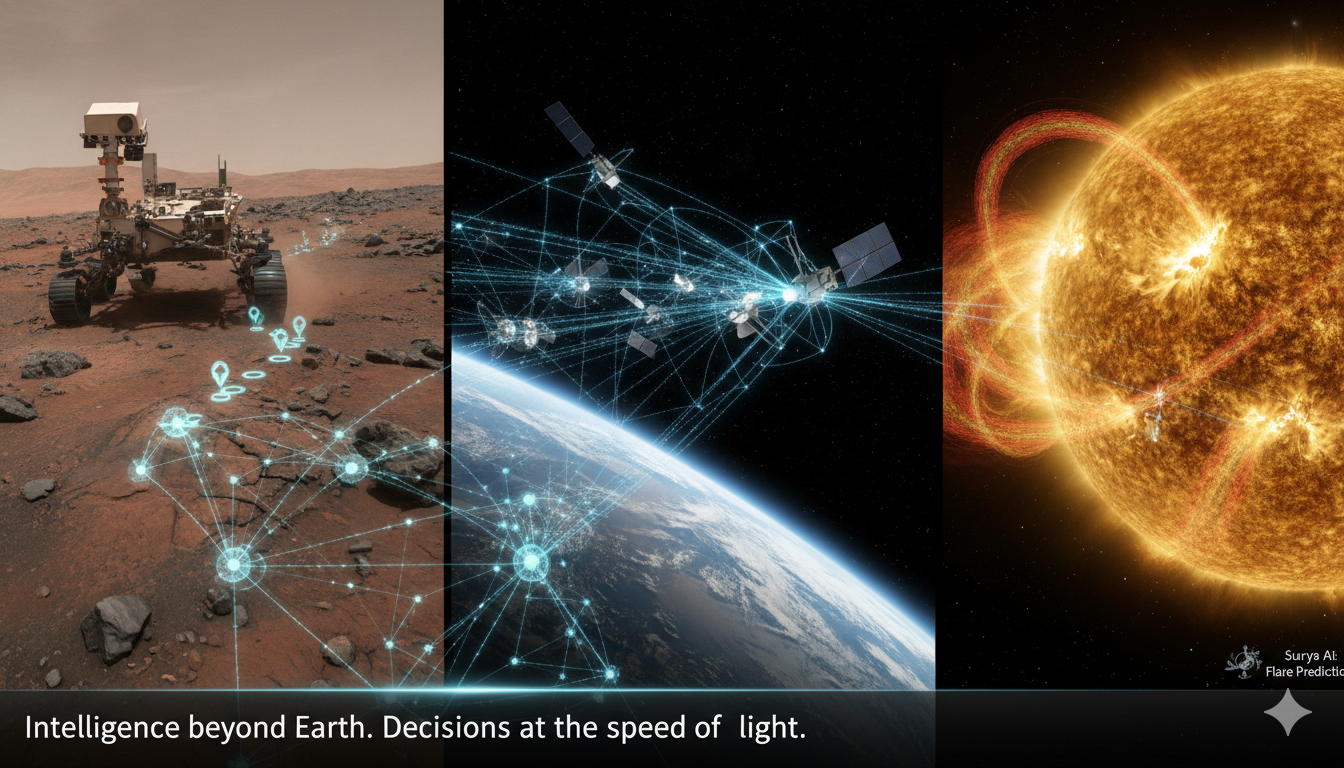
Beyond Earthly Commands: How Artificial Intelligence and Machine Learning Are Revolutionizing Space Exploration
The Age of Autonomous Space Exploration For more than six decades, space exploration operated on a simple principle: spacecraft were sophisticated remote-controlled machines. They collected scientific data, transmitted it to Earth, waited for human analysis, and then executed commands sent by mission controllers. This model proved extraordinarily successful, enabling humanity to explore every planet in…
-
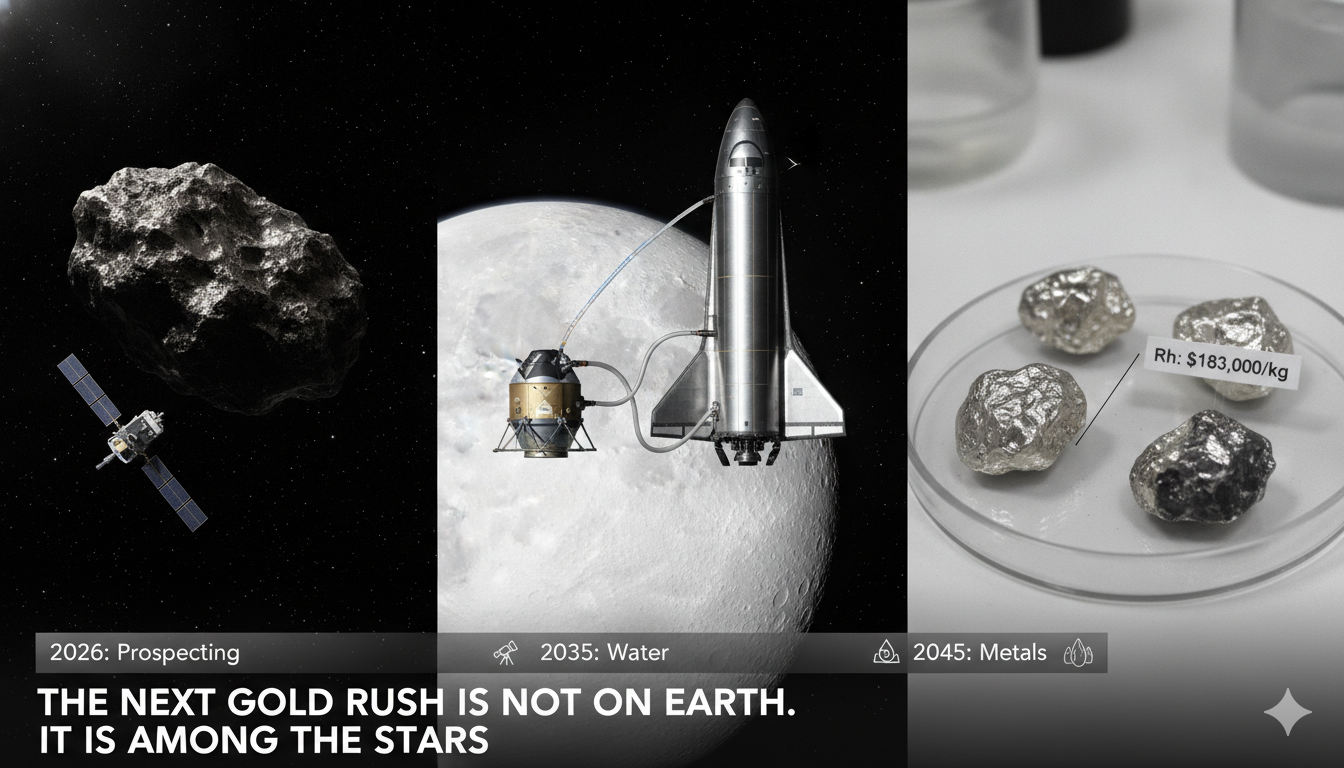
Asteroid Mining in the Age of Strategic Competition: From Science Fiction to the Next Industrial Revolution
Introduction – Asteroid Mining Moves from Vision to Geostrategic Imperative For much of the twentieth century, asteroid mining belonged to the realm of speculative science fiction. Writers and futurists envisioned spacecraft harvesting platinum from metallic asteroids, extracting water to fuel interplanetary missions, and constructing giant space industries from extraterrestrial resources. While these concepts inspired generations…
-
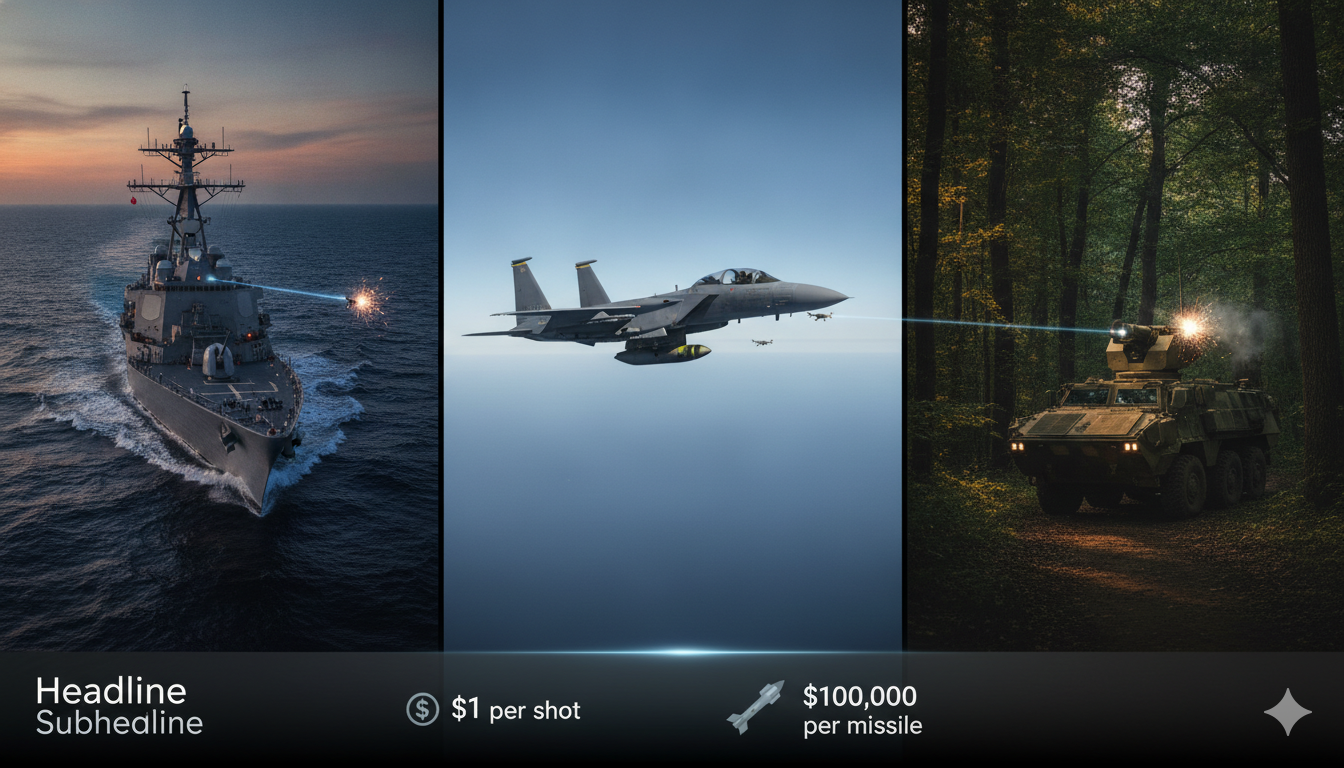
From Science Fiction to Battlefield Reality: The Rise of Military Laser Weapons and the Global Directed Energy Race
Introduction: Directed Energy Weapons Enter the Era of Strategic Competition For decades, laser weapons occupied an unusual place in military planning. They were simultaneously among the most promising and the most disappointing technologies in defense research. Popular culture imagined aircraft firing beams of light capable of destroying enemy missiles instantaneously, while defense laboratories struggled with…
Related Domains & Cross-Cutting Themes
Strategy, Policy & Governance does not operate in isolation. Coverage within this magazine frequently intersects with Defense & Military Systems, Critical & Emerging Technologies, Industry, Markets & Supply Chains, Space Technology, Defense & Exploration Readers interested in deeper technical, industrial, or geopolitical dimensions are encouraged to explore related magazines across the IDST intelligence network.
Explore the Defense and Military Systems Magazine →
Explore the Critical & Emerging Technologies Magazine →
Explore the Industry, Markets & Supply Chains Magazine →
Explore the Space Technology, Defense & Exploration Magazine →
Explore the Defense and Military Systems Magazine →
Explore the Critical & Emerging Technologies Magazine →
Explore the Industry, Markets & Supply Chains Magazine →
Explore the Space Technology, Defense & Exploration Magazine →