
Technology & Systems Management analyzes how complex technological ecosystems are designed, governed, scaled, and sustained in high-stakes environments. This sub-magazine focuses on the often invisible layer between innovation and impact—where system integration, lifecycle management, organizational capability, and policy decisions determine whether technology succeeds or fails.
The emphasis is not on individual breakthroughs, but on how technologies become operational systems across defense, infrastructure, industry, and national capability.
IDST Intelligence Briefings
These intelligence briefings explore how strategic choices are made and governed—across doctrine, policy, institutional design, and long-term planning. The focus is on structural logic rather than tactical events.
Why This Sub-Magazine Exists
Traditional geopolitical analysis often separates diplomacy, military power, economics, and technology into silos. This sub-magazine exists to integrate them. It analyzes how strategic intent translates into capability, how technological advantage alters power balances, and how rivalries evolve over decades rather than news cycles.
Positioning Logic
This is not “emerging tech” (that’s a different magazine)
This is not geopolitics or doctrine
This sub-magazine answers:
👉 Why do some technologies scale into power while others collapse?
- This sub-magazine is forward-looking, not reactive
- No platform-level military hardware here
- Focus = threat emergence, not force response
- Complements Geopolitics without overlapping it
It will become extremely valuable for:
- Policymakers
- Defense planners
- Industry leadership
- Systems engineers
- Strategic program managers
What We Track
Key intelligence areas covered include:
- Large-scale system integration and architecture
- Technology lifecycle management and sustainment
- Defense and strategic technology acquisition models
- Systems engineering, interoperability, and standards
- Digital transformation of complex organizations
- AI, automation, and decision-support systems in operations
- Governance, regulation, and risk management of advanced systems
Latest Analysis & Intelligence
-

Beyond Detection: How DARPA’s Bio-Attribution Challenge Is Redefining Biothreat Intelligence and Genomic Forensics
Strategic Context: The Race to Attribute Engineered Biology The twenty-first century has witnessed a revolution in synthetic biology, genome editing, and artificial intelligence that is transforming medicine, agriculture, and biotechnology. The same technologies, however, are also reshaping biological security. Gene synthesis has become faster and cheaper, CRISPR-based editing has democratized genetic engineering, and AI-driven protein…
-
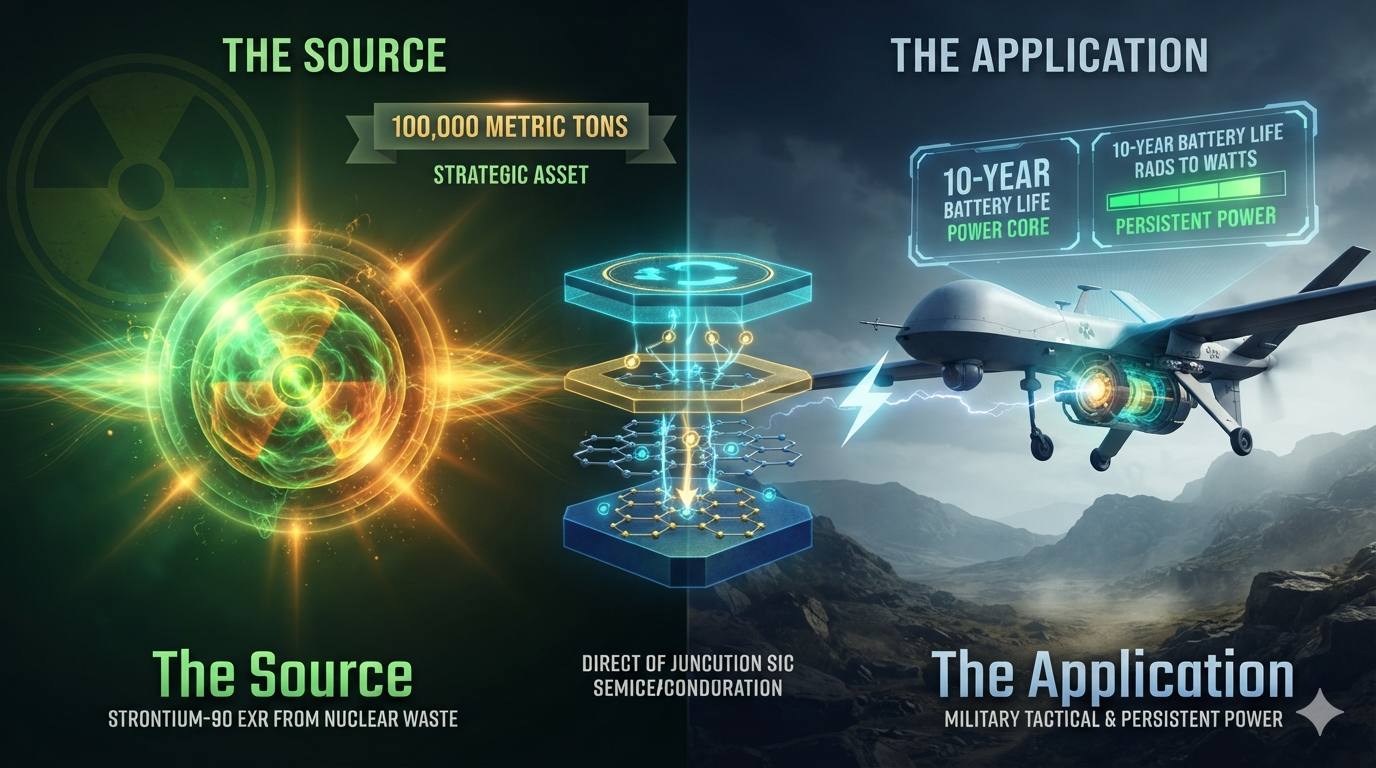
Rads to Watts: DARPA’s Nuclear Battery Revolution and the Future of Persistent Power
Strategic Context: The Emerging Battle for Persistent Power Energy has quietly become one of the defining constraints of twenty-first century military operations. Modern battlefields increasingly depend upon autonomous drones, unattended ground sensors, artificial intelligence processors, electronic warfare systems, underwater surveillance networks, hypersonic defense architectures and proliferating satellite constellations that all require continuous electrical power. Yet…
-
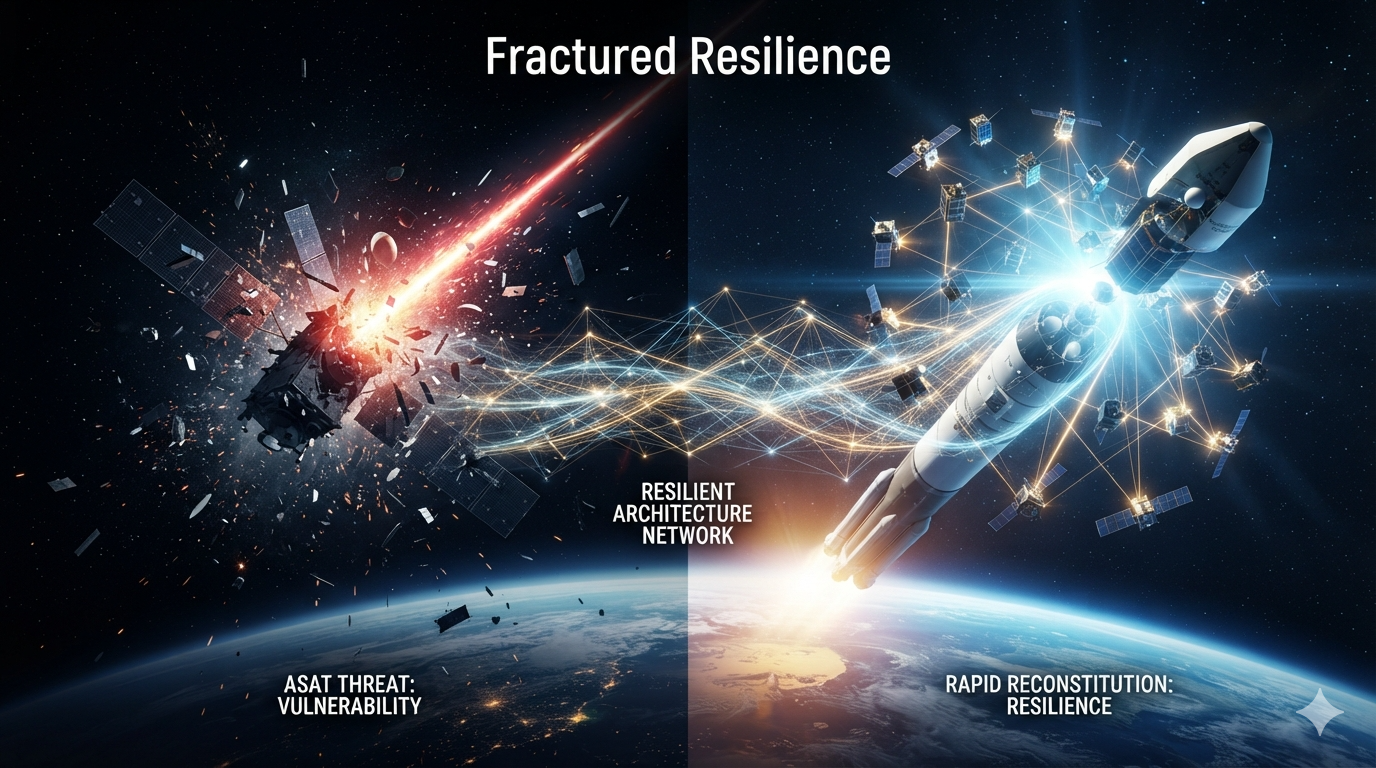
Resilient Space Power: DARPA’s Rapid Reconstitution Strategy and the Future of Military Space Operations
Introduction: From Space Superiority to Space Resilience For decades, military space strategy was built around a relatively simple assumption: protect a limited number of highly capable satellites that provided global communications, intelligence, missile warning, positioning, navigation, timing (PNT), and strategic command and control. These exquisite systems represented enormous technological achievements but also created a dangerous…
-
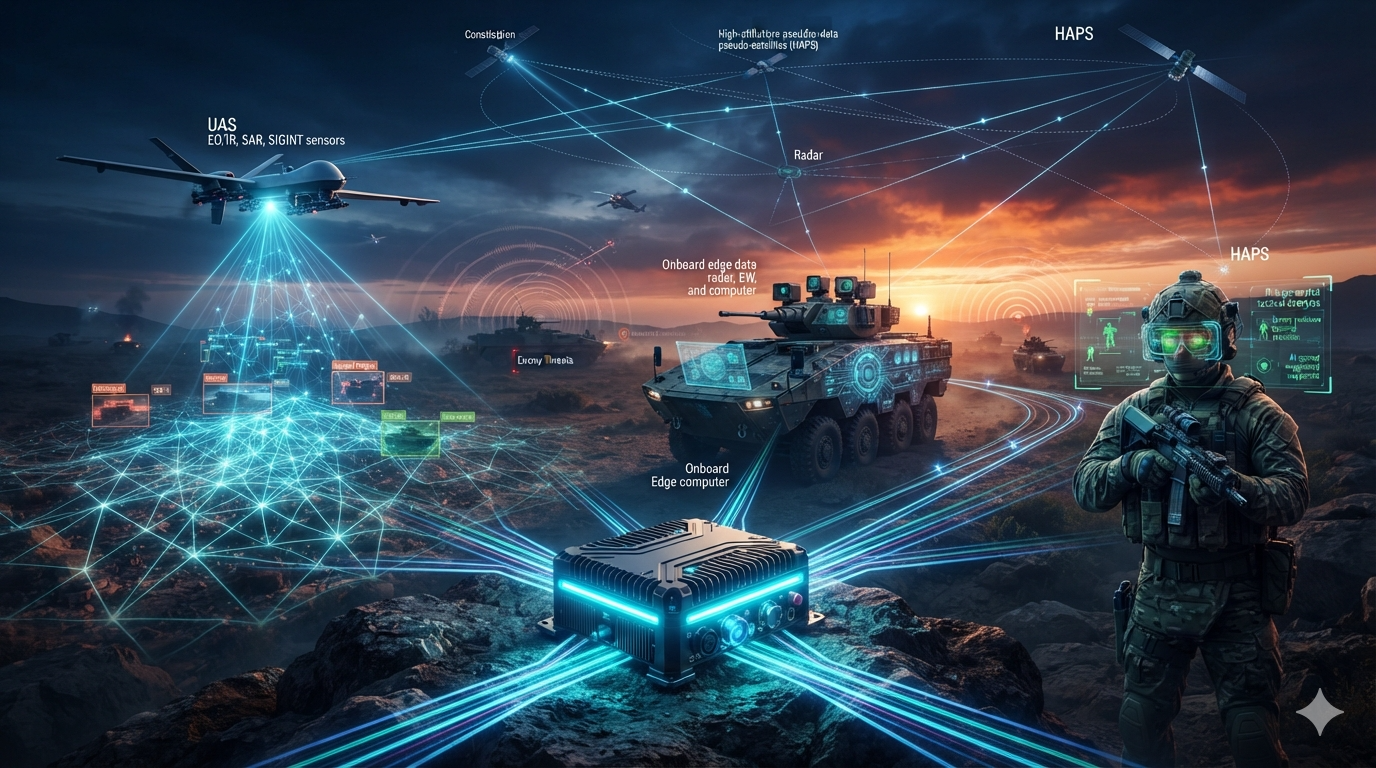
Eyes on the Edge: How AI-Driven Sensor Processing Is Reshaping the Future Battlefield
Introduction: From Data Deluge to Decision Dominance Modern warfare is no longer constrained by the availability of information—it is constrained by the ability to process it fast enough to influence the fight. Every military operation now generates an unprecedented volume of data from satellites, synthetic aperture radar, electronic warfare systems, unmanned aircraft, naval platforms, ground…
-
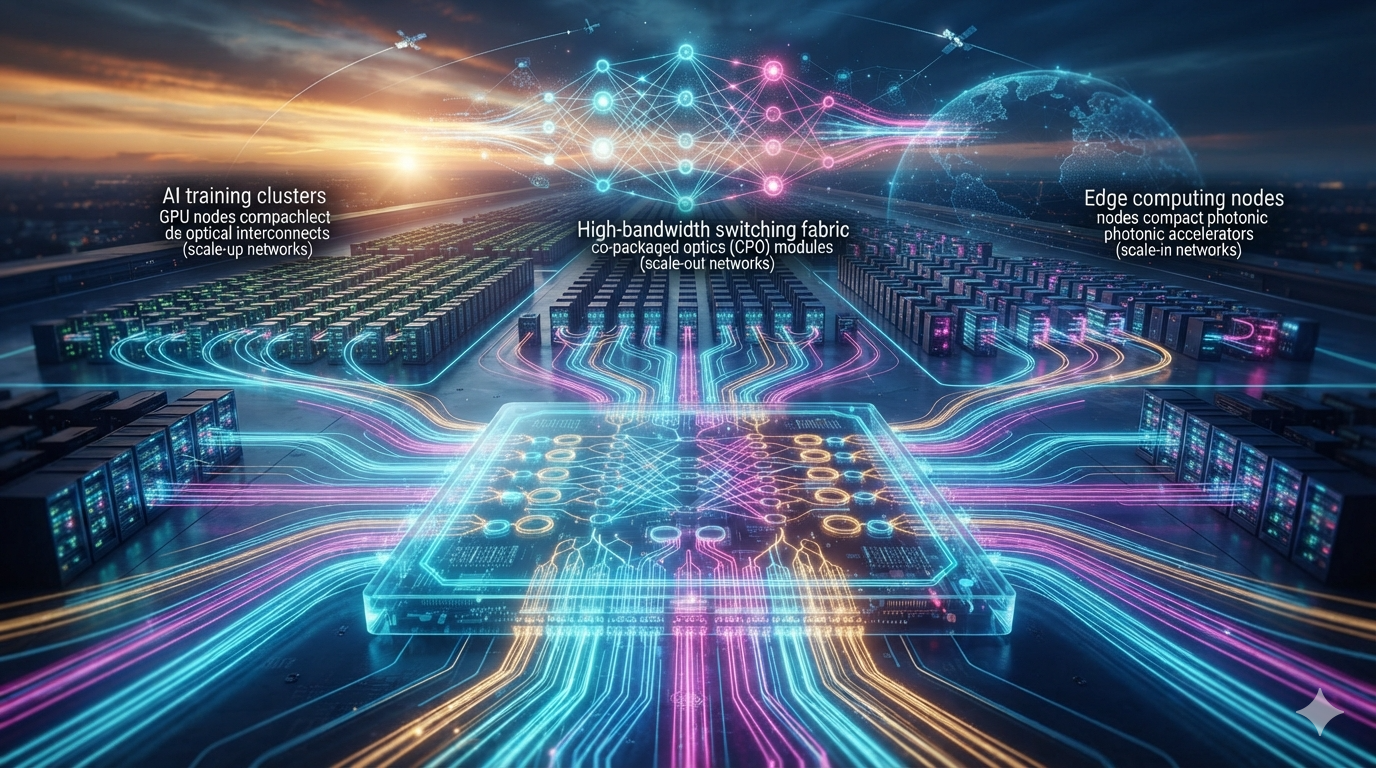
Silicon Photonics: The Optical Engine Driving the Next Generation of Artificial Intelligence
Introduction: AI’s Bandwidth Crisis and the Rise of Silicon Photonics Artificial intelligence has entered an era where computing performance is no longer determined solely by faster processors, but increasingly by the ability to move enormous volumes of data efficiently between chips, memory systems, and data centers. Modern foundation models containing trillions of parameters require unprecedented…
-
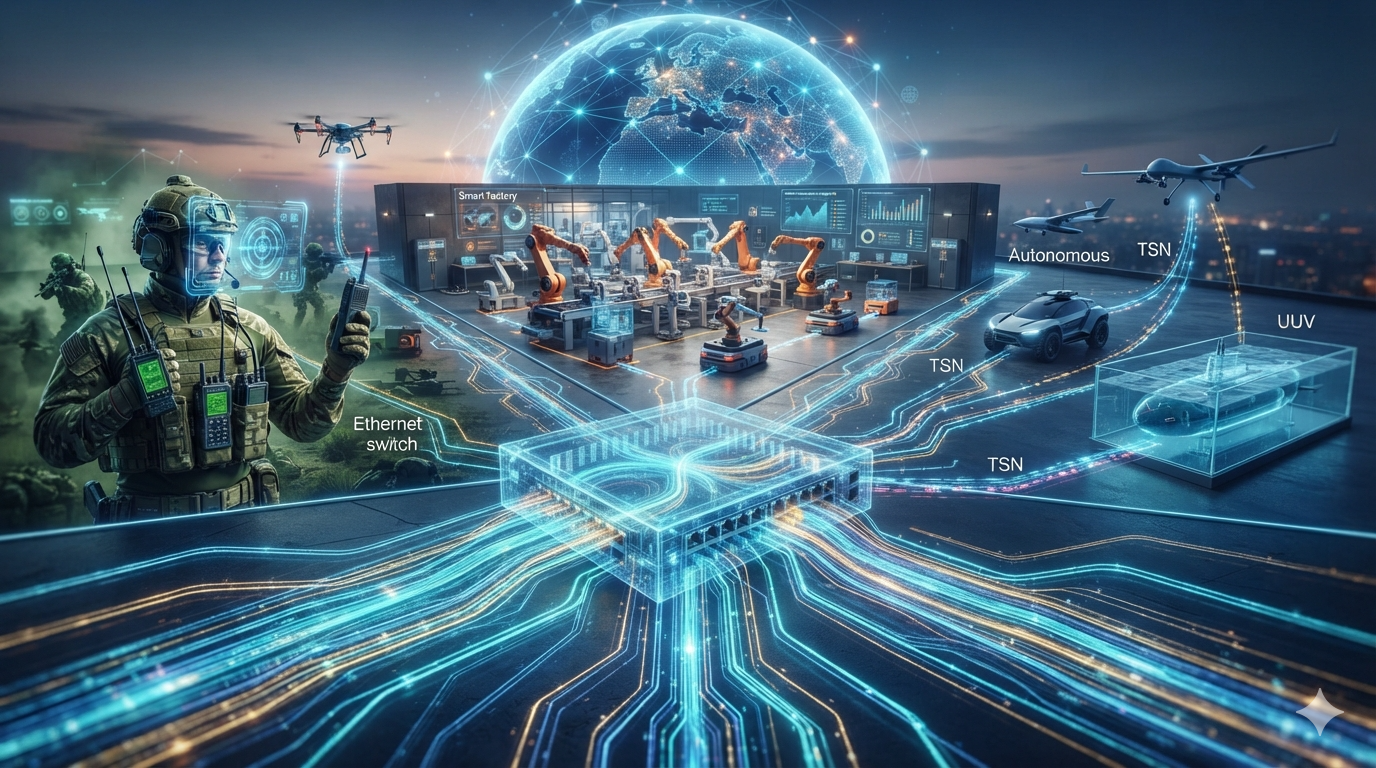
The Digital Backbone of Modern Warfare: How Next-Generation Ethernet is Transforming Defense, Industry, and Autonomous Systems
Strategic Context Control of information has become as decisive in modern conflict as control of territory. Across today’s multidomain battlespace, victory increasingly depends on the ability to collect, transport, process, and exploit enormous volumes of data with near-zero latency across land, sea, air, space, cyber, and electromagnetic domains. Whether coordinating autonomous drone swarms, integrating next-generation…
-
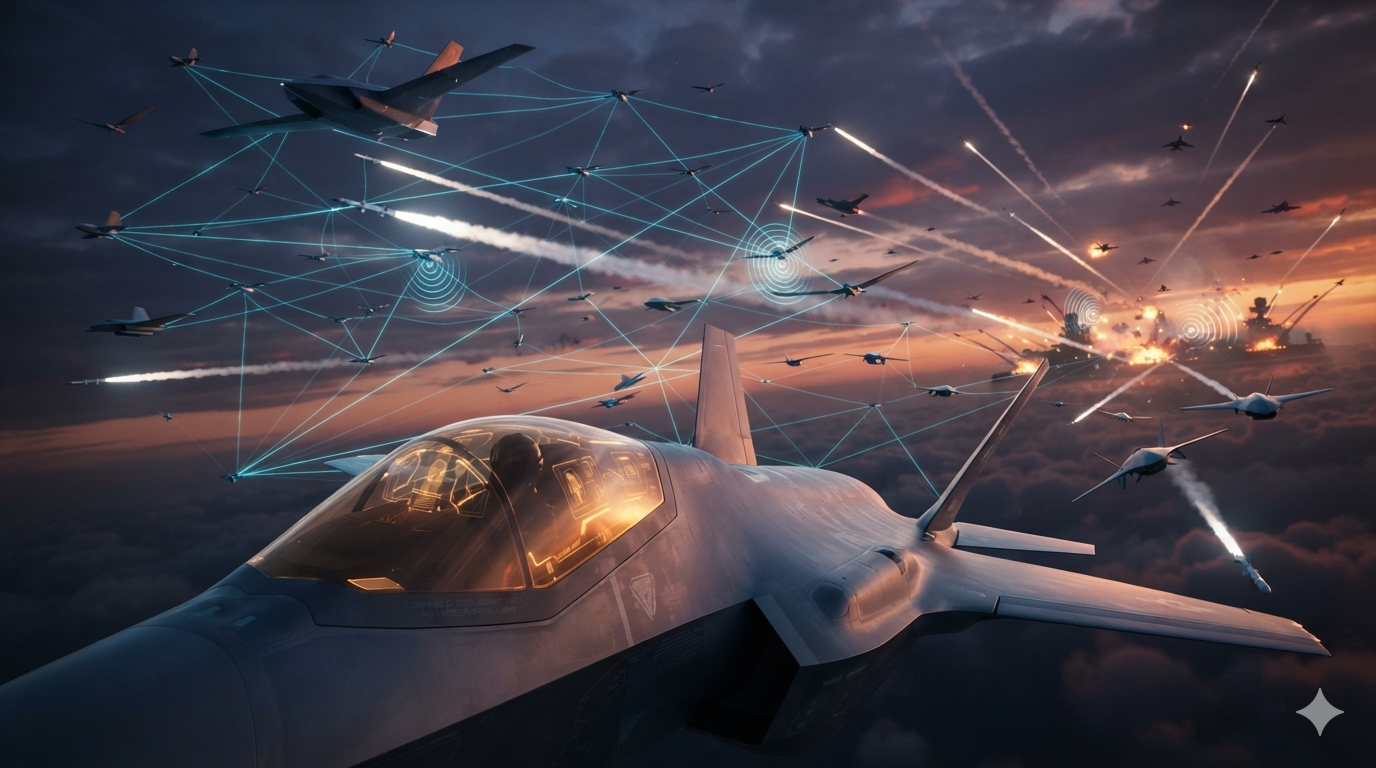
The Age of Autonomous Aircraft Swarms: How Collaborative Air Combat Is Reshaping Future Air Warfare
Strategic Context Air warfare is entering its most significant transformation since the introduction of stealth aircraft. The traditional model—where a handful of highly sophisticated fighters dominate the battlespace—is rapidly giving way to a distributed ecosystem of autonomous aircraft, collaborative drones, intelligent munitions, and AI-enabled command networks. Rather than relying solely on the capabilities of a…
Related Domains & Cross-Cutting Themes
Strategy, Policy & Governance does not operate in isolation. Coverage within this magazine frequently intersects with Defense & Military Systems, Critical & Emerging Technologies, Industry, Markets & Supply Chains, Space Technology, Defense & Exploration Readers interested in deeper technical, industrial, or geopolitical dimensions are encouraged to explore related magazines across the IDST intelligence network.
Explore the Defense and Military Systems Magazine →
Explore the Critical & Emerging Technologies Magazine →
Explore the Industry, Markets & Supply Chains Magazine →
Explore the Space Technology, Defense & Exploration Magazine →
Explore the Defense and Military Systems Magazine →
Explore the Critical & Emerging Technologies Magazine →
Explore the Industry, Markets & Supply Chains Magazine →
Explore the Space Technology, Defense & Exploration Magazine →