
Modern military, security, and industrial capabilities do not fail because of individual components—they fail at interfaces, integration points, and architectural constraints. This sub-magazine analyzes complex systems as complete architectures rather than isolated parts.
IDST Intelligence Briefings
System-of-systems analysis, integration challenges, design trade-offs, lifecycle constraints, and resilience assessment
Why This Sub-Magazine Exists
Most analysis isolates individual components. Real-world performance, however, is shaped by interfaces, integration logic, and architectural constraints. This sub-magazine exists to expose those deeper structural realities.
What We Track
- System integration and interoperability
- Architectural bottlenecks and dependencies
- Modularity vs monolithic design choices
- Reliability, redundancy, and failure modes
Latest Analysis & Intelligence
-

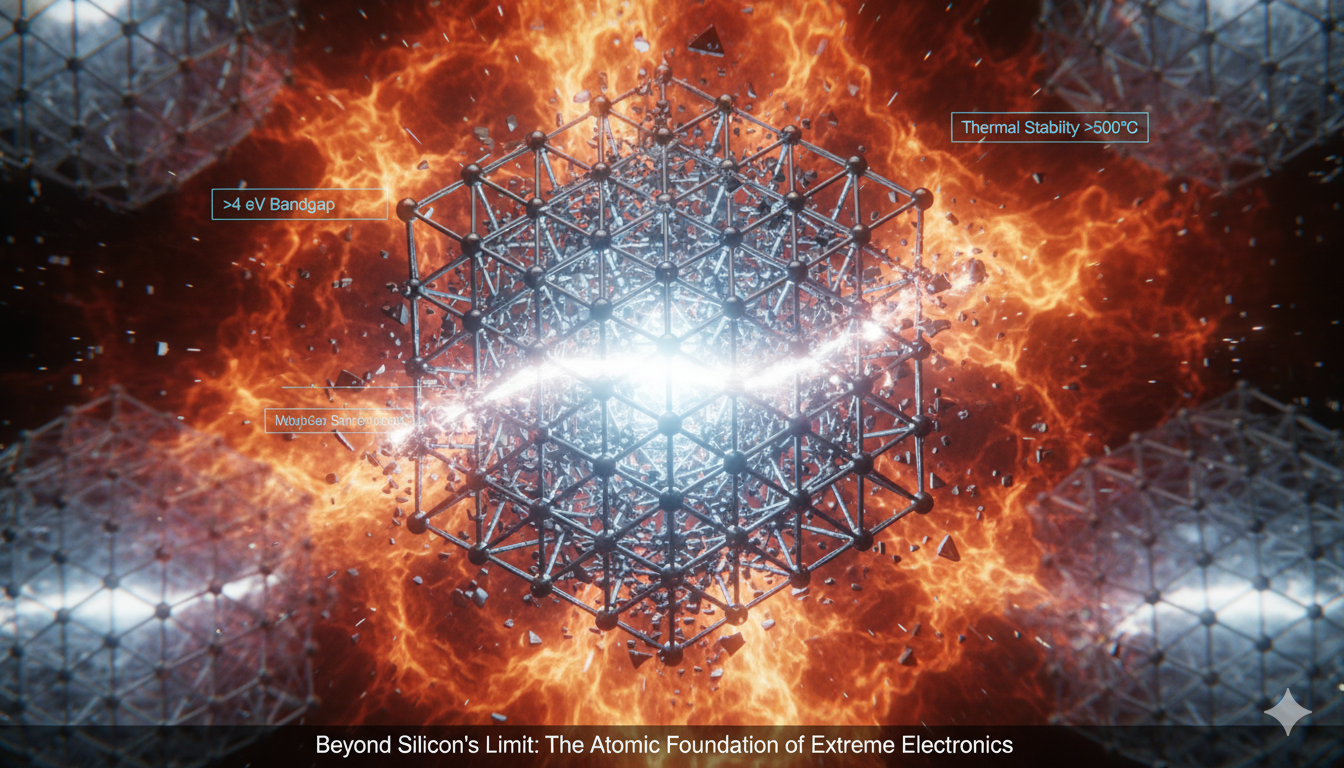
The Next Semiconductor Revolution: How DARPA’s Ultra-Wide Bandgap Program Is Redefining Power Electronics
In the world of microelectronics, efficiency is everything. From data centers and electric grids to radar systems and electric vehicles, the quest for smaller, faster, and more power-efficient devices has driven decades of innovation. Yet silicon—the workhorse of the semiconductor industry—is reaching its physical and performance limits. To break through these barriers, the Defense Advanced…
-
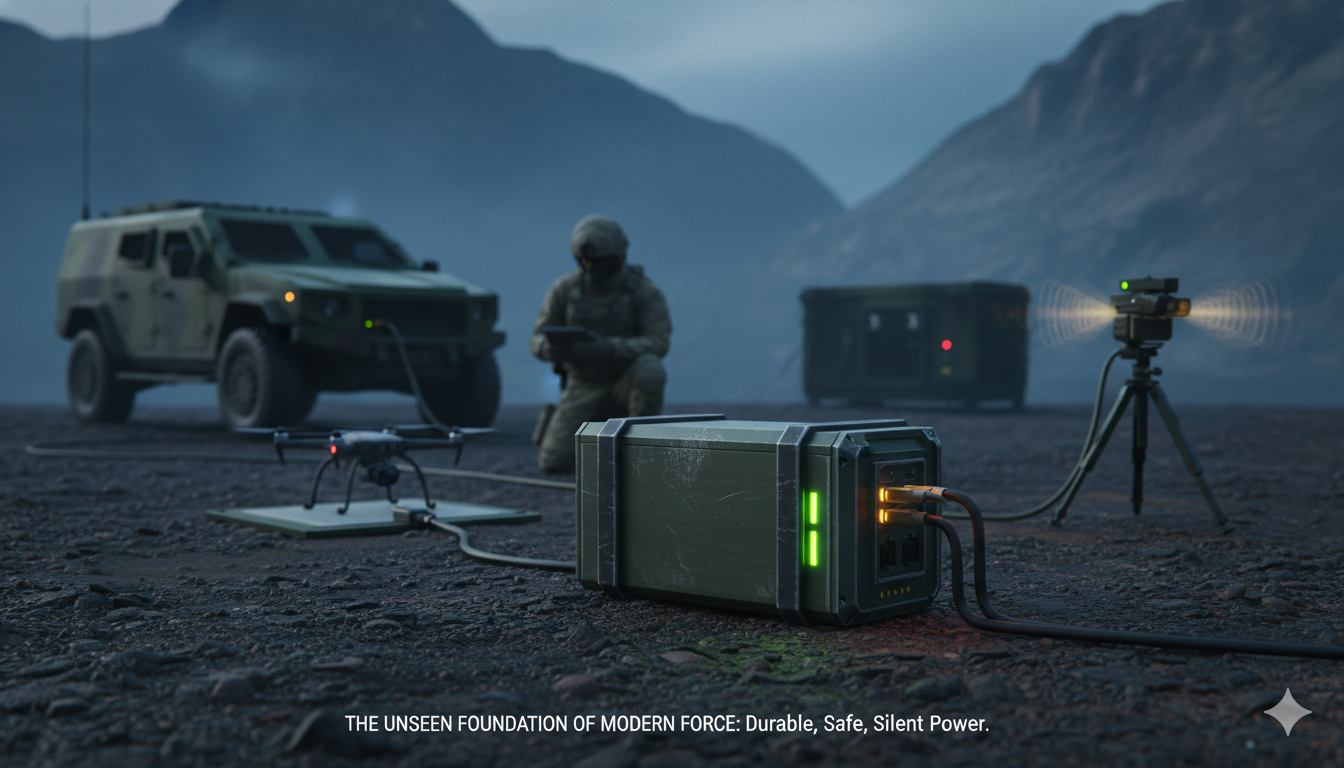
The Battle-Proven Battery: Why Lithium Iron Phosphate (LFP) is the Military’s Cathode of Choice
In today’s battlespace, power is as critical as firepower. From portable radios and drones to electric vehicles and directed energy weapons, modern militaries depend on reliable energy storage to gain and sustain a tactical edge. The humble battery, once an afterthought, has become a strategic enabler. Among the competing chemistries, Lithium Iron Phosphate (LFP) has…
-
Taking Flight with Power Electronics: The Future of Hybrid-Electric Aircraft
Introduction The aviation industry is at a crossroads. Long criticized for its environmental footprint, it now finds itself in the middle of a technological revolution aimed at achieving cleaner skies and more efficient travel. Hybrid-electric propulsion has emerged as one of the most promising solutions, blending traditional engines with electric systems to cut emissions, reduce…
-
Spintronics: The Next Revolution in Computing and Data Storage
Beyond Moore’s Law: The Rise of Spin-Based Electronics For decades, the semiconductor industry has been driven by Moore’s Law—the relentless pursuit of fitting ever more transistors onto ever smaller chips. Yet as silicon-based electronics near their physical limits, fundamental quantum effects begin to disrupt conventional operation, and escalating power dissipation threatens efficiency and reliability. As…
-
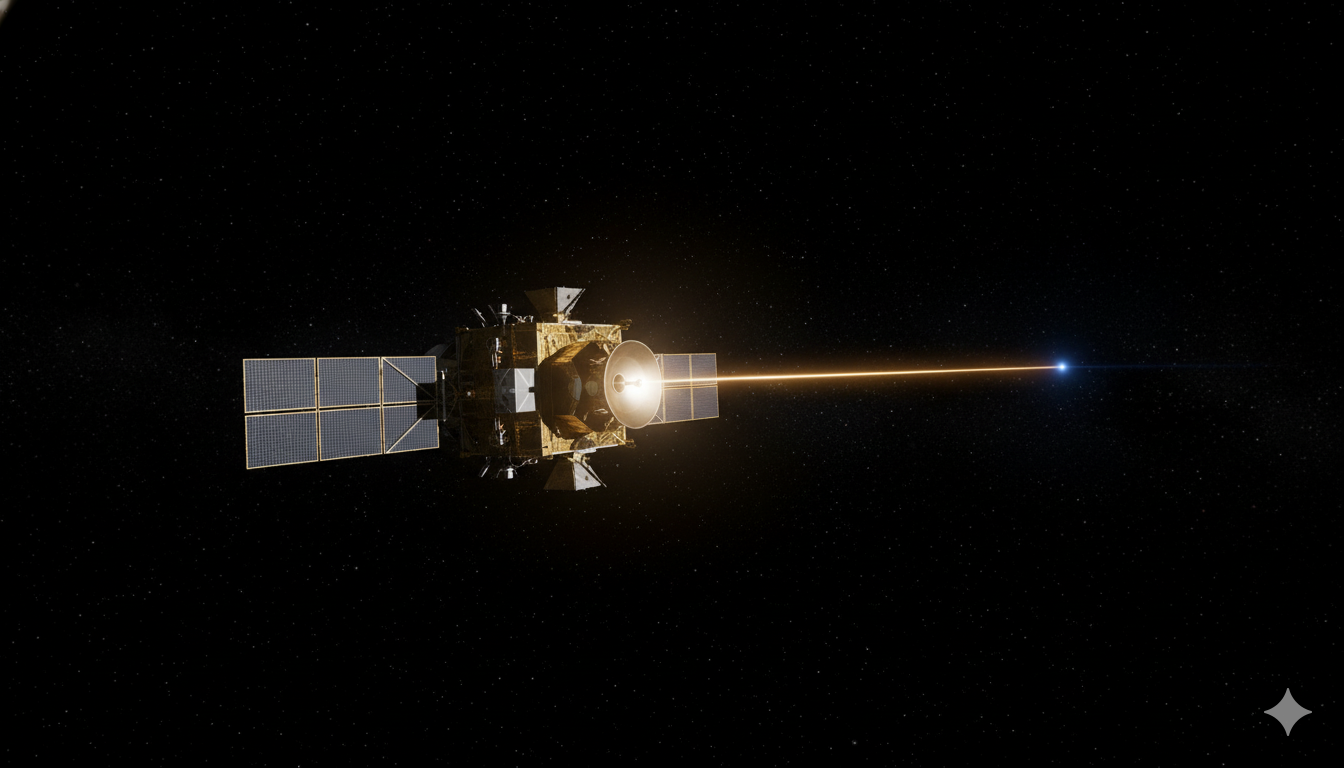
The Technology and System Aspects of Free-Space Optical Communication
Free-Space Optical Communication (FSOC) represents a radical departure from traditional radio-based systems, signaling a paradigm shift in how we imagine communication across the cosmos. Unlike conventional radio waves, FSOC uses visible and infrared light to transmit data through tightly focused beams of photons. Operating on the principle of line-of-sight, FSOC establishes an optical wireless link…
-
Next-Generation Optical Biosensors: Merging Nanophotonics, Quantum Effects, and AI for Smart Diagnostics
Introduction: The New Diagnostic Revolution Biosensors have garnered attention for their potential to address a wide array of biomedical and public health issues. These include early disease diagnosis, identification of drug-resistant organisms, detection of emerging epidemics, and identifying low-concentration toxins and pathogens in food and water. However, the road to developing these biosensors is…
-
The $22 Billion AR Revolution: Inside the Army’s High-Stakes Bet on IVAS Headsets
The Pivot That Shook Defense Tech In February 2025, a major turning point in defense technology was announced: Microsoft would transfer leadership of the U.S. Army’s $21.9 billion Integrated Visual Augmentation System (IVAS) program to Anduril Industries, pending Pentagon approval. The IVAS initiative—one of the most ambitious military modernization efforts in recent history—aims to equip…




Related Domains & Cross-Cutting Themes
Defense & Military Systems • Critical & Emerging Technologies • Industry & Manufacturing • Autonomous & Infrastructure Systems
Explore the Space Technology, Defense & Exploration Magazine →