
Strategy, Policy & Governance examines how states, institutions, and power centers define objectives, design policies, and govern complex security and technology ecosystems. This magazine focuses on the strategic decision-making layer—where doctrine, policy, regulation, and long-term planning translate national intent into coordinated action across military, technological, economic, and societal domains.
IDST Intelligence Briefings
Why This Magazine Exists
Strategy, Policy & Governance examines how states, institutions, and power centers define objectives, design policies, and govern complex security and technology ecosystems. This magazine focuses on the strategic decision-making layer—where doctrine, policy, regulation, and long-term planning translate national intent into coordinated action across military, technological, economic, and societal domains.
What We Track
This magazine examines the strategic, policy, and governance dimensions that shape national security, defense modernization, technological competition, and institutional resilience. It analyzes how governments, militaries, industries, and international organizations formulate strategy, manage risk, govern emerging technologies, and adapt to an increasingly complex security environment.
Coverage spans defense policy and doctrine, strategic planning, civil–military relations, technology governance, regulatory frameworks, innovation ecosystems, resilience building, and long-term preparedness—providing the context needed to understand not only how security challenges emerge, but how nations organize to address them.
Latest Analysis & Intelligence
-
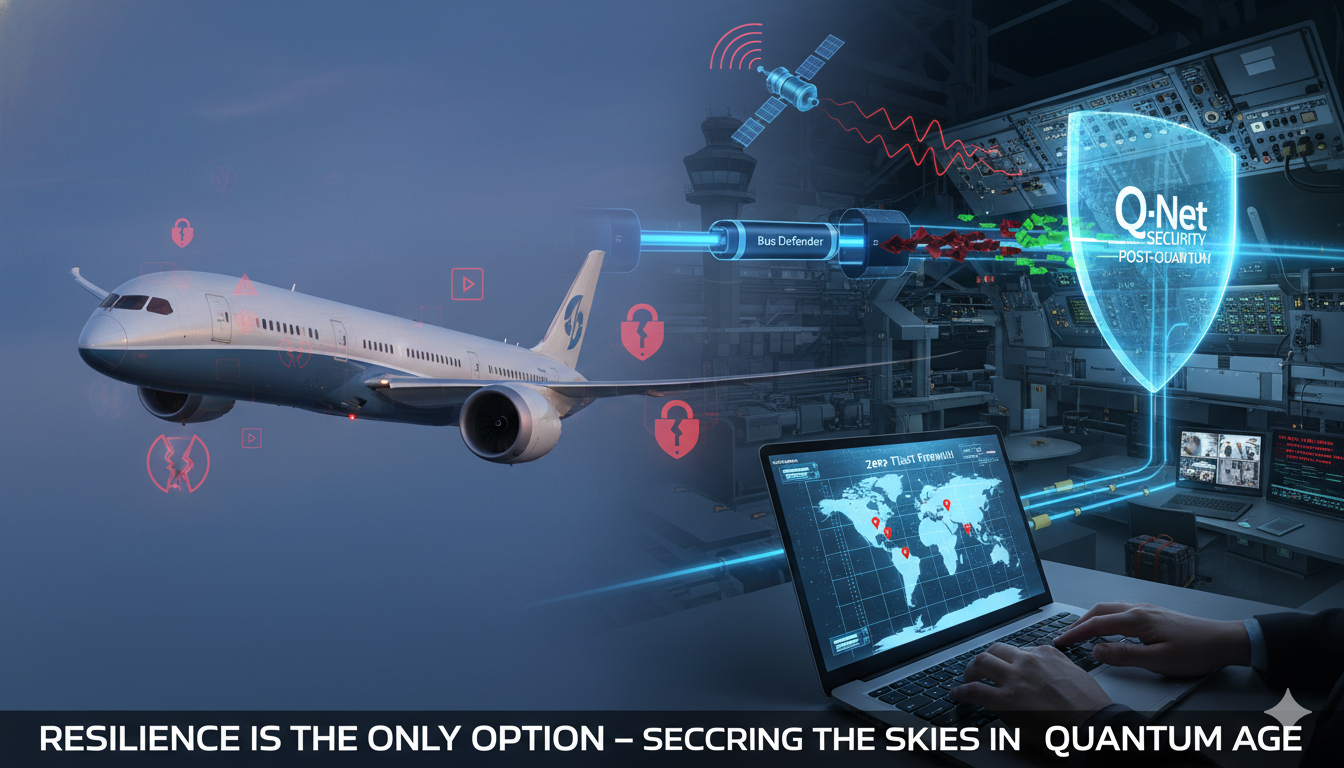
Growing Cyber Threats to Commercial Aviation: Why Cyber Risk Management and Resilient Systems Are No Longer Optional (2026 Update)
From Connected Aircraft to AI-Driven Cyber Warfare Commercial aviation is entering a new era in which cybersecurity has become inseparable from flight safety, operational continuity, and national security. The global aviation ecosystem—comprising aircraft, airports, air traffic management systems, satellite communications, cloud infrastructure, maintenance networks, and passenger-facing digital services—is now one of the world’s most interconnected…
-

The Changing Face of Terrorism in the United States: Trends, Challenges, and Required Technologies
From ISIS-Inspired Lone Actors to AI-Enabled Extremism The terrorism landscape confronting the United States in 2026 is profoundly different from the post-9/11 era. The centralized, hierarchical terrorist organizations that once dominated U.S. counterterrorism strategy have increasingly given way to decentralized networks, self-radicalized individuals, encrypted digital ecosystems, and AI-enhanced extremist operations. Modern terrorism is no longer…
-

DARPA SemaFor and the Battle for Reality: Semantic Forensics, Deepfakes, and AI-Powered Information Warfare
Introduction: The Battle for Reality in the Age of Generative AI The character of information warfare has changed more dramatically between 2024 and 2026 than at any period since the emergence of social media. Advances in large language models (LLMs), multimodal foundation models, video generation systems, synthetic voice cloning, and autonomous AI agents have transformed…
-
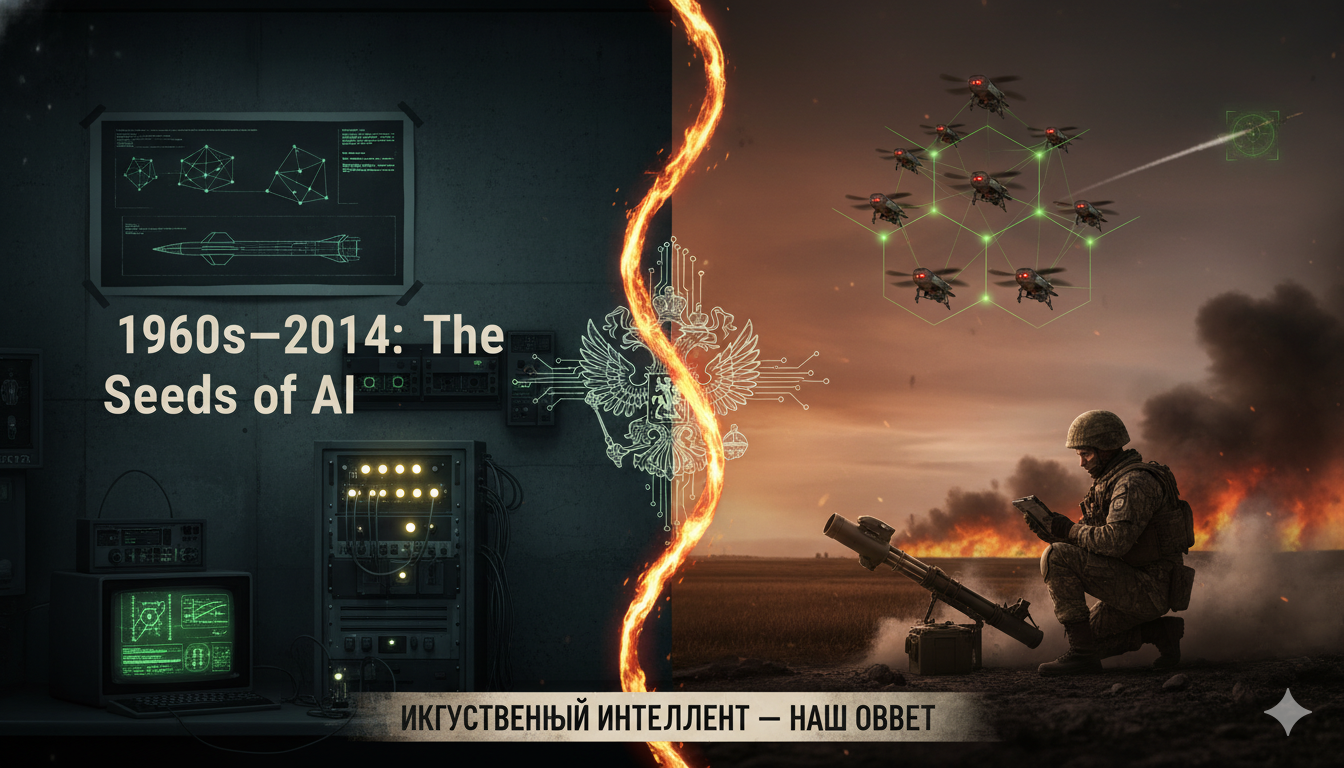
The Quiet Revolution: How Russia Is Reshaping Modern Warfare with Military AI
From Soviet Cybernetics to AI-Driven Warfare in Ukraine Artificial intelligence has become the defining military technology race of the twenty-first century. While public attention often focuses on the United States and China, Russia has quietly transformed itself into one of the world’s most operationally experienced military AI powers. The war in Ukraine has accelerated this…
-
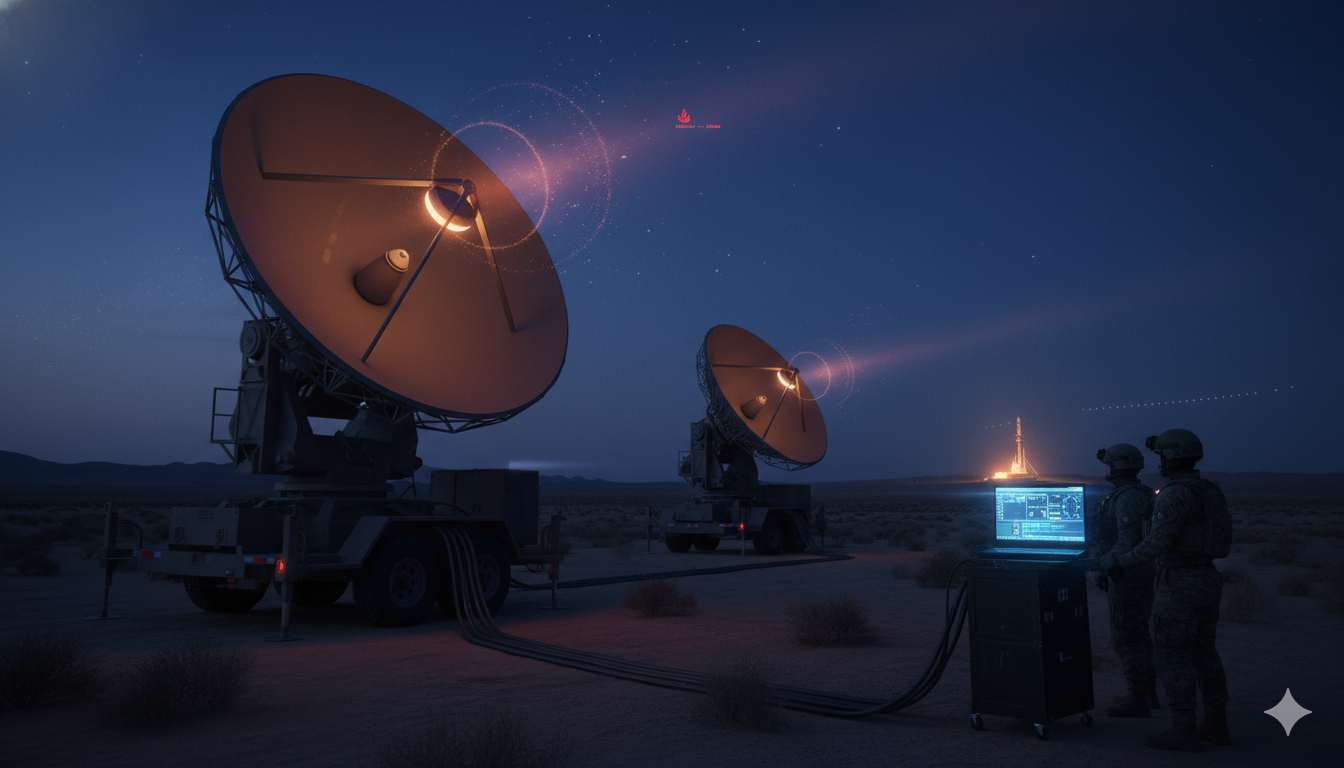
Multiband Antennas for Communications and Electronic Warfare: The New Frontier of Spectrum Dominance (2026 Update)
Introduction: The Electromagnetic Arms Race Enters a New Era The electromagnetic spectrum has become one of the most fiercely contested domains of modern warfare. Alongside land, sea, air, space, and cyberspace, control of the spectrum increasingly determines military effectiveness, strategic deterrence, and battlefield success. The proliferation of advanced military communications, satellite constellations, unmanned systems, precision-guided…
-

From SSA to SDA: Why Space-Based Sensors Are Critical for Space Domain Awareness in an Era of Great-Power Competition
Introduction: The Space Domain Has Become a Strategic Battlespace Space is no longer merely an enabler of military operations—it has become a contested warfighting domain in its own right. The rapid expansion of satellite constellations, increasing geopolitical rivalry, growing dependence on space-based infrastructure, and the emergence of counterspace weapons are fundamentally transforming how nations perceive…
-
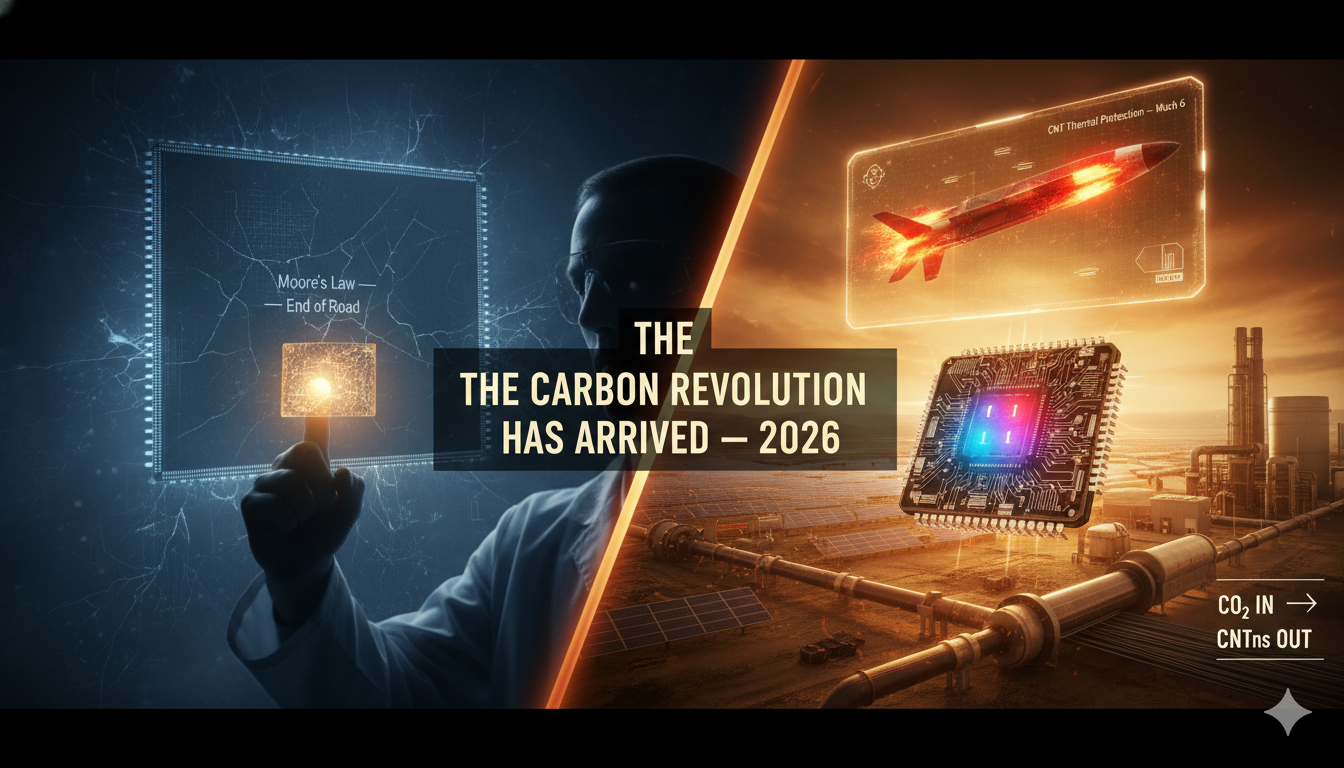
Carbon Nanotubes: Powering the Carbon Revolution for the Post-Silicon Era (2026 Update)
Introduction: From Laboratory Curiosity to Strategic Technology Platform For more than three decades, carbon nanotubes (CNTs) have occupied a unique place in advanced materials science—celebrated as one of the strongest, lightest, and most electrically conductive materials ever discovered, yet repeatedly constrained by manufacturing complexity, purity challenges, and commercialization bottlenecks. In 2024–2026, that long transition from…
STRATEGIC SUB-MAGAZINES
The Strategy, Policy & Governance magazine connects multiple strategic sub-domains that examine power, risk, and coordination from different angles.
Geopolitics, Strategy & Technological Rivalries
Focuses on interstate competition, alliances, power balances, and long-term rivalry dynamics shaped by technology and economics.
Explore the Geopolitics, Strategy & Technological Rivalries Sub-Magazine →
Global Risks & Future Threats
Examines systemic risks, emerging threat vectors, gray-zone challenges, and future conflict drivers beyond conventional war.
Explore the Global Risks & Future Threats Sub-Magazine →
Technology & Systems Management
Analyzes how complex defense and security systems are governed, integrated, regulated, and sustained across institutions..
Explore the Technology & Systems Management Sub-Magazine →
Related Domains & Cross-Cutting Themes
Strategy, Policy & Governance does not operate in isolation. Coverage within this magazine frequently intersects with Defense & Military Systems, Critical & Emerging Technologies, Industry, Markets & Supply Chains, Space Technology, Defense & Exploration Readers interested in deeper technical, industrial, or geopolitical dimensions are encouraged to explore related magazines across the IDST intelligence network.
Explore the Defense and Military Systems Magazine →
Explore the Critical & Emerging Technologies Magazine →
Explore the Industry, Markets & Supply Chains Magazine →
Explore the Space Technology, Defense & Exploration Magazine →