
Space Technology, Defense & Exploration examines how space has evolved from a support domain into a contested, operational, and strategic environment. This magazine analyzes satellites, launch systems, space surveillance, missile defense, advanced aerospace platforms, and emerging domain-control capabilities that shape modern deterrence and power projection. The focus is on resilience, access, and strategic leverage in space—how nations protect, contest, and exploit orbital and near-space environments to secure long-term technological and geopolitical advantage.
IDST Intelligence Briefings
The intelligence briefings below provide visual, systems-level context to complement long-form written analysis. These videos focus on how space technologies function in practice, how they integrate with military and strategic architectures, and why specific capabilities matter for deterrence, surveillance, and power projection. Rather than news-driven coverage, the emphasis is on enduring concepts, architectures, and capability trajectories shaping the future of space security.
Why This Magazine Exists
Space has transitioned from a benign support domain into a contested strategic environment where surveillance, communication, navigation, deterrence, and power projection increasingly depend on orbital and near-space systems. As military, commercial, and civil actors expand their presence beyond Earth, control, resilience, and denial in space have become central to national security and geopolitical competition. This magazine exists to provide intelligence-grade analysis of how space technologies, policies, and systems are reshaping modern conflict, deterrence stability, and long-term strategic balance.
What We Track
This magazine tracks developments across the full space and advanced-domain security ecosystem, including:
- Military and dual-use satellites (ISR, communications, navigation, early warning)
- Space situational awareness, tracking, and orbital resilience
- Counterspace capabilities and space-control strategies
- Missile defense, hypersonic sensing, and space-based sensors
- Launch systems, reusable platforms, and access-to-space economics
- Space policy, norms, militarization, and strategic competition
- Integration of space assets with air, cyber, and terrestrial forces
Latest Analysis & Intelligence
-
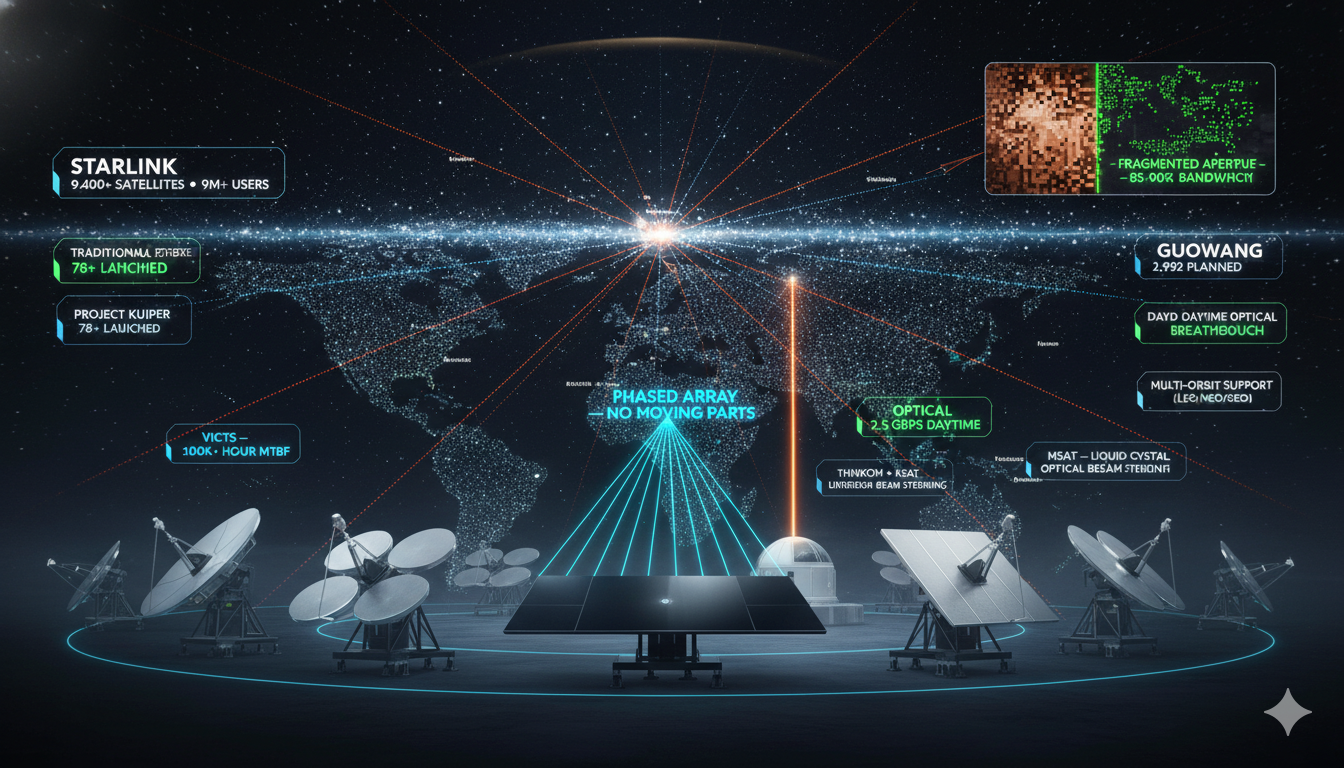
Ground Station Antenna Innovations: Enabling the New Space LEO Constellation Era
From Mechanically Steered Dishes to Software-Defined, Electronically Steered, and Optical Ground Systems Executive Introduction The emergence of the New Space ecosystem is fundamentally reshaping the architecture, economics, and operational dynamics of the satellite industry. At the center of this transformation is the rapid proliferation of Low Earth Orbit (LEO) constellations—massive networks of hundreds to tens…
-
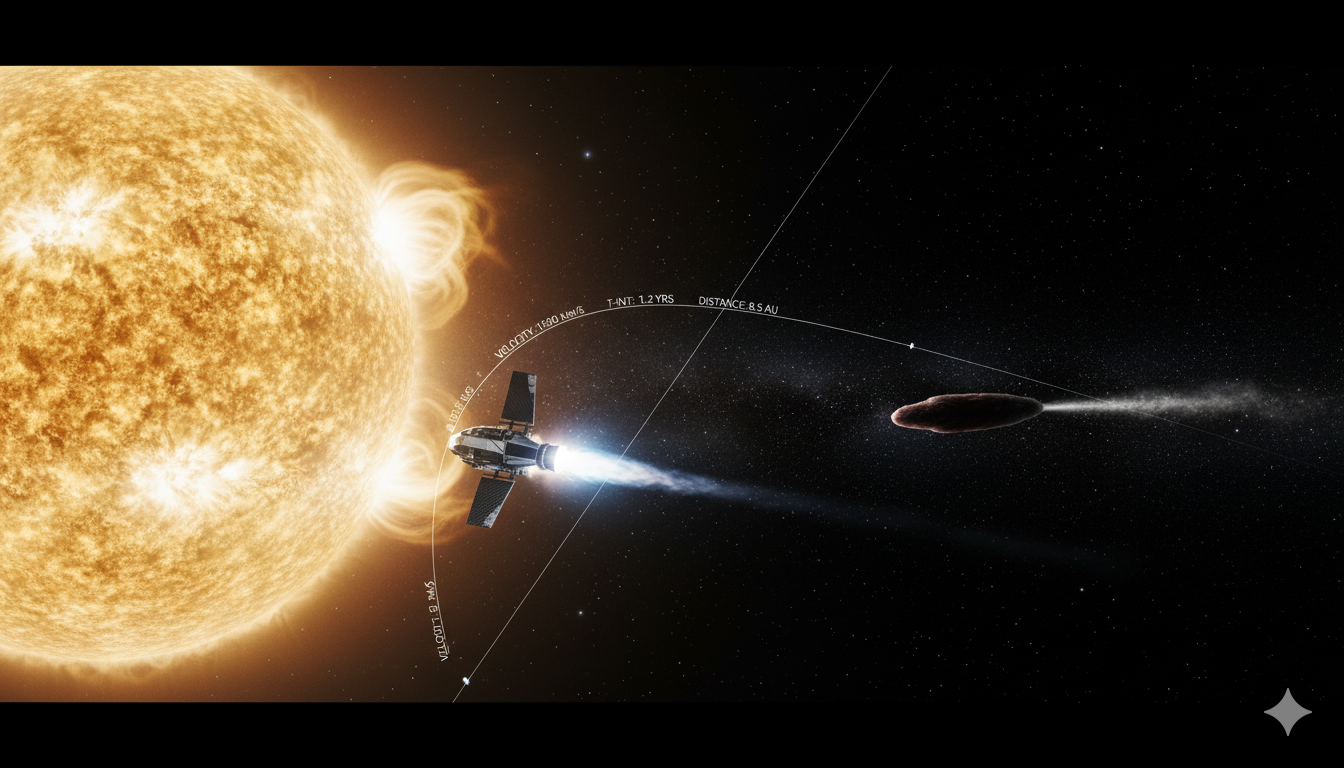
Chasing Shadows: The Global Quest to Catch Interstellar Objects
How the Search for Interstellar Visitors Is Reshaping Space Science, Propulsion Technology, and Strategic Exploration Introduction: Messengers From Other Star Systems The arrival of interstellar visitors in our solar system has opened a new frontier in astronomy and planetary science. For centuries, humanity has studied distant star systems only through telescopes, interpreting faint signals of…
-
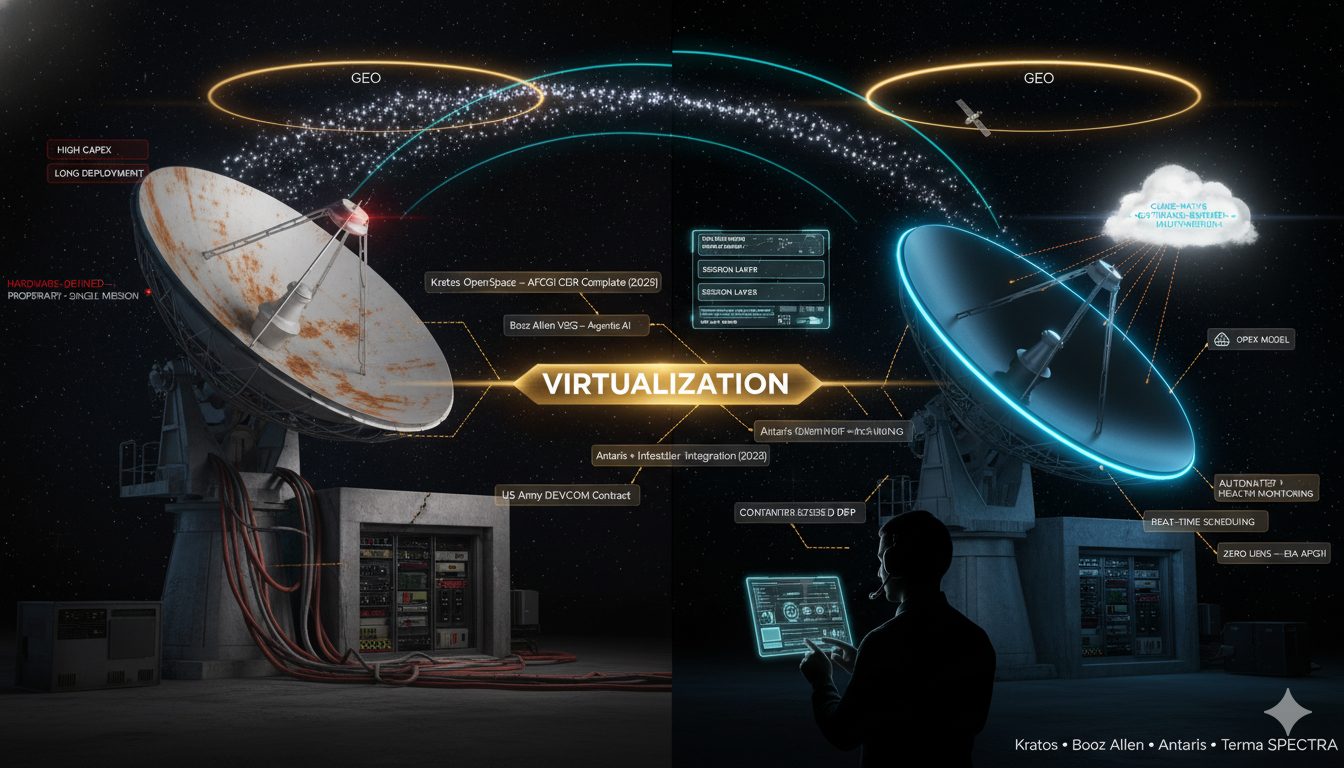
Ground Station Virtualization: Revolutionizing Satellite Communication in the Cloud-Native Era
From Hardware-Centric Infrastructure to Software-Defined, AI-Native Ground Systems Executive Summary Ground station virtualization (GSV) is transforming the satellite ground segment into a distributed, software-defined, and cloud-orchestrated system-of-systems capable of supporting the scale, complexity, and responsiveness required by next-generation space architectures. As LEO mega-constellations, multi-orbit networks, and latency-sensitive applications proliferate, legacy ground systems—built around fixed-function RF…
-
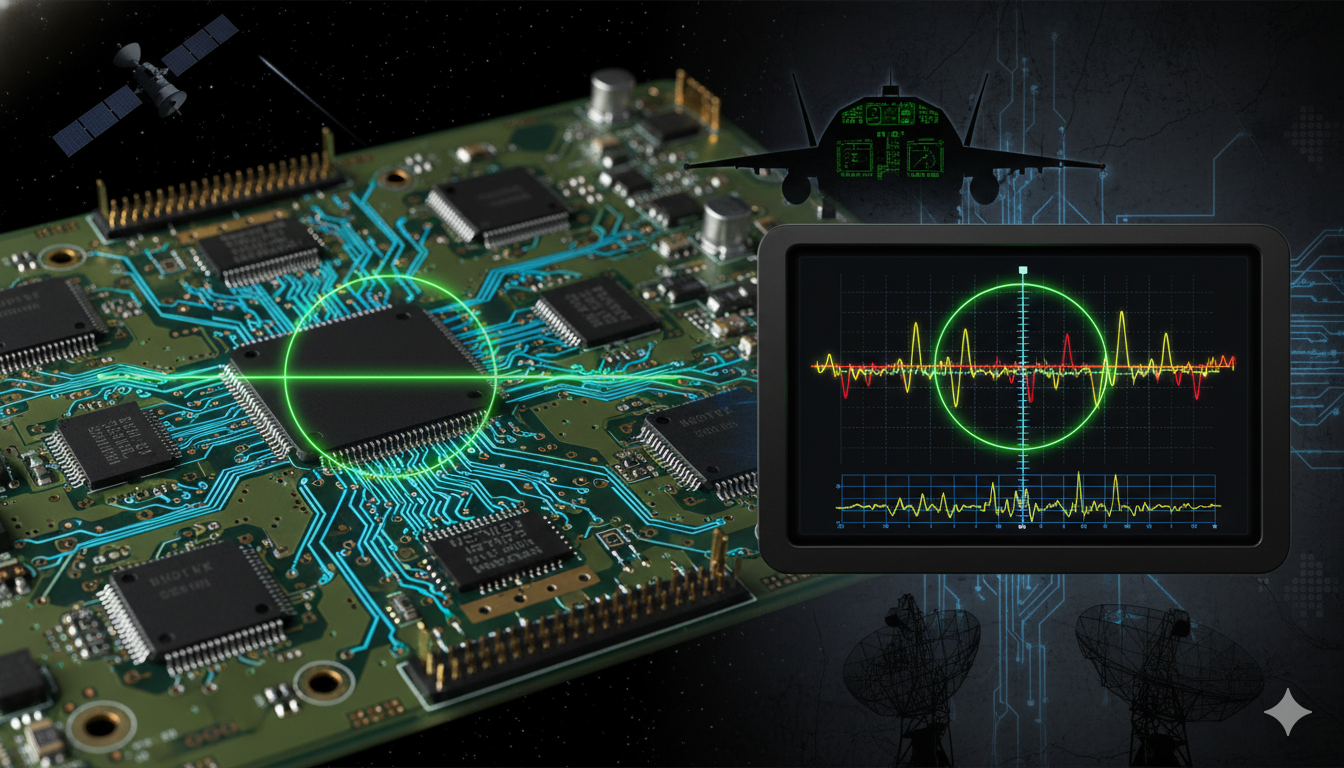
Beyond the Board 2026: Signal and Power Integrity in Next-Generation Aerospace and Defense Systems
Introduction: Signal Integrity Becomes a Strategic Capability The aerospace and defense electronics sector is entering a period of unprecedented electrical complexity. Modern military platforms—including hypersonic systems, electronically steered radars, space-based ISR constellations, electronic warfare suites, autonomous combat drones, and AI-enabled edge-computing platforms—are generating data volumes and power densities far beyond what conventional PCB and interconnect…
-
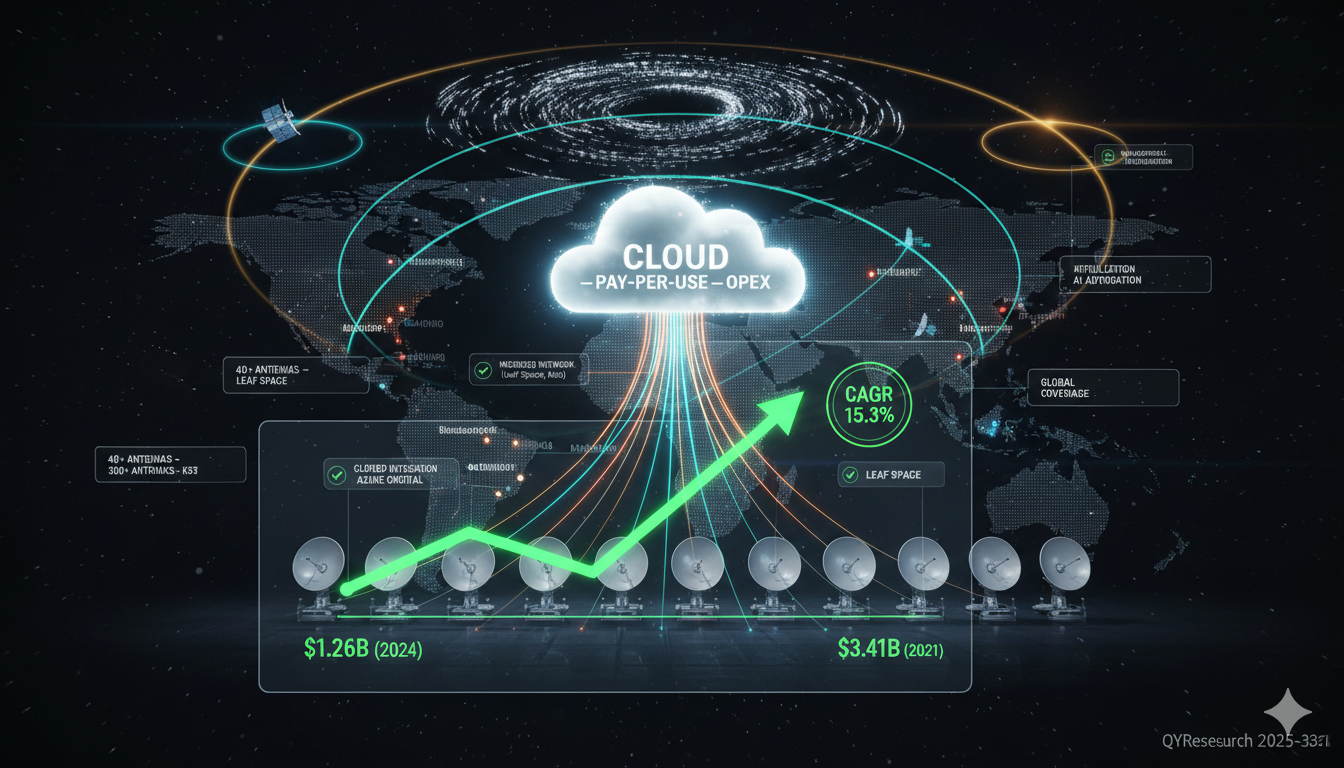
Ground Segment as a Service (GSaaS) Market: Key Players, Innovations, and 2026–2032 Outlook
How Cloud-Native Infrastructure is Reshaping the Space Economy Executive Summary The satellite industry is undergoing a structural transformation as the ground segment—long treated as static infrastructure—evolves into a dynamic, software-defined, and service-oriented ecosystem. Ground Segment as a Service (GSaaS) has emerged as a foundational enabler of this shift, allowing satellite operators to access globally distributed…
-
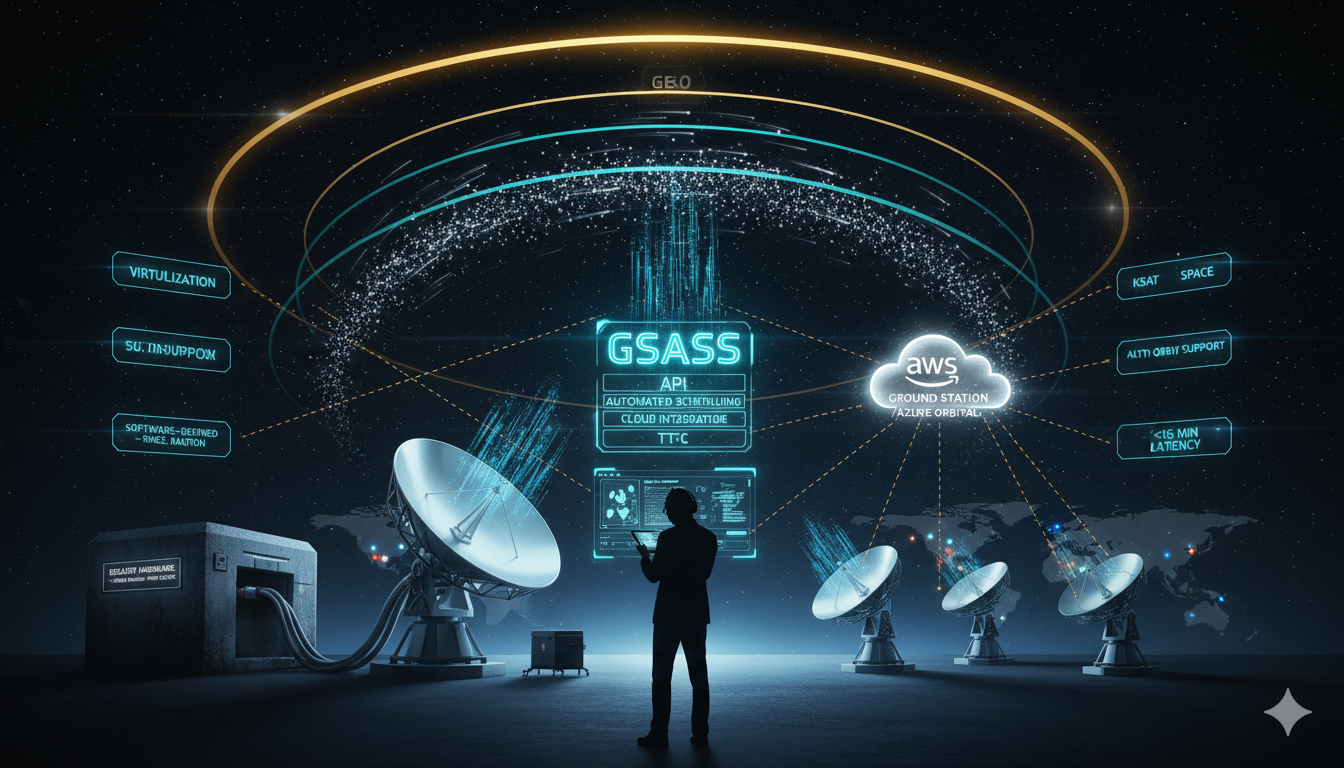
Satellite Ground Segment as a Service (GSaaS): The Technology Revolutionizing the Space Economy
From Dedicated Hardware to Cloud-Native, Multi-Orbit Ground Infrastructure Executive Summary The rapid expansion of the space economy—driven by mega-constellations, real-time data applications, and global connectivity demands—is fundamentally reshaping satellite infrastructure. While advances in launch systems and spacecraft often dominate headlines, the true enabler of this transformation lies on the ground. The satellite ground segment, historically…
-

Beams of Light: Laser Communication and the Strategic Rewiring of the Global Internet
Introduction: Why Light-Based Connectivity Has Become Strategic Infrastructure In an era defined by systemic rivalry, infrastructure vulnerability, and the compression of decision-making timelines, the question of how information moves has become inseparable from the question of who holds power. The global internet—long perceived as a resilient, borderless system—is increasingly exposed as a layered construct dependent…
Related Domains & Cross-Cutting Themes
Space does not operate in isolation. Coverage within this magazine frequently intersects with cyber operations, missile systems, advanced aerospace platforms, and emerging technologies. Readers interested in deeper technical, industrial, or geopolitical dimensions are encouraged to explore related magazines across the IDST intelligence network.