
Space Technology, Defense & Exploration examines how space has evolved from a support domain into a contested, operational, and strategic environment. This magazine analyzes satellites, launch systems, space surveillance, missile defense, advanced aerospace platforms, and emerging domain-control capabilities that shape modern deterrence and power projection. The focus is on resilience, access, and strategic leverage in space—how nations protect, contest, and exploit orbital and near-space environments to secure long-term technological and geopolitical advantage.
IDST Intelligence Briefings
The intelligence briefings below provide visual, systems-level context to complement long-form written analysis. These videos focus on how space technologies function in practice, how they integrate with military and strategic architectures, and why specific capabilities matter for deterrence, surveillance, and power projection. Rather than news-driven coverage, the emphasis is on enduring concepts, architectures, and capability trajectories shaping the future of space security.
Why This Magazine Exists
Space has transitioned from a benign support domain into a contested strategic environment where surveillance, communication, navigation, deterrence, and power projection increasingly depend on orbital and near-space systems. As military, commercial, and civil actors expand their presence beyond Earth, control, resilience, and denial in space have become central to national security and geopolitical competition. This magazine exists to provide intelligence-grade analysis of how space technologies, policies, and systems are reshaping modern conflict, deterrence stability, and long-term strategic balance.
What We Track
This magazine tracks developments across the full space and advanced-domain security ecosystem, including:
- Military and dual-use satellites (ISR, communications, navigation, early warning)
- Space situational awareness, tracking, and orbital resilience
- Counterspace capabilities and space-control strategies
- Missile defense, hypersonic sensing, and space-based sensors
- Launch systems, reusable platforms, and access-to-space economics
- Space policy, norms, militarization, and strategic competition
- Integration of space assets with air, cyber, and terrestrial forces
Latest Analysis & Intelligence
-
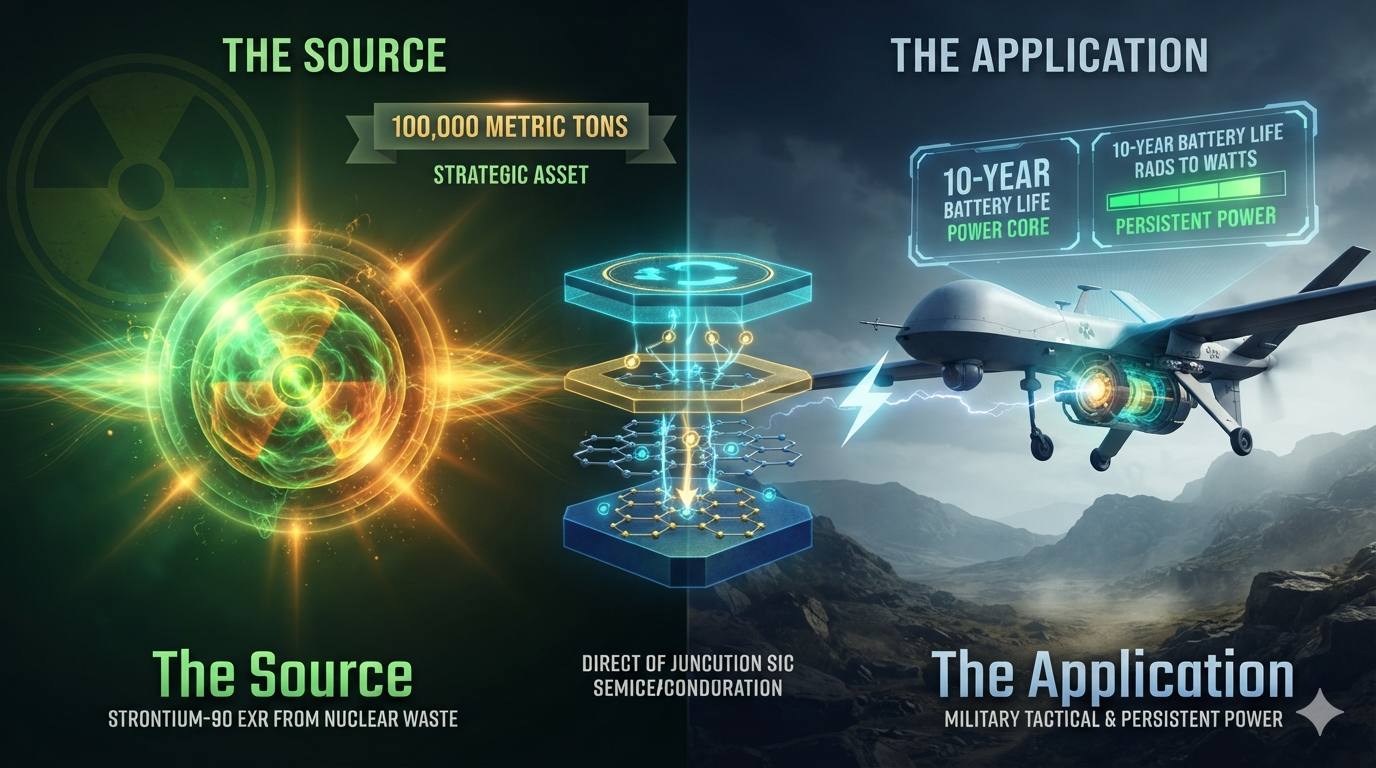
Rads to Watts: DARPA’s Nuclear Battery Revolution and the Future of Persistent Power
Strategic Context: The Emerging Battle for Persistent Power Energy has quietly become one of the defining constraints of twenty-first century military operations. Modern battlefields increasingly depend upon autonomous drones, unattended ground sensors, artificial intelligence processors, electronic warfare systems, underwater surveillance networks, hypersonic defense architectures and proliferating satellite constellations that all require continuous electrical power. Yet…
-
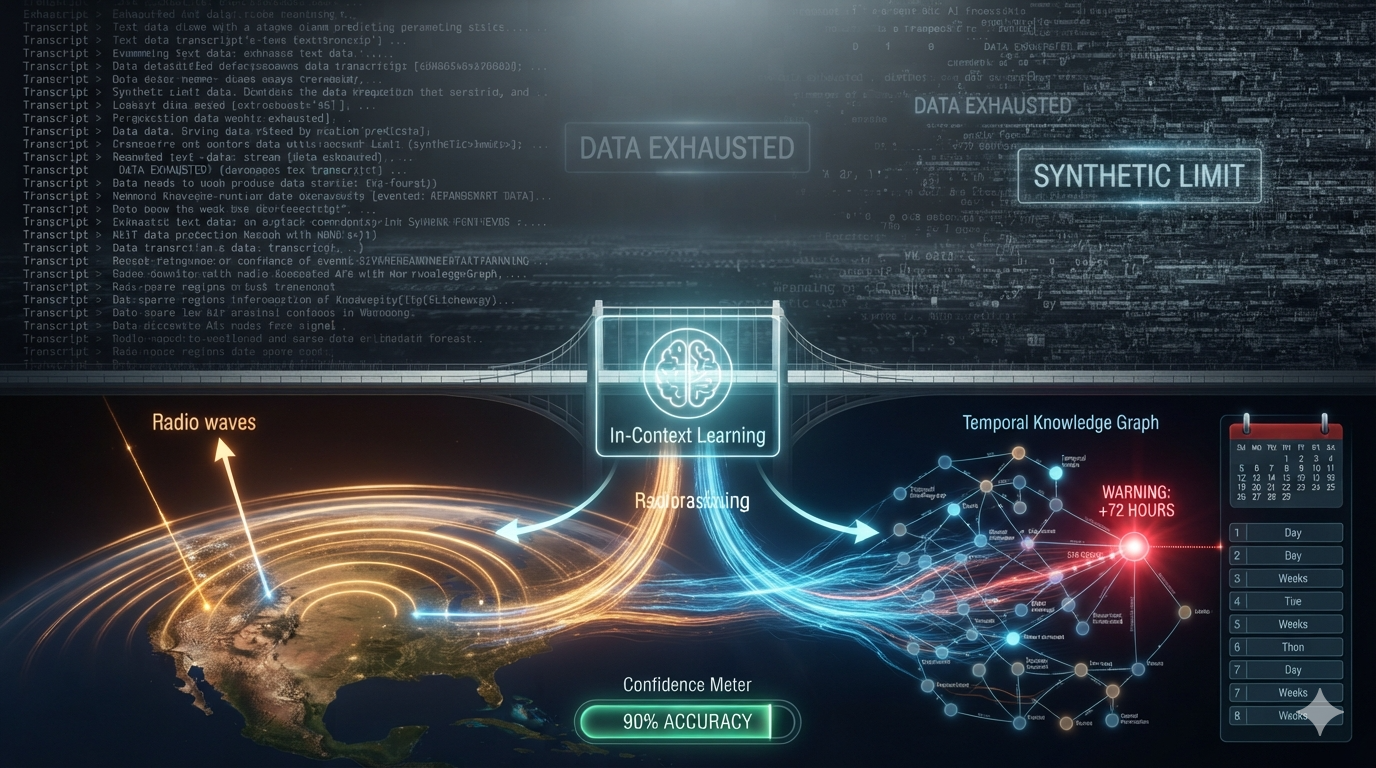
Beyond Open-Source Intelligence: How DARPA’s Novel Signals Initiative Could Transform AI-Powered Geopolitical Forecasting
Strategic Context: The Race for Predictive Intelligence Beyond the Data Wall For over a decade, artificial intelligence has transformed intelligence analysis by extracting patterns from vast repositories of news articles, satellite imagery, government reports, financial transactions, and social media. These advances have dramatically improved the speed of information processing, yet they have exposed a fundamental…
-
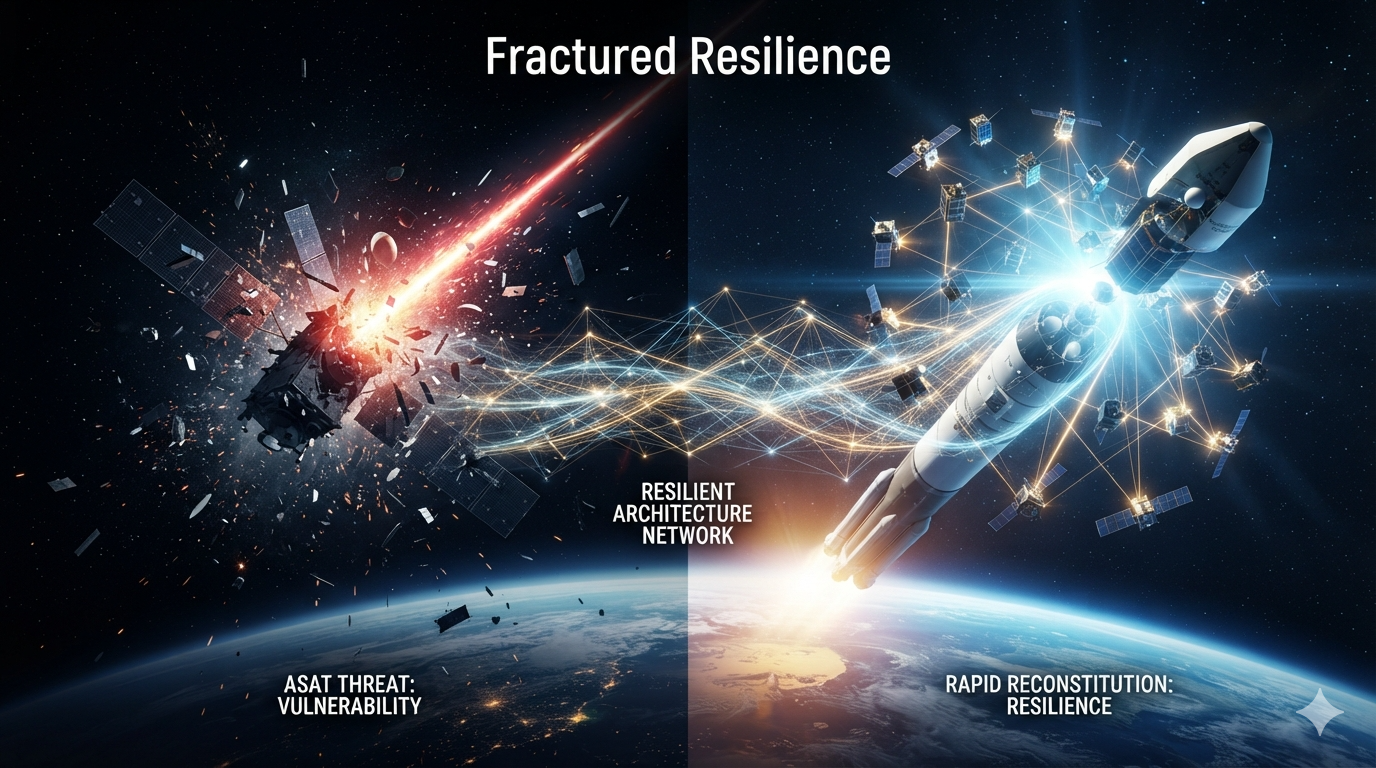
Resilient Space Power: DARPA’s Rapid Reconstitution Strategy and the Future of Military Space Operations
Introduction: From Space Superiority to Space Resilience For decades, military space strategy was built around a relatively simple assumption: protect a limited number of highly capable satellites that provided global communications, intelligence, missile warning, positioning, navigation, timing (PNT), and strategic command and control. These exquisite systems represented enormous technological achievements but also created a dangerous…
-
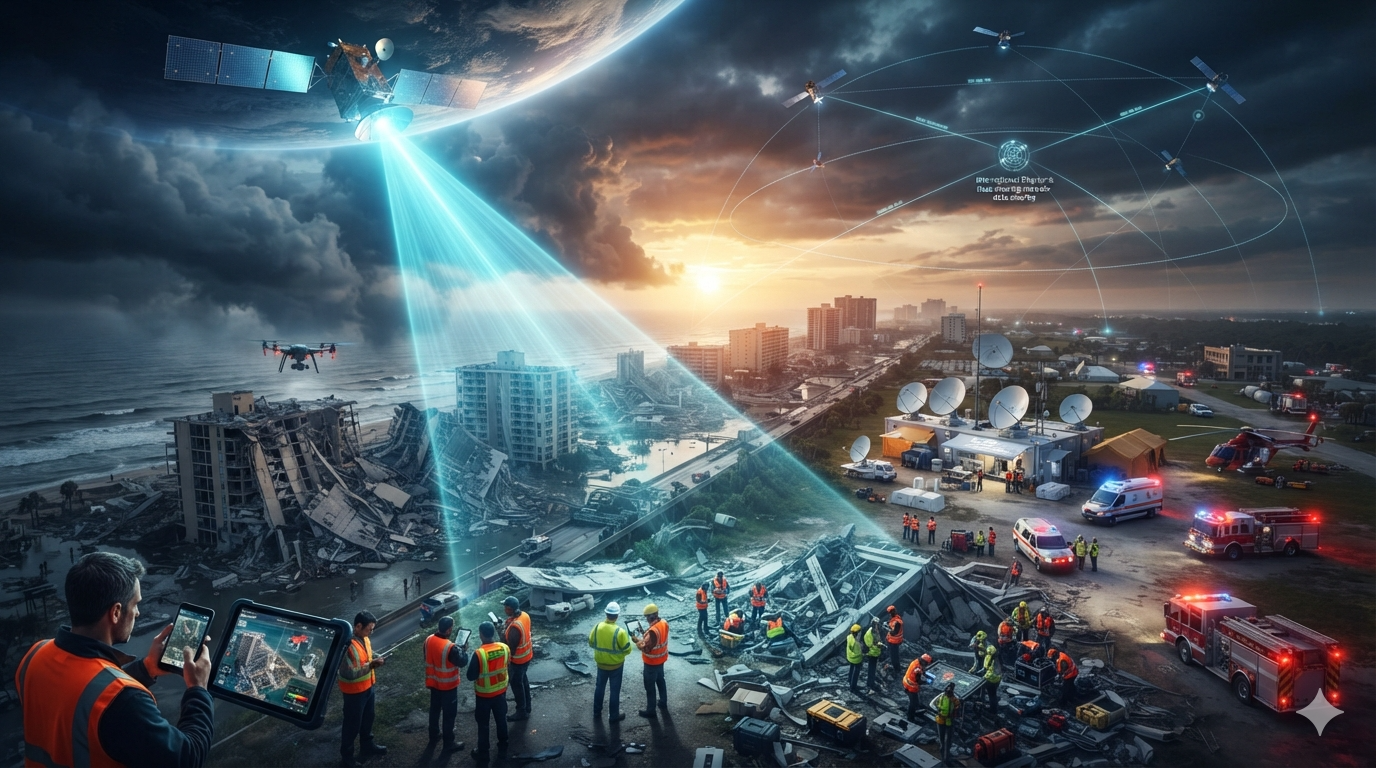
Connecting When It Matters Most: How Emergency Satellite Services Are Transforming Disaster Relief and National Resilience
Introduction: From Emergency Communications to National Resilience The character of disasters is changing. Climate-driven extreme weather, mega-fires, floods, earthquakes, volcanic eruptions, and increasingly sophisticated cyberattacks are placing unprecedented pressure on critical infrastructure worldwide. At the same time, geopolitical competition and hybrid warfare have exposed the vulnerability of terrestrial communication networks that modern societies depend upon.…
-
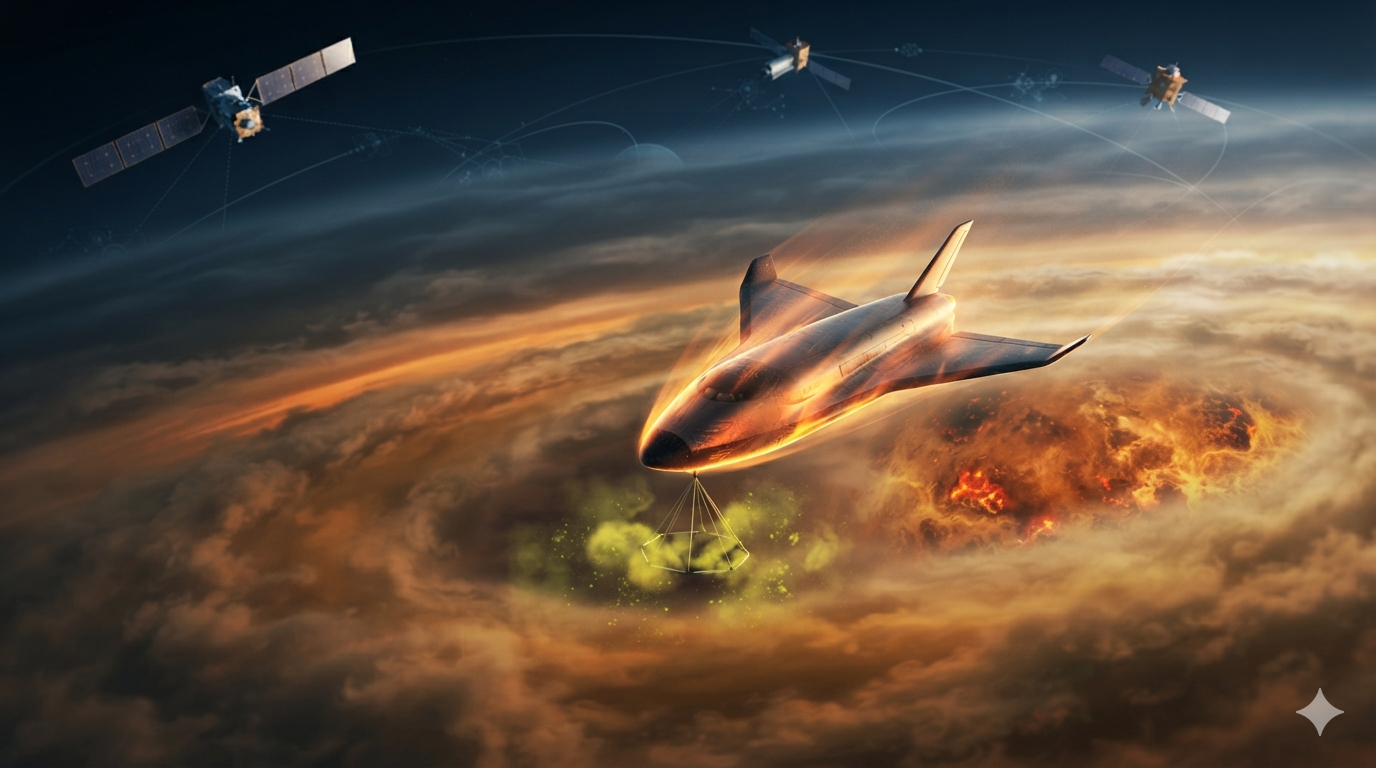
Venus Unveiled: The New Space Race to Earth’s Sister Planet and the Quest to Understand Planetary Evolution
Strategic Context After decades in the shadow of Mars exploration, Venus has re-emerged as one of the most strategically important destinations in planetary science. The renewed global interest is no longer driven solely by scientific curiosity about Earth’s enigmatic twin. Instead, Venus has become the focal point of an increasingly competitive international race to demonstrate…
-
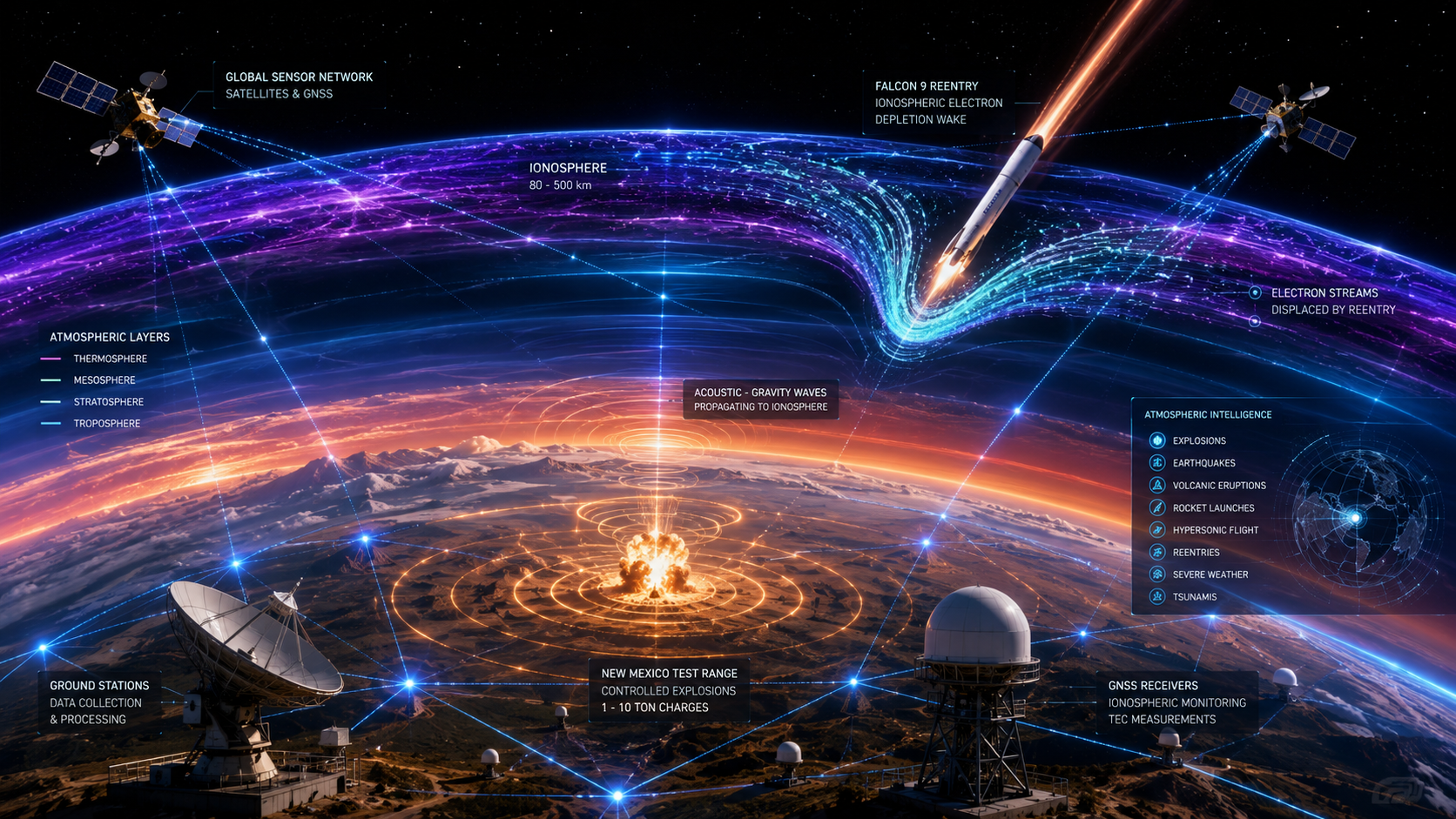
The Sky is the Sensor: How DARPA’s AtmoSense is Transforming the Atmosphere into a Global Intelligence and Surveillance Network
Introduction: The Emergence of Atmospheric Intelligence Modern warfare and strategic competition are increasingly defined by the ability to detect, identify, and understand events occurring anywhere on Earth in near real time. For decades, militaries have relied on satellites, radars, seismic stations, acoustic arrays, and airborne intelligence platforms to build situational awareness. Yet these conventional sensors…
-
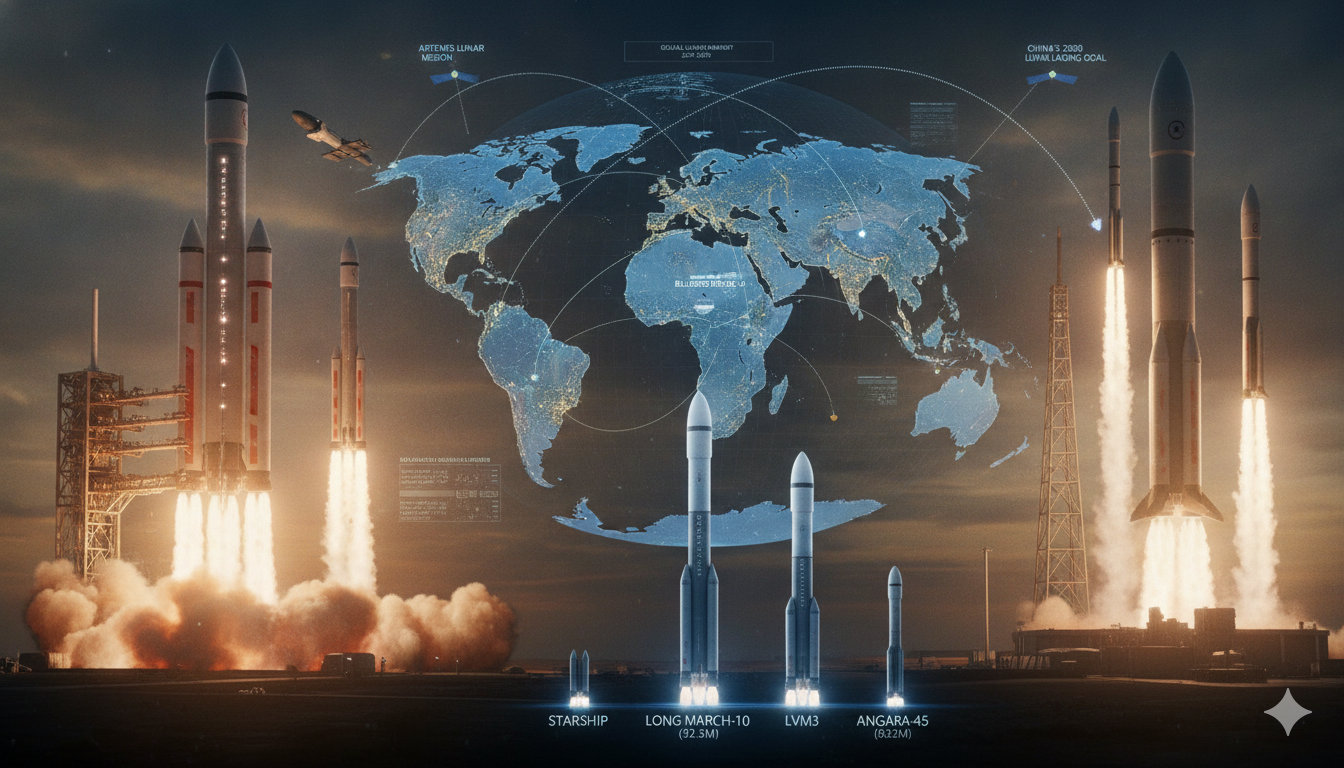
The Heavy-Lift Rocket Race: Strategic Competition, Reusable Launch Systems, and the Future of Global Space Access
Heavy-Lift Rockets Become Strategic National Infrastructure Heavy-lift launch vehicles have become one of the defining strategic technologies of the twenty-first century. Once viewed primarily as enablers of scientific exploration and satellite deployment, they are now indispensable instruments of national security, economic competitiveness, technological leadership, and geopolitical influence. The rapid militarization of space, resurgence of lunar…
Related Domains & Cross-Cutting Themes
Space does not operate in isolation. Coverage within this magazine frequently intersects with cyber operations, missile systems, advanced aerospace platforms, and emerging technologies. Readers interested in deeper technical, industrial, or geopolitical dimensions are encouraged to explore related magazines across the IDST intelligence network.