
Modern security is defined by persistence, coordination, and anticipation. This sub-magazine focuses on how threats are identified, mitigated, and managed across institutions, infrastructures, and societies.
Intelligence Briefings
Threat assessment, counter-terrorism, infrastructure protection, security architectures, and risk mitigation.
Why This Magazine Exists
Security failures rarely result from a lack of information—they result from poor integration and response. This sub-magazine exists to examine how security systems are designed, governed, and stress-tested in real conditions
What We Track
- Threat assessment frameworks
- Counter-terrorism and internal security
- Infrastructure and supply-chain protection
- Crisis response and coordination
- Risk governance and resilience planning
Latest Analysis & Intelligence
-
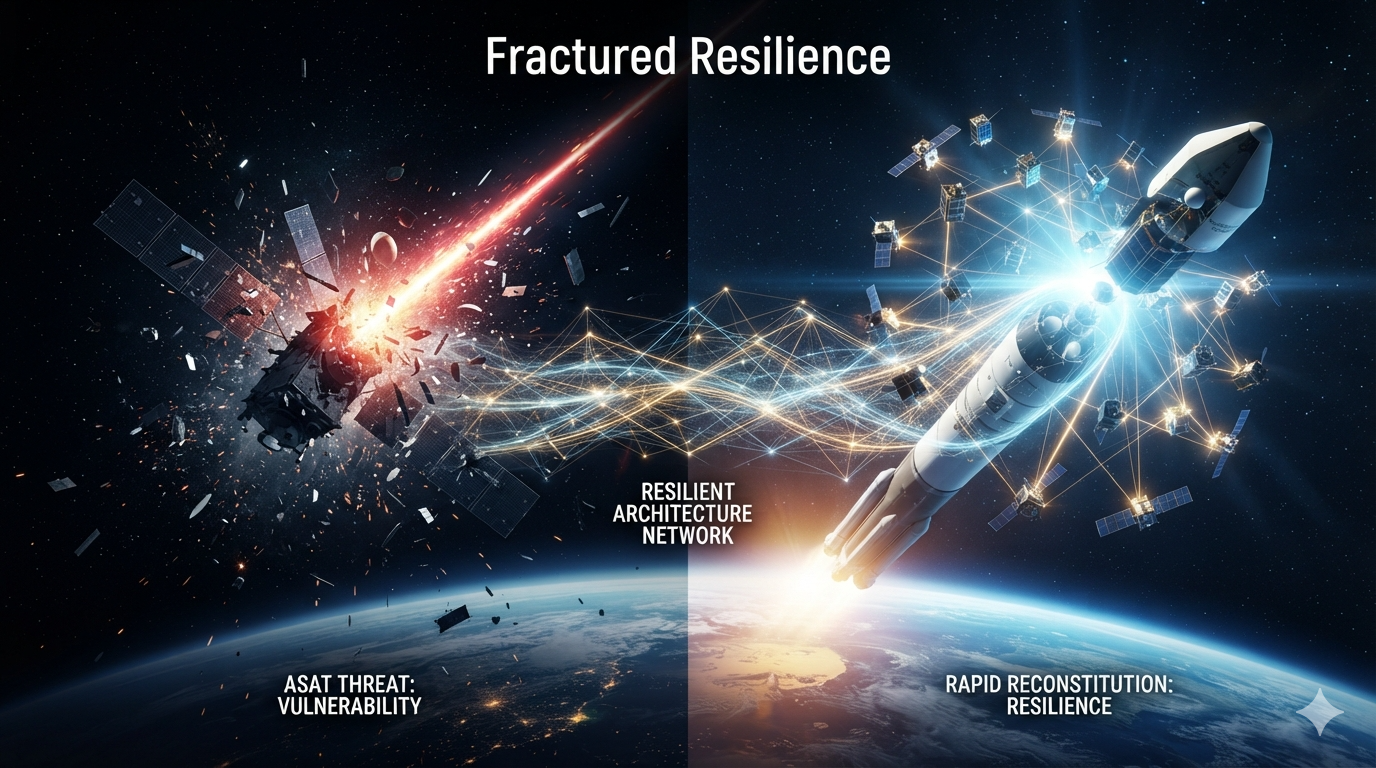
Resilient Space Power: DARPA’s Rapid Reconstitution Strategy and the Future of Military Space Operations
Introduction: From Space Superiority to Space Resilience For decades, military space strategy was built around a relatively simple assumption: protect a limited number of highly capable satellites that provided global communications, intelligence, missile warning, positioning, navigation, timing (PNT), and strategic command and control. These exquisite systems represented enormous technological achievements but also created a dangerous…
-
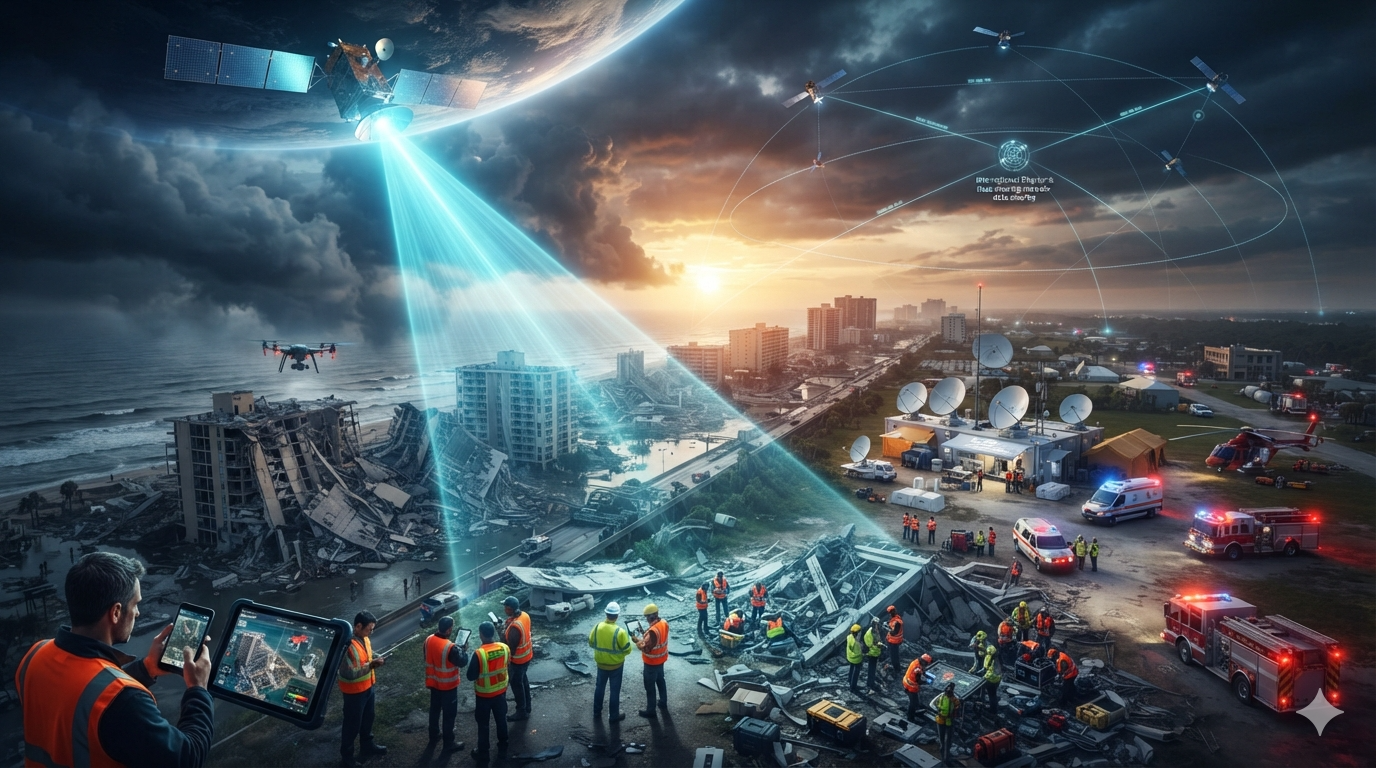
Connecting When It Matters Most: How Emergency Satellite Services Are Transforming Disaster Relief and National Resilience
Introduction: From Emergency Communications to National Resilience The character of disasters is changing. Climate-driven extreme weather, mega-fires, floods, earthquakes, volcanic eruptions, and increasingly sophisticated cyberattacks are placing unprecedented pressure on critical infrastructure worldwide. At the same time, geopolitical competition and hybrid warfare have exposed the vulnerability of terrestrial communication networks that modern societies depend upon.…
-

Building the Next Internet with Light: How IOWN is Transforming AI, Defense, and Sustainable Digital Infrastructure
Introduction: Strategic Context Artificial intelligence, hyperscale cloud computing, autonomous systems, and the explosion of data-intensive applications are fundamentally reshaping the world’s digital infrastructure. Every AI model trained, every autonomous vehicle deployed, every satellite constellation launched, and every digital twin constructed depends on communications networks capable of transporting enormous quantities of data with extremely low latency…
-
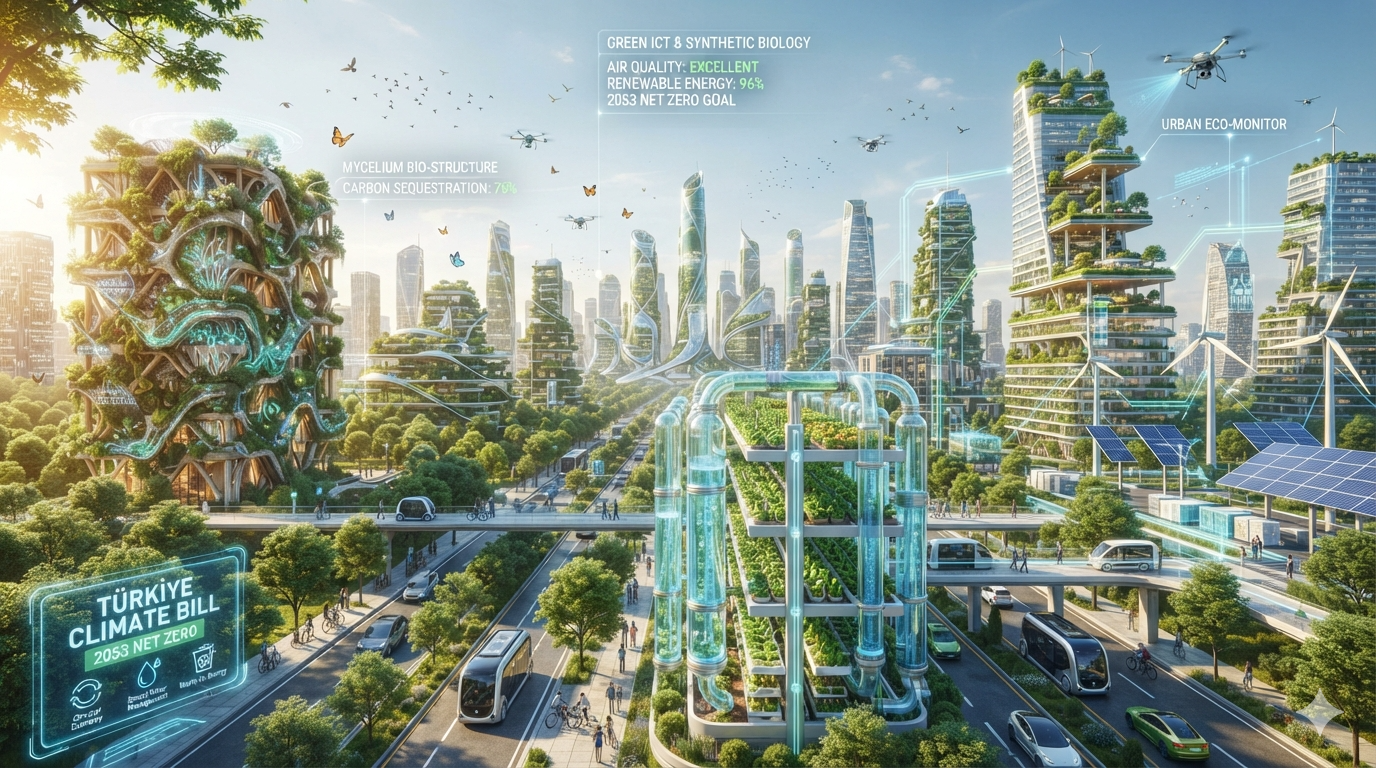
Future Climate-Smart and Sustainable Cities: How Green ICT, AI, Synthetic Biology, and Emerging Technologies Are Transforming Urban Resilience
Introduction: Strategic Context Cities are rapidly evolving from centers of economic activity into the strategic infrastructure upon which national prosperity, resilience, and security increasingly depend. Home to more than half of the world’s population and generating over 80% of global GDP, urban centers now face converging pressures from climate change, rapid urbanization, aging populations, resource…
-
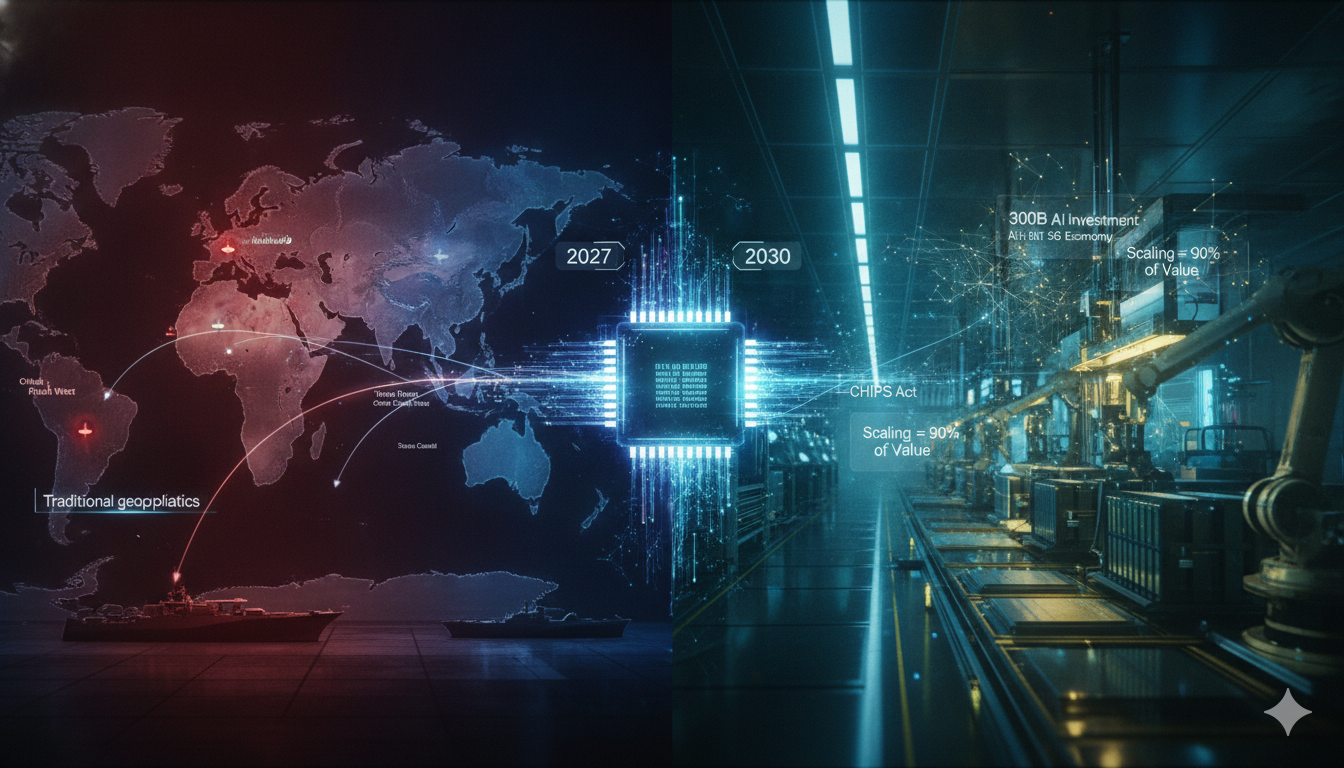
The New Geopolitics: How Technology, Industry, and Strategic Competition Are Reshaping Global Power
Introduction – The New Age of Techno-Geopolitics “Technology development will be the motor for economic growth in the long run.” — Nobel Prize Committee, 1987 The global balance of power is being redefined by a profound convergence of geopolitics, technological innovation, industrial capability, and economic security. For much of the twentieth century, geopolitical influence was…
-

The End of Supercomputers? How AI is Revolutionizing Weather Forecasting
Introduction: The Strategic Transformation of Weather Intelligence For more than half a century, weather forecasting has represented one of humanity’s most demanding computational challenges. National meteorological agencies have relied upon some of the world’s largest supercomputers to process vast streams of satellite observations, weather station measurements, radar feeds, ocean data, and atmospheric sensing information before…
-
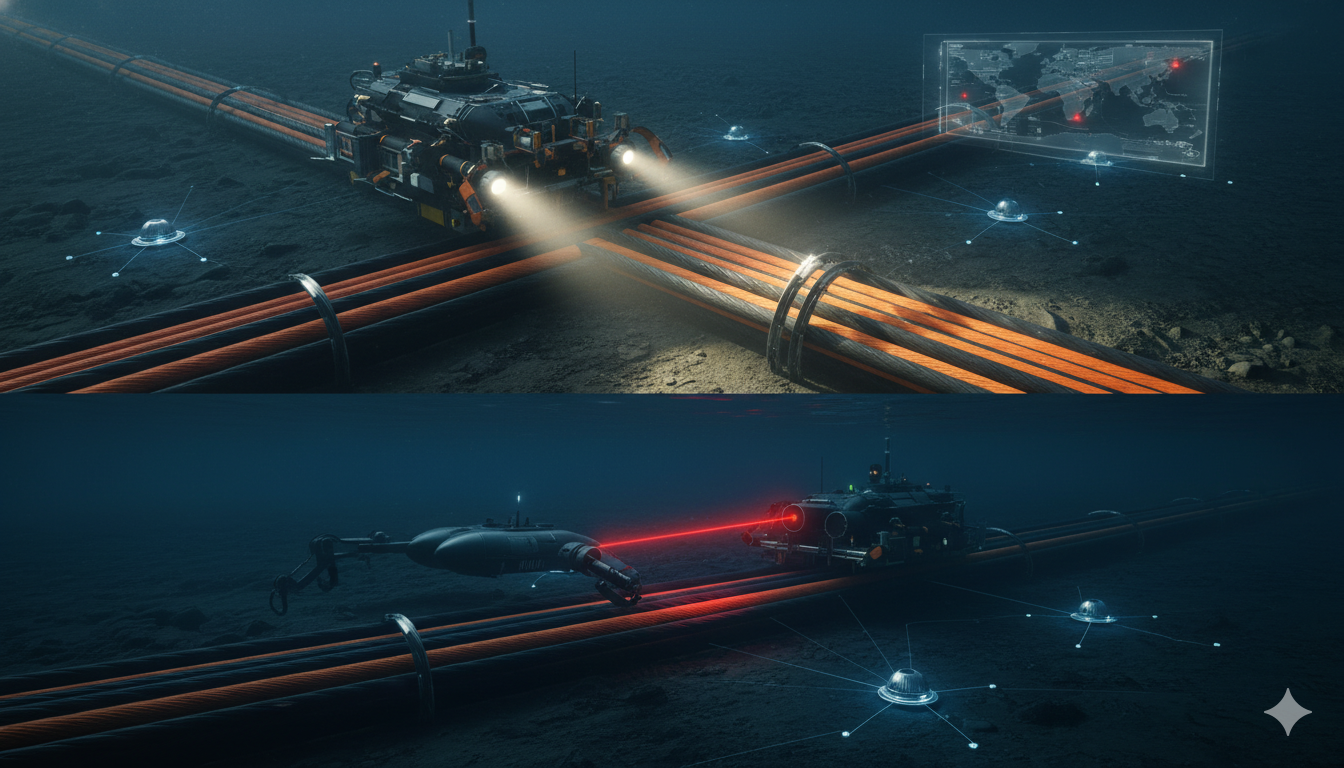
Securing the Lifelines: Addressing Emerging Threats to Underwater Communication and Power Cables
Global Critical Infrastructure in an Era of Strategic Competition The twenty-first century economy is often described as operating “in the cloud,” creating the impression that digital information travels through an invisible and decentralized cyberspace. In reality, the global information economy rests upon one of the world’s largest and least visible pieces of physical infrastructure. More…