
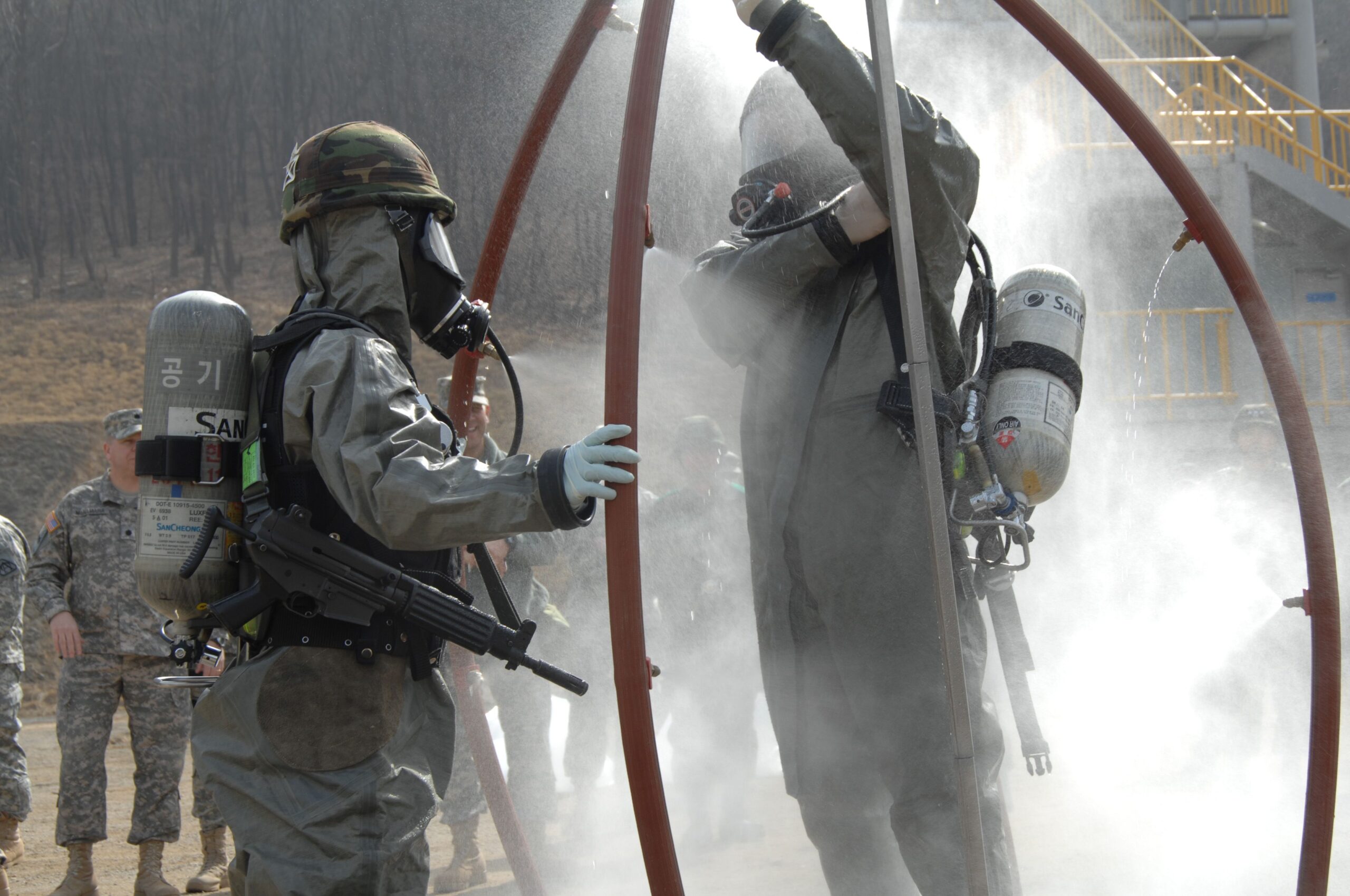

According to the University of Maryland’s Global Terrorism Database, there were a total of 143 attacks – 35 biological, 95 chemical, and 13 radiological – using CBRN weapons across the world from 1970 to 2014. The relative ease with which malicious actors could obtain many of the materials and know-how and wide range of dissemination techniques makes them appealing to extremist groups. Biological weapons achieve their intended effects by infecting people with disease-causing microorganisms and other replicative entities, including viruses, infectious nucleic acids and prions. The chief characteristic of biological agents is their ability to multiply in a host over time.
IDST Pro Access Required
This analysis is part of IDST premium intelligence.
Subscribe to Continue ReadingAlready a member? Log in