

Introduction
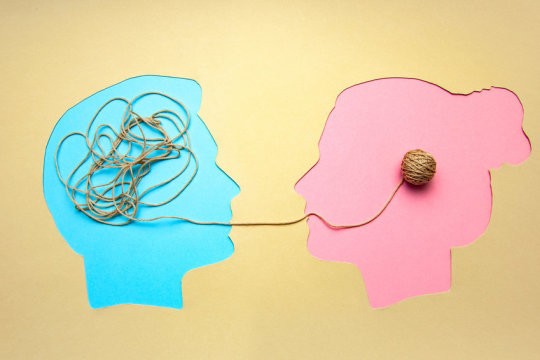
Communication is a fundamental aspect of human interaction, enabling us to share thoughts, emotions, and ideas. Unfortunately, some individuals are unable to express themselves through traditional means due to conditions like paralysis or locked-in syndrome.
For individuals with conditions like spinal cord injuries, locked-in syndrome, or ALS, the loss of the ability to speak can be a devastating blow. While existing assistive technologies have offered some means of communication, they often fall short of providing a natural and intuitive way for these individuals to express themselves. However, the intersection of neuroscience, engineering, and machine learning has given rise to promising technologies such as Brain-Computer Interfaces (BCIs) and Artificial Intelligence (AI), which hold the potential to decode brainwave patterns into speech.
IDST Pro Access Required
This analysis is part of IDST premium intelligence.
Subscribe to Continue ReadingAlready a member? Log in