
Quantum science is unlocking fundamentally new ways to sense, compute, communicate, and measure the physical world by exploiting the principles of quantum mechanics. Advances in quantum computing, quantum communications, quantum sensing, quantum materials, and quantum networking have the potential to transform fields ranging from cybersecurity and artificial intelligence to defense, navigation, healthcare, and advanced manufacturing. While many technologies remain at varying stages of maturity, quantum systems are increasingly viewed as strategic assets capable of delivering significant scientific, economic, and military advantages.
IDST Intelligence Briefings
Quantum sensing, quantum communication, cryptography, and early quantum computing systems.
Why This Magazine Exists
Quantum technologies remain surrounded by both extraordinary promise and considerable uncertainty. This sub-magazine examines the science, engineering, industrial progress, and strategic implications of quantum technologies, separating realistic capabilities from hype while tracking the breakthroughs, investments, and geopolitical competition shaping the emerging quantum era.
What We Track
- Quantum sensing and navigation
- Secure quantum communications
- Quantum computing milestones
- National programs and investments
- Strategic and cryptographic implications
Latest Analysis & Intelligence
-
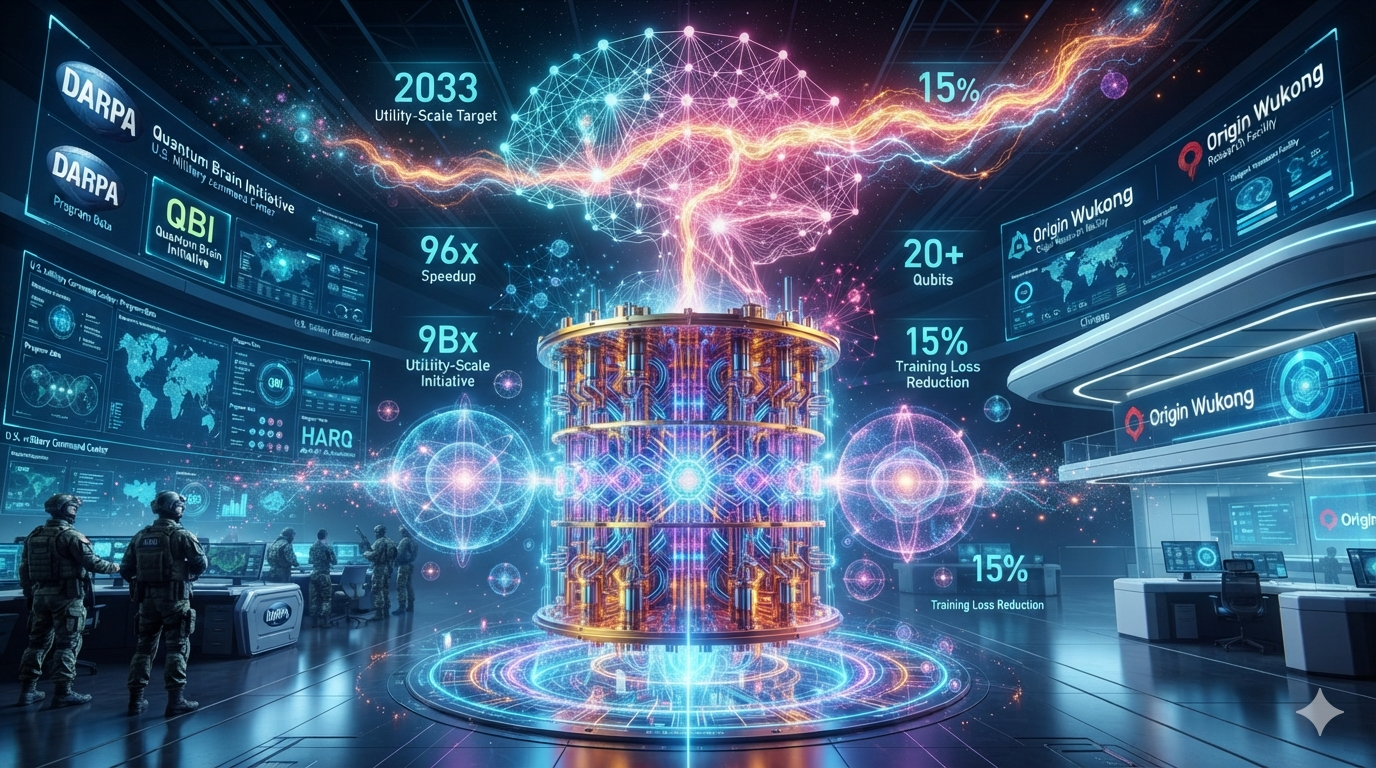
Quantum-Powered AI (QPAI): How the Convergence of Quantum Computing and Artificial Intelligence Is Reshaping Global Technology Competition
Introduction: Strategic Context Artificial intelligence has become the defining technology of the digital age, driving breakthroughs across defense, healthcare, finance, manufacturing, and scientific research. At the same time, quantum computing has emerged as the next frontier in computational science, promising to solve problems that remain beyond the reach of even the world’s fastest supercomputers. The…
-
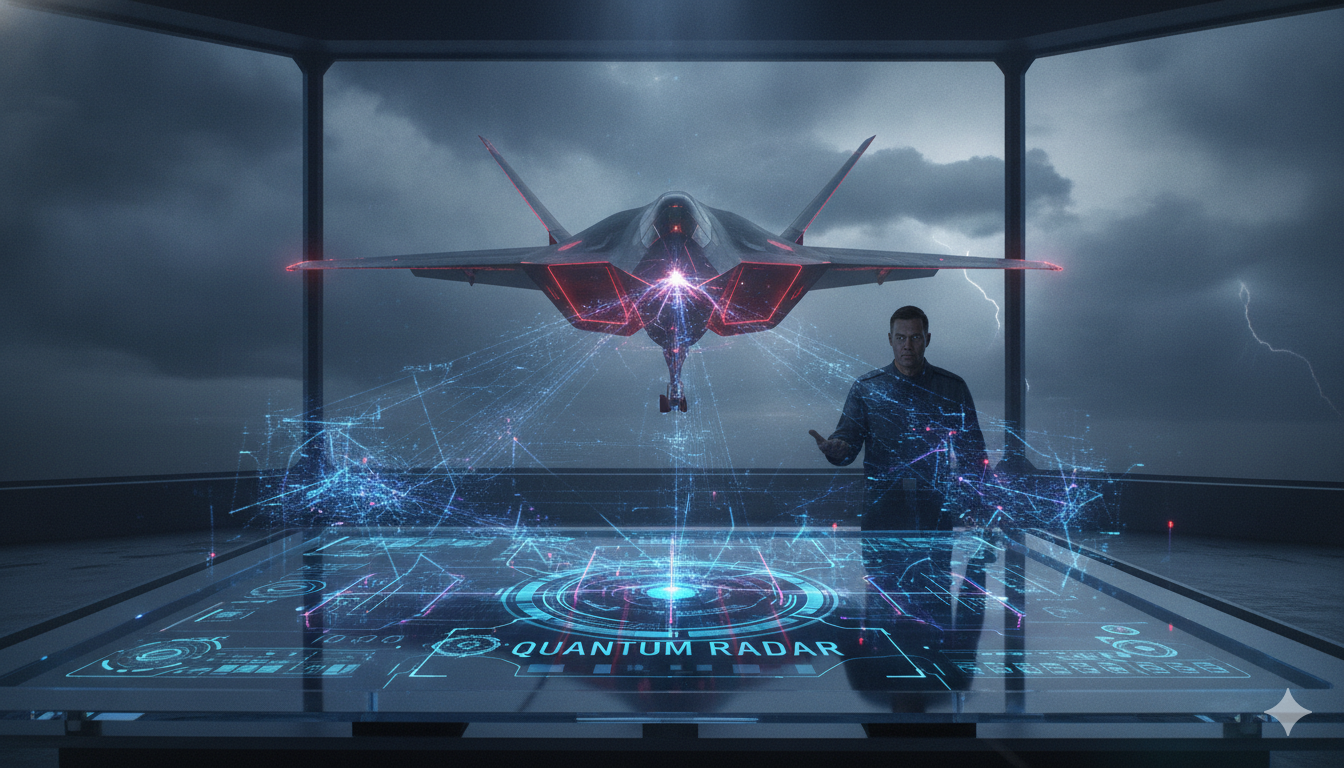
The Quantum Microwave Revolution: Building the Quantum Internet and Transforming Future Defense Systems
The Emergence of Quantum Microwave Technologies as a Strategic Domain The global quantum technology race has entered a new phase. During the first generation of quantum development, governments and industry focused primarily on demonstrating quantum computers with increasing numbers of qubits. Between 2024 and 2026, however, attention shifted toward a more fundamental challenge: connecting quantum…
-
Quantum Machine Learning: The Race to Build Quantum Intelligence
Introduction: Why Quantum Machine Learning Matters Now Artificial intelligence has become the defining technology competition of the twenty-first century, transforming industries, economies, and military capabilities. Yet as AI models continue to grow in scale and complexity, classical computing infrastructure is encountering mounting constraints. Training frontier AI systems increasingly requires vast computational resources, enormous energy consumption,…
-
Quantum Biology: How Nature’s Quantum Mechanisms Are Shaping the Future of Medicine, Computing, Sensing, and Defense
Introduction: From Scientific Curiosity to Strategic Technology For decades, quantum mechanics and biology were considered fundamentally separate scientific domains. Quantum phenomena such as superposition, coherence, tunneling, and entanglement were thought to exist only in highly controlled environments at extremely low temperatures, while biological systems were viewed as warm, noisy, and incompatible with delicate quantum effects.…
-
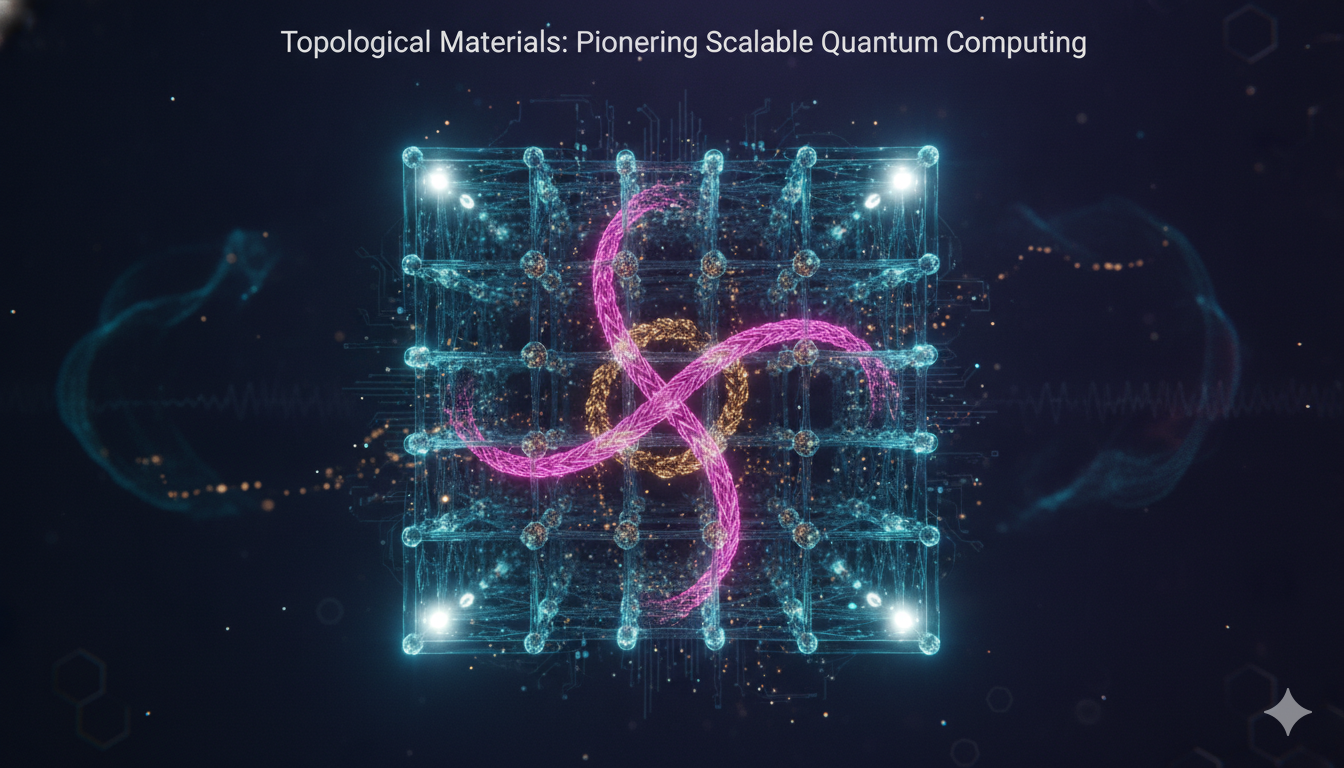
Topological Quantum Computing: Engineering Noise-Resilient Quantum Information for Utility-Scale Quantum Systems
Introduction: Why Topological Quantum Computing Matters Now The global race to build practical quantum computers has entered a new phase. While recent years have focused on increasing qubit counts, researchers are increasingly recognizing that scalability alone cannot deliver useful quantum computing. The central challenge remains reliability. Quantum information is extraordinarily fragile, with environmental noise, thermal…
-
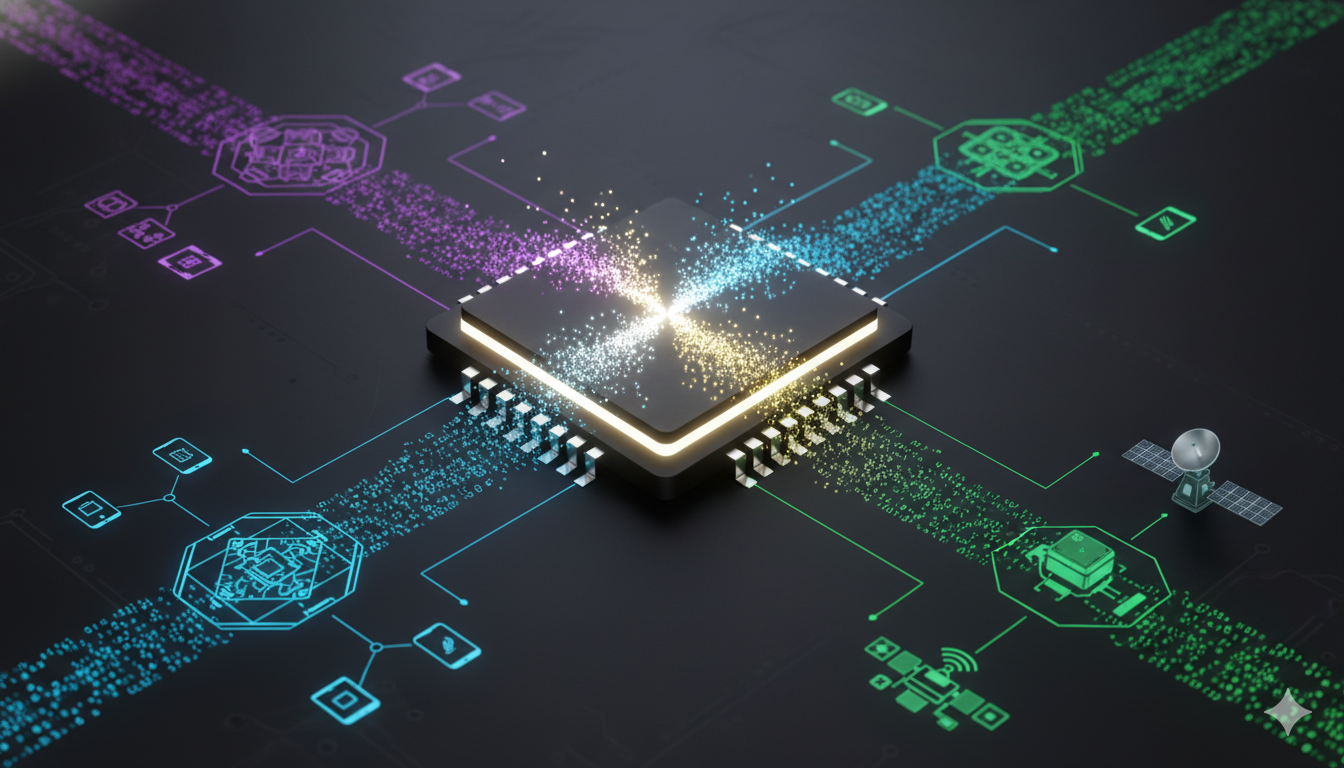
Quantum Random Number Generators (QRNGs): The Foundation of Post-Quantum Cybersecurity and Digital Trust
Introduction: Why Quantum Randomness Matters Now The global cybersecurity landscape is undergoing its most significant transformation since the advent of public-key cryptography. The rapid progress of quantum computing, combined with the growing threat of “harvest now, decrypt later” (HNDL) attacks, is forcing governments, military organizations, financial institutions, and technology companies to reassess the foundations of…
-
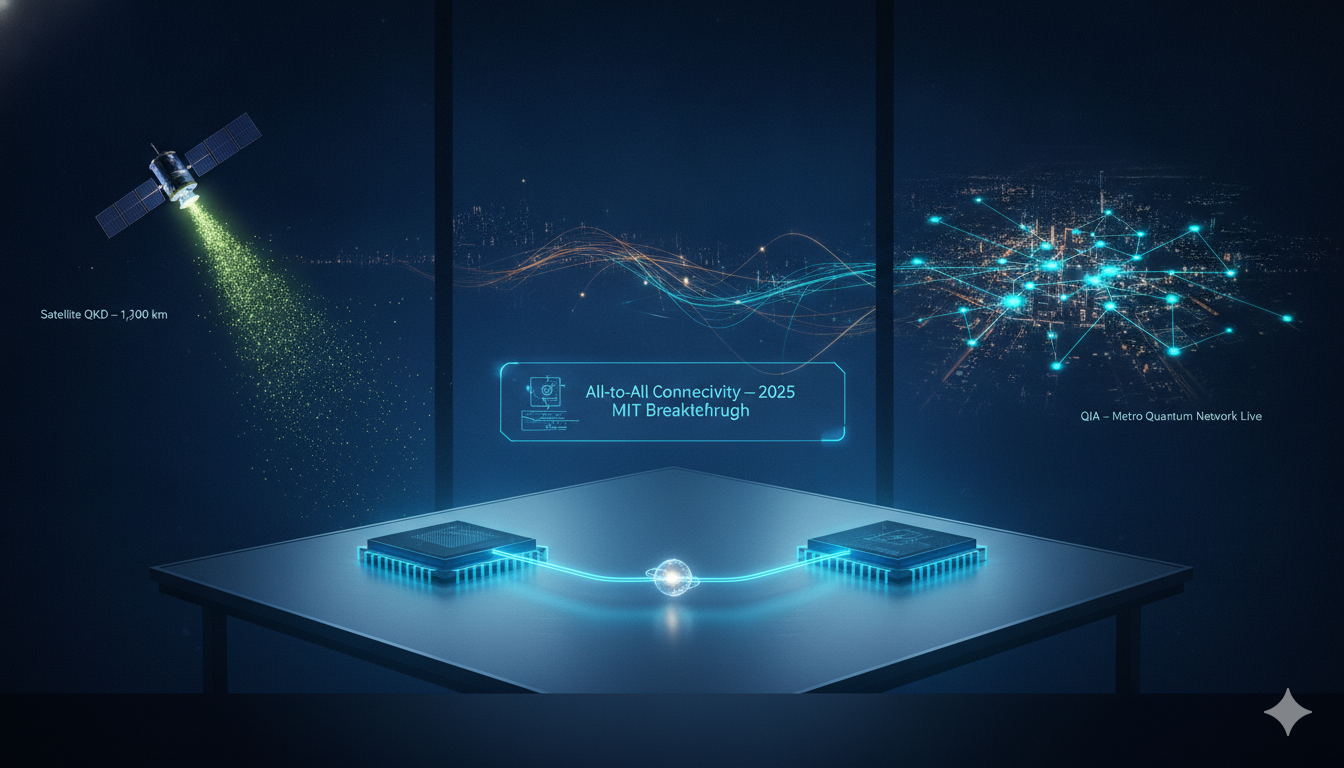
The Quantum Internet: Connecting Quantum Computers and Sensors for a New Era of Communication
Introduction: The Quantum Internet Becomes a Geopolitical Race The modern internet transformed civilization by allowing information to move instantly across the globe. Every financial transaction, military command, scientific collaboration, and social interaction depends upon networks that transmit classical bits represented as zeros and ones. For decades, advances in networking primarily focused on increasing bandwidth, reducing…
Related Domains & Cross-Cutting Themes
Cyber security, navigation systems, space infrastructure, and long-term technological competition.
Ethics, governance, and technology control
Industrial scaling and supply-chain constraints
Human–machine teaming and trust
Interoperability across platforms and institutions
Export controls and technological rivalry
Explore the Critical & Emerging Technologies Magazine →
Explore the Industry, Markets & Supply Chains Magazine →
Explore the Space Technology, Defense & Exploration Magazine →