
Energy is the foundation of military power, industrial productivity, and technological capability. Propulsion and thermal management systems determine how platforms move, how efficiently they operate, how far they can project power, and how long they can sustain missions. From advanced engines and electric propulsion to next-generation batteries, nuclear power, hypersonic propulsion, and thermal control technologies, these systems directly shape mobility, endurance, survivability, and operational reach across land, sea, air, space, and emerging domains.
IDST Intelligence Briefings
Engines, power generation, batteries, fuel systems, thermal management, and alternative energy solutions.
Why This Magazine Exists
Breakthroughs in energy generation, storage, propulsion, and thermal engineering are transforming both military and commercial systems. This sub-magazine analyzes the technologies, industrial developments, and strategic trends shaping future mobility and power architectures—from sustainable energy solutions and advanced propulsion concepts to the thermal challenges of AI, space systems, directed-energy weapons, and high-performance platforms. It examines how nations and industries are pursuing greater efficiency, resilience, and energy independence in an increasingly contested and resource-constrained world.
What We Track
- Propulsion technologies across domains
- Energy storage and generation
- Thermal management and signature reduction
- Fuel logistics and sustainment challenges
Latest Analysis & Intelligence
-
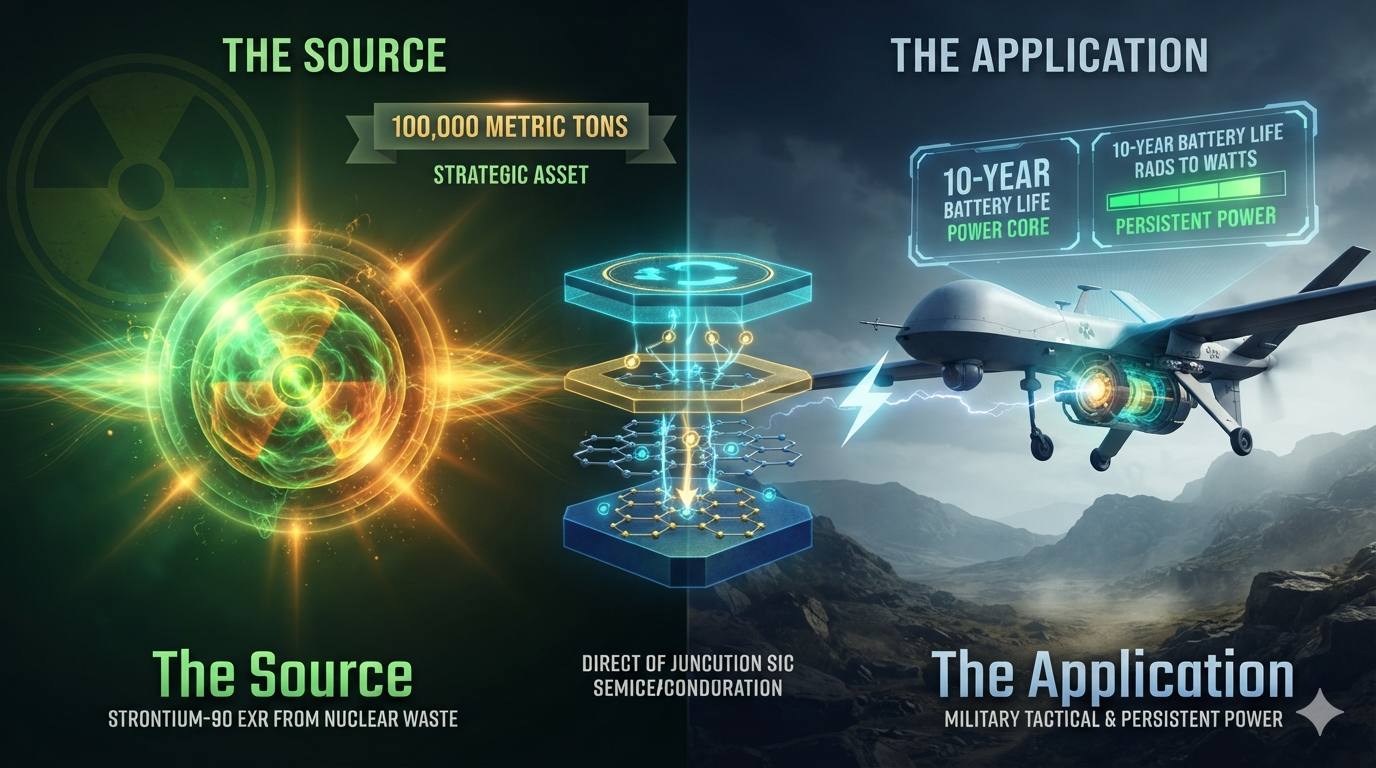
Rads to Watts: DARPA’s Nuclear Battery Revolution and the Future of Persistent Power
Strategic Context: The Emerging Battle for Persistent Power Energy has quietly become one of the defining constraints of twenty-first century military operations. Modern battlefields increasingly depend upon autonomous drones, unattended ground sensors, artificial intelligence processors, electronic warfare systems, underwater surveillance networks, hypersonic defense architectures and proliferating satellite constellations that all require continuous electrical power. Yet…
-
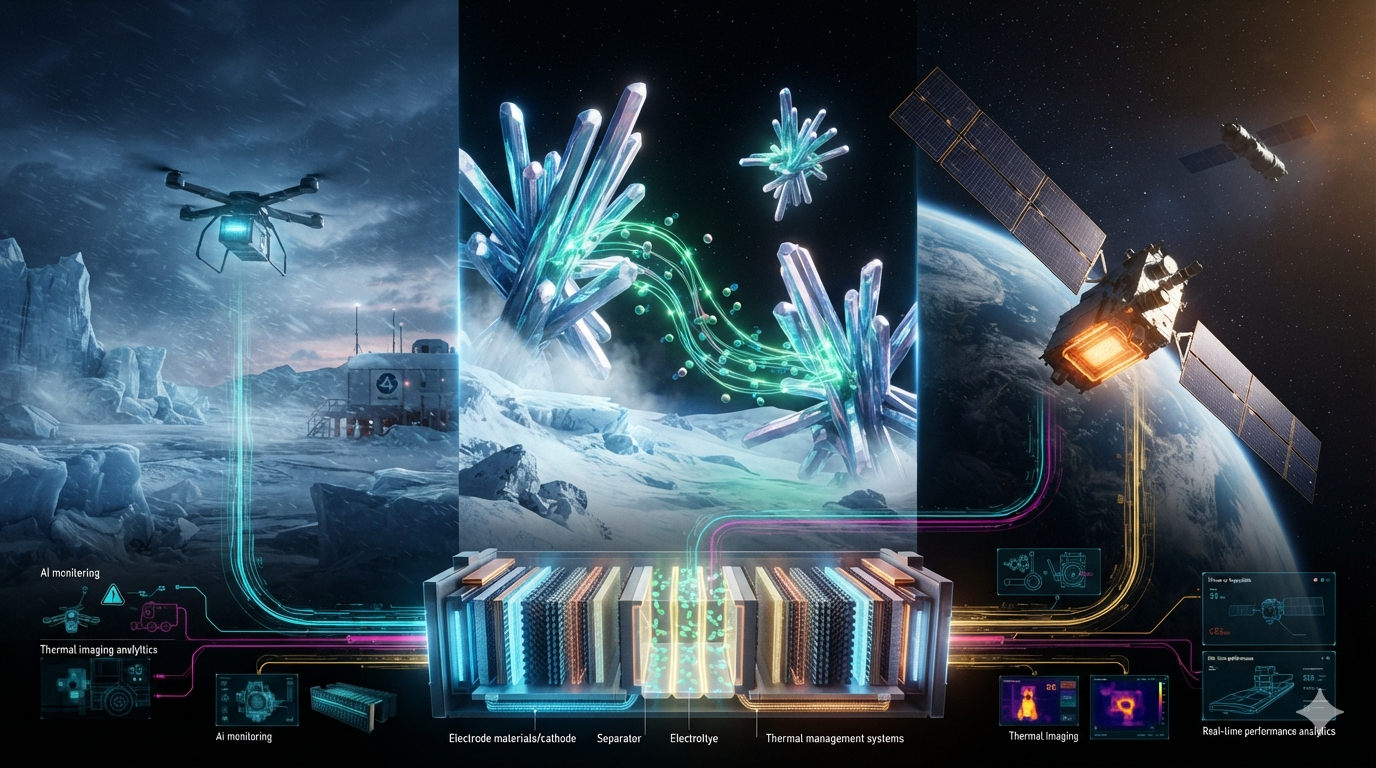
Powering the Frozen Battlespace: Extreme Battery Technologies for Arctic, Space, and Military Operations
Strategic Context The race for military and technological superiority is increasingly extending into some of the world’s most unforgiving environments. From the Arctic and Antarctic to high-altitude battlefields, deep oceans, and outer space, modern defense operations increasingly depend on reliable energy storage capable of functioning where conventional batteries rapidly fail. As geopolitical competition intensifies across…
-
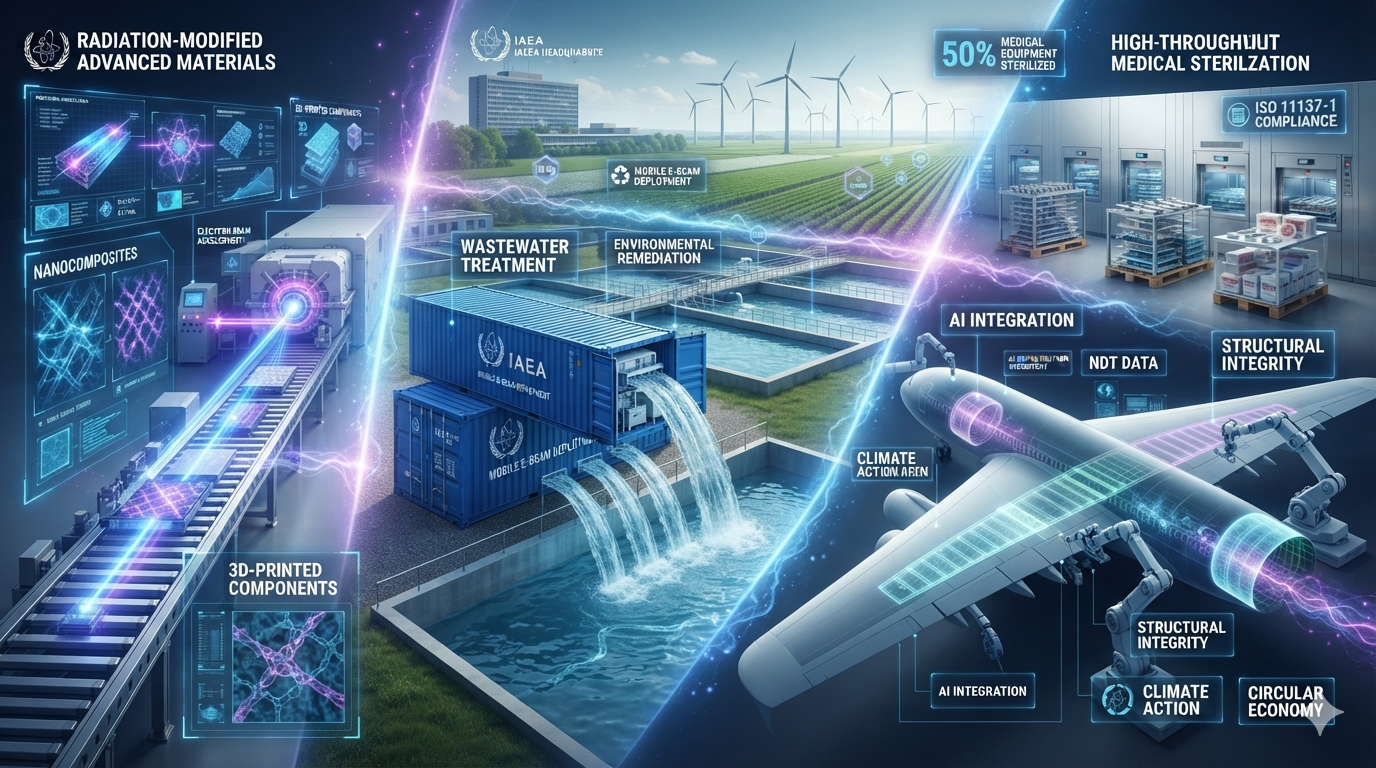
Radiation Technologies: Powering Strategic Innovation Across Healthcare, Defense, Energy, and Industry
Introduction: Strategic Context Radiation science has evolved far beyond its traditional association with nuclear energy and medical imaging. Today, radiation technologies form a foundational pillar of national security, advanced manufacturing, healthcare, clean energy, agriculture, environmental protection, and space exploration. From enabling cancer therapies and sterilizing medical equipment to inspecting critical infrastructure, hardening military electronics, supporting…
-
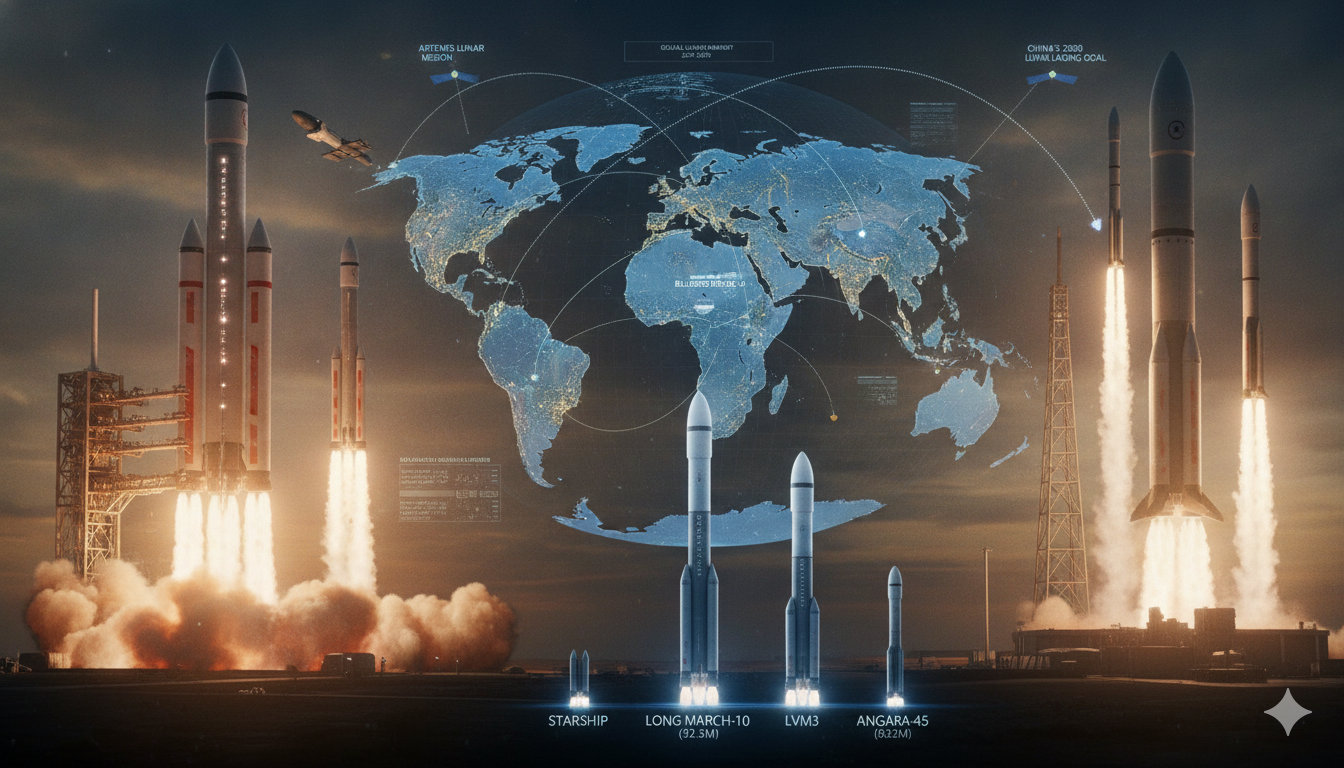
The Heavy-Lift Rocket Race: Strategic Competition, Reusable Launch Systems, and the Future of Global Space Access
Heavy-Lift Rockets Become Strategic National Infrastructure Heavy-lift launch vehicles have become one of the defining strategic technologies of the twenty-first century. Once viewed primarily as enablers of scientific exploration and satellite deployment, they are now indispensable instruments of national security, economic competitiveness, technological leadership, and geopolitical influence. The rapid militarization of space, resurgence of lunar…
-

Revolutionizing Underwater Warfare and Maritime Transportation: The MHD Drive Renaissance and DARPA’s PUMP Program
Introduction: The Return of a Long-Abandoned Propulsion Revolution The global maritime domain is entering a period of profound technological transformation. Growing geopolitical competition in the Indo-Pacific, the expansion of autonomous naval systems, increasing emphasis on undersea warfare, and the search for low-signature propulsion technologies are driving renewed interest in concepts once considered impractical. Among the…
-

Innovation Beneath the Waves: Biomimetic Propulsion Systems Transforming Naval and Underwater Operations
Introduction: Nature’s Blueprint for the Future Undersea Fleet The world’s oceans are rapidly becoming a critical arena for economic competition, scientific exploration, and military operations. From protecting undersea communication cables and offshore energy infrastructure to conducting intelligence, surveillance, reconnaissance, and anti-submarine warfare missions, nations increasingly depend on autonomous underwater vehicles (AUVs), unmanned underwater vehicles (UUVs),…
-
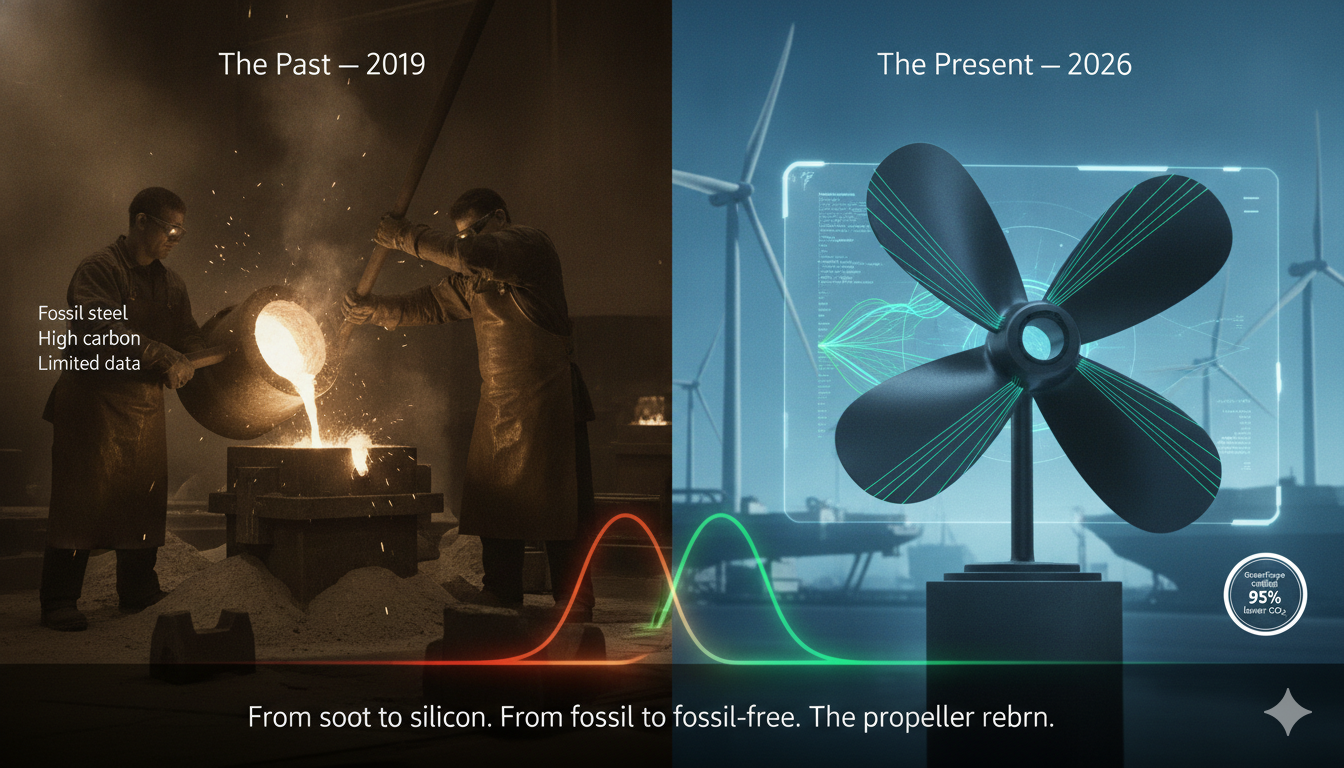
Marine Propeller Technology in 2026: Intelligent Propulsion Powering the Next Generation of Naval and Commercial Fleets
Introduction The marine propeller has long been regarded as one of the most mature technologies in naval architecture, yet the period between 2024 and 2026 has demonstrated that it remains one of the most strategically important and rapidly evolving components of maritime power. Whether propelling an aircraft carrier across the Pacific, a nuclear-powered submarine through…
Related Domains & Cross-Cutting Themes
Autonomous platforms, materials science, climate constraints, infrastructure, and survivability.
Industrial capacity and supply chains
Cyber-physical security
Climate, geography, and environmental stress
Human-machine coordination
System survivability under disruption
Explore the Critical & Emerging Technologies Magazine →
Explore the Industry, Markets & Supply Chains Magazine →
Explore the Space Technology, Defense & Exploration Magazine →