
Energy is the foundation of military power, industrial productivity, and technological capability. Propulsion and thermal management systems determine how platforms move, how efficiently they operate, how far they can project power, and how long they can sustain missions. From advanced engines and electric propulsion to next-generation batteries, nuclear power, hypersonic propulsion, and thermal control technologies, these systems directly shape mobility, endurance, survivability, and operational reach across land, sea, air, space, and emerging domains.
IDST Intelligence Briefings
Engines, power generation, batteries, fuel systems, thermal management, and alternative energy solutions.
Why This Magazine Exists
Breakthroughs in energy generation, storage, propulsion, and thermal engineering are transforming both military and commercial systems. This sub-magazine analyzes the technologies, industrial developments, and strategic trends shaping future mobility and power architectures—from sustainable energy solutions and advanced propulsion concepts to the thermal challenges of AI, space systems, directed-energy weapons, and high-performance platforms. It examines how nations and industries are pursuing greater efficiency, resilience, and energy independence in an increasingly contested and resource-constrained world.
What We Track
- Propulsion technologies across domains
- Energy storage and generation
- Thermal management and signature reduction
- Fuel logistics and sustainment challenges
Latest Analysis & Intelligence
-

DARPA’s Microsystem Electricity Generation (MEG): Turning Waste Heat into Power for the Next Generation of Military AI and Semiconductor Systemsa
Introduction: Transforming Thermal Waste into Strategic Power The exponential growth of artificial intelligence, advanced semiconductor manufacturing, and autonomous defense systems is creating an unprecedented energy challenge. Every modern processor—from AI accelerators inside hyperscale data centers to mission computers aboard fighter aircraft, satellites, autonomous drones, and missile systems—converts nearly all of its electrical power into heat.…
-

Visual Navigation to Autonomous Air Refueling: Revolutionizing Aerial Refueling for Contested Airspace
Introduction: Autonomous Refueling Becomes a Strategic Necessity Air-to-air refueling has long been one of the defining capabilities of modern air power, enabling strategic bombers, fighter aircraft, intelligence platforms, airborne early warning aircraft, and long-range unmanned systems to operate across global distances without dependence on forward operating bases. For decades, this capability has provided the United…
-
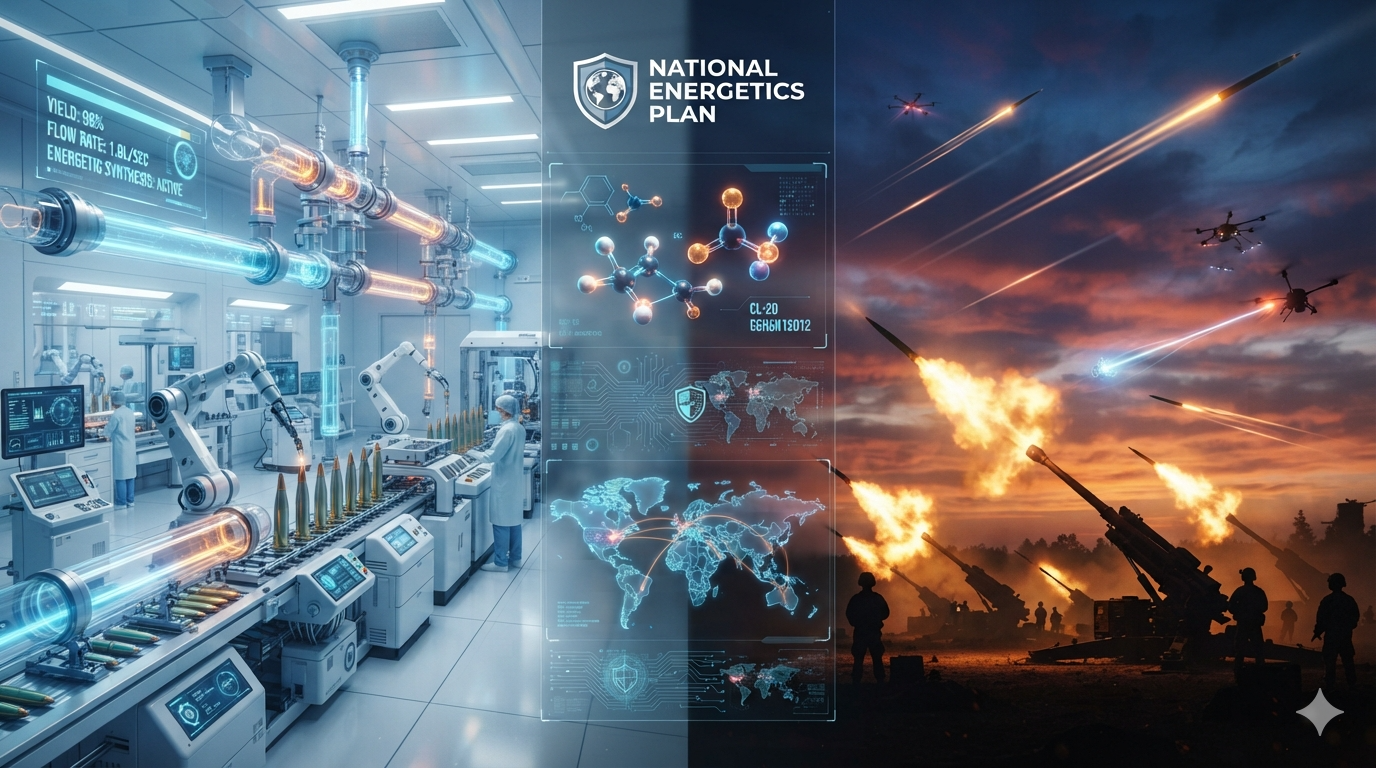
The New Energetics Revolution: How Advanced Propellants, Smart Manufacturing, and Industrial Innovation Are Reshaping Military Power
Introduction: The Strategic Importance of Energetics in Great Power Competition Behind every missile launch, artillery strike, hypersonic weapon, rocket motor, and precision-guided munition lies a critical but often overlooked technology domain—energetics. Explosives, propellants, pyrotechnics, and advanced energetic materials determine not only the range, speed, and lethality of modern weapons but also the ability of nations…
-
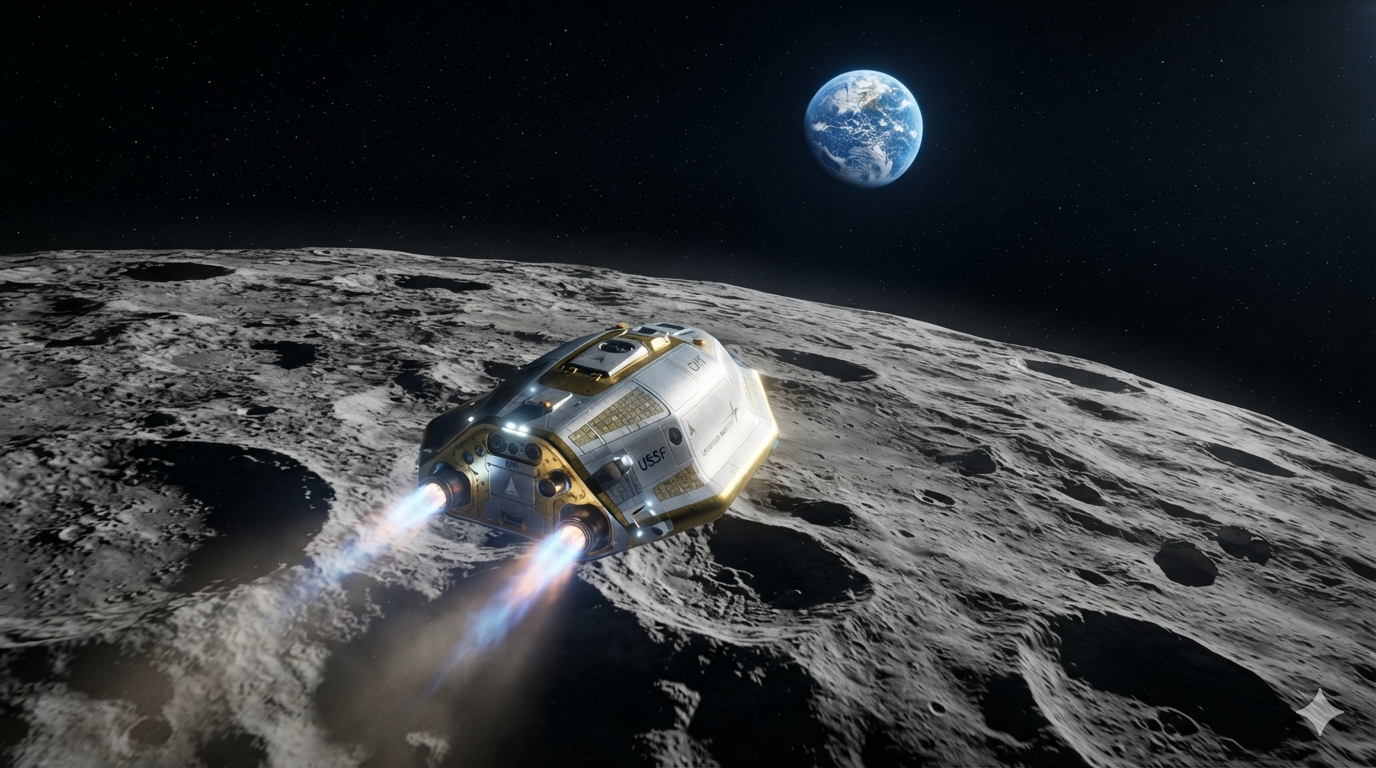
DARPA’s LASSO Program: Building the Space Force’s Cislunar Intelligence Network for the New Lunar Economy
Introduction: Cislunar Space Emerges as the Next Strategic High Ground The strategic competition that once centered on Low Earth Orbit (LEO) and Geostationary Earth Orbit (GEO) is rapidly expanding into cislunar space—the vast region extending from Earth orbit to the Moon. Driven by NASA’s Artemis program, China’s International Lunar Research Station (ILRS), commercial lunar ventures,…
-

China’s Non-Nuclear Hydrogen Bomb: How Magnesium Hydride Weapons Could Transform Future Precision Warfare
Introduction: Hydrogen Energy Meets the Future Battlefield The convergence of advanced materials science, clean-energy research, and military innovation is reshaping the future of conventional weapons. As major powers seek alternatives that deliver greater battlefield effects without crossing the nuclear threshold, high-energy chemical materials are emerging as a new class of strategic technologies. Among the most…
-

Laser Directed Energy Propulsion: Building the High-Speed Space Transportation Network for the Cislunar Economy and Interstellar Future
Strategic Context: Laser Propulsion and the New Space Transportation Revolution The next great revolution in space exploration will not be defined solely by bigger rockets or more powerful engines, but by the ability to separate propulsion from the spacecraft itself. As global space powers compete to establish permanent lunar bases, exploit cislunar resources, deploy space-based…
-
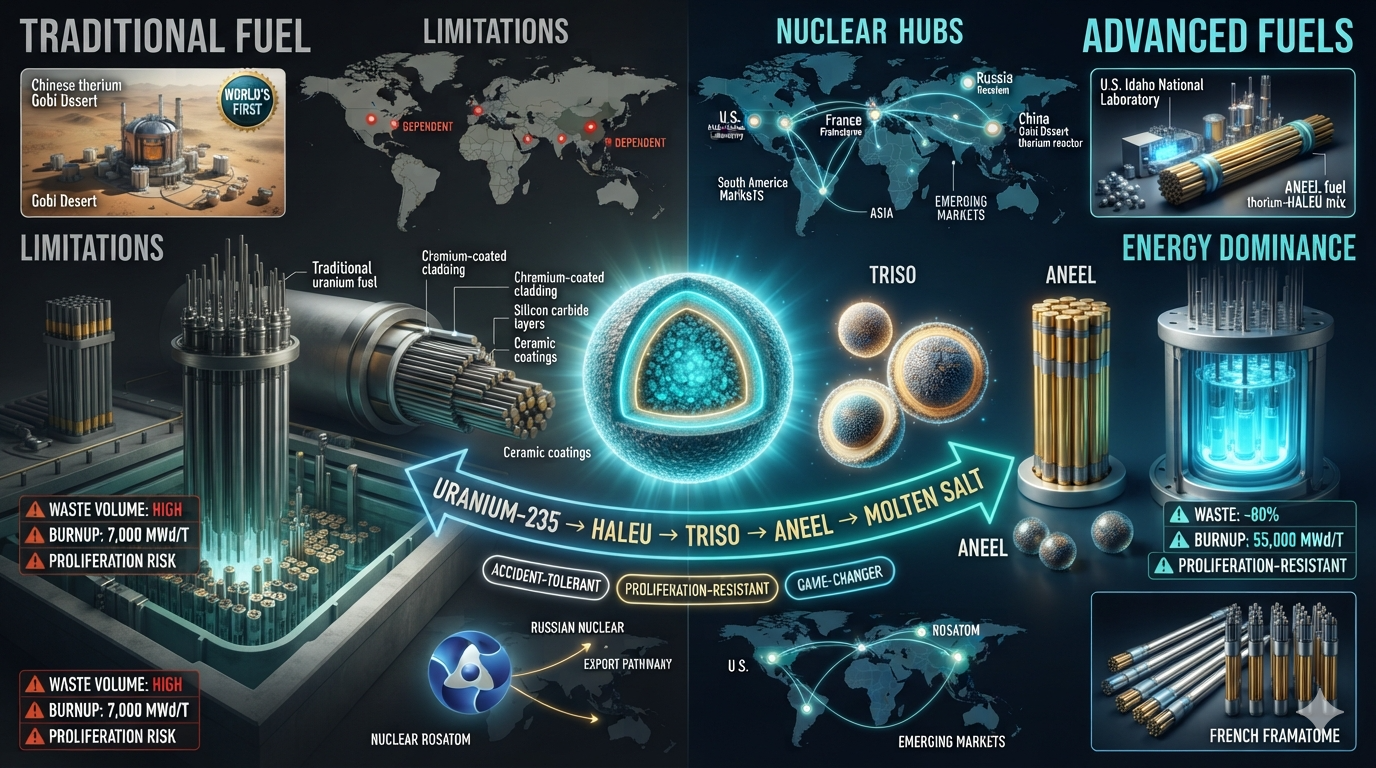
Advanced Nuclear Fuels: How the United States, China, Russia, and Allies Are Reshaping Energy Security, Military Power, and Global Nuclear Leadership
Introduction: The Strategic Race to Control the Future of Nuclear Energy The global race for advanced nuclear fuels has evolved far beyond the pursuit of cleaner electricity. It has become a contest over energy security, technological leadership, industrial competitiveness, military resilience, and geopolitical influence. As nations accelerate decarbonization while simultaneously confronting rising electricity demand from…
Related Domains & Cross-Cutting Themes
Autonomous platforms, materials science, climate constraints, infrastructure, and survivability.
Industrial capacity and supply chains
Cyber-physical security
Climate, geography, and environmental stress
Human-machine coordination
System survivability under disruption
Explore the Critical & Emerging Technologies Magazine →
Explore the Industry, Markets & Supply Chains Magazine →
Explore the Space Technology, Defense & Exploration Magazine →