
Control of the maritime domain underpins global trade, power projection, and strategic deterrence. As oceans become more contested and transparent, navies must balance traditional fleet roles with new challenges in undersea warfare, missile defense, and distributed operations.
This sub-magazine explores how maritime forces secure sea control, deny access, and project power across regions.
IDST Intelligence Briefings
Our maritime briefings place ships, submarines, and naval aviation within broader fleet architectures, explaining how sensors, weapons, and command systems enable—or limit—naval effectiveness.
Why This Magazine Exists
Naval power is not defined by ship counts alone. It depends on fleet integration, sustainment, basing, and the ability to operate under missile and submarine threats.
This sub-magazine exists to analyze maritime power as a system, not a collection of platforms.
What We Track
This magazine tracks developments across the full Naval and Maritime spectrum, including:
- Surface combatants and fleet composition
- Submarine warfare and undersea dominance
- Naval aviation and carrier strike integration
- Anti-ship, missile defense, and area denial systems
- Maritime surveillance and domain awareness
- Logistics, shipbuilding, and naval industrial bases
Latest Analysis & Intelligence
-
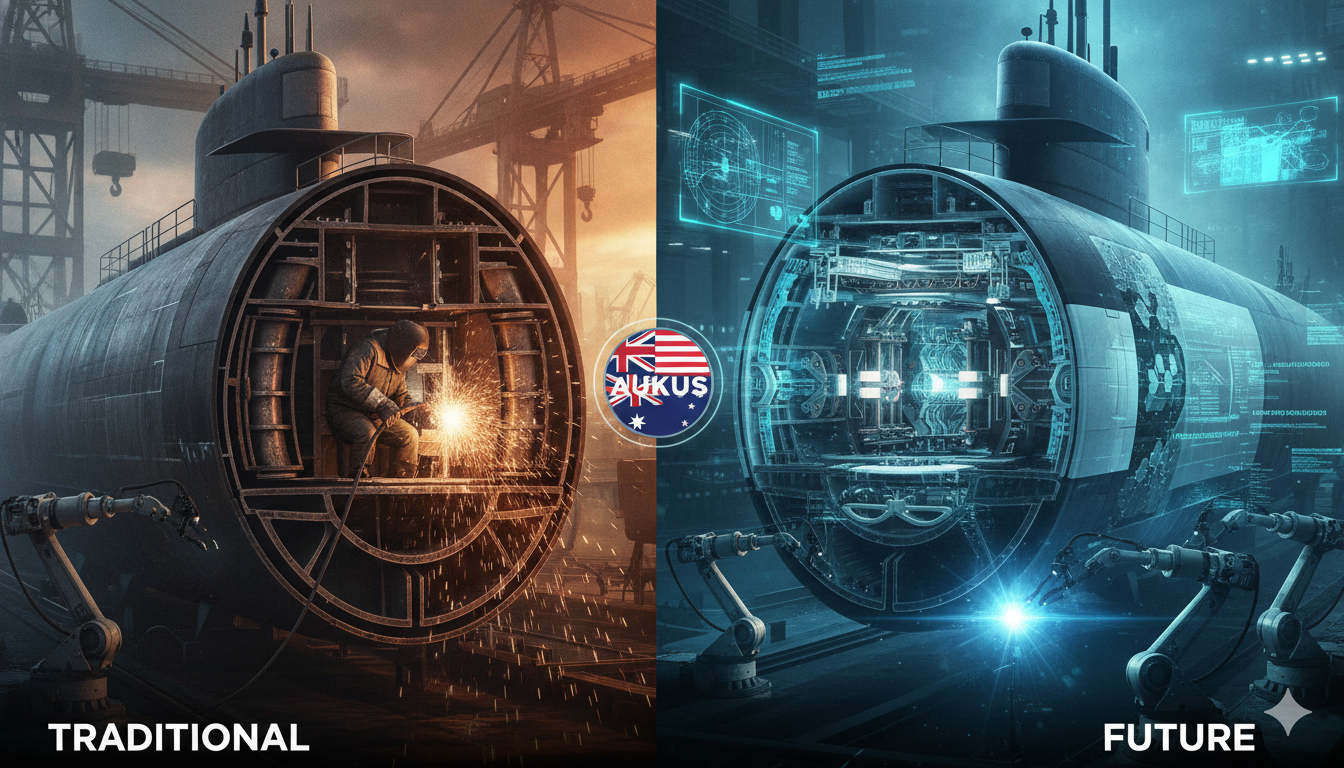
Advanced Materials and Technologies Transforming Submarine Hulls for Enhanced Warfighting Capabilities
Introduction: Materials Innovation Becomes a Strategic Undersea Competition The global undersea battlespace is entering one of its most significant periods of transformation since the Cold War. Intensifying geopolitical competition across the Indo-Pacific, Arctic, North Atlantic, and other contested maritime regions has elevated submarines from traditional naval assets to strategic instruments for deterrence, intelligence collection, long-range…
-
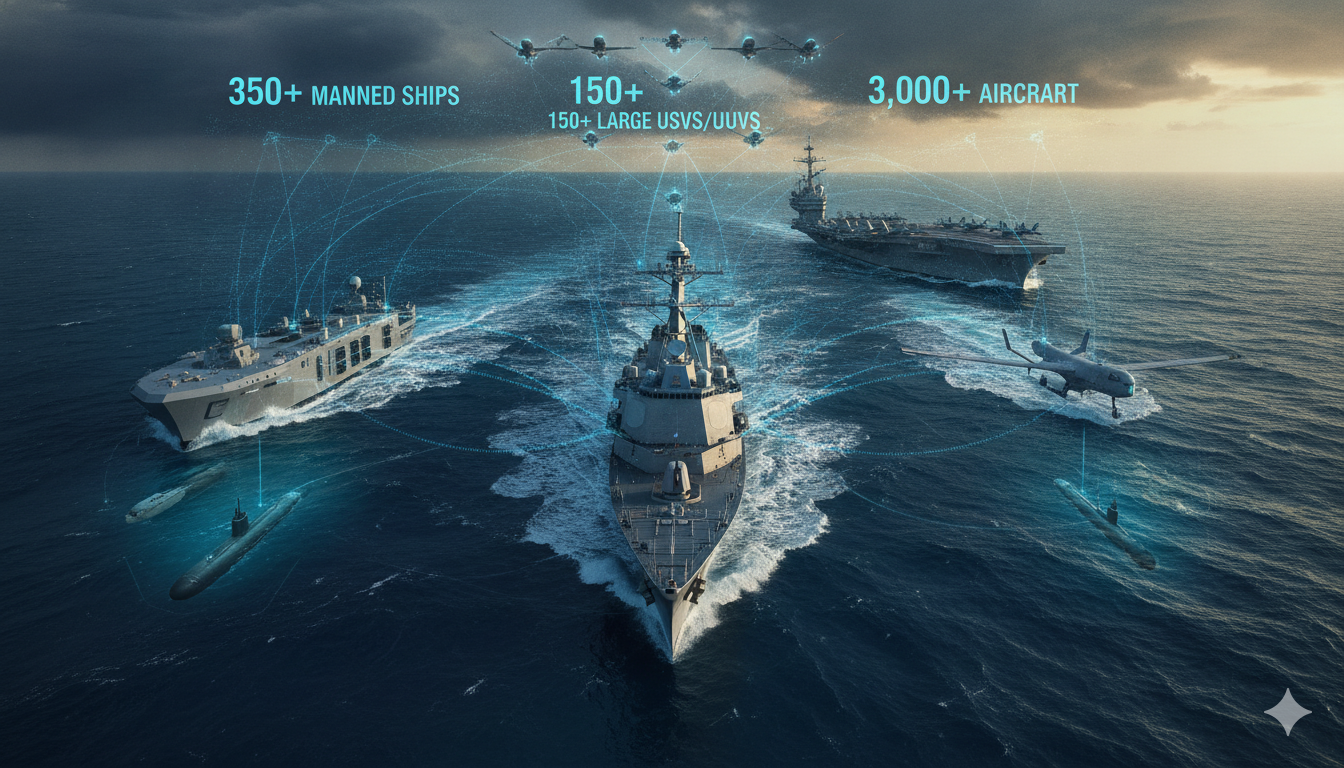
US Navy’s Distributed Maritime Operations: The Rise of the Hybrid Fleet and Unmanned Warfare
Introduction The character of maritime warfare is undergoing its most profound transformation since the advent of carrier aviation and nuclear-powered submarines. Advances in artificial intelligence, autonomous systems, long-range precision weapons, cyber warfare, space-based surveillance, and resilient communications are reshaping how naval forces achieve sea control, project power, and deter adversaries. Instead of relying primarily on…
-

Revolutionizing Underwater Warfare and Maritime Transportation: The MHD Drive Renaissance and DARPA’s PUMP Program
Introduction: The Return of a Long-Abandoned Propulsion Revolution The global maritime domain is entering a period of profound technological transformation. Growing geopolitical competition in the Indo-Pacific, the expansion of autonomous naval systems, increasing emphasis on undersea warfare, and the search for low-signature propulsion technologies are driving renewed interest in concepts once considered impractical. Among the…
-
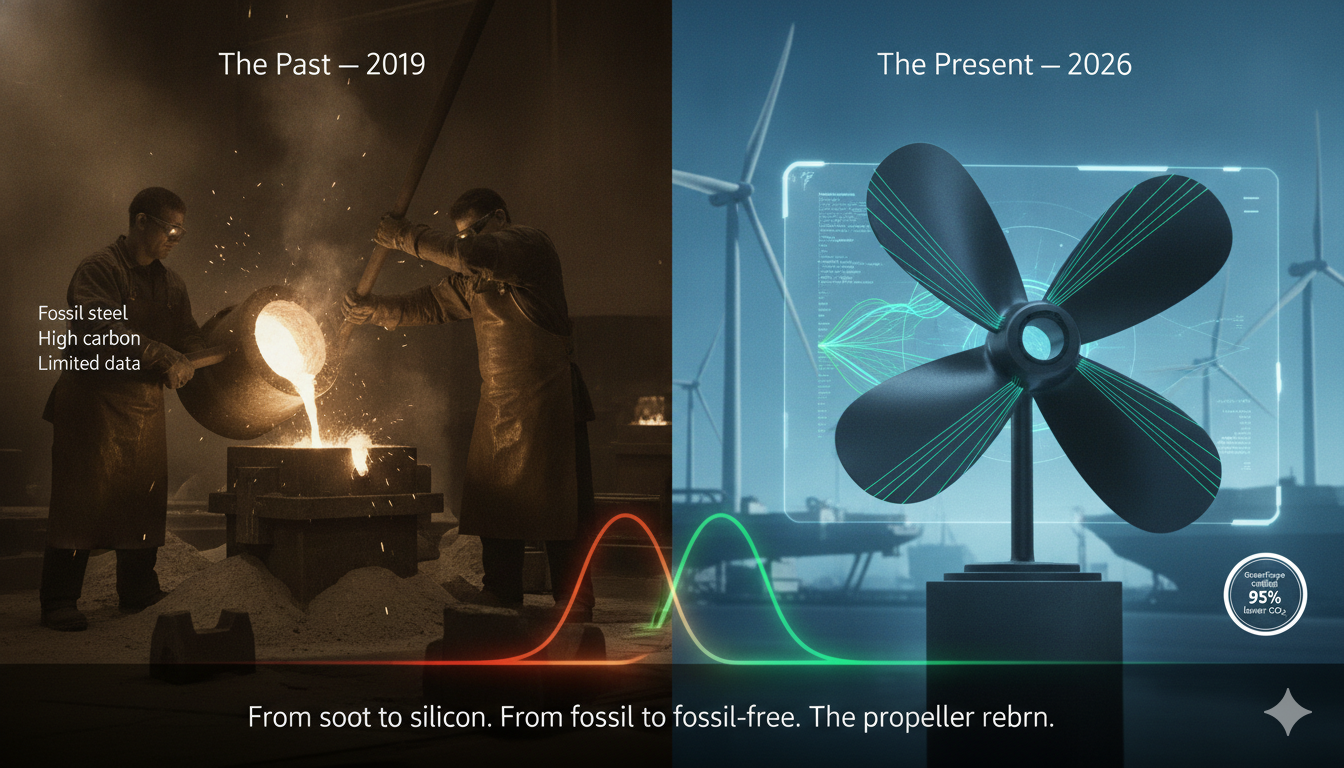
Marine Propeller Technology in 2026: Intelligent Propulsion Powering the Next Generation of Naval and Commercial Fleets
Introduction The marine propeller has long been regarded as one of the most mature technologies in naval architecture, yet the period between 2024 and 2026 has demonstrated that it remains one of the most strategically important and rapidly evolving components of maritime power. Whether propelling an aircraft carrier across the Pacific, a nuclear-powered submarine through…
-
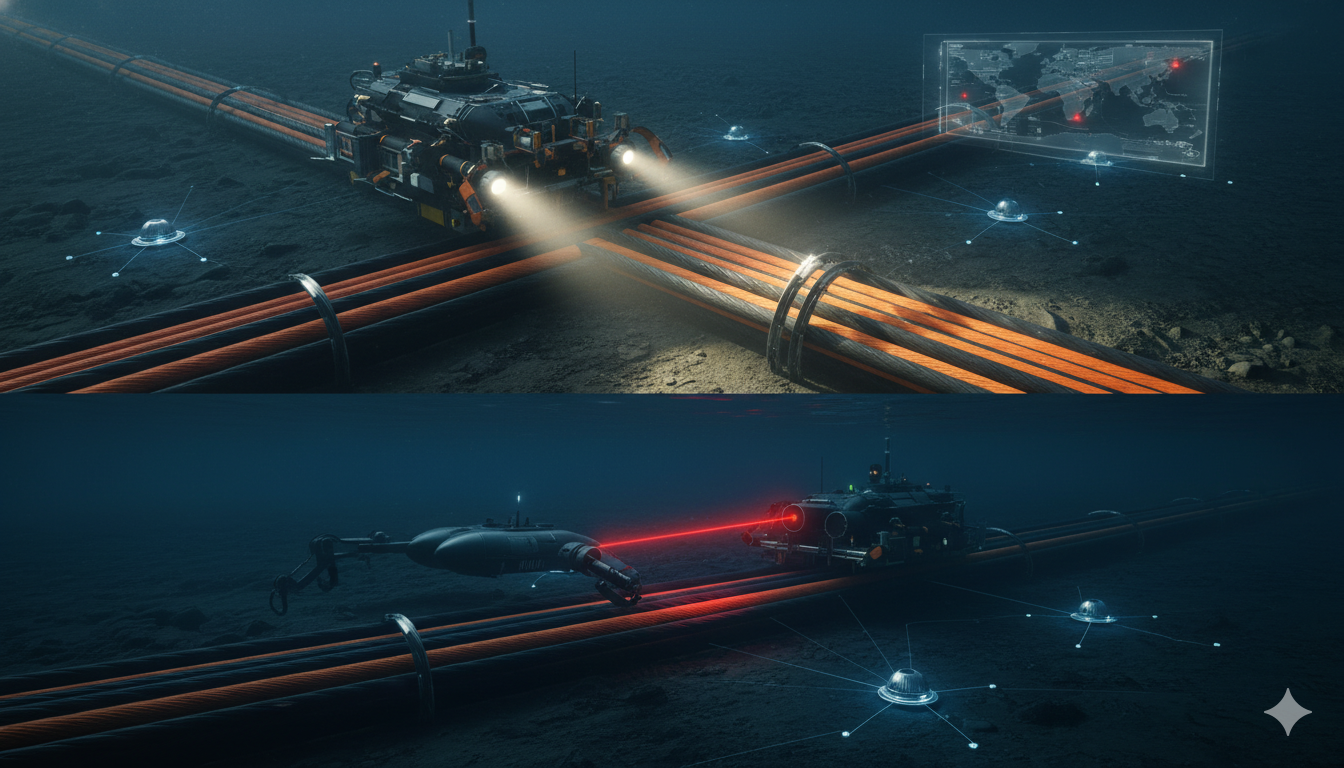
Securing the Lifelines: Addressing Emerging Threats to Underwater Communication and Power Cables
Global Critical Infrastructure in an Era of Strategic Competition The twenty-first century economy is often described as operating “in the cloud,” creating the impression that digital information travels through an invisible and decentralized cyberspace. In reality, the global information economy rests upon one of the world’s largest and least visible pieces of physical infrastructure. More…
-
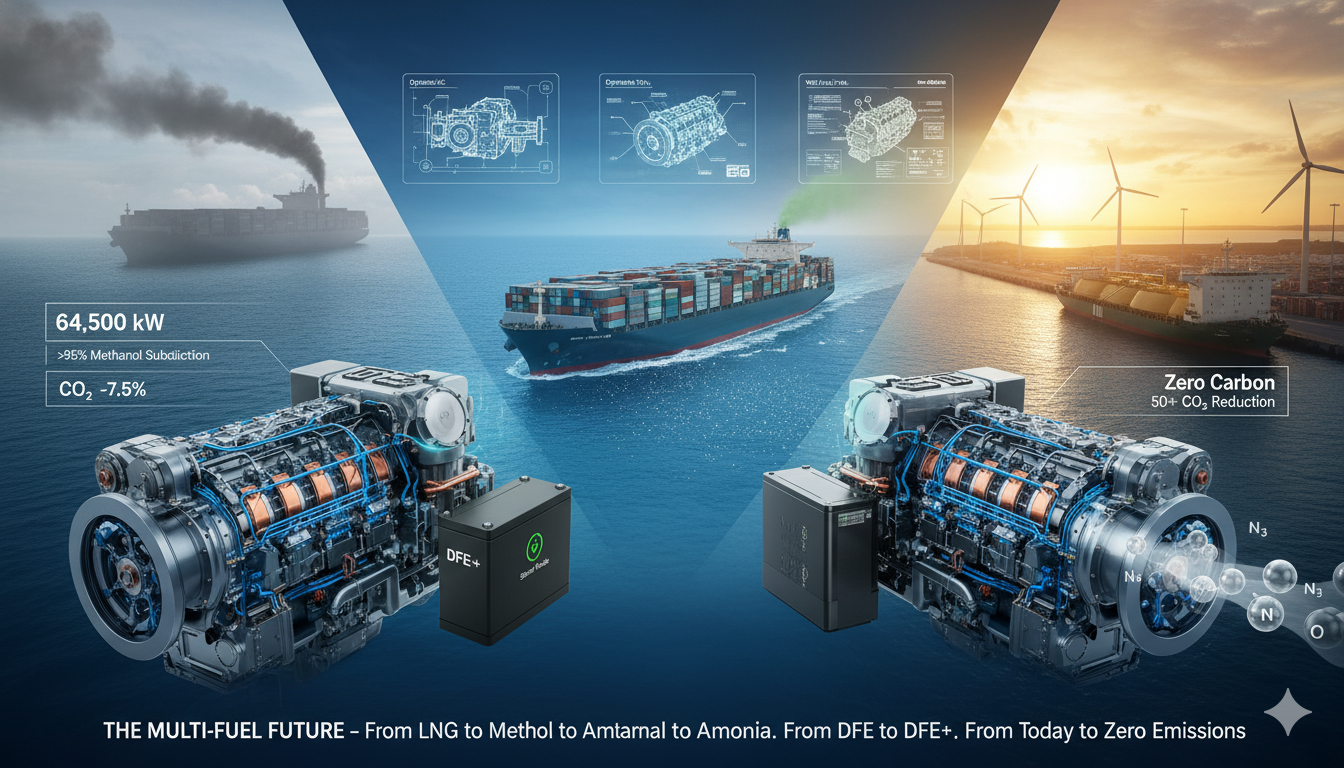
Dual-Fuel Electric+ (DFE+) and Dual-Fuel Diesel Electric (DFE) Propulsion Systems: The Multi-Fuel Future of Maritime and Industrial Power (2026 Update)
Introduction: The Great Maritime Energy Transition Global shipping, offshore energy, and heavy industrial sectors are entering the most significant propulsion transition since the move from coal to oil in the early twentieth century. Between 2024 and 2026, tightening climate regulations, volatile fuel markets, geopolitical supply-chain disruptions, and growing investor pressure have accelerated the race toward…
-
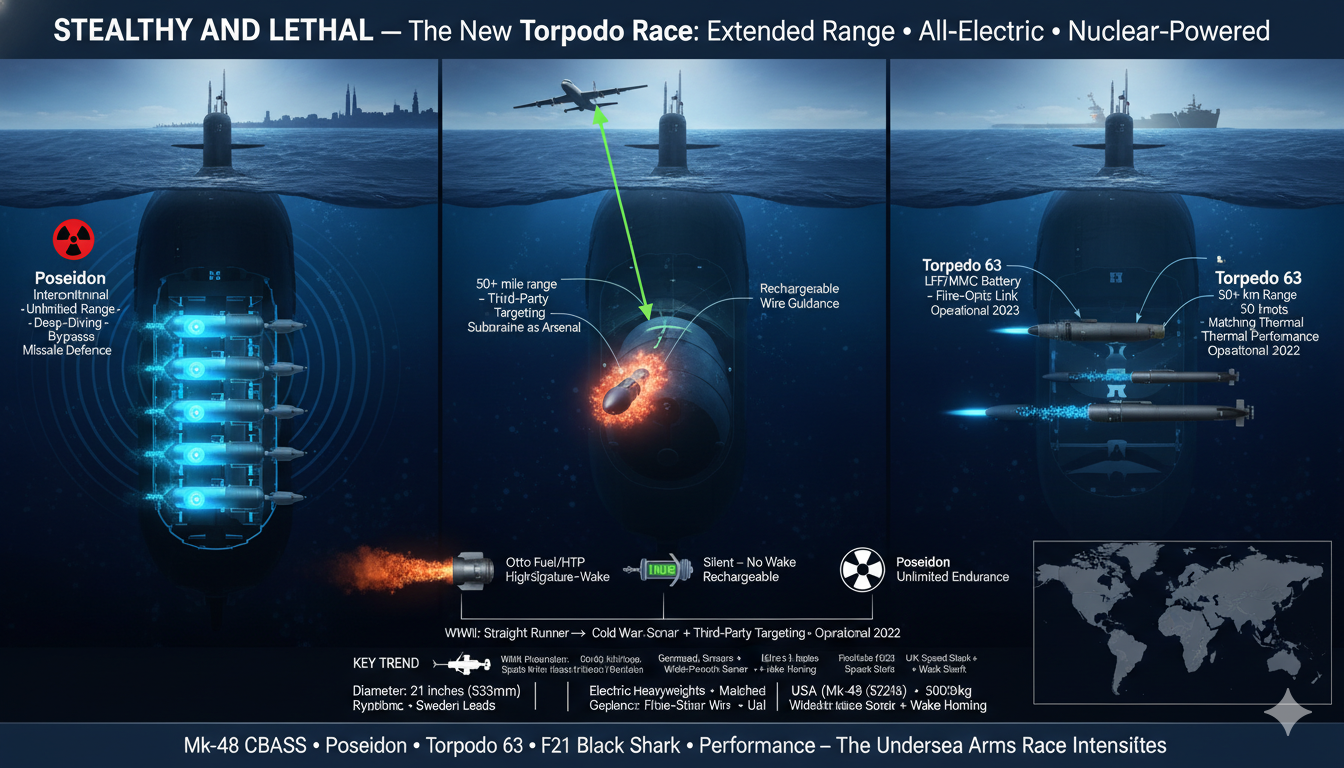
Stealthy and Lethal: The Evolution of Torpedo Technology in Modern Naval Warfare
Introduction: The Renaissance of Undersea Warfare The undersea battlespace is once again becoming one of the most strategically important arenas of military competition. While public attention often focuses on hypersonic missiles, artificial intelligence, drones, and space systems, a quieter revolution is occurring beneath the oceans. Torpedoes—the oldest precision-guided naval weapons still in widespread service—are undergoing…
Related Domains & Cross-Cutting Themes
Defense systems do not operate in isolation. Readers may also explore how military technologies intersect with geopolitics, industrial capacity, emerging technologies, and future warfare concepts across the IDST intelligence network.
Space and ISR support to naval operations
Missile and hypersonic threats
Chokepoints, sea lines of communication, and geography
Alliance interoperability and coalition navies
Explore the Critical & Emerging Technologies Magazine →
Explore the Industry, Markets & Supply Chains Magazine →
Explore the Space Technology, Defense & Exploration Magazine →