
Control of the maritime domain underpins global trade, power projection, and strategic deterrence. As oceans become more contested and transparent, navies must balance traditional fleet roles with new challenges in undersea warfare, missile defense, and distributed operations.
This sub-magazine explores how maritime forces secure sea control, deny access, and project power across regions.
IDST Intelligence Briefings
Our maritime briefings place ships, submarines, and naval aviation within broader fleet architectures, explaining how sensors, weapons, and command systems enable—or limit—naval effectiveness.
Why This Magazine Exists
Naval power is not defined by ship counts alone. It depends on fleet integration, sustainment, basing, and the ability to operate under missile and submarine threats.
This sub-magazine exists to analyze maritime power as a system, not a collection of platforms.
What We Track
This magazine tracks developments across the full Naval and Maritime spectrum, including:
- Surface combatants and fleet composition
- Submarine warfare and undersea dominance
- Naval aviation and carrier strike integration
- Anti-ship, missile defense, and area denial systems
- Maritime surveillance and domain awareness
- Logistics, shipbuilding, and naval industrial bases
Latest Analysis & Intelligence
-
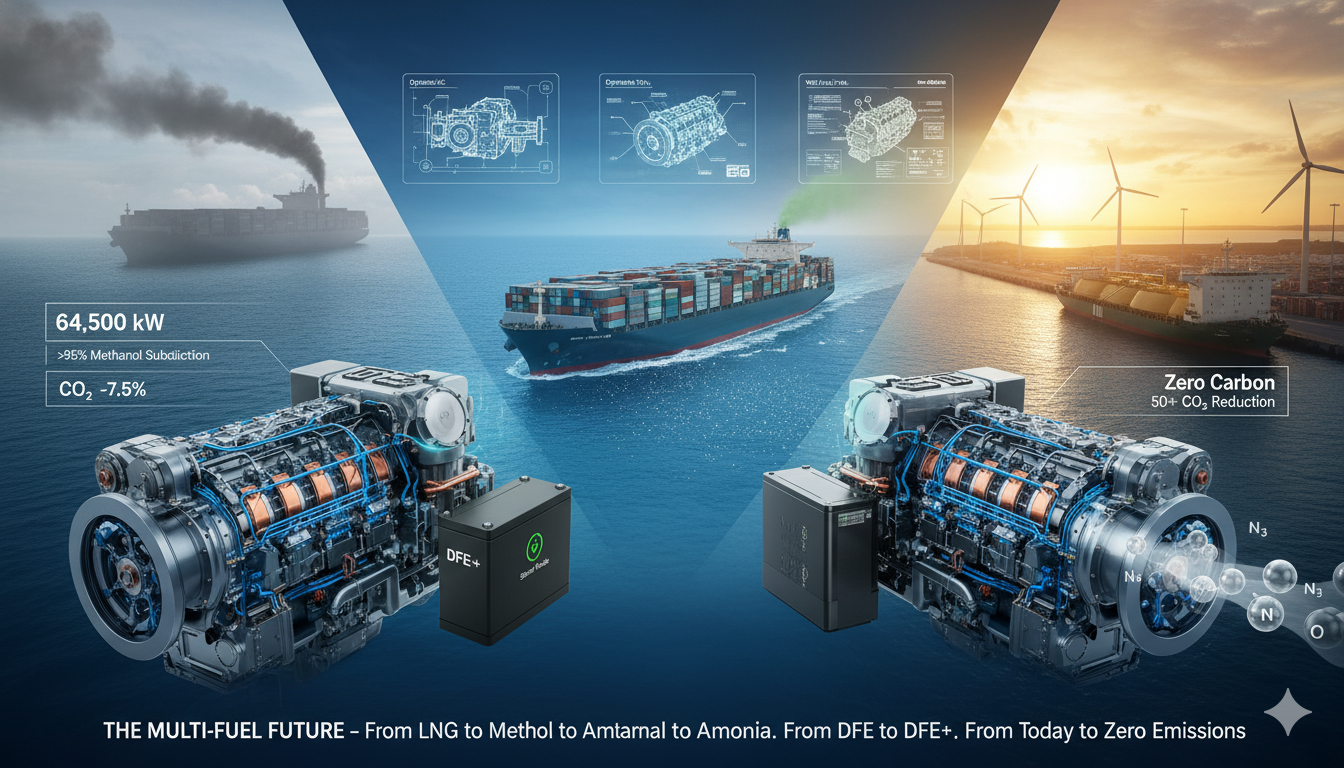
Dual-Fuel Electric+ (DFE+) and Dual-Fuel Diesel Electric (DFE) Propulsion Systems: The Multi-Fuel Future of Maritime and Industrial Power (2026 Update)
Introduction: The Great Maritime Energy Transition Global shipping, offshore energy, and heavy industrial sectors are entering the most significant propulsion transition since the move from coal to oil in the early twentieth century. Between 2024 and 2026, tightening climate regulations, volatile fuel markets, geopolitical supply-chain disruptions, and growing investor pressure have accelerated the race toward…
-
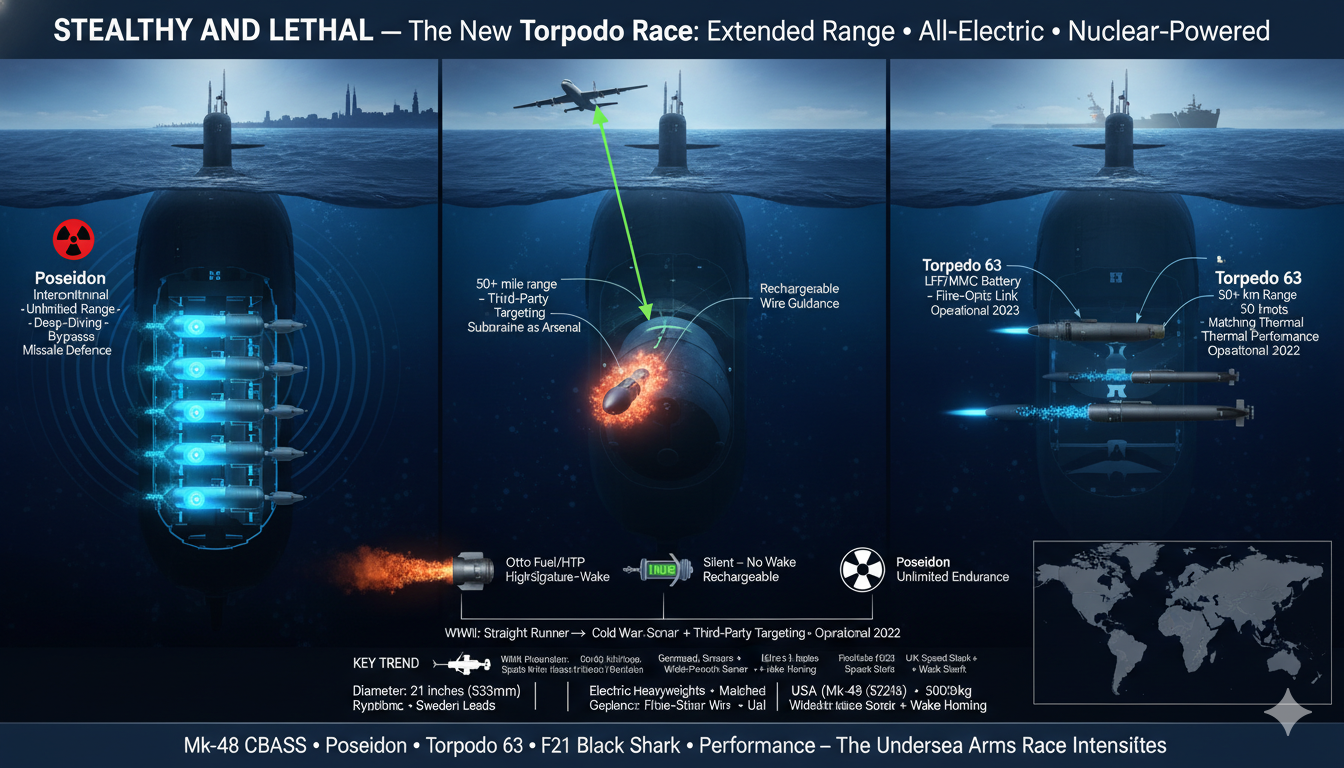
Stealthy and Lethal: The Evolution of Torpedo Technology in Modern Naval Warfare
Introduction: The Renaissance of Undersea Warfare The undersea battlespace is once again becoming one of the most strategically important arenas of military competition. While public attention often focuses on hypersonic missiles, artificial intelligence, drones, and space systems, a quieter revolution is occurring beneath the oceans. Torpedoes—the oldest precision-guided naval weapons still in widespread service—are undergoing…
-
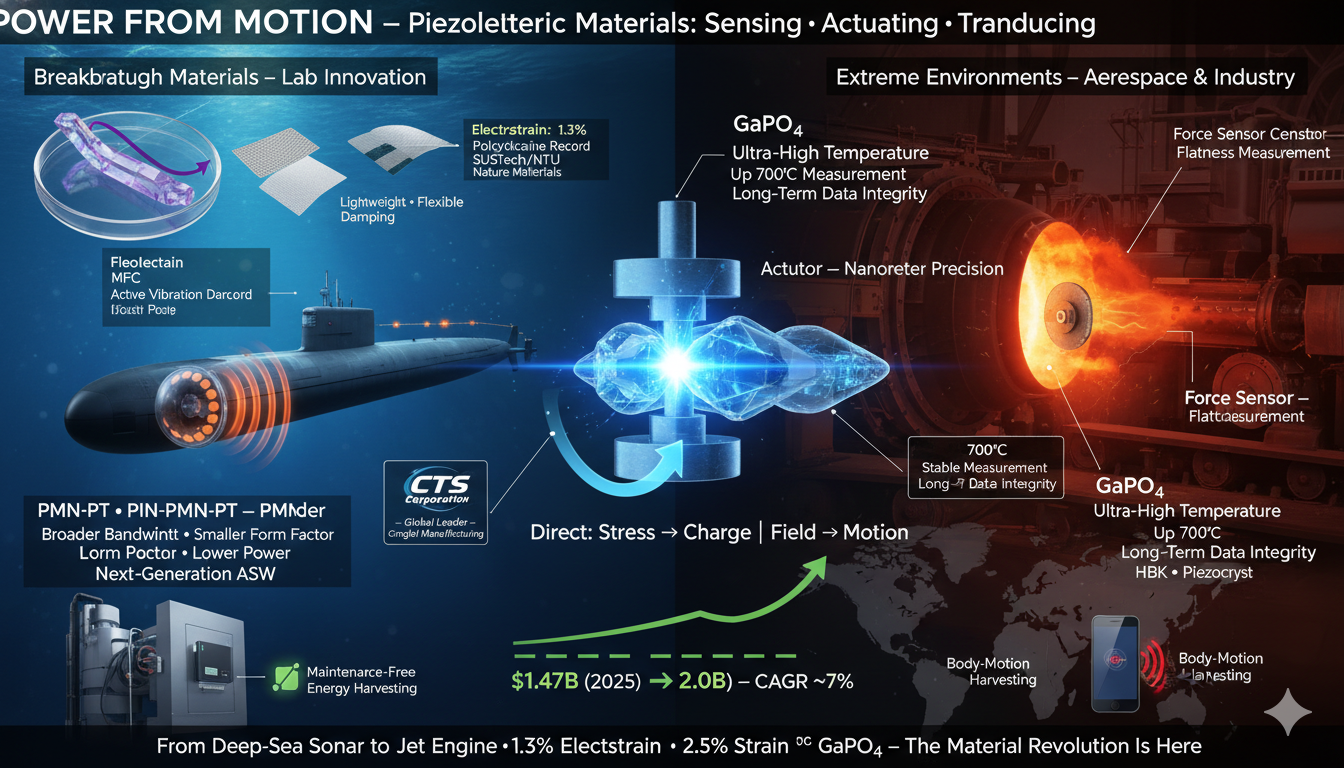
Power from Motion: The Revolution in Piezoelectric Materials for Smart Sensors, Actuators, Sonar Systems, and Energy Harvesting (2026 Update)
Introduction: The Invisible Technology Powering the Intelligent Age The twenty-first century is increasingly defined by machines that can sense, adapt, communicate, and make decisions in real time. From autonomous vehicles and industrial robots to underwater surveillance networks and hypersonic weapons, modern systems rely on a continuous flow of information about the physical world. At the…
-
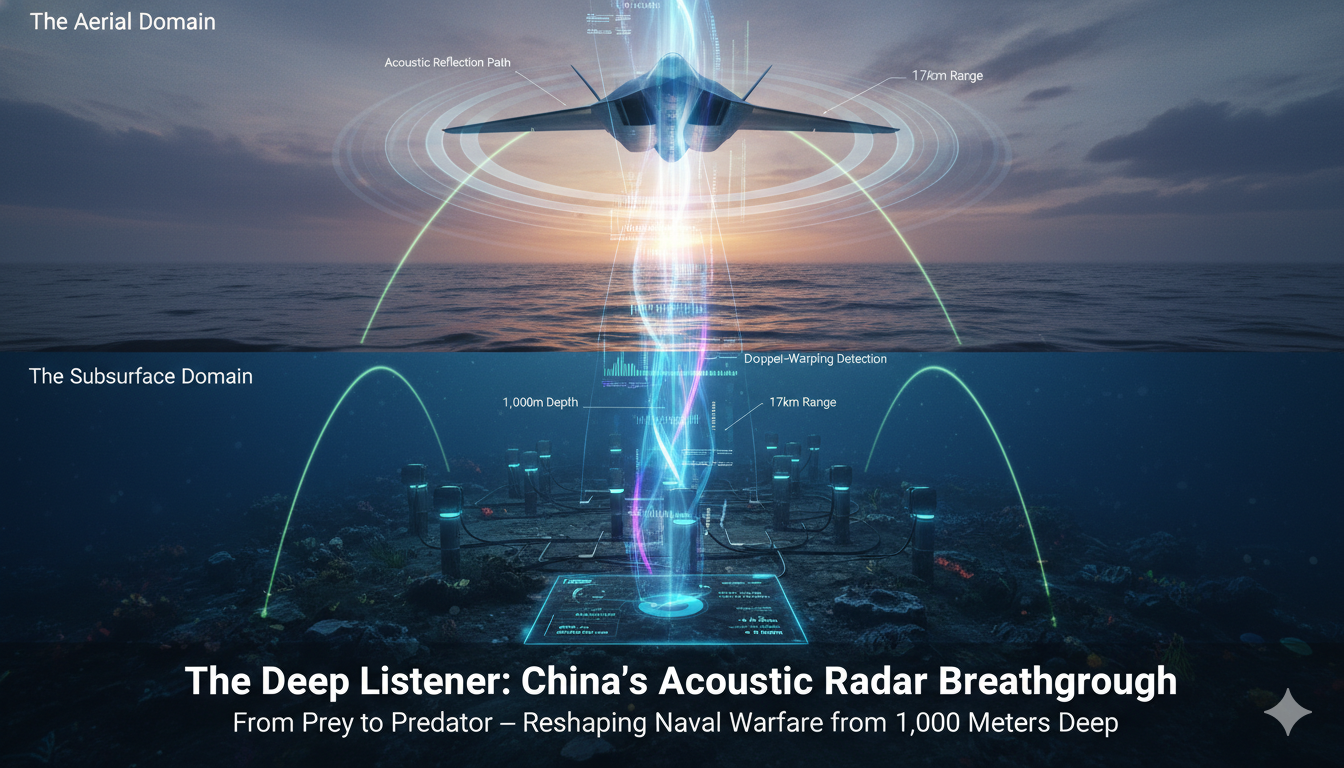
China’s Deep-Sea Radar Breakthrough: Acoustic Sensing and the Rewiring of Undersea Warfare
Improved Introduction: From Acoustic Stealth to Acoustic Transparency For over a century, the ocean has provided submarines with a natural shield—an acoustic barrier that isolates the underwater domain from threats above. This separation has defined naval warfare doctrine: aircraft hunt, submarines evade. But that boundary is beginning to erode. A recent breakthrough by researchers from…
-
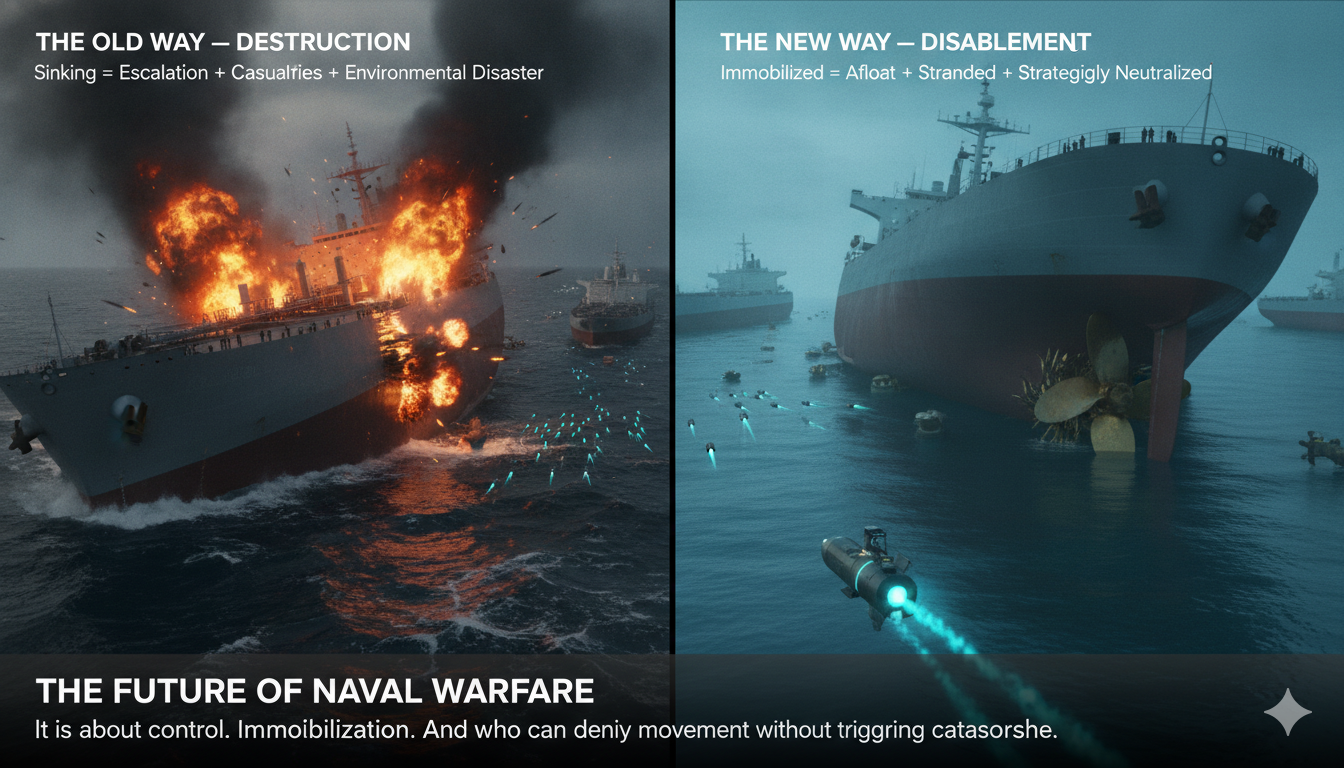
The Rise of the Propulsion Disabler: A Global Shift in Naval Strategy and Maritime Power
Maritime power has always been about movement. The ability to move fleets, cargo, energy, and military force across oceans underpins global prosperity and national security alike. Today’s international system rests on dense maritime networks that carry energy from the Gulf to Asia, containerized goods from East Asia to Europe and North America, grain from the…
-
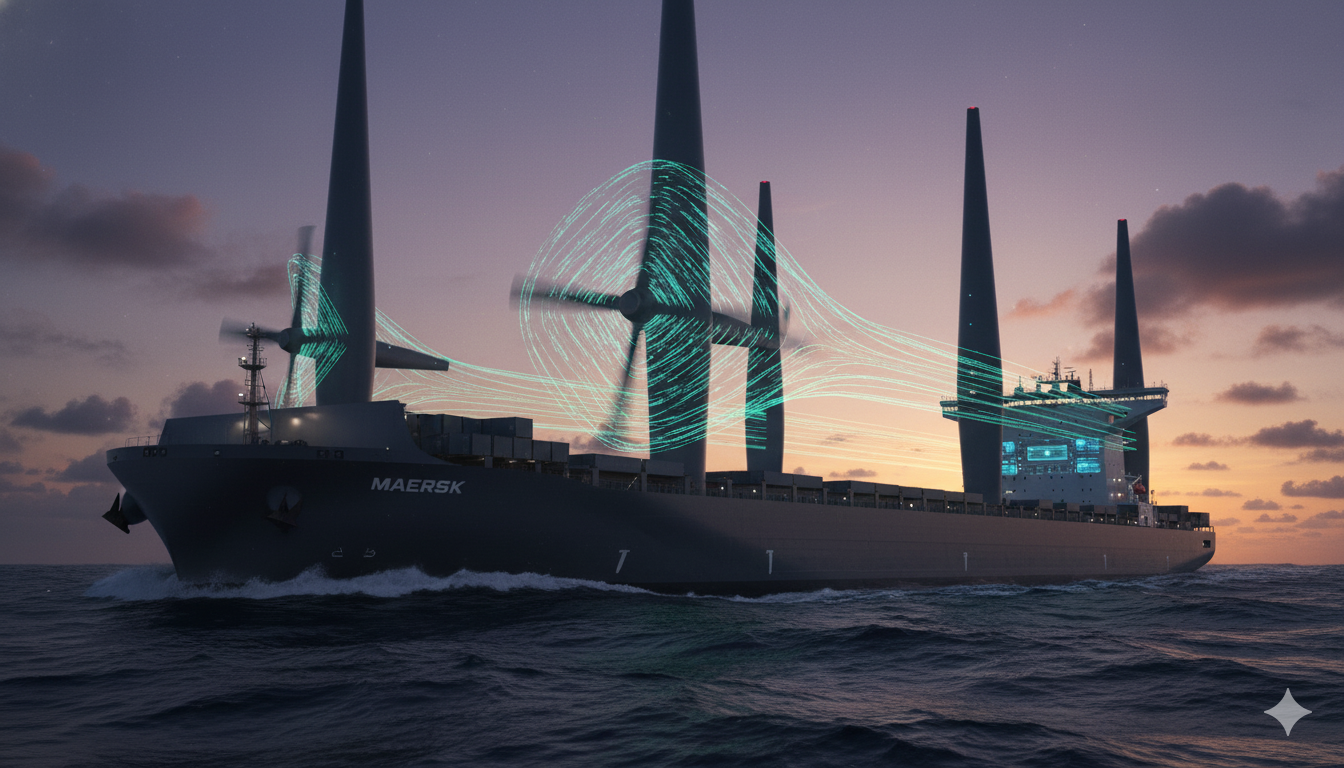
The Flettner Rotor Reborn: Wind, Intelligence, and the Strategic Rewiring of Global Shipping
Introduction: Wind Power as Strategic Infrastructure in a Contested Maritime System At a moment when global shipping sits at the intersection of climate urgency, economic competition, and geopolitical risk, an overlooked truth is re-emerging: control over energy at sea is inseparable from control over trade, resilience, and strategic autonomy. Maritime transport moves more than 80…
-
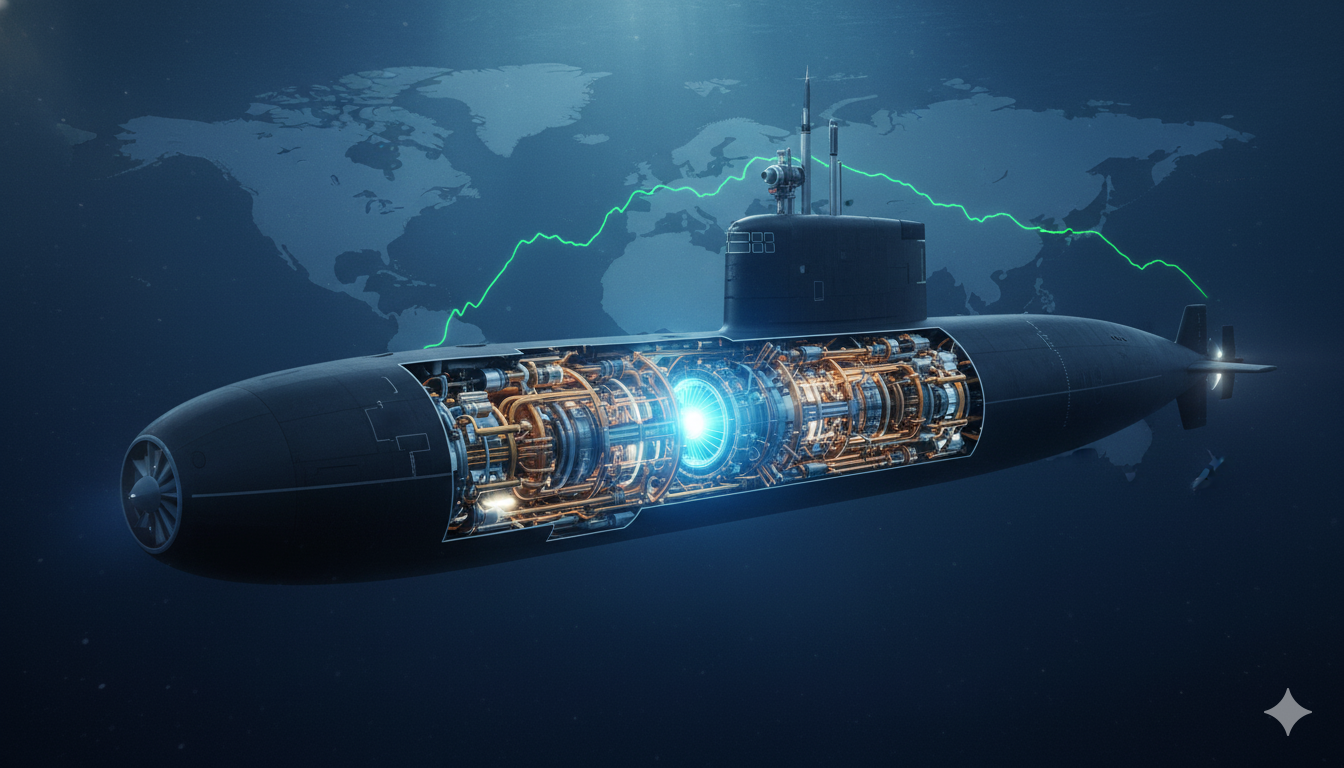
The Silent Vanguard: Second-Generation Reactors and the Reinvention of Undersea Power
Introduction: Endurance as the New Currency of Undersea Power In the emerging era of great-power competition, the decisive battlespace is increasingly defined not by visibility, but by persistence. Nowhere is this more evident than beneath the oceans, where nuclear-powered submarines continue to operate as the most survivable and least predictable instruments of national power. Yet…
Related Domains & Cross-Cutting Themes
Defense systems do not operate in isolation. Readers may also explore how military technologies intersect with geopolitics, industrial capacity, emerging technologies, and future warfare concepts across the IDST intelligence network.
Space and ISR support to naval operations
Missile and hypersonic threats
Chokepoints, sea lines of communication, and geography
Alliance interoperability and coalition navies
Explore the Critical & Emerging Technologies Magazine →
Explore the Industry, Markets & Supply Chains Magazine →
Explore the Space Technology, Defense & Exploration Magazine →