
Control of the maritime domain underpins global trade, power projection, and strategic deterrence. As oceans become more contested and transparent, navies must balance traditional fleet roles with new challenges in undersea warfare, missile defense, and distributed operations.
This sub-magazine explores how maritime forces secure sea control, deny access, and project power across regions.
IDST Intelligence Briefings
Our maritime briefings place ships, submarines, and naval aviation within broader fleet architectures, explaining how sensors, weapons, and command systems enable—or limit—naval effectiveness.
Why This Magazine Exists
Naval power is not defined by ship counts alone. It depends on fleet integration, sustainment, basing, and the ability to operate under missile and submarine threats.
This sub-magazine exists to analyze maritime power as a system, not a collection of platforms.
What We Track
This magazine tracks developments across the full Naval and Maritime spectrum, including:
- Surface combatants and fleet composition
- Submarine warfare and undersea dominance
- Naval aviation and carrier strike integration
- Anti-ship, missile defense, and area denial systems
- Maritime surveillance and domain awareness
- Logistics, shipbuilding, and naval industrial bases
Latest Analysis & Intelligence
-
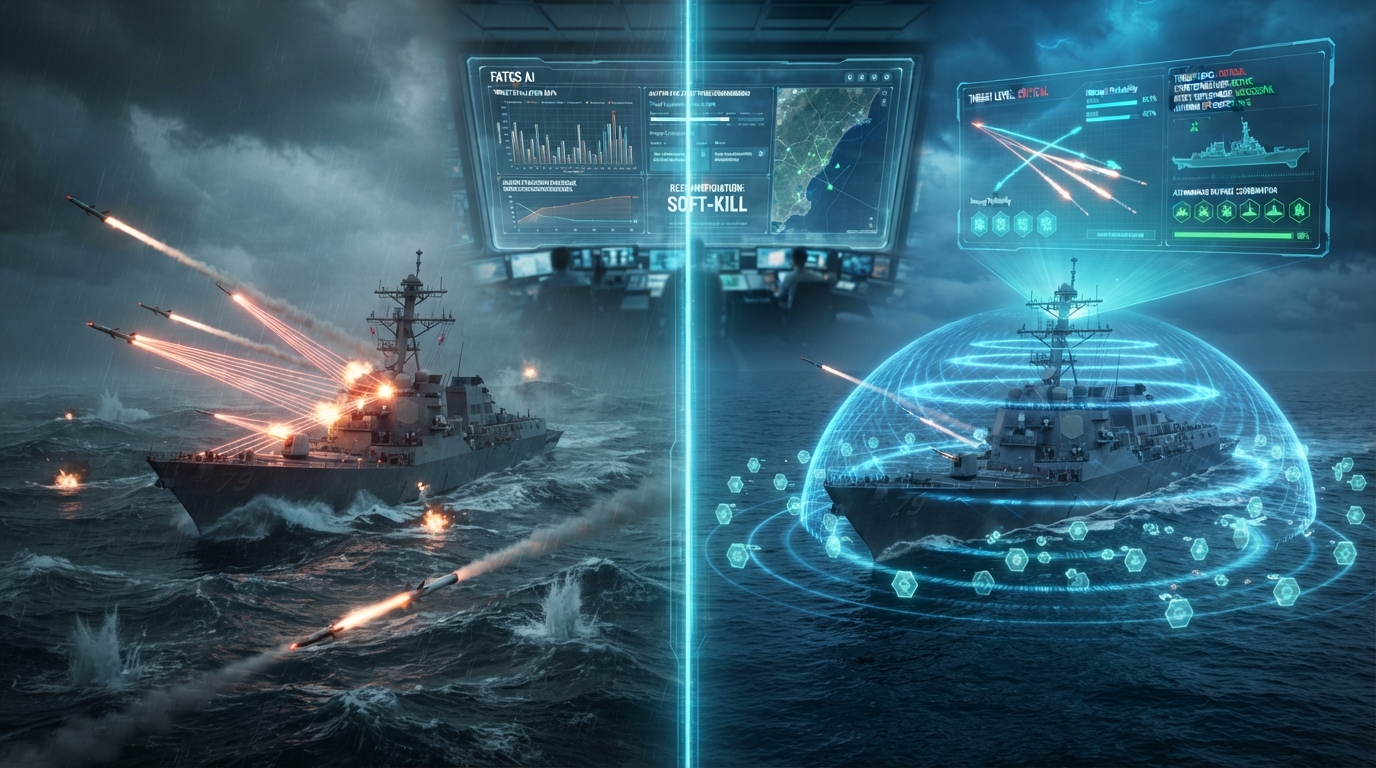
AI-Enabled Soft-Kill Warfare: How Intelligent Electronic Countermeasures Are Reshaping Warship Survivability
Introduction: The Missile–Countermeasure Race Enters the AI Era The next generation of naval warfare may be decided before a missile ever reaches the terminal engagement zone. As anti-ship missiles become faster, more maneuverable, networked and increasingly resistant to traditional deception, warships are being forced to evolve from passive defensive platforms into intelligent systems capable of…
-
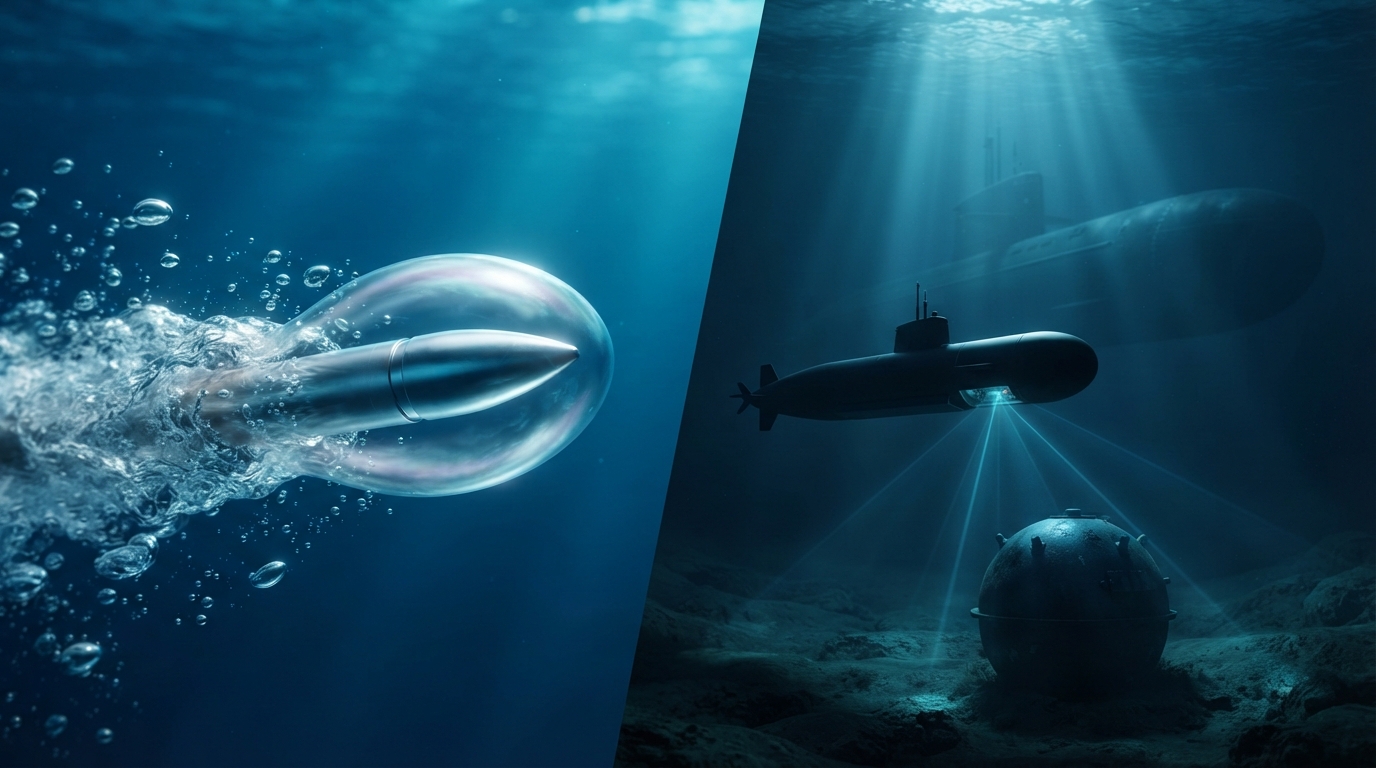
The Undersea Battlespace Revolution: Autonomous Warfare, Supercavitation, and the Strategic Race for Seabed Dominance
Strategic Context: The Ocean Floor Becomes a Contested Military Domain The next major naval confrontation may be shaped as much by what forces can detect, protect, and control beneath the ocean as by the ships, aircraft, and missiles operating above it. Underwater warfare is evolving beyond the traditional contest between submarines and anti-submarine forces into…
-
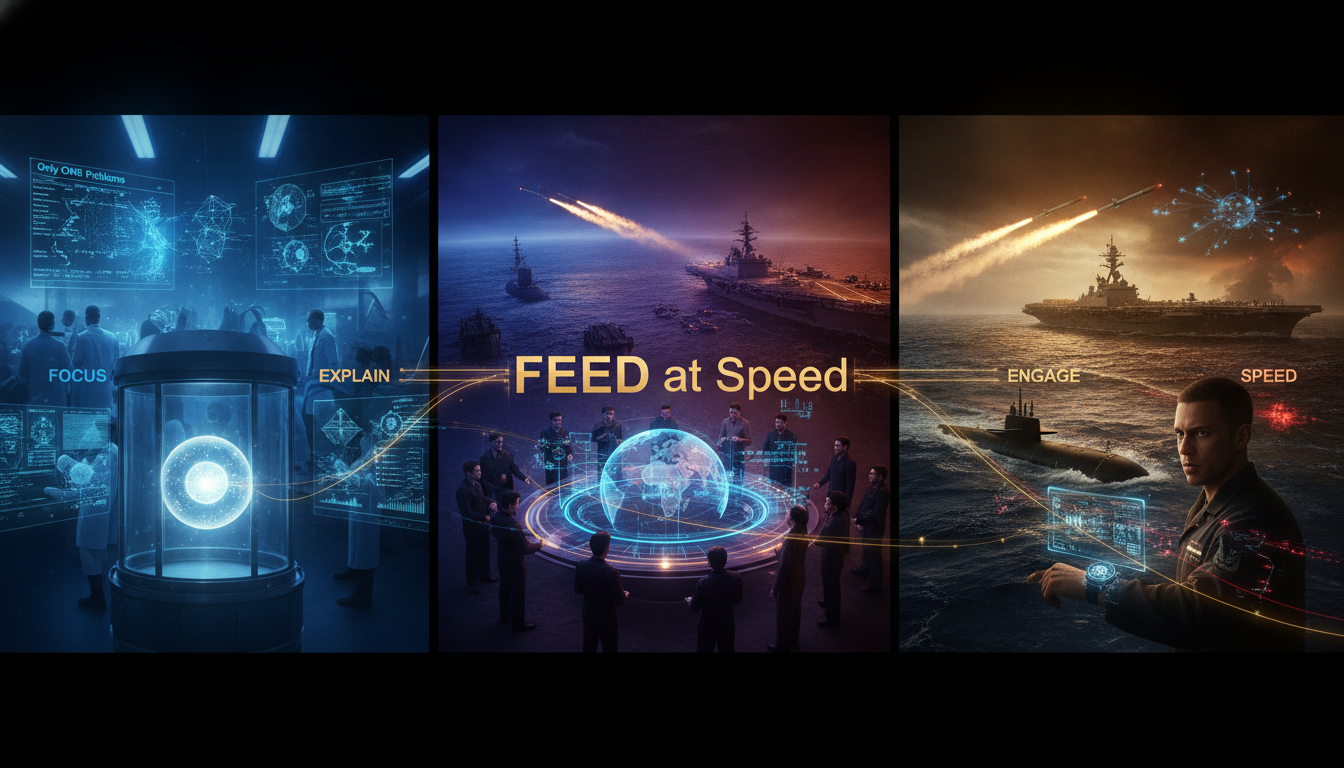
ONR’s 2026 Science & Technology Strategy: Transforming Naval Research for an Era of Strategic Competition
A New Naval Technology Strategy for an Accelerating Battlespace The U.S. Navy is entering a period in which technological superiority can no longer be measured simply by the sophistication of individual ships, aircraft, submarines or weapons. The decisive advantage increasingly depends on how quickly a service can discover new technologies, integrate them into operational architectures,…
-

DARPA Liberty Lifter: From Heavy Seaplane Ambition to a New Paradigm for Distributed Maritime Logistics
DARPA’s Liberty Lifter is a revolutionary ocean-landing aircraft designed to transform Indo-Pacific military logistics with runway-independent, heavy-lift mobility. Introduction: Reimagining Strategic Airlift Beyond Runways For decades, military planners have faced a fundamental mobility problem: airlift provides speed but depends heavily on runways, while sealift can move enormous quantities of equipment but is slow and often…
-
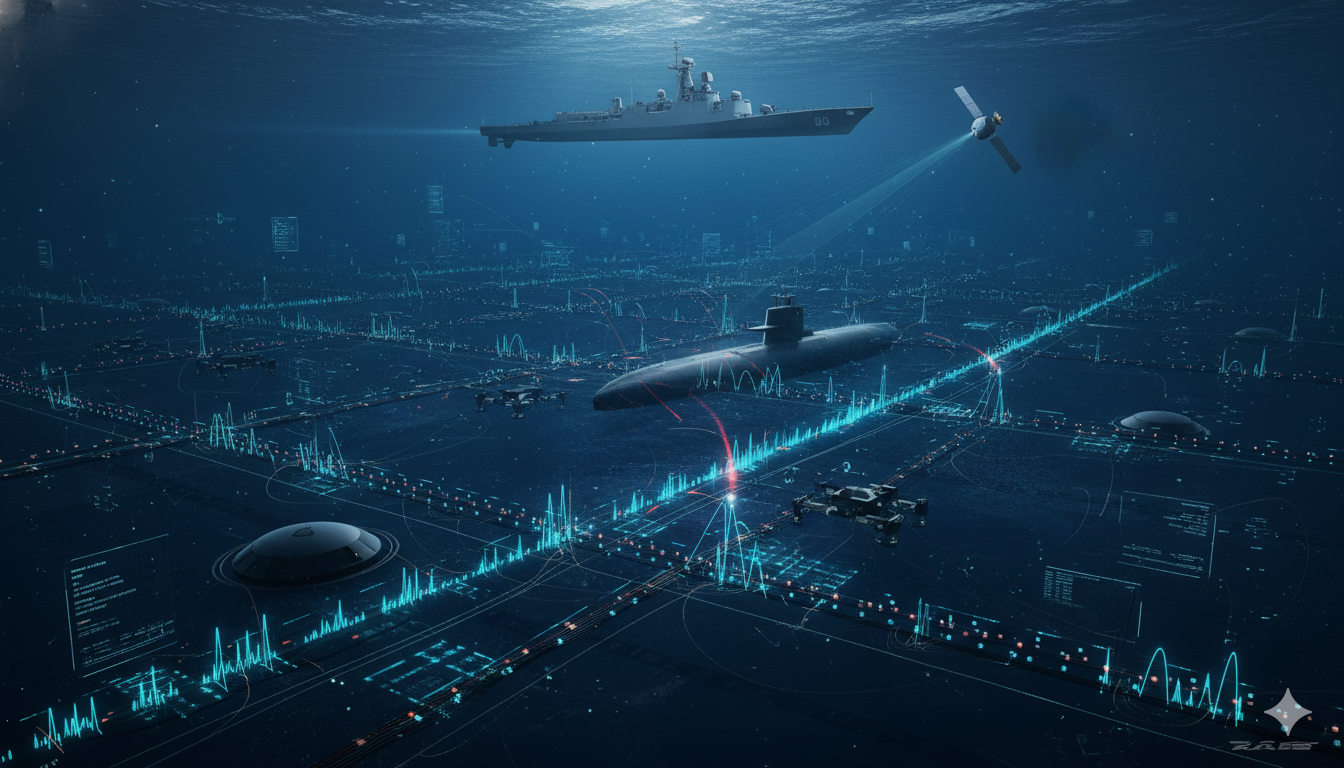
China’s Quantum Leap in Submarine Detection: How Quantum Sensing Is Reshaping Undersea Warfare and the Future of Naval Power
Introduction: The Quantum Revolution Beneath the Waves The contest for naval supremacy is entering a new technological era where the decisive advantage may no longer belong solely to quieter submarines or more capable sonar systems, but to nations that can exploit quantum physics to reveal what has long remained hidden beneath the ocean surface. As…
-
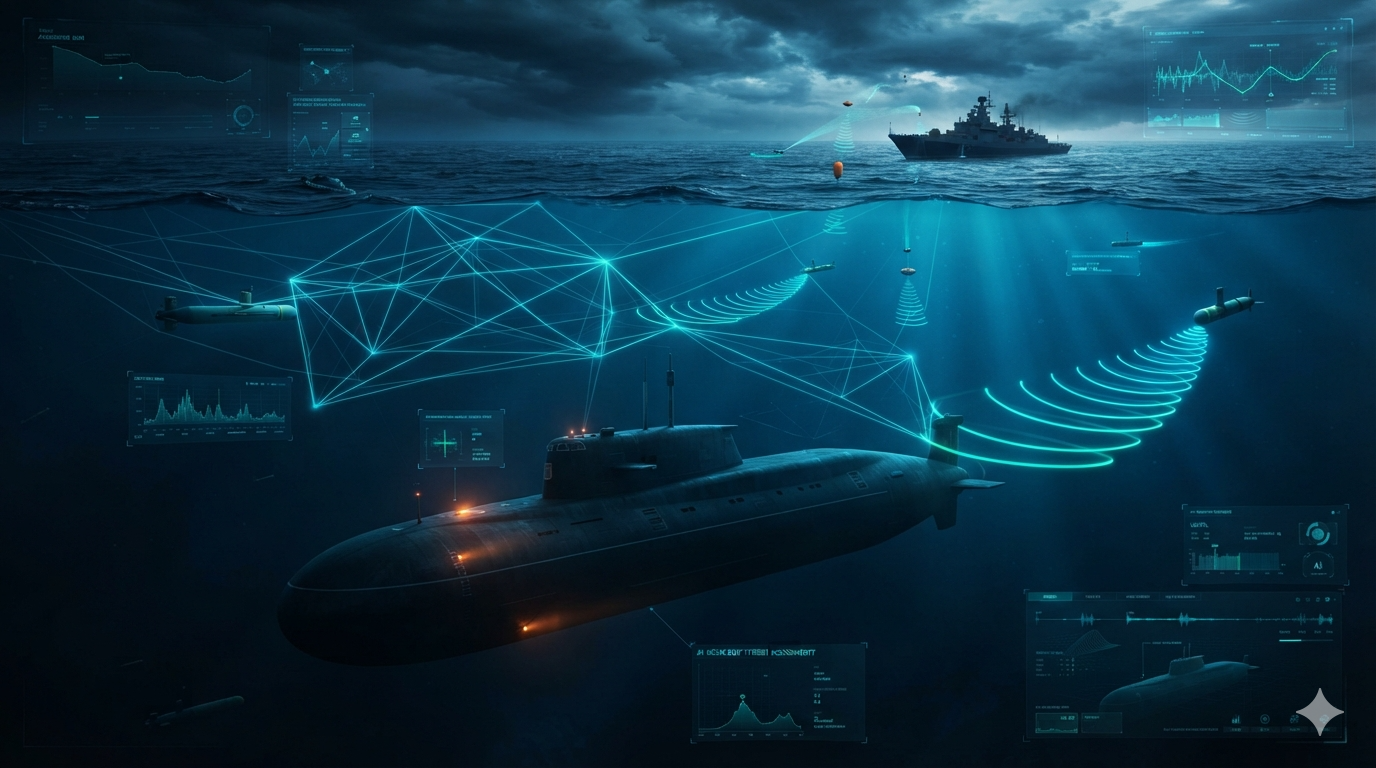
The Silent Hunt: How AI, Autonomous Sensors, and Distributed Sonar Networks Are Transforming Submarine Detection
Strategic Context The world’s oceans are rapidly becoming one of the most contested domains of strategic competition. As geopolitical tensions intensify across the North Atlantic, Arctic, Indo-Pacific, and Mediterranean, submarines have once again become indispensable instruments of deterrence, intelligence collection, precision strike, and nuclear second-strike capability. Russia continues to expand its fleet of ultra-quiet Yasen-M…
-
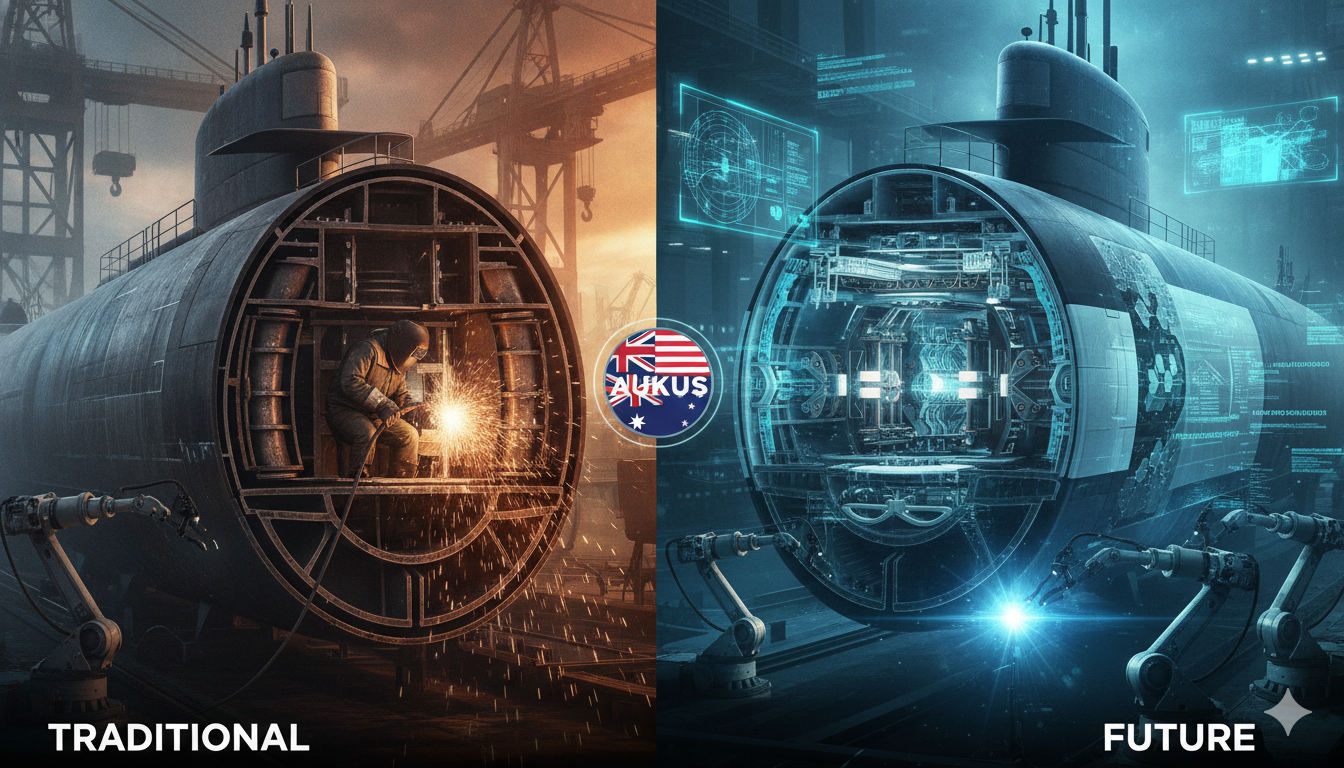
Advanced Materials and Technologies Transforming Submarine Hulls for Enhanced Warfighting Capabilities
Introduction: Materials Innovation Becomes a Strategic Undersea Competition The global undersea battlespace is entering one of its most significant periods of transformation since the Cold War. Intensifying geopolitical competition across the Indo-Pacific, Arctic, North Atlantic, and other contested maritime regions has elevated submarines from traditional naval assets to strategic instruments for deterrence, intelligence collection, long-range…
Related Domains & Cross-Cutting Themes
Defense systems do not operate in isolation. Readers may also explore how military technologies intersect with geopolitics, industrial capacity, emerging technologies, and future warfare concepts across the IDST intelligence network.
Space and ISR support to naval operations
Missile and hypersonic threats
Chokepoints, sea lines of communication, and geography
Alliance interoperability and coalition navies
Explore the Critical & Emerging Technologies Magazine →
Explore the Industry, Markets & Supply Chains Magazine →
Explore the Space Technology, Defense & Exploration Magazine →