Category Manufacturing

Modified Agile for Hardware Development (MAHD) Framework

Scrum is one of the most widely-used flavors of Agile, mostly applied to software development projects. It starts with describing the customer experience through user stories. Teams work on high-priority user stories in rapid cycles called sprints, deliver working software…...
IDST Monthly Access Membership Required

You must be a IDST Monthly Access member to access this content.

Join Now

Already a member? Log in here

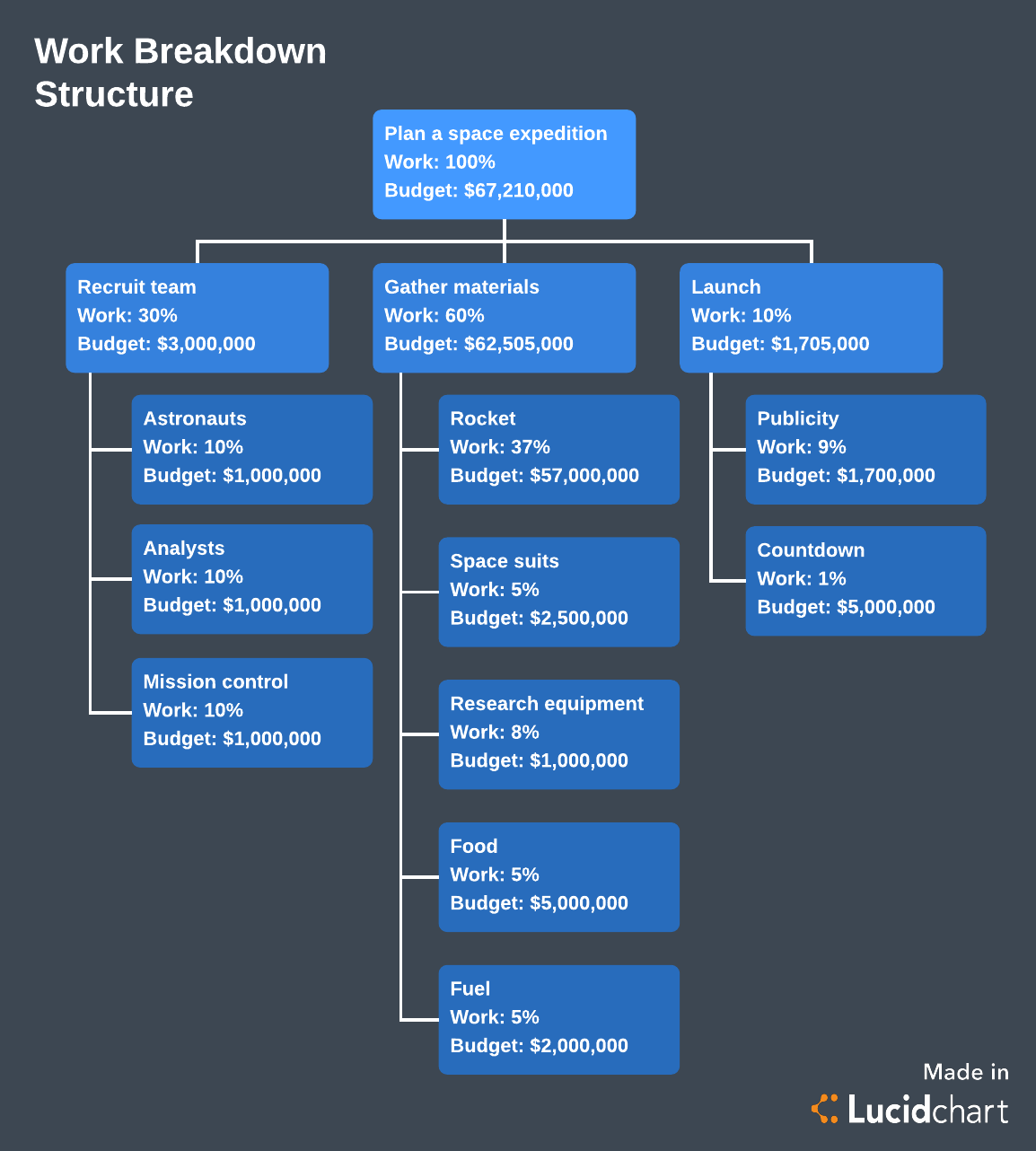
Work-breakdown structure (WBS)

A work-breakdown structure (WBS) in project management and systems engineering, is a deliverable-oriented breakdown of a project into smaller components. A work breakdown structure is a key project deliverable that organizes the team’s work into manageable sections phases, deliverables and…...

IDST Monthly Access Membership Required

You must be a IDST Monthly Access member to access this content.

Join Now

Already a member? Log in here

Project Statement of Work (SOW) in Aerospace projects

work breakdown structure template

Developing a needs or requirements document can be a very complex and challenging task. Requirements documents include statements of work, standards, specifications, and other documents mandated for use by law. The primary function of the SOW is to specify the…...

IDST Monthly Access Membership Required

You must be a IDST Monthly Access member to access this content.

Join Now

Already a member? Log in here

Microwave and mmWave Engineering design and analysis (EDA) tools for aerospace/defense communications, and automotive applications

ads2009screenshot lg1

Millimeter waves are electromagnetic signals with frequencies ranging from 30 to 300 GHz that correspond to wavelengths of 10 to 1 mm in free space. Electromagnetic waves in the millimeter-wave band have attractive characteristics. One of their features is the…...

IDST Monthly Access Membership Required

You must be a IDST Monthly Access member to access this content.

Join Now

Already a member? Log in here

System integration

System integration is defined in engineering as the process of bringing together the component sub-systems into one system (an aggregation of subsystems cooperating so that the system is able to deliver the overarching functionality) and ensuring that the subsystems function…...

IDST Monthly Access Membership Required

You must be a IDST Monthly Access member to access this content.

Join Now

Already a member? Log in here

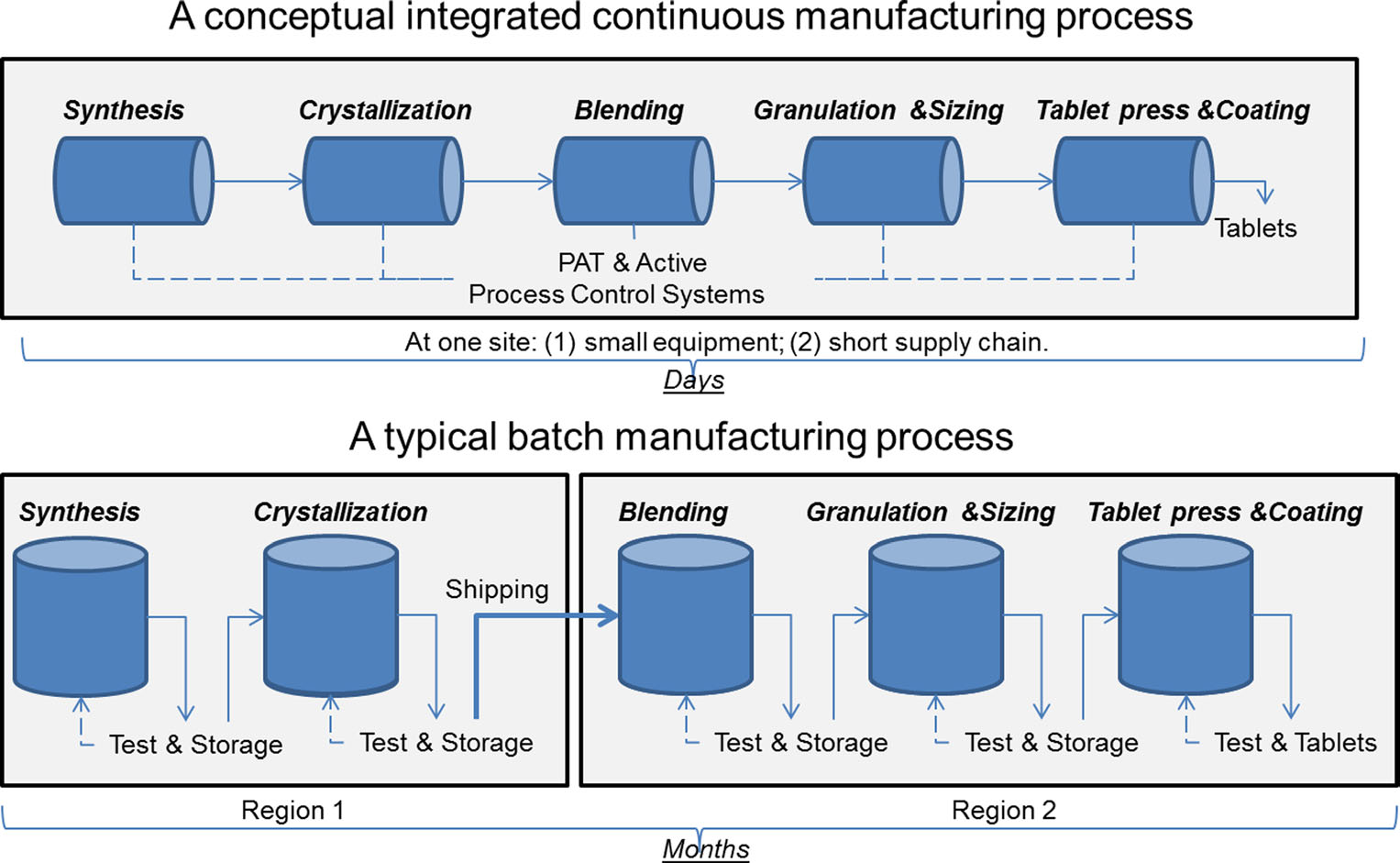
Continuous Manufacturing technology for “pharmacy on demand,”

Continuous Manufacturing

The manufacturing of pharmaceuticals has lagged behind the research and development of new therapeutics. The same batch processes that were used over a century ago are still being used today, while other industries have moved forward with automated and continuous…...

IDST Monthly Access Membership Required

You must be a IDST Monthly Access member to access this content.

Join Now

Already a member? Log in here

Missile manufacturing

In military terminology,  a missile is a guided airborne ranged weapon capable of self-propelled flight usually by a jet engine or rocket motor. Missiles have five system components: targeting, guidance system, flight system, engine, and warhead. Missiles come in types…...

IDST Monthly Access Membership Required

You must be a IDST Monthly Access member to access this content.

Join Now

Already a member? Log in here

DARPA RCM building Resilience into Chemical Manufacturing from supply chain disruptions.

The United States relies on chemical manufacturing to provide products ranging from everyday consumer goods (plastics, fabrics, adhesives, paints) to cutting edge technologies (medicines, electronic materials), industrial goods (dyes, pesticides) and military supplies (fuels, explosives). While many high-volume, petroleum-derived chemical…...

IDST Monthly Access Membership Required

You must be a IDST Monthly Access member to access this content.

Join Now

Already a member? Log in here

Hardware verification, testing and validation

Design in any discipline – electronics, mechanical, aerospace, etc. – begins with a specification that captures what the end product should do and essentially drives the entire development cycle.  Verification is intended to check that a product, service, or system…...

IDST Monthly Access Membership Required

You must be a IDST Monthly Access member to access this content.

Join Now

Already a member? Log in here