
Technology does not succeed on engineering merit alone. Industrial capacity, investment flows, supply chains, regulatory frameworks, and market incentives often determine which innovations achieve scale and which remain confined to laboratories. In an era of strategic competition, economic resilience and industrial strength have become critical components of national power, shaping the development and deployment of emerging technologies across defense, energy, communications, manufacturing, and advanced industries.
IDST Intelligence Briefings
Defense spending trends, industrial policy shifts, investment flows, mergers, and market concentration.
Why This Magazine Exists
Markets rarely operate in isolation from geopolitics, policy, or security considerations. This sub-magazine examines how industries evolve under strategic pressure, where capital is flowing, how governments influence technological outcomes, and why certain sectors gain or lose competitive advantage. It analyzes industrial ecosystems, investment trends, supply-chain dynamics, technology commercialization, mergers and acquisitions, regulatory developments, and market disruptions to understand how economic forces shape the future of innovation, competitiveness, and technological leadership.
What We Track
- Defense and strategic market trends
- Investment patterns and capital allocation
- Industrial policy and regulation
- Market concentration and competition
- Cost escalation and affordability
Latest Analysis & Intelligence
-
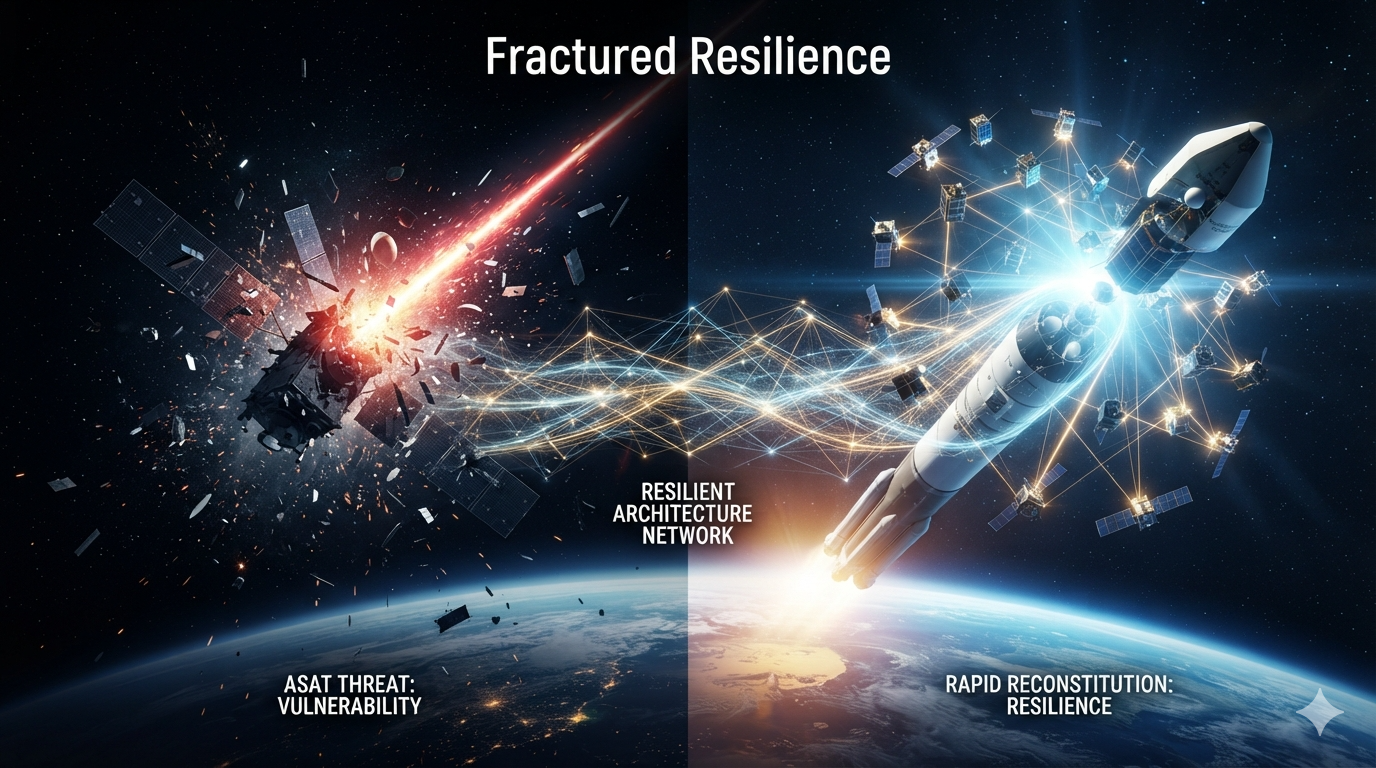
Resilient Space Power: DARPA’s Rapid Reconstitution Strategy and the Future of Military Space Operations
Introduction: From Space Superiority to Space Resilience For decades, military space strategy was built around a relatively simple assumption: protect a limited number of highly capable satellites that provided global communications, intelligence, missile warning, positioning, navigation, timing (PNT), and strategic command and control. These exquisite systems represented enormous technological achievements but also created a dangerous…
-
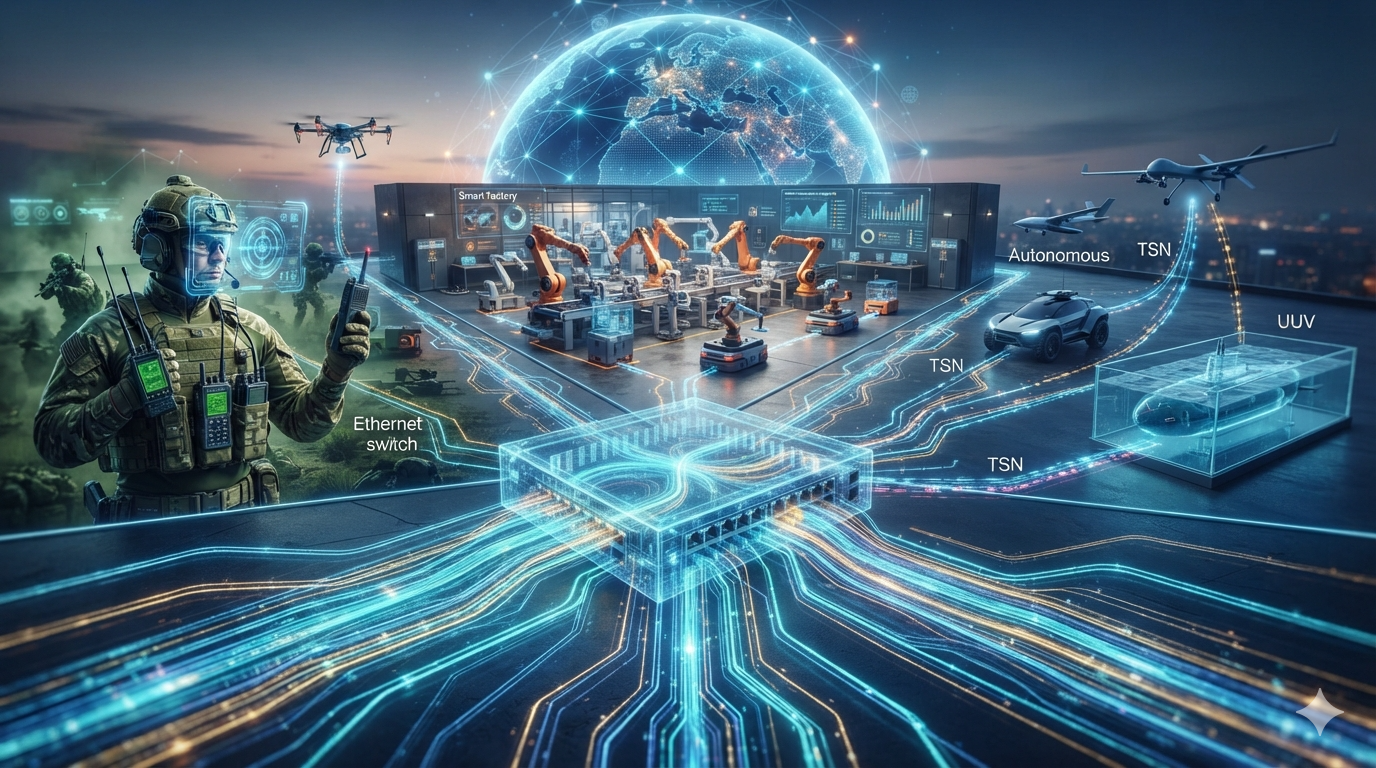
The Digital Backbone of Modern Warfare: How Next-Generation Ethernet is Transforming Defense, Industry, and Autonomous Systems
Strategic Context Control of information has become as decisive in modern conflict as control of territory. Across today’s multidomain battlespace, victory increasingly depends on the ability to collect, transport, process, and exploit enormous volumes of data with near-zero latency across land, sea, air, space, cyber, and electromagnetic domains. Whether coordinating autonomous drone swarms, integrating next-generation…
-
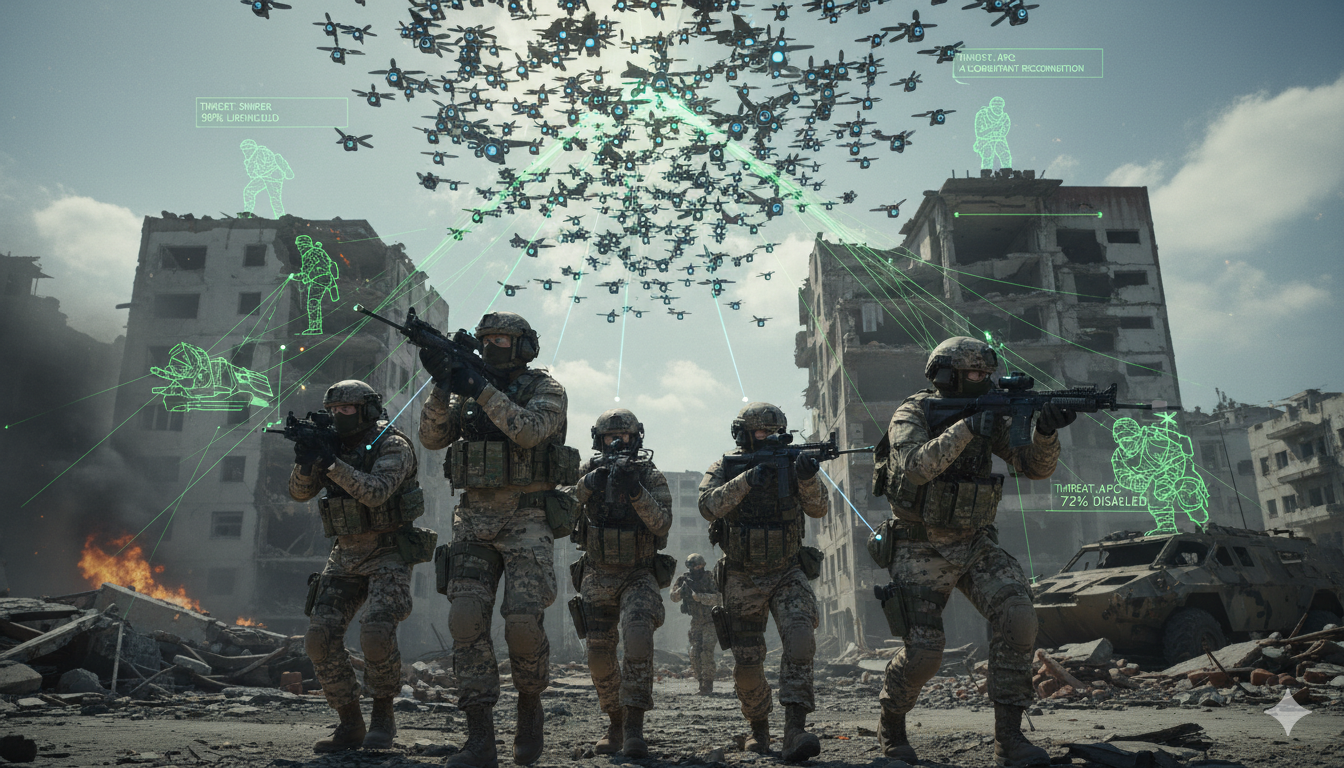
Connected Warrior Revolution: Global Growth of the Man-Portable Military Electronics Market
Strategic Context The character of ground warfare is undergoing its most profound transformation since the introduction of network-centric operations. The modern soldier is evolving from an individual combatant into an intelligent, connected combat node operating within an integrated multi-domain battlespace. Every soldier now serves simultaneously as a sensor, communicator, decision-maker, and precision strike enabler, continuously…
-
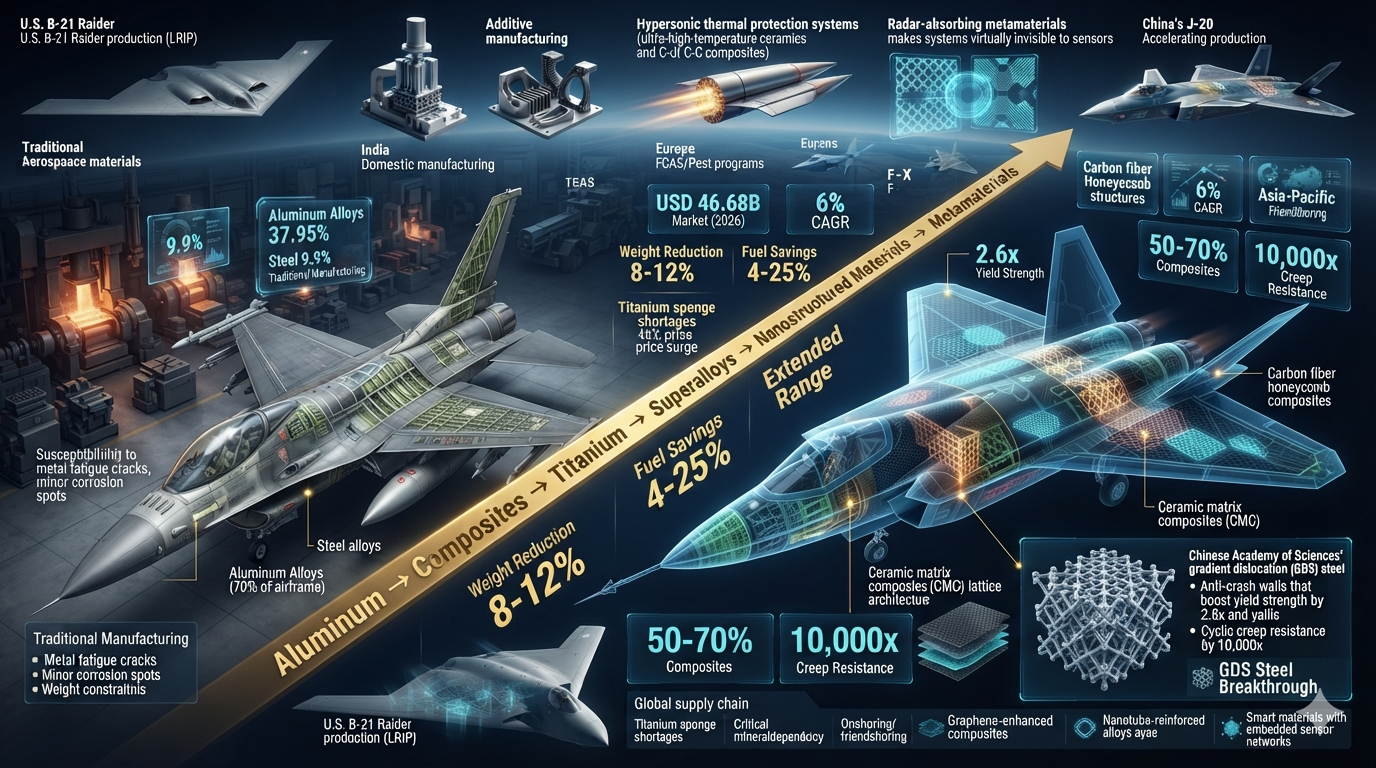
Forging the Future: Advanced Materials Transforming Military Aerospace
Introduction: Strategic Context Air superiority in the twenty-first century is no longer determined solely by faster engines, superior avionics, or more capable weapons. Increasingly, it is being shaped by the advanced materials that define the structure, survivability, endurance, and stealth of military aircraft. As major powers accelerate development of sixth-generation combat aircraft, hypersonic weapons, autonomous…
-
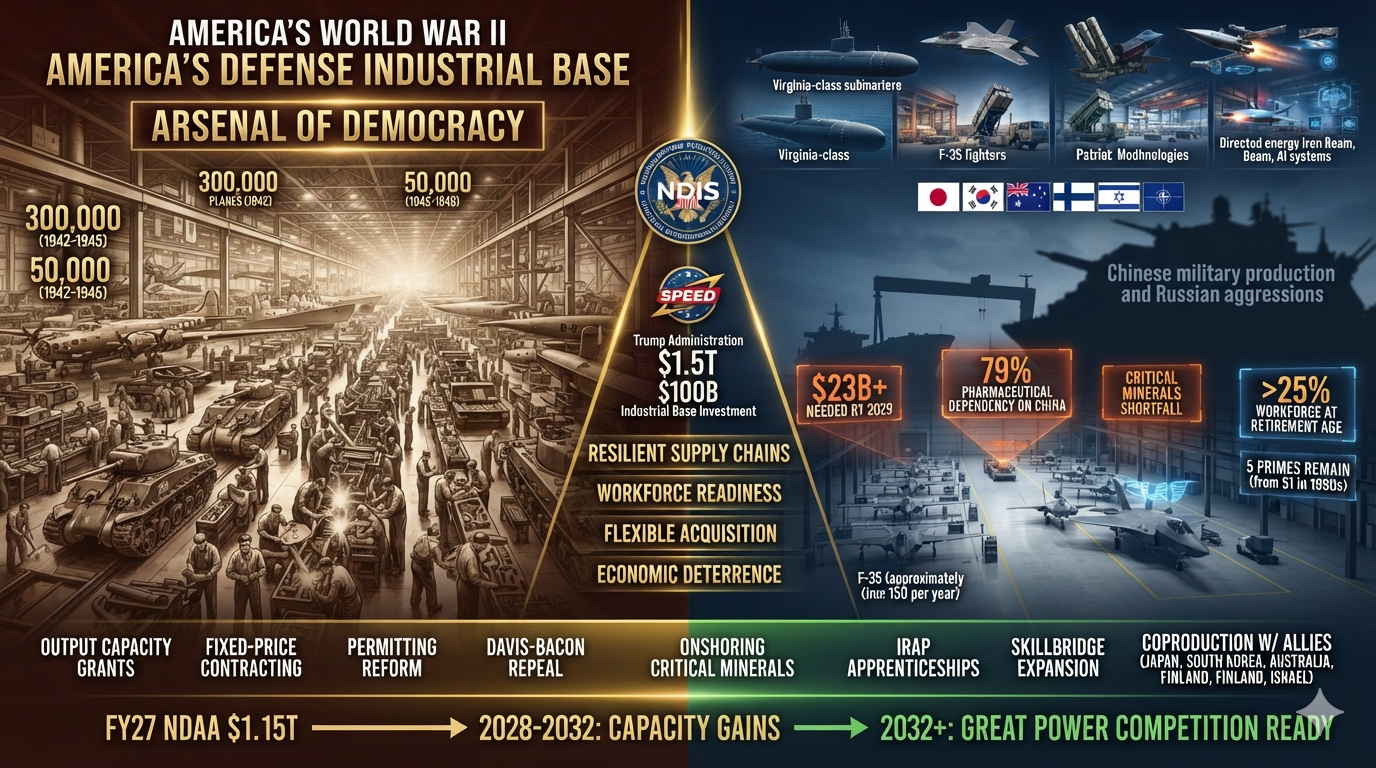
Bolstering National Security: Revitalizing the U.S. Defense Industrial Base for an Era of Great-Power Competition
Introduction: Strategic Context The outcome of future wars will depend not only on the sophistication of advanced weapons but also on the ability to design, manufacture, repair, and replenish them at scale. The wars in Ukraine and the Middle East, coupled with intensifying strategic competition in the Indo-Pacific, have demonstrated that military superiority cannot be…
-
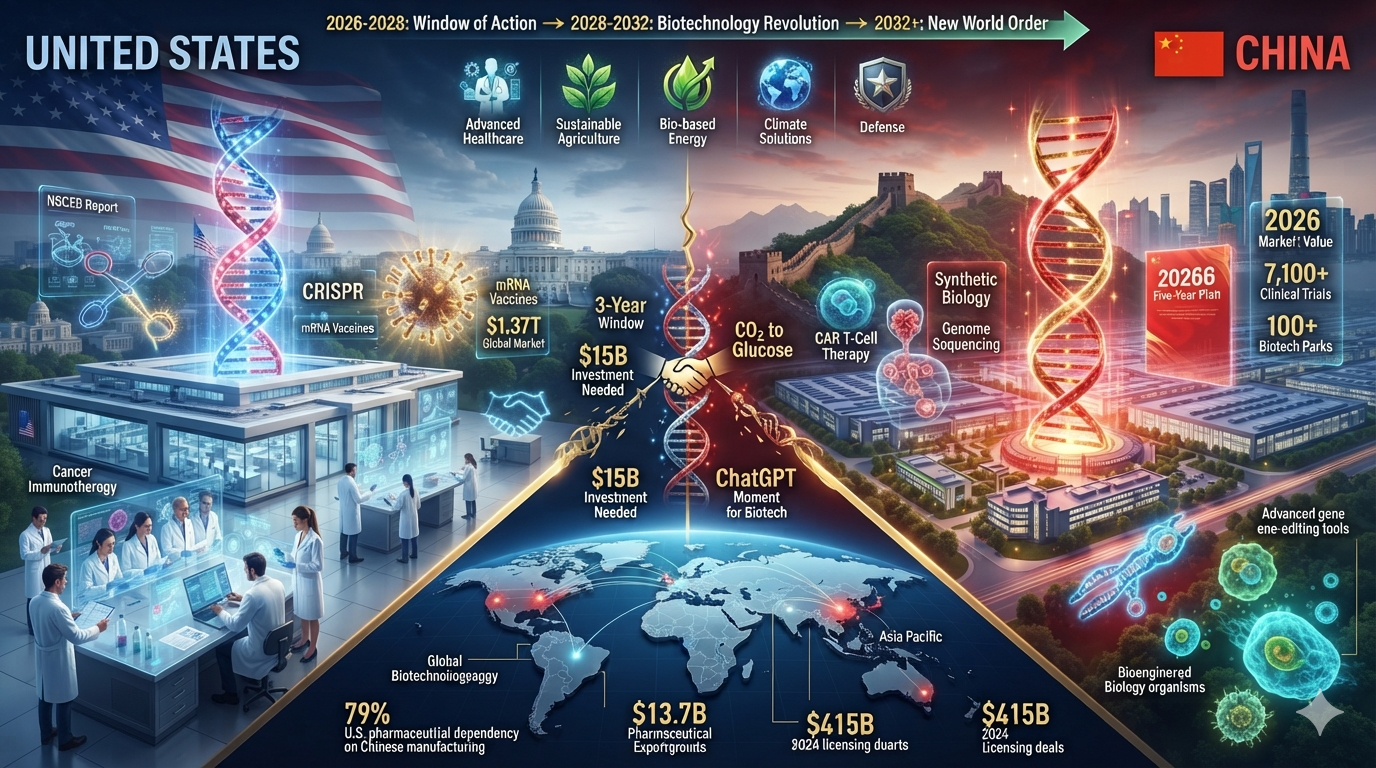
Biotechnology Superpowers: The U.S.-China Race for Dominance in the Global Bioeconomy
Introduction: Strategic Context The global competition for technological leadership is rapidly expanding beyond artificial intelligence, semiconductors, and quantum computing into an equally transformative domain—biotechnology. Often described as the next industrial revolution, biotechnology is reshaping healthcare, agriculture, advanced manufacturing, defense, energy, and environmental sustainability through the convergence of biology, engineering, automation, and artificial intelligence. Increasingly, biological…
-
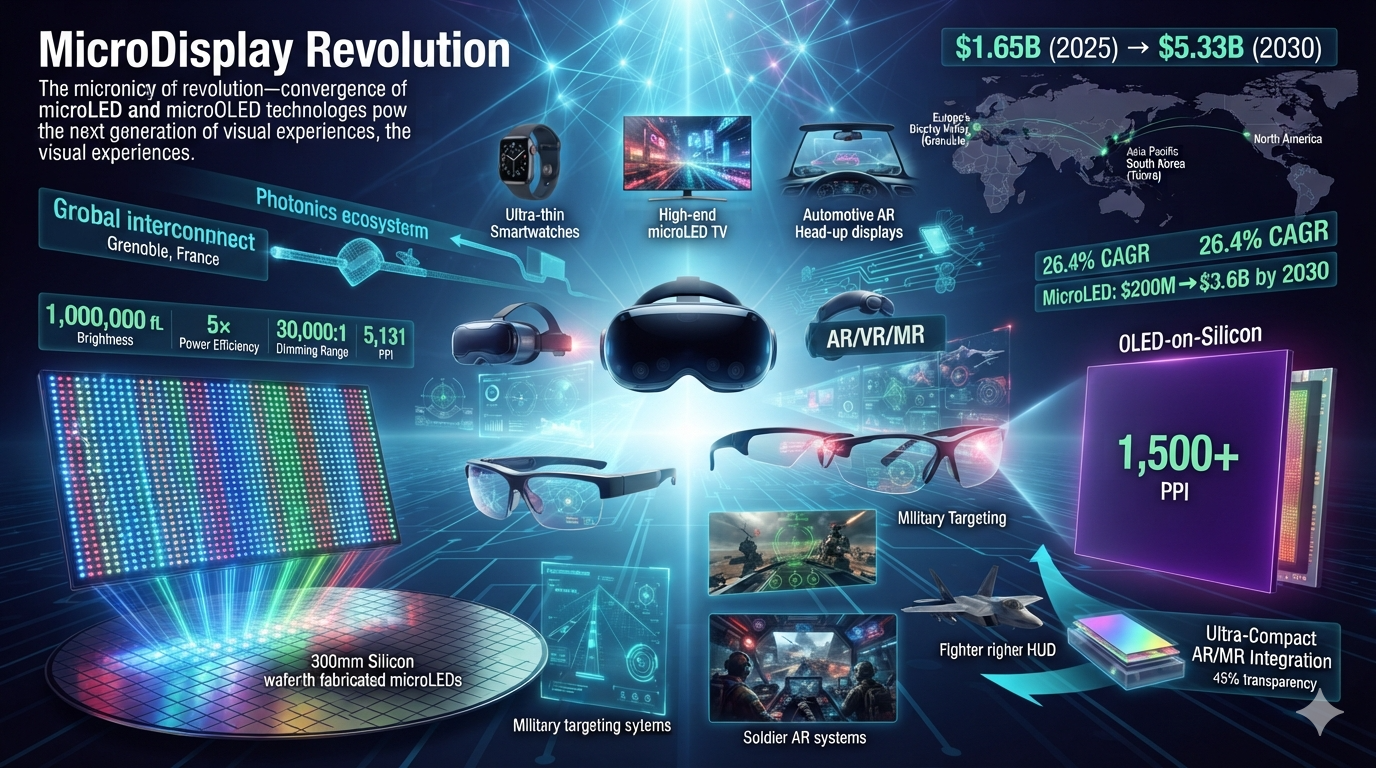
Microdisplay Revolution: How MicroLED and MicroOLED Are Shaping the Future of Defense, AI, and Spatial Computing
Introduction: Strategic Context The race to build lighter, brighter, and more energy-efficient displays has become a strategic competition extending far beyond consumer electronics. As augmented reality (AR), virtual reality (VR), mixed reality (MR), artificial intelligence, autonomous systems, and wearable computing become integral to military operations, industrial automation, healthcare, and next-generation consumer devices, microdisplay technologies have…
Related Domains & Cross-Cutting Themes
Procurement systems, supply chains, industrial governance, and strategic economics.
Industrial capacity and supply chains
Cyber-physical security
Climate, geography, and environmental stress
Human-machine coordination
System survivability under disruption
Explore the Critical & Emerging Technologies Magazine →
Explore the Industry, Markets & Supply Chains Magazine →
Explore the Space Technology, Defense & Exploration Magazine →