
At the core of every military system is the human operator. Even the most advanced platforms depend on trained personnel, cognitive resilience, and organizational effectiveness. As technology accelerates, the demands placed on soldiers, sailors, and aircrew continue to grow.
This sub-magazine focuses on the human dimension of military power.
IDST Intelligence Briefings
Our briefings examine how human performance, training systems, and force design interact with technology under operational stress
Why This Magazine Exists
The human element is often treated as secondary to hardware. In reality, personnel limitations frequently define operational ceilings.
This sub-magazine exists to analyze how people enable—or constrain—military capability in complex environments.
What We Track
- Soldier systems, protection, and mobility
- Training, simulation, and force readiness
- Cognitive load, decision-making, and fatigue
- Command structures and leadership models
- Integration of AI and decision-support tools
- Recruitment, retention, and force sustainability
Latest Analysis & Intelligence
-
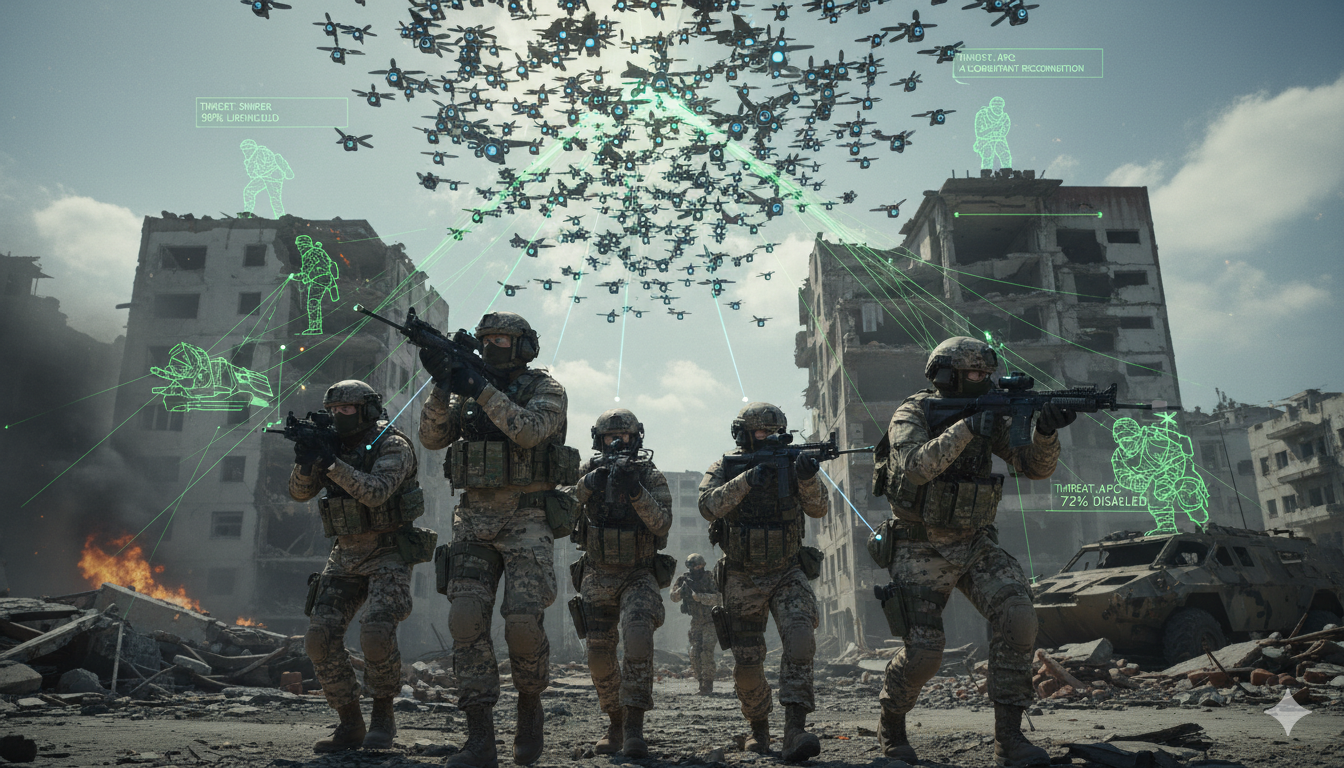
Connected Warrior Revolution: Global Growth of the Man-Portable Military Electronics Market
Strategic Context The character of ground warfare is undergoing its most profound transformation since the introduction of network-centric operations. The modern soldier is evolving from an individual combatant into an intelligent, connected combat node operating within an integrated multi-domain battlespace. Every soldier now serves simultaneously as a sensor, communicator, decision-maker, and precision strike enabler, continuously…
-
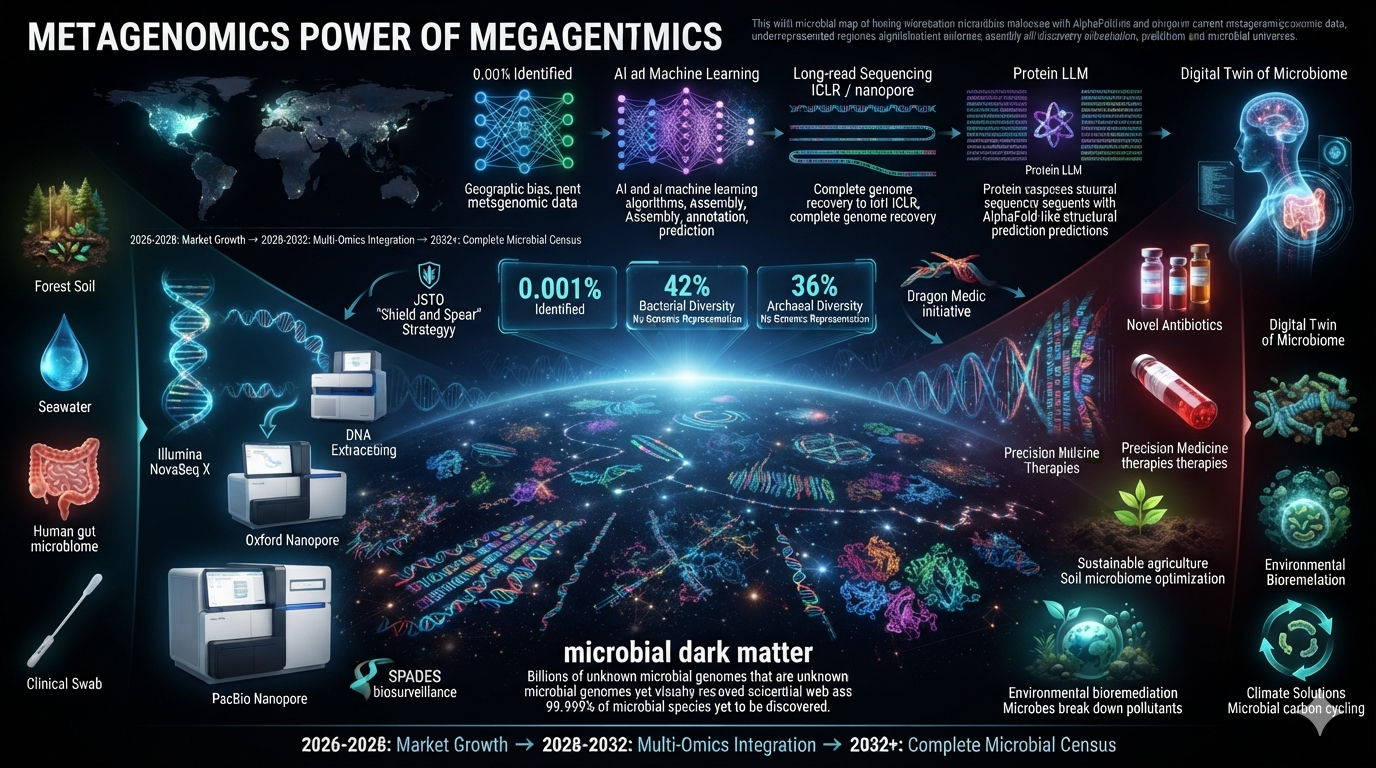
Unveiling the Microbial Universe: How Metagenomics Is Transforming Biotechnology, Precision Medicine, and Global Biosecurity
Introduction: Strategic Context The twenty-first century biotechnology revolution is increasingly being driven not only by the ability to edit genes but also by the ability to understand entire microbial ecosystems. While genomics decoded individual organisms, metagenomics has unlocked the collective genetic blueprint of entire microbial communities, revealing an enormous reservoir of biological diversity that had…
-
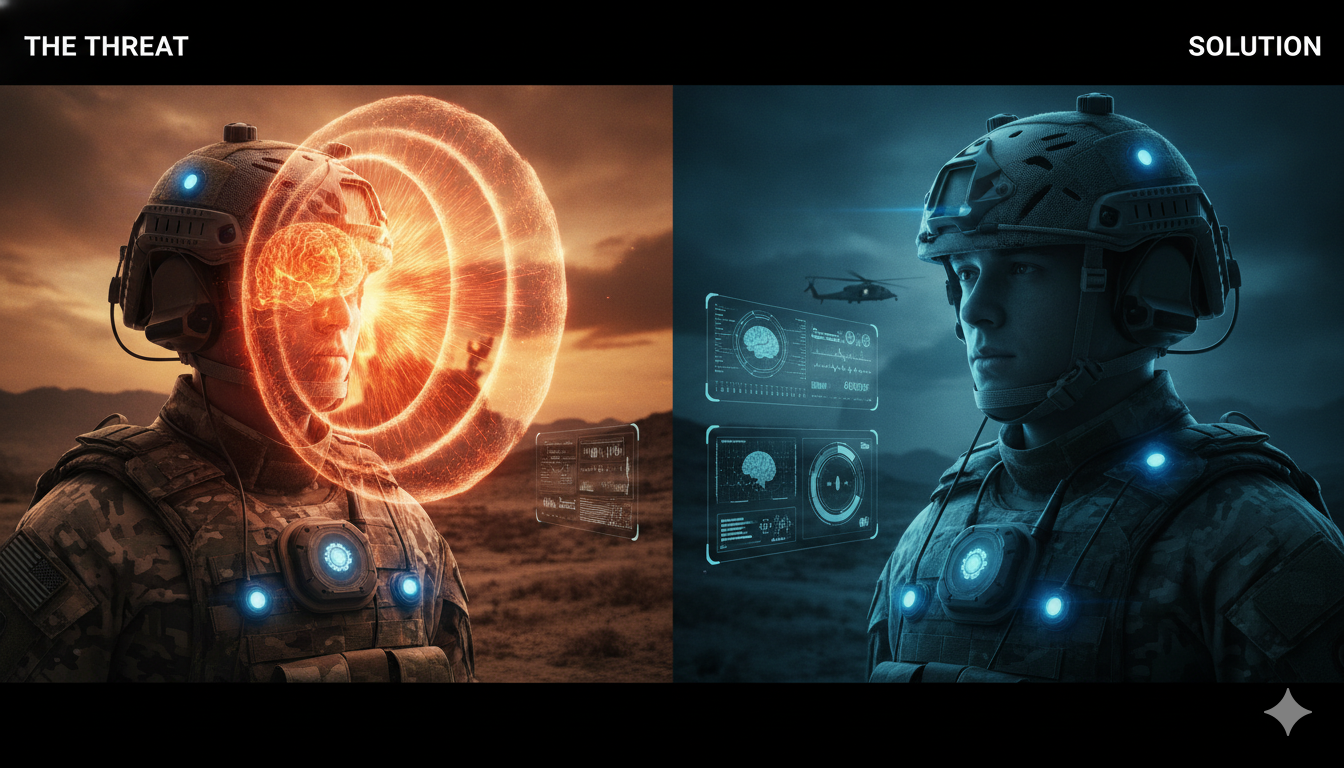
Advancements in Blast Pressure Sensors and Protection Against Traumatic Brain Injury
The Invisible Battlefield: Blast Overpressure and the New Challenge of Modern Warfare Modern warfare is exposing soldiers to an unprecedented neurological threat that often leaves no visible wounds. While advances in body armor, helmets, battlefield medicine, and rapid evacuation have dramatically improved survival rates, they have also revealed a growing epidemic of blast-induced traumatic brain…
-

The Tiny Pacemaker Revolution: Intelligent, Leadless and Dissolvable Devices Transforming Cardiac Care
Cardiac Rhythm Management Enters a New Era Cardiovascular disease remains the world’s leading cause of death, affecting hundreds of millions of people and placing enormous pressure on healthcare systems worldwide. As populations age and chronic heart disease becomes increasingly prevalent, demand for safer, smaller, and more intelligent cardiac rhythm management technologies continues to grow. At…
-
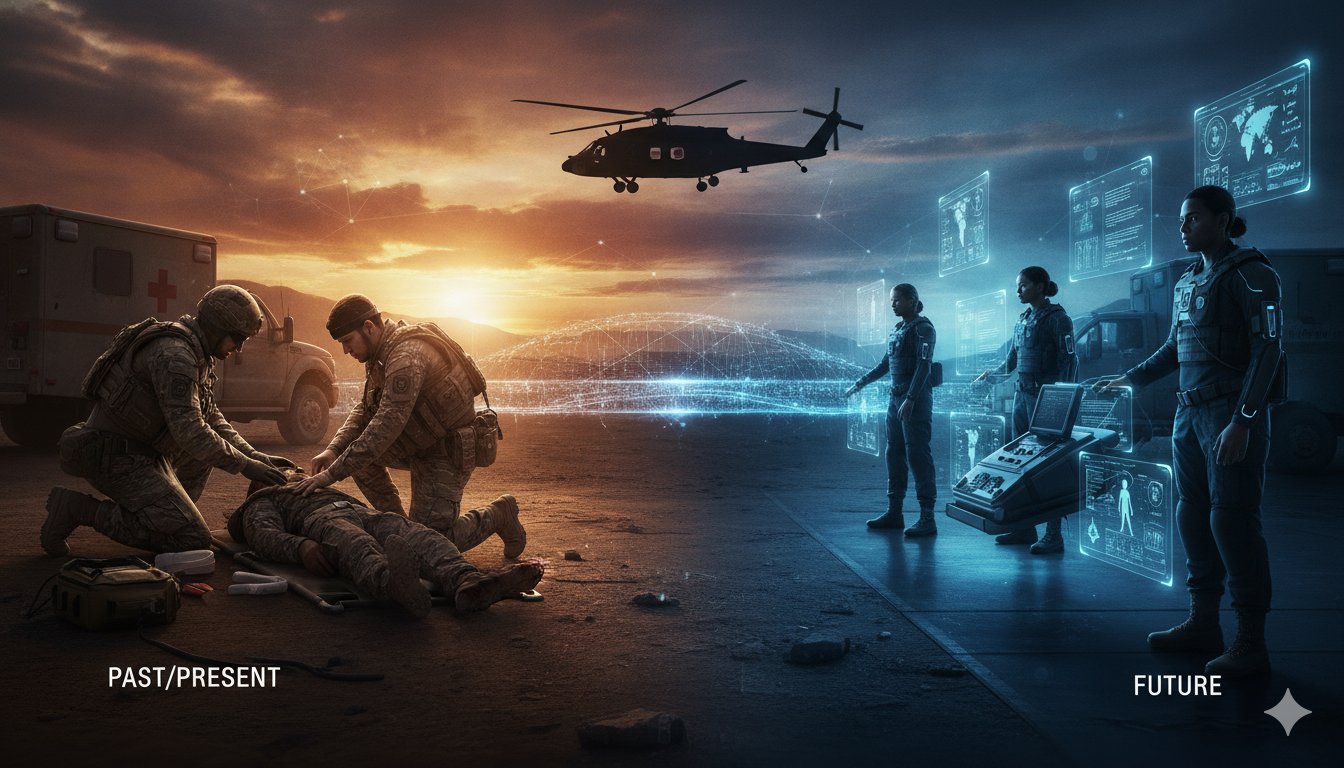
Emerging Technologies Revolutionizing Military Medical Care: AI, Biotechnology and the Future of Battlefield Medicine
Introduction: Military Medicine Enters the Age of Intelligent Healthcare Military medicine is undergoing its most significant transformation since the advent of modern trauma care. Once focused primarily on emergency treatment and casualty evacuation, it is rapidly evolving into an intelligent, technology-driven capability that directly enhances combat effectiveness, operational endurance, and force readiness. Advances in artificial…
-

The Eye-Tracking Revolution: How AI, Deflectometry, and Spatial Computing Are Transforming Human-Machine Interaction
Introduction: Eye Tracking Becomes Strategic Infrastructure Eye tracking is rapidly evolving from a niche research tool into a foundational technology for the next generation of digital, industrial, healthcare, defense, and spatial computing ecosystems. Between 2024 and 2026, advances in artificial intelligence, computer vision, photonics, sensor miniaturization, and augmented reality have transformed gaze estimation from a…
-

Green Factories 2026: How Plant Synthetic Biology is Revolutionizing Biomanufacturing, Strategic Supply Chains, and the Global Bioeconomy
For much of modern biotechnology, microorganisms such as bacteria and yeast, along with mammalian cell cultures, have served as the foundation of industrial biomanufacturing. They produce vaccines, enzymes, pharmaceuticals, specialty chemicals, and biofuels that support trillion-dollar industries. However, these systems require energy-intensive bioreactors, sterile infrastructure, sophisticated logistics, and expensive downstream processing. As global demand for…
Related Domains & Cross-Cutting Themes
Defense systems do not operate in isolation. Readers may also explore how military technologies intersect with geopolitics, industrial capacity, emerging technologies, and future warfare concepts across the IDST intelligence network.
Ethics and human–machine teaming
Organizational culture and adaptation
Medical support and survivability
Long-term force regeneration
Explore the Critical & Emerging Technologies Magazine →
Explore the Industry, Markets & Supply Chains Magazine →
Explore the Space Technology, Defense & Exploration Magazine →