
At the core of every military system is the human operator. Even the most advanced platforms depend on trained personnel, cognitive resilience, and organizational effectiveness. As technology accelerates, the demands placed on soldiers, sailors, and aircrew continue to grow.
This sub-magazine focuses on the human dimension of military power.
IDST Intelligence Briefings
Our briefings examine how human performance, training systems, and force design interact with technology under operational stress
Why This Magazine Exists
The human element is often treated as secondary to hardware. In reality, personnel limitations frequently define operational ceilings.
This sub-magazine exists to analyze how people enable—or constrain—military capability in complex environments.
What We Track
- Soldier systems, protection, and mobility
- Training, simulation, and force readiness
- Cognitive load, decision-making, and fatigue
- Command structures and leadership models
- Integration of AI and decision-support tools
- Recruitment, retention, and force sustainability
Latest Analysis & Intelligence
-
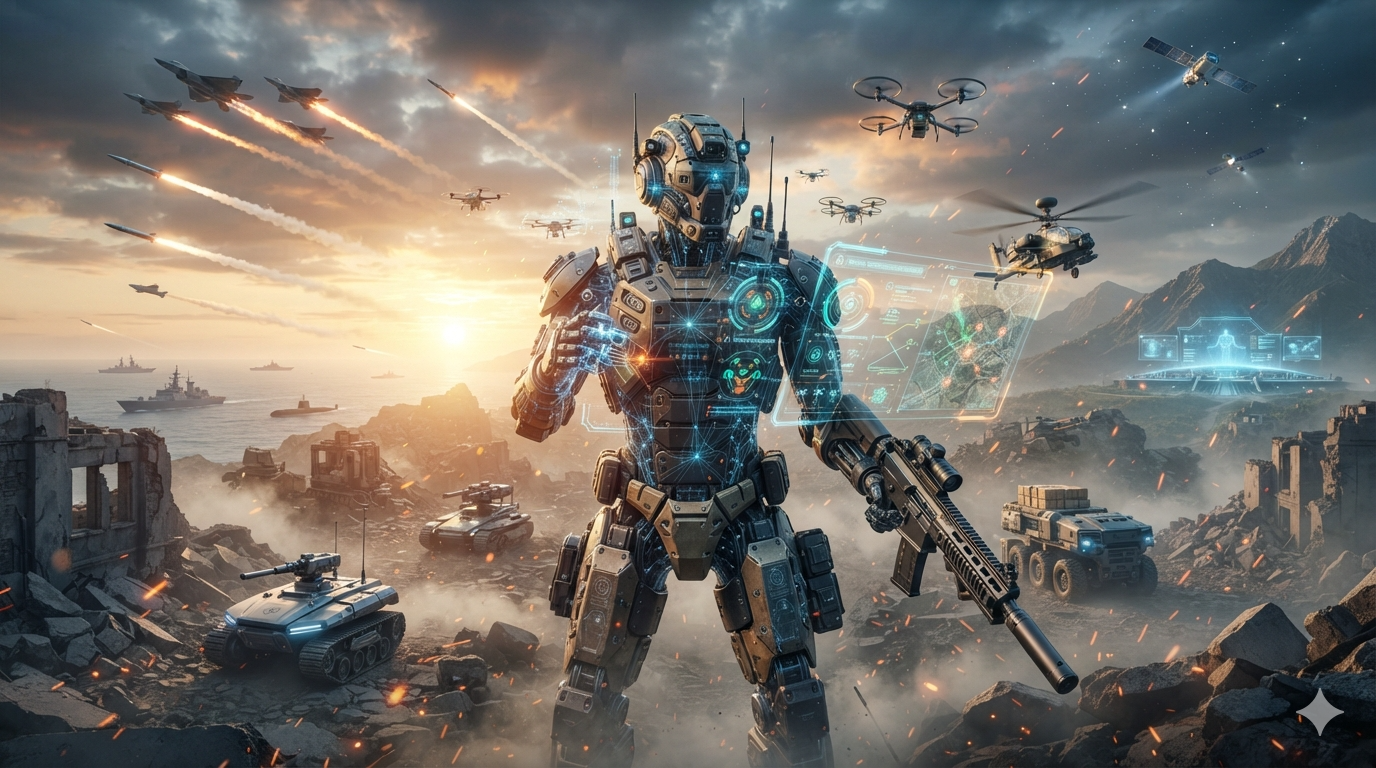
Humanoid Military Robots: The Race to Build the AI Soldier of the Future
Introduction: The Dawn of Embodied Warfare Artificial intelligence is rapidly evolving beyond software into the physical world, creating what many experts describe as the next revolution in military technology: embodied AI. For decades, militaries have relied on unmanned aerial vehicles, autonomous underwater vehicles, and ground robots designed for specialized missions. The next generation of defense…
-

Beyond Touchscreens: Advanced Haptic Technologies Reshaping Human–Machine Interaction, Defense Systems, and the Future Battlefield
Introduction: The Strategic Rise of Haptics in the AI Era The next revolution in human-machine interaction will not be driven solely by artificial intelligence or augmented reality—it will be driven by the ability of machines to communicate through touch. As digital systems become increasingly autonomous, distributed, and immersive, tactile feedback has emerged as a critical…
-
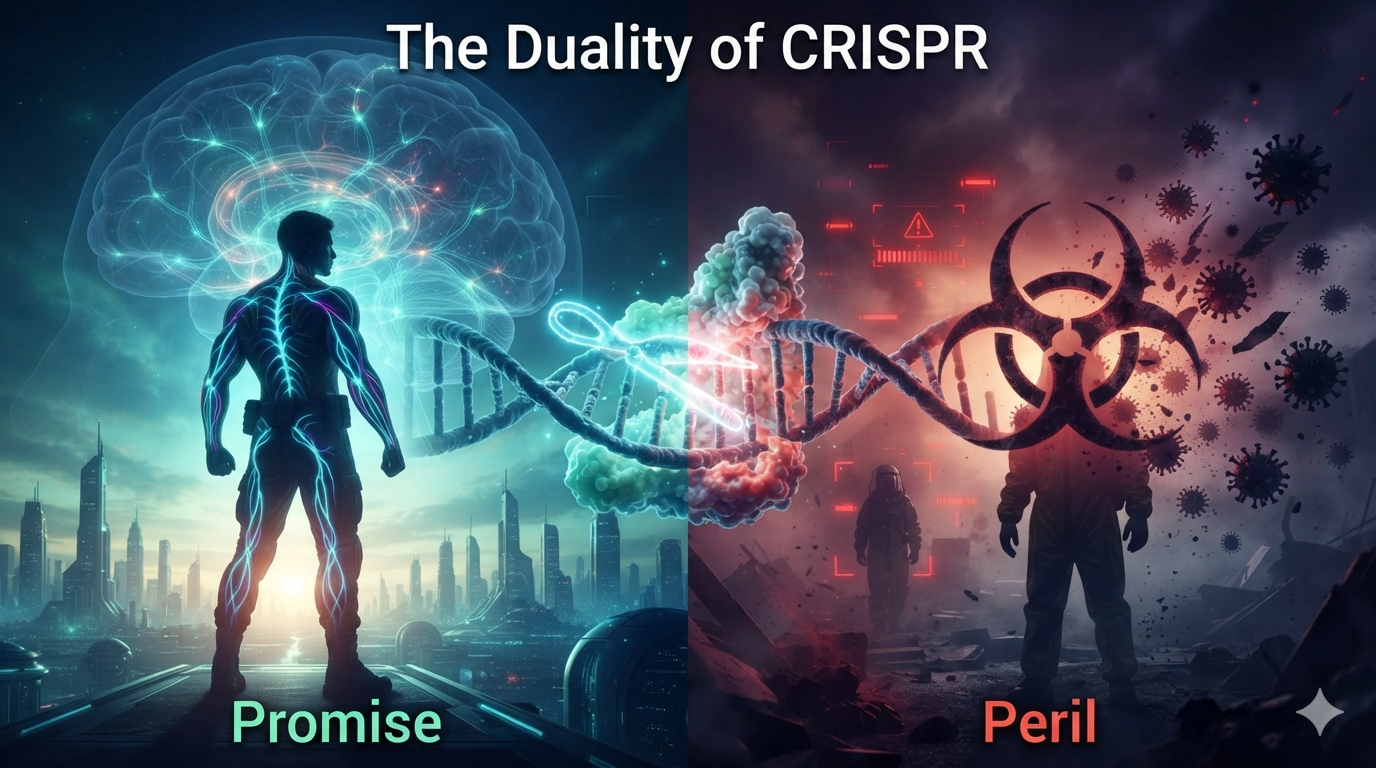
CRISPR, Human Enhancement and the New Genetic Arms Race: How Gene Editing Could Reshape Military Power, National Security and Global Biotechnology Competition
The Strategic Emergence of Gene Editing as a National Power Technology The twenty-first century competition among nations is increasingly being shaped by technologies capable of transforming the foundations of economic productivity, military effectiveness, and societal resilience. Artificial intelligence, quantum technologies, advanced semiconductors, and biotechnology now occupy the center of strategic planning across major powers. Among…
-
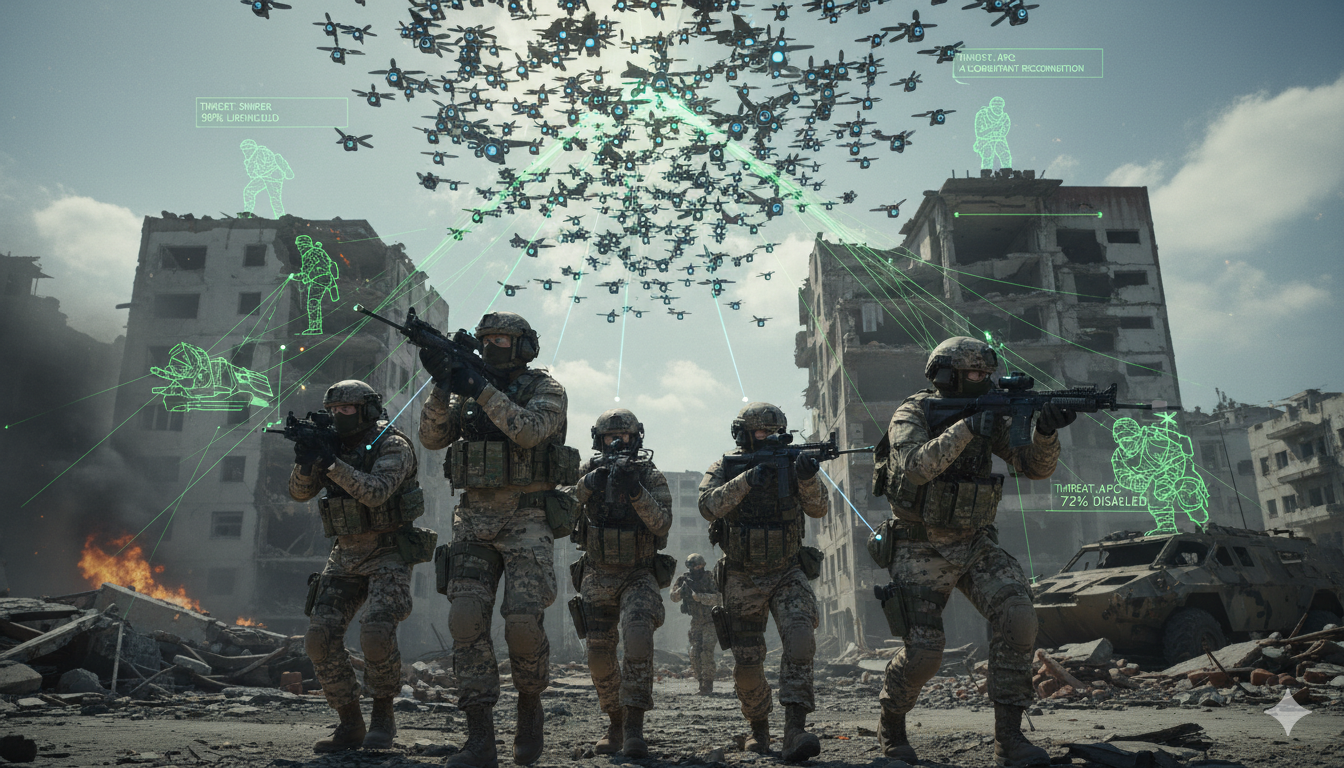
Connected Warrior Revolution: Global Growth of the Man-Portable Military Electronics Market
Strategic Context The character of ground warfare is undergoing its most profound transformation since the introduction of network-centric operations. The modern soldier is evolving from an individual combatant into an intelligent, connected combat node operating within an integrated multi-domain battlespace. Every soldier now serves simultaneously as a sensor, communicator, decision-maker, and precision strike enabler, continuously…
-
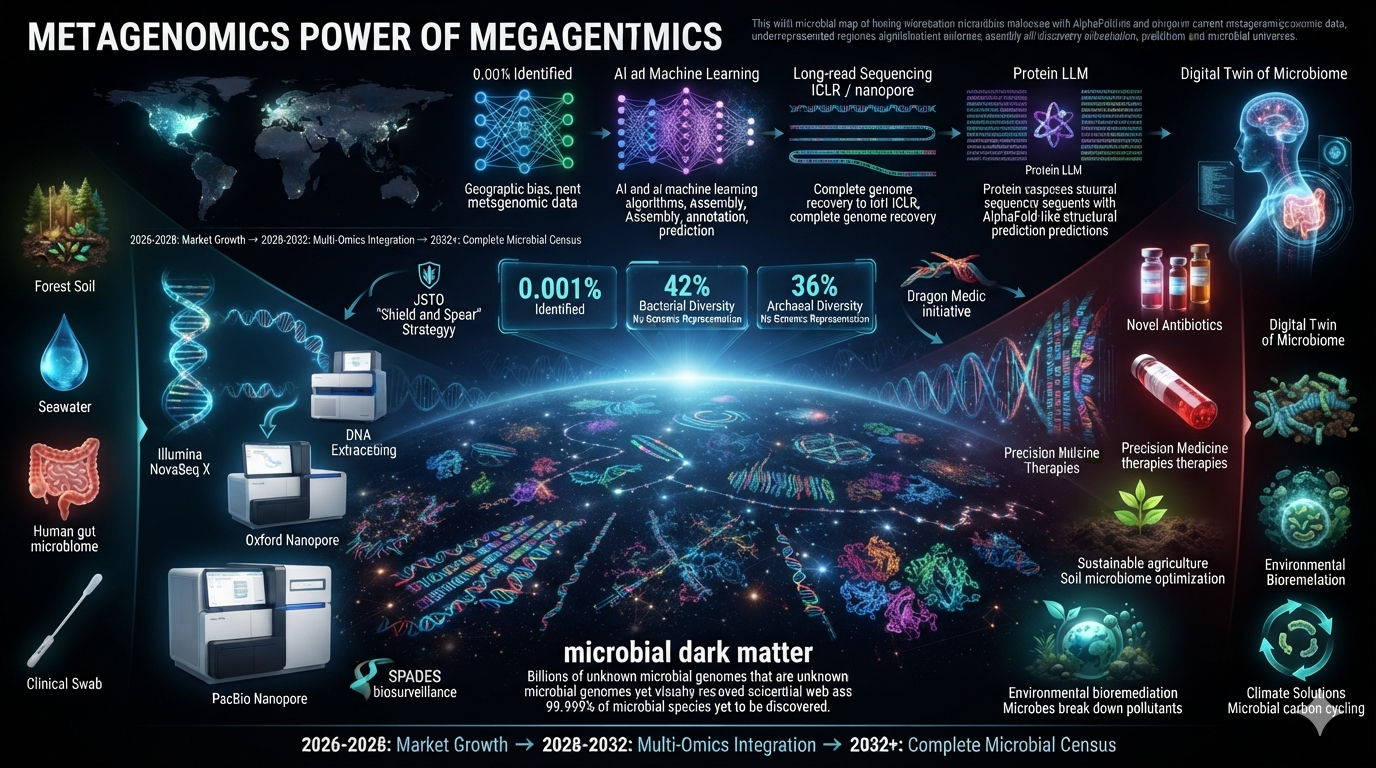
Unveiling the Microbial Universe: How Metagenomics Is Transforming Biotechnology, Precision Medicine, and Global Biosecurity
Introduction: Strategic Context The twenty-first century biotechnology revolution is increasingly being driven not only by the ability to edit genes but also by the ability to understand entire microbial ecosystems. While genomics decoded individual organisms, metagenomics has unlocked the collective genetic blueprint of entire microbial communities, revealing an enormous reservoir of biological diversity that had…
-
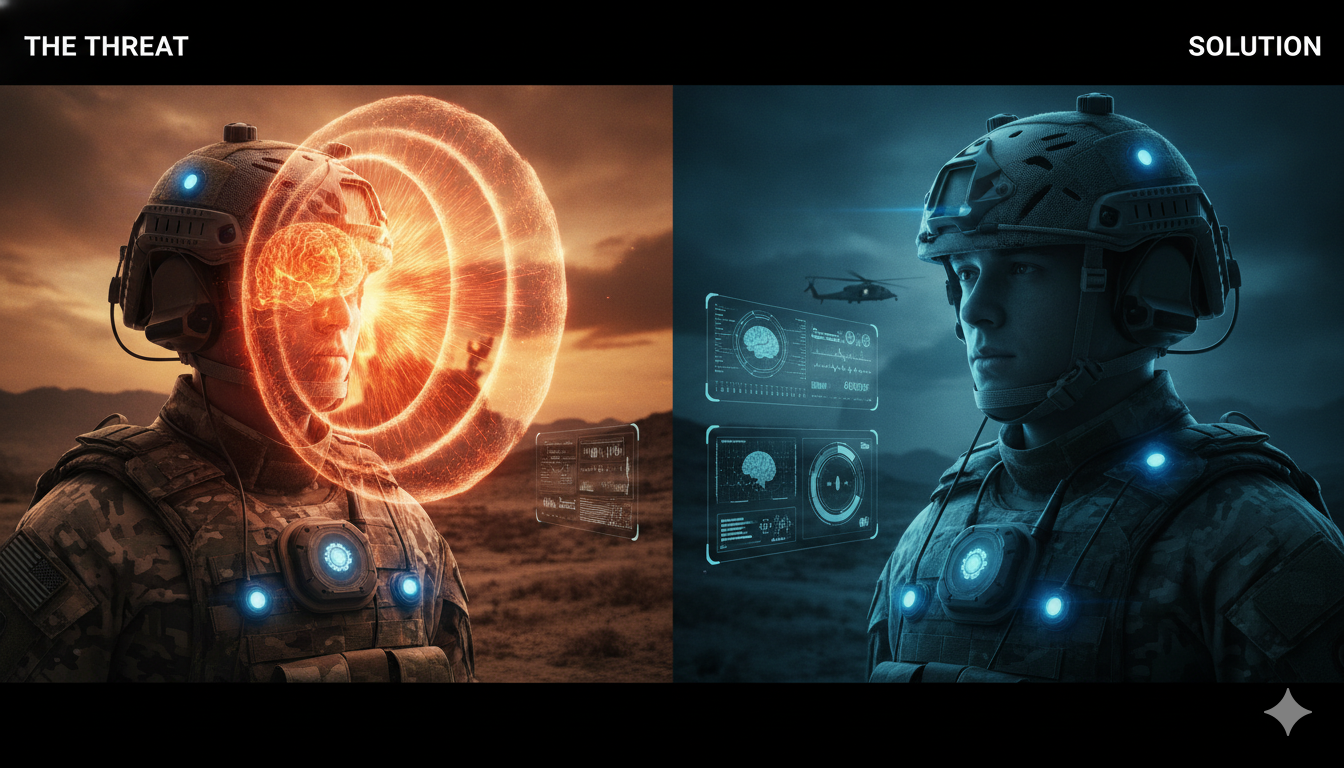
Advancements in Blast Pressure Sensors and Protection Against Traumatic Brain Injury
The Invisible Battlefield: Blast Overpressure and the New Challenge of Modern Warfare Modern warfare is exposing soldiers to an unprecedented neurological threat that often leaves no visible wounds. While advances in body armor, helmets, battlefield medicine, and rapid evacuation have dramatically improved survival rates, they have also revealed a growing epidemic of blast-induced traumatic brain…
-
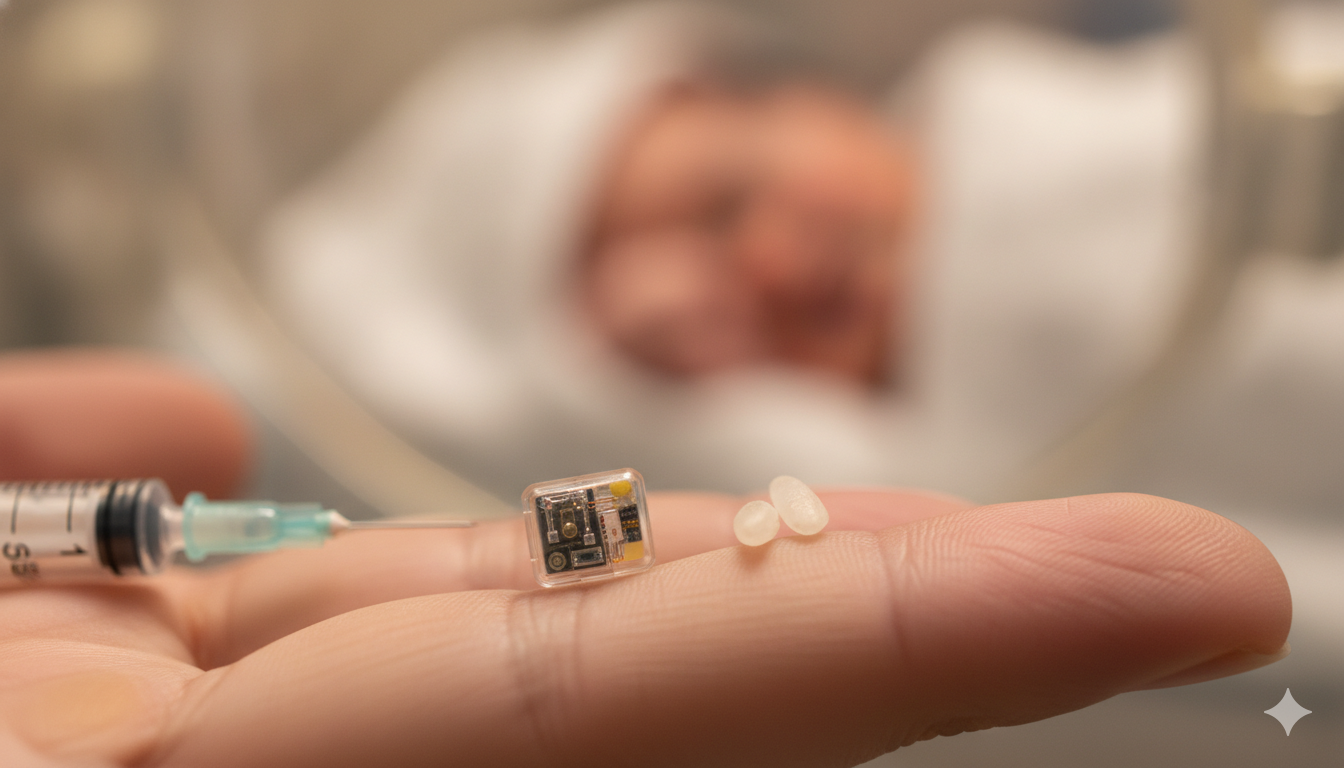
The Tiny Pacemaker Revolution: Intelligent, Leadless and Dissolvable Devices Transforming Cardiac Care
Cardiac Rhythm Management Enters a New Era Cardiovascular disease remains the world’s leading cause of death, affecting hundreds of millions of people and placing enormous pressure on healthcare systems worldwide. As populations age and chronic heart disease becomes increasingly prevalent, demand for safer, smaller, and more intelligent cardiac rhythm management technologies continues to grow. At…
Related Domains & Cross-Cutting Themes
Defense systems do not operate in isolation. Readers may also explore how military technologies intersect with geopolitics, industrial capacity, emerging technologies, and future warfare concepts across the IDST intelligence network.
Ethics and human–machine teaming
Organizational culture and adaptation
Medical support and survivability
Long-term force regeneration
Explore the Critical & Emerging Technologies Magazine →
Explore the Industry, Markets & Supply Chains Magazine →
Explore the Space Technology, Defense & Exploration Magazine →