
Global Risks & Future Threats examines the emerging dangers that sit beyond traditional military confrontation—where systemic shocks, technological acceleration, and cascading failures reshape global stability. This sub-magazine focuses on risks that evolve quietly, compound over time, and often materialize faster than institutions can respond, redefining what “security” means in the 21st century.
Rather than reacting to headlines, the analysis centers on early signals, structural vulnerabilities, and long-range threat trajectories that could destabilize societies, economies, and governance systems.
IDST Intelligence Briefings
These intelligence briefings explore how strategic choices are made and governed—across doctrine, policy, institutional design, and long-term planning. The focus is on structural logic rather than tactical events.
Why This Sub-Magazine Exists
Traditional geopolitical analysis often separates diplomacy, military power, economics, and technology into silos. This sub-magazine exists to integrate them. It analyzes how strategic intent translates into capability, how technological advantage alters power balances, and how rivalries evolve over decades rather than news cycles.
Positioning Logic
- This sub-magazine is forward-looking, not reactive
- No platform-level military hardware here
- Focus = threat emergence, not force response
- Complements Geopolitics without overlapping it
What We Track
Key intelligence areas covered include:
- Systemic global risks and cascading failure scenarios
- Technological acceleration risks (AI, biotech, autonomous systems)
- Climate-linked security threats and resource stress
- Pandemic, biosecurity, and synthetic biology risks
- Infrastructure fragility and critical system dependencies
- Space, cyber, and information domain vulnerabilities
- Long-term threat forecasting and scenario analysis
Latest Analysis & Intelligence
-
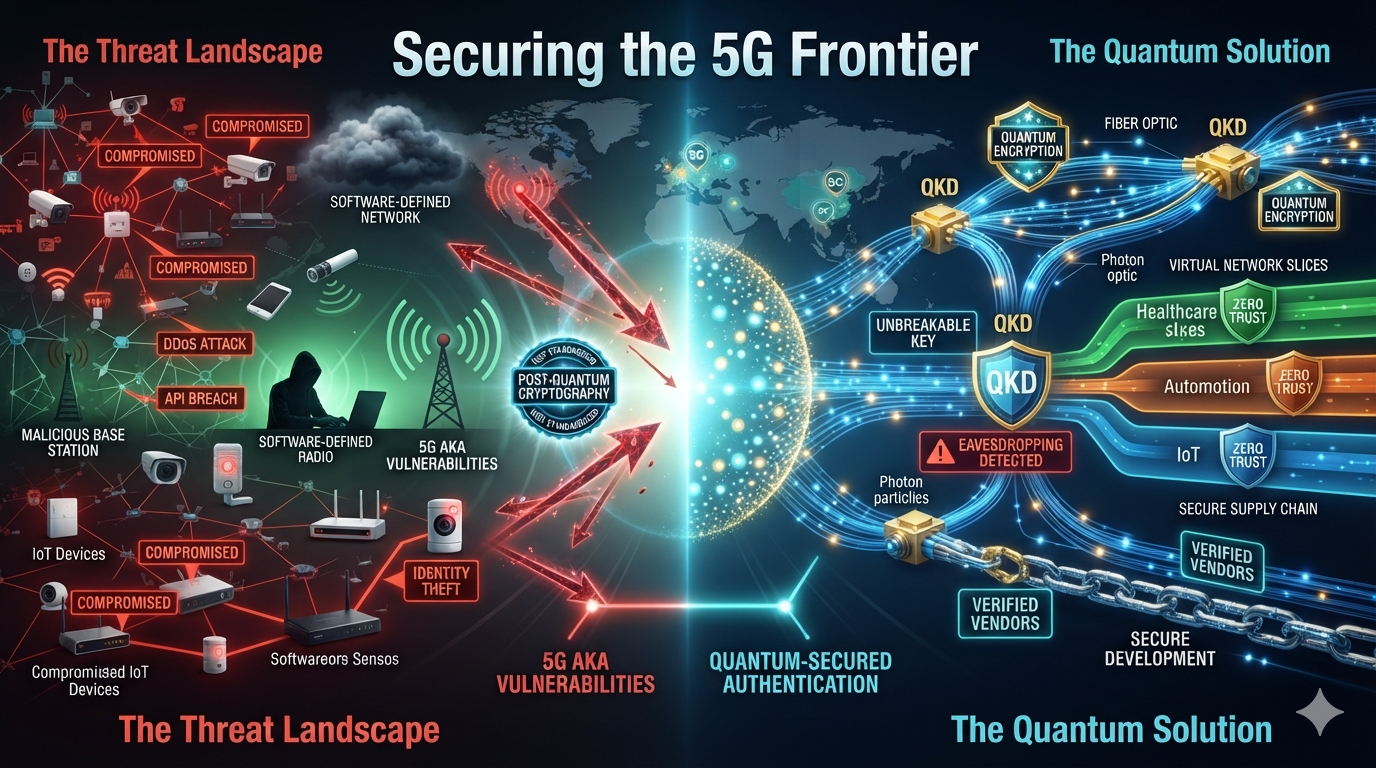
Securing 5G in the Quantum Age: AI, Zero Trust, and the Battle for Next-Generation Telecom Networks
Introduction: 5G Has Become the Digital Battlefield of the Twenty-First Century The global race to deploy fifth-generation (5G) wireless networks has evolved far beyond faster smartphones and higher data rates. Today, 5G forms the digital nervous system connecting military forces, autonomous vehicles, smart cities, industrial automation, healthcare, financial systems, satellites, and critical national infrastructure. As…
-
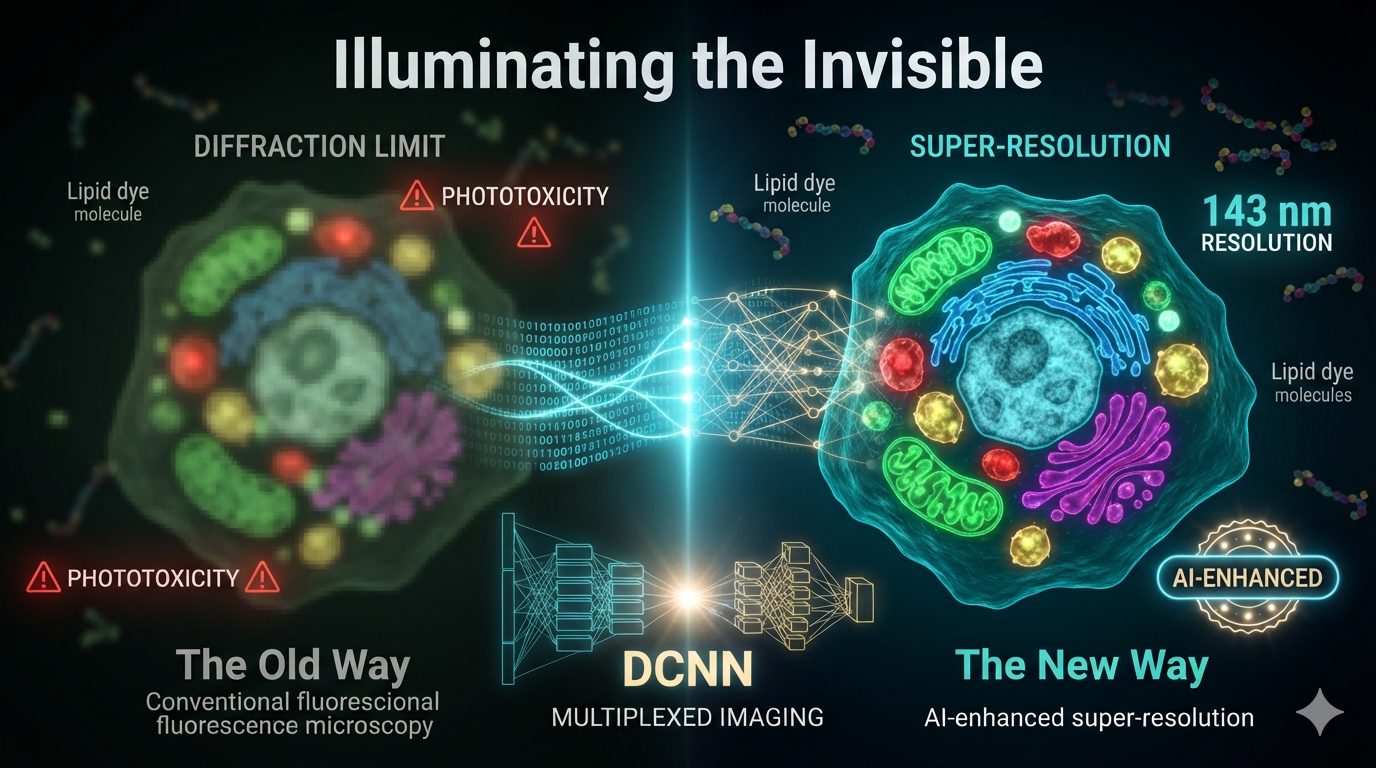
Beyond the Diffraction Limit: How AI-Powered Super-Resolution Microscopy Is Transforming Cellular Intelligence, Precision Medicine, and Biodefense
Introduction: Artificial Intelligence Is Opening the Last Frontier Inside Living Cells The next revolution in biotechnology is not being driven solely by genomics, synthetic biology, or artificial intelligence—it is emerging from the convergence of all three through a new generation of AI-powered imaging systems capable of observing life at nanometer resolution inside living cells. Long…
-
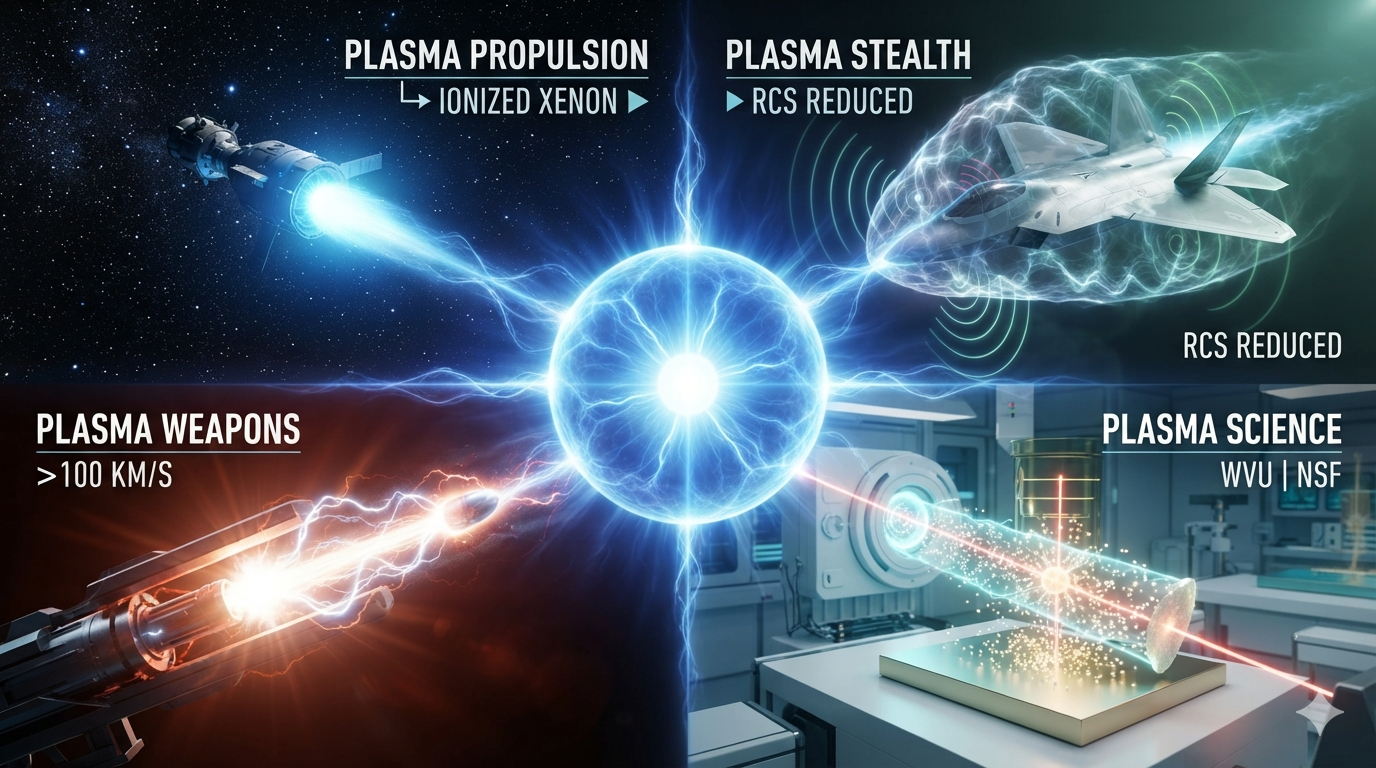
Seeing the Invisible: How Advanced Plasma Diagnostics Are Transforming Semiconductor Manufacturing, Fusion Energy, and Defense Technologies
Strategic Context: The Invisible Battlefield Driving the Next Industrial and Defense Revolution Plasma—the ionized fourth state of matter—has quietly become one of the most strategically important technologies of the twenty-first century. While largely invisible to the public, controlled plasmas underpin the production of nearly every advanced semiconductor, enable electric propulsion systems aboard modern satellites, support…
-

Beyond Detection: How DARPA’s Bio-Attribution Challenge Is Redefining Biothreat Intelligence and Genomic Forensics
Strategic Context: The Race to Attribute Engineered Biology The twenty-first century has witnessed a revolution in synthetic biology, genome editing, and artificial intelligence that is transforming medicine, agriculture, and biotechnology. The same technologies, however, are also reshaping biological security. Gene synthesis has become faster and cheaper, CRISPR-based editing has democratized genetic engineering, and AI-driven protein…
-
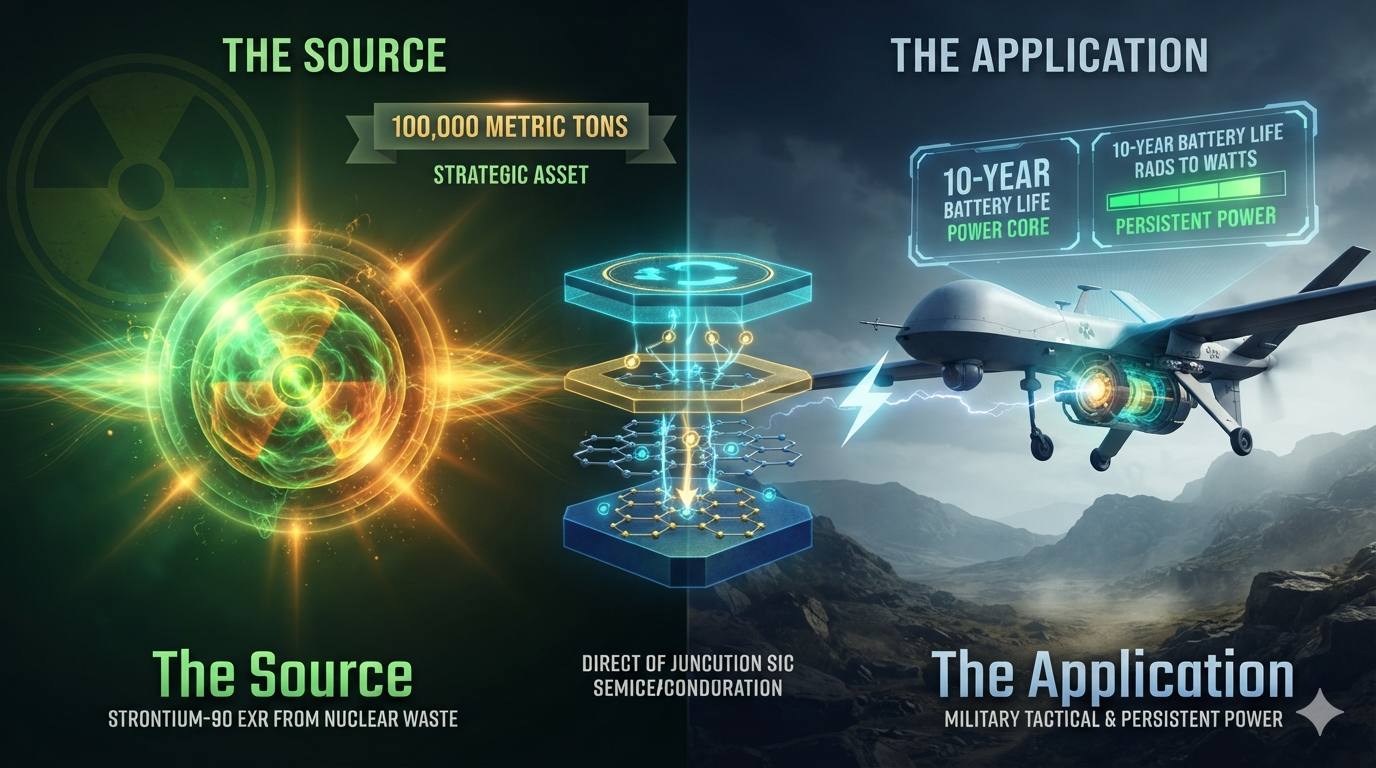
Rads to Watts: DARPA’s Nuclear Battery Revolution and the Future of Persistent Power
Strategic Context: The Emerging Battle for Persistent Power Energy has quietly become one of the defining constraints of twenty-first century military operations. Modern battlefields increasingly depend upon autonomous drones, unattended ground sensors, artificial intelligence processors, electronic warfare systems, underwater surveillance networks, hypersonic defense architectures and proliferating satellite constellations that all require continuous electrical power. Yet…
-
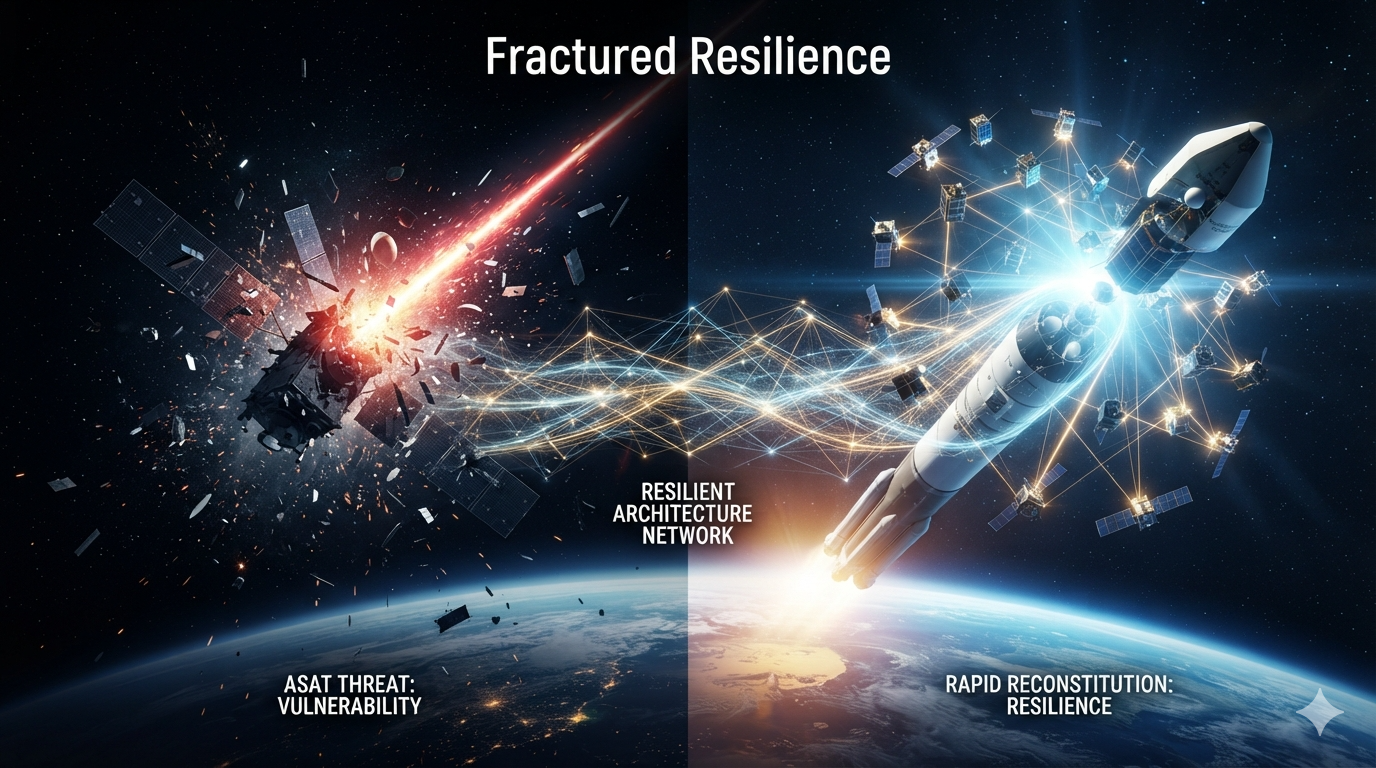
Resilient Space Power: DARPA’s Rapid Reconstitution Strategy and the Future of Military Space Operations
Introduction: From Space Superiority to Space Resilience For decades, military space strategy was built around a relatively simple assumption: protect a limited number of highly capable satellites that provided global communications, intelligence, missile warning, positioning, navigation, timing (PNT), and strategic command and control. These exquisite systems represented enormous technological achievements but also created a dangerous…
-
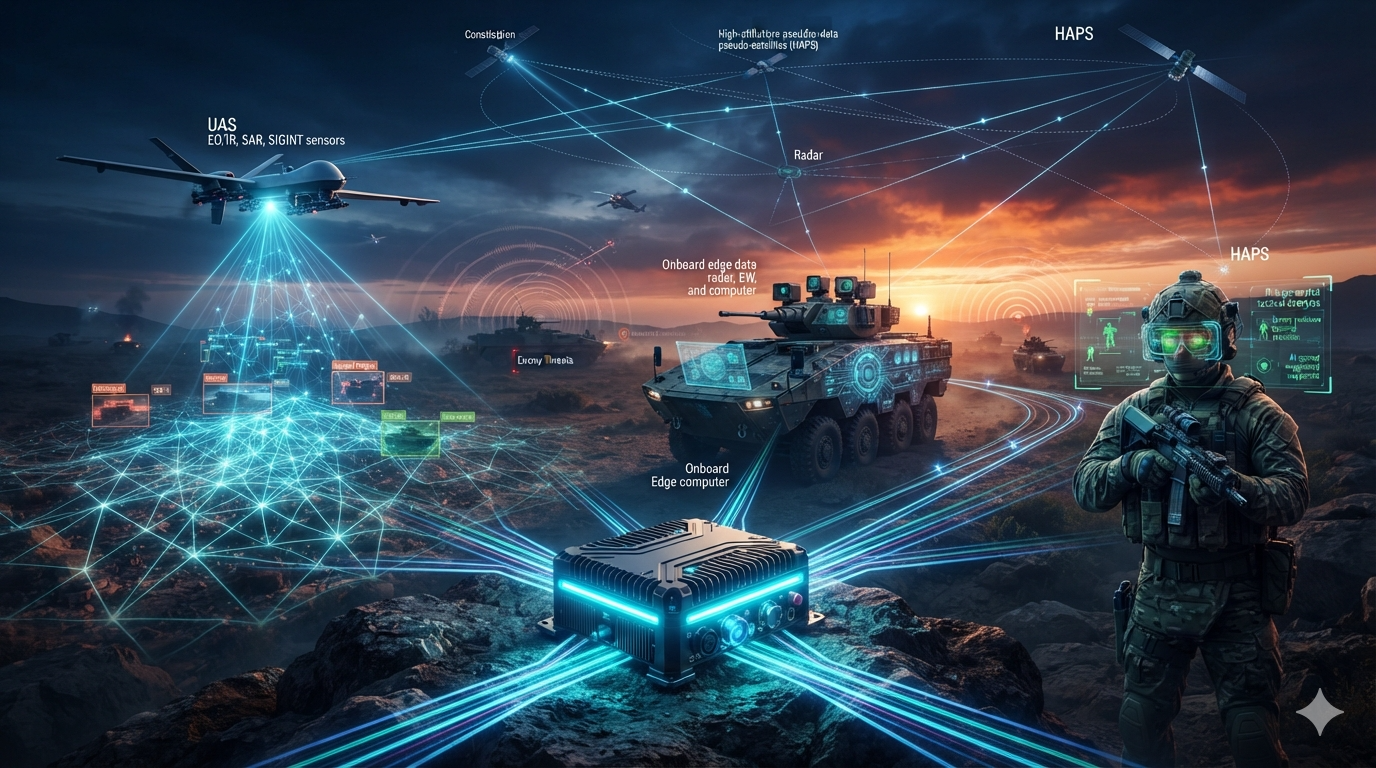
Eyes on the Edge: How AI-Driven Sensor Processing Is Reshaping the Future Battlefield
Introduction: From Data Deluge to Decision Dominance Modern warfare is no longer constrained by the availability of information—it is constrained by the ability to process it fast enough to influence the fight. Every military operation now generates an unprecedented volume of data from satellites, synthetic aperture radar, electronic warfare systems, unmanned aircraft, naval platforms, ground…
Related Domains & Cross-Cutting Themes
Strategy, Policy & Governance does not operate in isolation. Coverage within this magazine frequently intersects with Defense & Military Systems, Critical & Emerging Technologies, Industry, Markets & Supply Chains, Space Technology, Defense & Exploration Readers interested in deeper technical, industrial, or geopolitical dimensions are encouraged to explore related magazines across the IDST intelligence network.
Explore the Defense and Military Systems Magazine →
Explore the Critical & Emerging Technologies Magazine →
Explore the Industry, Markets & Supply Chains Magazine →
Explore the Space Technology, Defense & Exploration Magazine →
Explore the Defense and Military Systems Magazine →
Explore the Critical & Emerging Technologies Magazine →
Explore the Industry, Markets & Supply Chains Magazine →
Explore the Space Technology, Defense & Exploration Magazine →