
Geopolitics, Strategy & Technological Rivalries examines how power is accumulated, contested, and exercised in an era where technology, economics, and security are inseparable. This magazine focuses on long-term strategic competition between states and blocs—where doctrine, industrial strength, innovation capacity, and political intent shape global outcomes more than individual events
IDST Intelligence Briefings
These intelligence briefings explore how strategic choices are made and governed—across doctrine, policy, institutional design, and long-term planning. The focus is on structural logic rather than tactical events.
Why This Sub-Magazine Exists
Traditional geopolitical analysis often separates diplomacy, military power, economics, and technology into silos. This sub-magazine exists to integrate them. It analyzes how strategic intent translates into capability, how technological advantage alters power balances, and how rivalries evolve over decades rather than news cycles.
What We Track
This magazine tracks developments across the full space and advanced-domain security ecosystem, including:
- Great-power competition and long-term strategic rivalries
- Military doctrines, deterrence models, and escalation dynamics
- Technology as a geopolitical instrument (AI, semiconductors, space, cyber)
- Alliance structures, bloc formation, and strategic alignment shifts
- Economic statecraft, sanctions, industrial policy, and trade controls
- Regional flashpoints viewed through strategic—not tactical—lenses
Latest Analysis & Intelligence
-

CRISPR, Human Enhancement and the New Genetic Arms Race: How Gene Editing Could Reshape Military Power, National Security and Global Biotechnology Competition
The Strategic Emergence of Gene Editing as a National Power Technology The twenty-first century competition among nations is increasingly being shaped by technologies capable of transforming the foundations of economic productivity, military effectiveness, and societal resilience. Artificial intelligence, quantum technologies, advanced semiconductors, and biotechnology now occupy the center of strategic planning across major powers. Among…
-
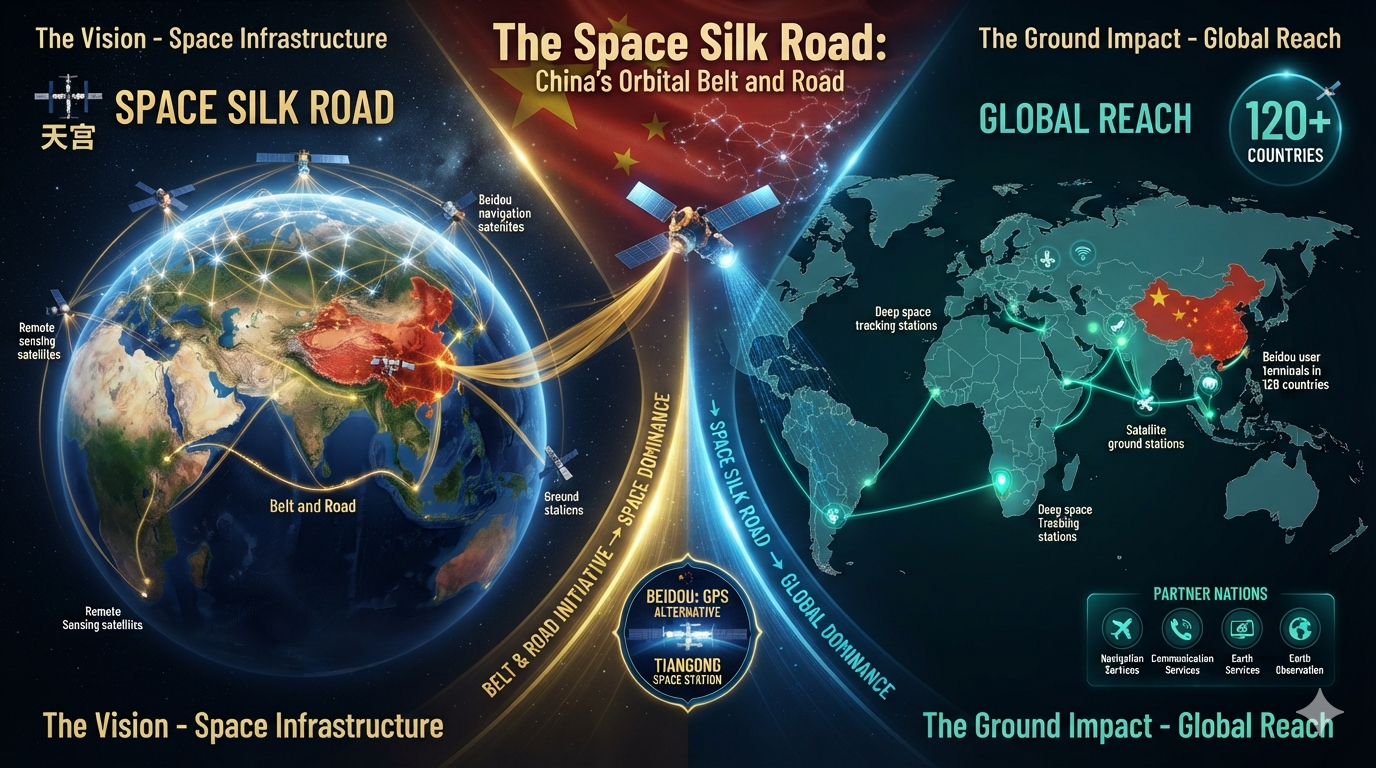
China’s Space Silk Road: How Beijing Is Building a Global Space Architecture to Challenge Western Space Leadership
Introduction: Space Silk Road and the Rise of China’s Space Geopolitics Space has become the newest arena of geopolitical competition. Once dominated by scientific exploration and prestige missions, the space domain is now central to economic resilience, military power, digital infrastructure, intelligence collection, and global technological leadership. Satellites underpin virtually every aspect of modern society—from…
-
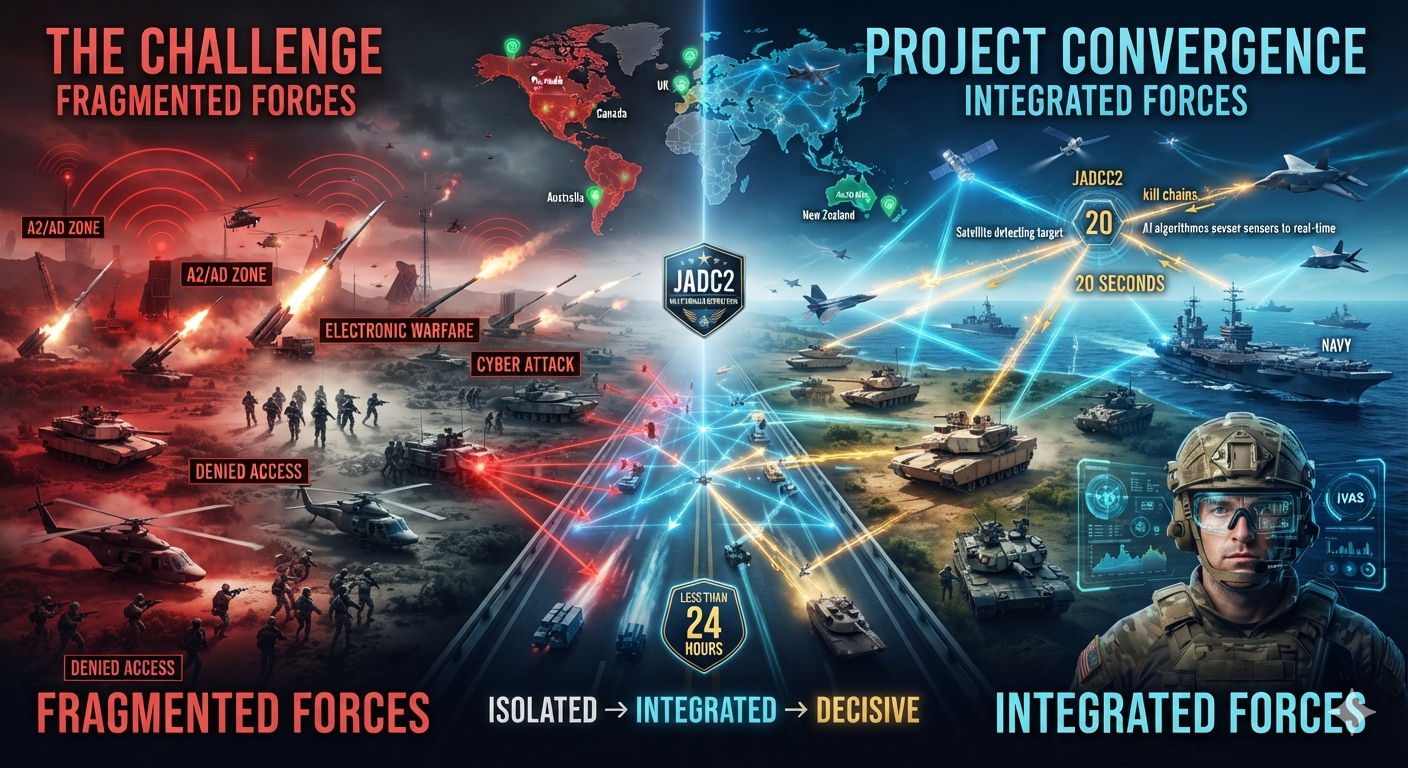
Project Convergence: How the U.S. Army Is Building the AI-Powered Multidomain Battlefield of the Future
Introduction: Project Convergence and the Race for Decision Dominance Future wars will not be won solely by possessing superior tanks, aircraft, missiles, or warships. Victory will increasingly belong to the military that can sense, decide, and strike faster than its adversary across every operational domain. As peer competitors field long-range precision weapons, artificial intelligence (AI),…
-
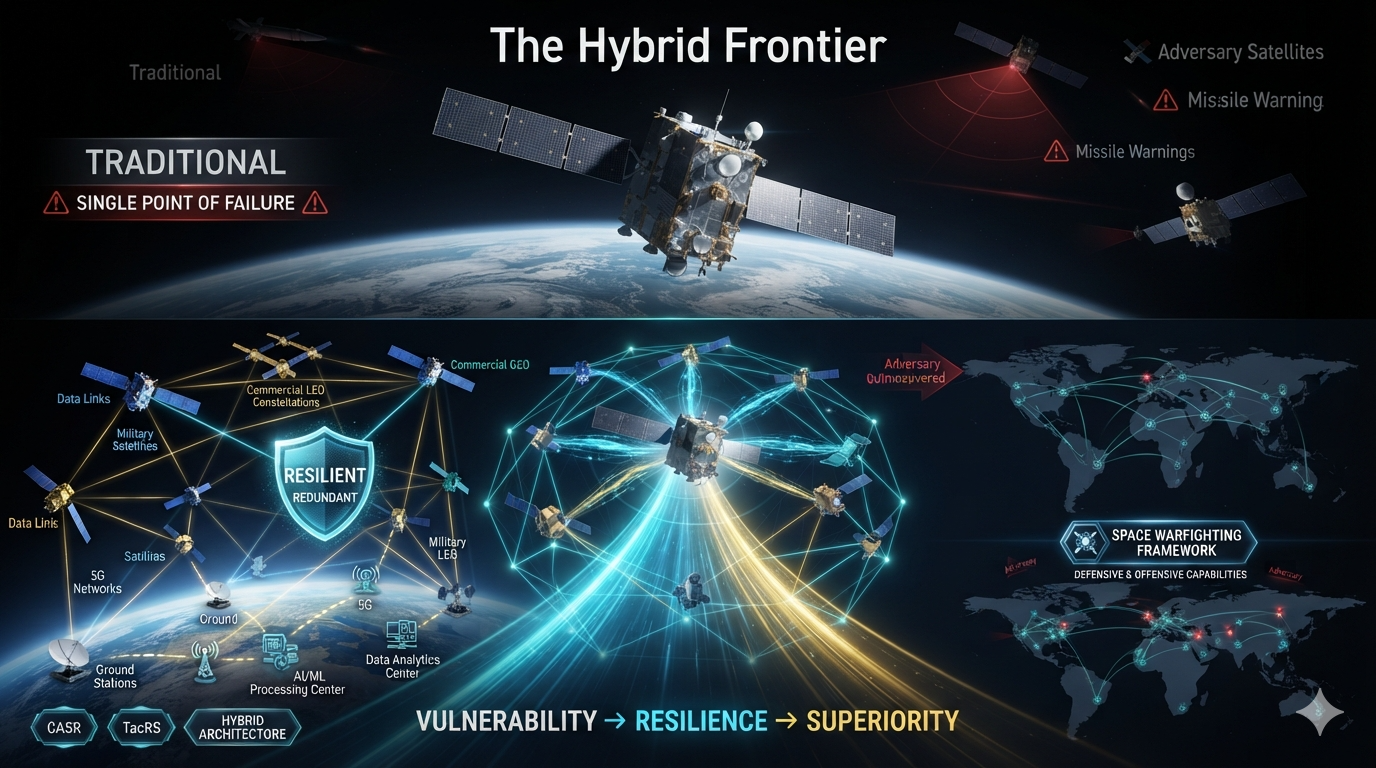
Beyond Government Satellites: How the U.S. Space Force Is Building a Hybrid Military Space Architecture for Great Power Competition
Introduction: From Space Support to Space Warfighting Space has undergone one of the most profound strategic transformations of the twenty-first century. Once viewed primarily as an enabling domain that provided communications, navigation, weather forecasting, and intelligence support for terrestrial military operations, space has become an active warfighting environment where military superiority increasingly depends on resilient…
-
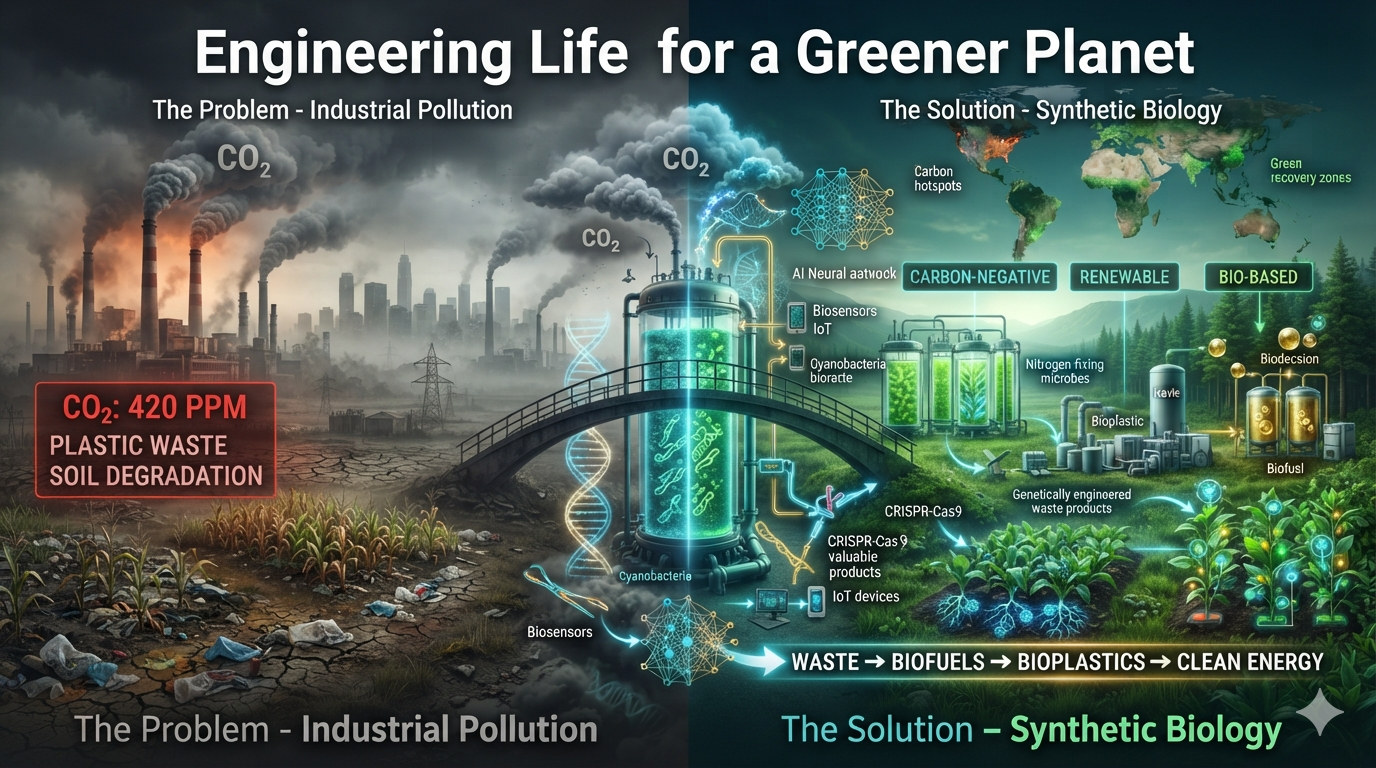
Engineering Biology Against Climate Change: How Synthetic Biology Is Reshaping Carbon Removal, Sustainable Industry, and Global Climate Security
Introduction: Programming Biology to Fight Climate Change Climate change has evolved from an environmental challenge into a defining issue of economic resilience, industrial competitiveness, national security, and geopolitical stability. Despite rapid expansion of renewable energy, electrification, and carbon capture technologies, global greenhouse gas emissions remain near record levels, while hard-to-abate sectors—including aviation, shipping, cement, steel,…
-
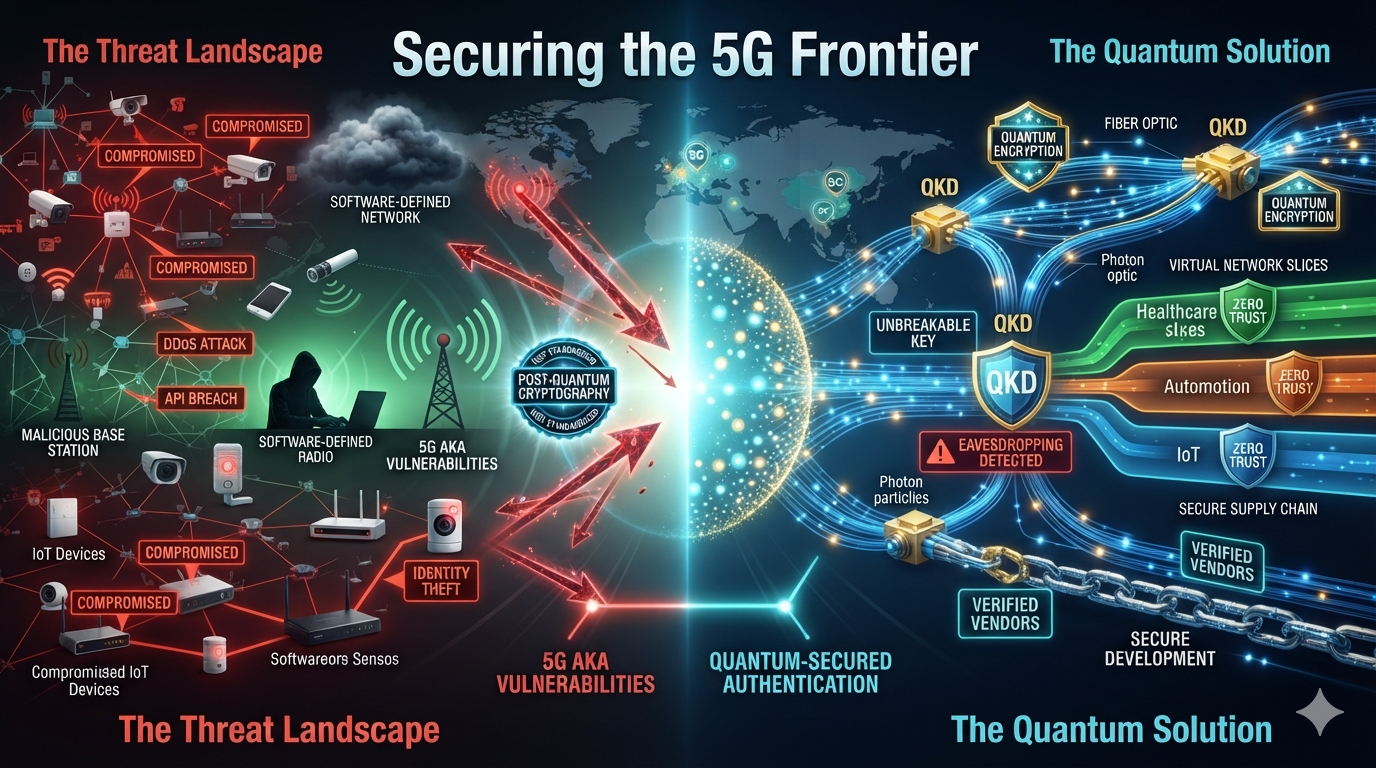
Securing 5G in the Quantum Age: AI, Zero Trust, and the Battle for Next-Generation Telecom Networks
Introduction: 5G Has Become the Digital Battlefield of the Twenty-First Century The global race to deploy fifth-generation (5G) wireless networks has evolved far beyond faster smartphones and higher data rates. Today, 5G forms the digital nervous system connecting military forces, autonomous vehicles, smart cities, industrial automation, healthcare, financial systems, satellites, and critical national infrastructure. As…
-
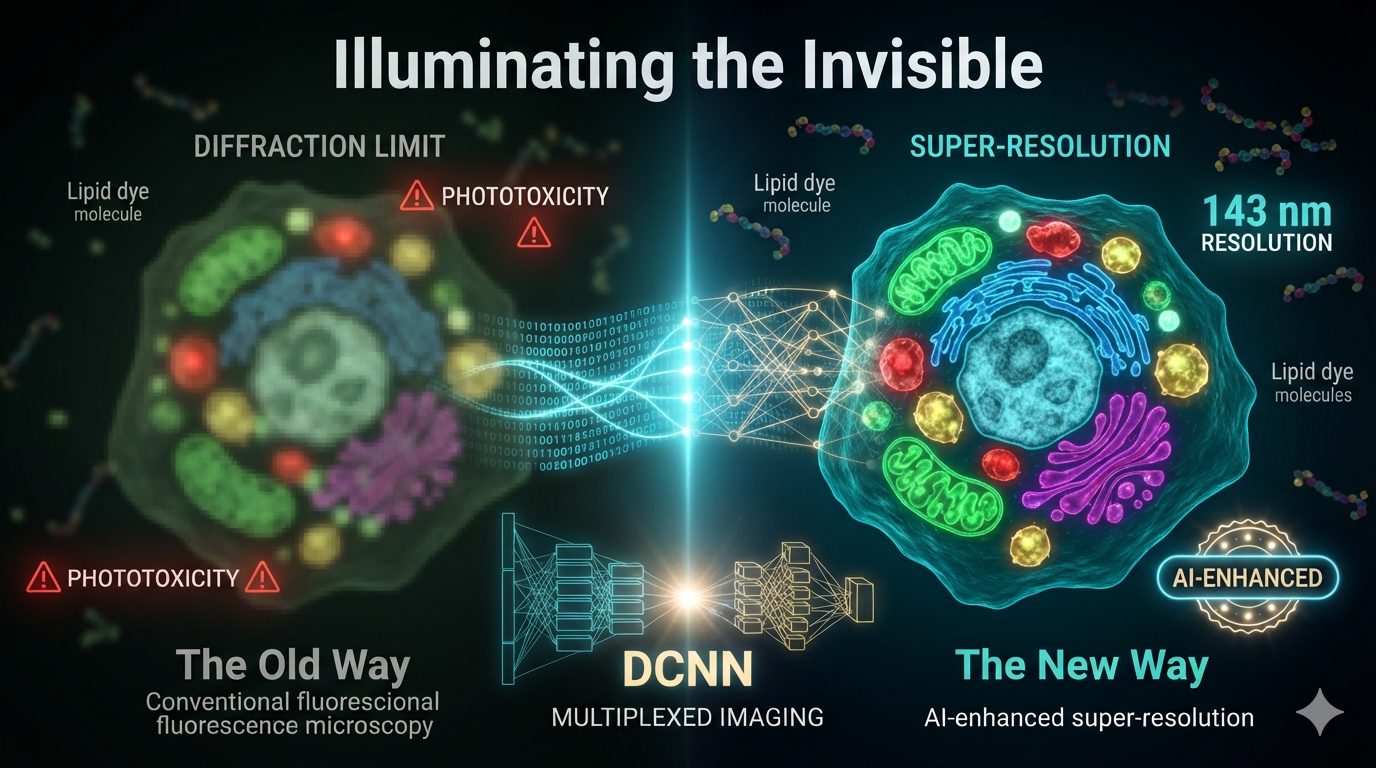
Beyond the Diffraction Limit: How AI-Powered Super-Resolution Microscopy Is Transforming Cellular Intelligence, Precision Medicine, and Biodefense
Introduction: Artificial Intelligence Is Opening the Last Frontier Inside Living Cells The next revolution in biotechnology is not being driven solely by genomics, synthetic biology, or artificial intelligence—it is emerging from the convergence of all three through a new generation of AI-powered imaging systems capable of observing life at nanometer resolution inside living cells. Long…
Related Domains & Cross-Cutting Themes
Strategy, Policy & Governance does not operate in isolation. Coverage within this magazine frequently intersects with Defense & Military Systems, Critical & Emerging Technologies, Industry, Markets & Supply Chains, Space Technology, Defense & Exploration Readers interested in deeper technical, industrial, or geopolitical dimensions are encouraged to explore related magazines across the IDST intelligence network.
Explore the Defense and Military Systems Magazine →
Explore the Critical & Emerging Technologies Magazine →
Explore the Industry, Markets & Supply Chains Magazine →
Explore the Space Technology, Defense & Exploration Magazine →
Explore the Defense and Military Systems Magazine →
Explore the Critical & Emerging Technologies Magazine →
Explore the Industry, Markets & Supply Chains Magazine →
Explore the Space Technology, Defense & Exploration Magazine →