
Defense & Military Systems examines the technological and operational backbone of modern armed forces. This magazine focuses on how military platforms, weapons, sensors, and force structures are designed, integrated, and employed across land, sea, air, and joint domains. Rather than treating individual systems in isolation, IDST analyzes how hardware, doctrine, logistics, and command architectures combine to generate real combat power under contemporary and future battlefield conditions
IDST Intelligence Briefings
These intelligence briefings provide visual, system-level analysis of modern military platforms and force architectures. Each video places individual technologies within operational and doctrinal context—explaining how they are intended to function in real-world conflict environments.
Why This Magazine Exists
Military power is increasingly defined by the integration of complex systems rather than by individual platforms or weapons alone. Yet much public discussion isolates hardware from doctrine, logistics, and operational constraints. This magazine exists to bridge that gap—analyzing defense systems as parts of larger military ecosystems and explaining how design choices translate into battlefield effectiveness, survivability, and strategic relevance.
What We Track
This magazine tracks developments across the full space and advanced-domain security ecosystem, including:
- Land, naval, and air combat platforms and force structures
- Weapons systems, munitions, and precision-strike technologies
- Sensors, radars, electronic warfare, and battlefield awareness systems
- Integrated air and missile defense architectures
- Command, control, communications, and combat networks
- Military modernization programs and force transformation efforts
- Operational lessons from exercises and real-world conflicts
OPERATIONAL & CAPABILITY SUB-MAGAZINES
Modern military power emerges from the interaction of platforms, people, doctrine, and integration across domains. The Defense & Military Systems magazine is structured into focused sub-magazines that examine how combat capability is built, sustained, and employed across air, land, sea, weapons, and human systems.
Air Power, Aviation & Aerospace Systems
Focuses on the platforms, technologies, and doctrines that define control of the air and near-space domains. This sub-magazine examines combat aviation, unmanned air systems, aerospace surveillance, and emerging flight technologies shaping future air superiority.
Explore the Air Power, Aviation & Aerospace Systems Sub-Magazine →
Land Warfare, Armored & Ground Systems
Examines how modern armies fight, maneuver, and survive in increasingly contested land environments. This sub-magazine focuses on armored platforms, artillery, battlefield networking, and the transformation of ground combat through automation and data.
Explore the Land Warfare, Armored & Ground Systems Sub-Magazine →
Naval Power, Maritime & Undersea Systems
Analyzes the technologies and doctrines shaping sea control, power projection, and undersea dominance. This sub-magazine covers surface fleets, submarines, maritime surveillance, and naval systems operating across blue-water and littoral theaters.
Explore the Naval & Maritime Warfare Systems Sub-Magazine →
Weapons, Munitions & Strike Systems
Focuses on the strike capabilities that deliver military effects across domains. This sub-magazine examines missiles, precision weapons, directed energy, and emerging strike technologies that shape deterrence and combat outcomes.
Explore the Weapons, Munitions & Strike Systems Sub-Magazine →
Human, Soldier & Battlefield Integration Systems
Explores the evolving role of the individual warfighter within increasingly networked and automated battlespaces. This sub-magazine focuses on human performance, survivability, and the integration of soldiers into complex combat systems.
Explore the Human, Soldier & Force Enablement Systems Sub-Magazine →
Latest Analysis & Intelligence
-
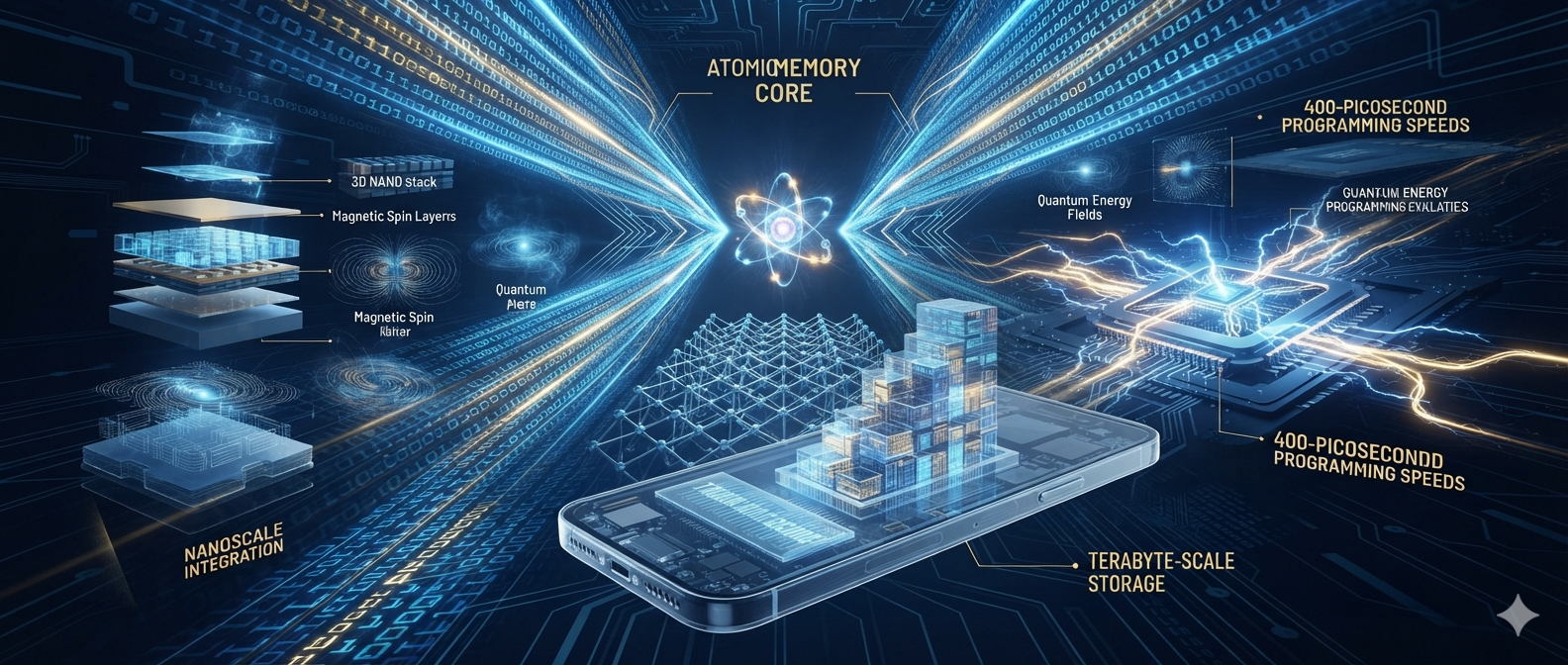
The Memory Revolution: How Next-Generation Memory Technologies Are Enabling AI Supremacy, Defense Dominance, and Speed-of-Light Computing
The Strategic Context: Memory Has Become the New Battlefield of the AI Age Artificial intelligence has fundamentally changed the global semiconductor race. For decades, advances in computing were largely driven by faster processors, shrinking transistor sizes, and increasingly sophisticated chip architectures. Today, however, the primary constraint on computational performance is no longer processing power alone—it…
-

Beyond Touchscreens: Advanced Haptic Technologies Reshaping Human–Machine Interaction, Defense Systems, and the Future Battlefield
Introduction: The Strategic Rise of Haptics in the AI Era The next revolution in human-machine interaction will not be driven solely by artificial intelligence or augmented reality—it will be driven by the ability of machines to communicate through touch. As digital systems become increasingly autonomous, distributed, and immersive, tactile feedback has emerged as a critical…
-

CRISPR, Human Enhancement and the New Genetic Arms Race: How Gene Editing Could Reshape Military Power, National Security and Global Biotechnology Competition
The Strategic Emergence of Gene Editing as a National Power Technology The twenty-first century competition among nations is increasingly being shaped by technologies capable of transforming the foundations of economic productivity, military effectiveness, and societal resilience. Artificial intelligence, quantum technologies, advanced semiconductors, and biotechnology now occupy the center of strategic planning across major powers. Among…
-
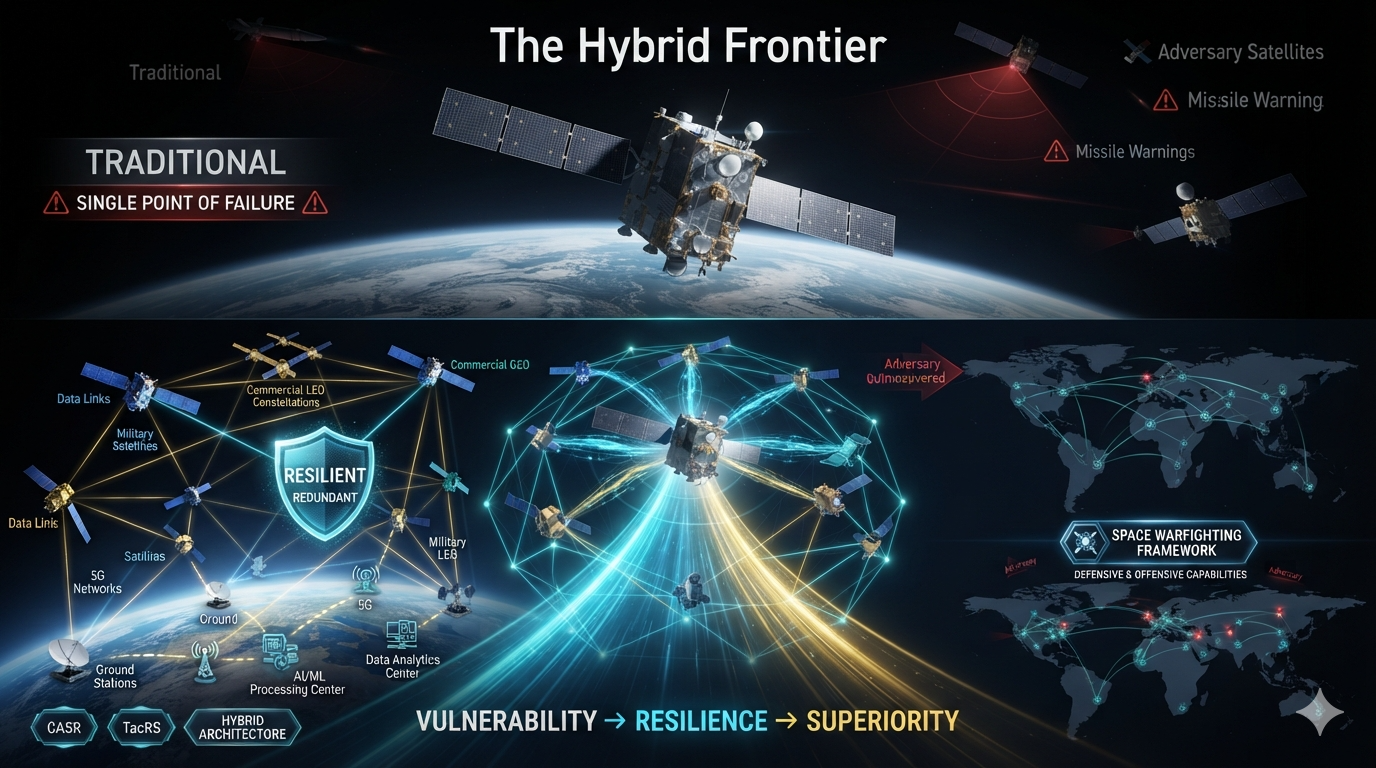
Beyond Government Satellites: How the U.S. Space Force Is Building a Hybrid Military Space Architecture for Great Power Competition
Introduction: From Space Support to Space Warfighting Space has undergone one of the most profound strategic transformations of the twenty-first century. Once viewed primarily as an enabling domain that provided communications, navigation, weather forecasting, and intelligence support for terrestrial military operations, space has become an active warfighting environment where military superiority increasingly depends on resilient…
-
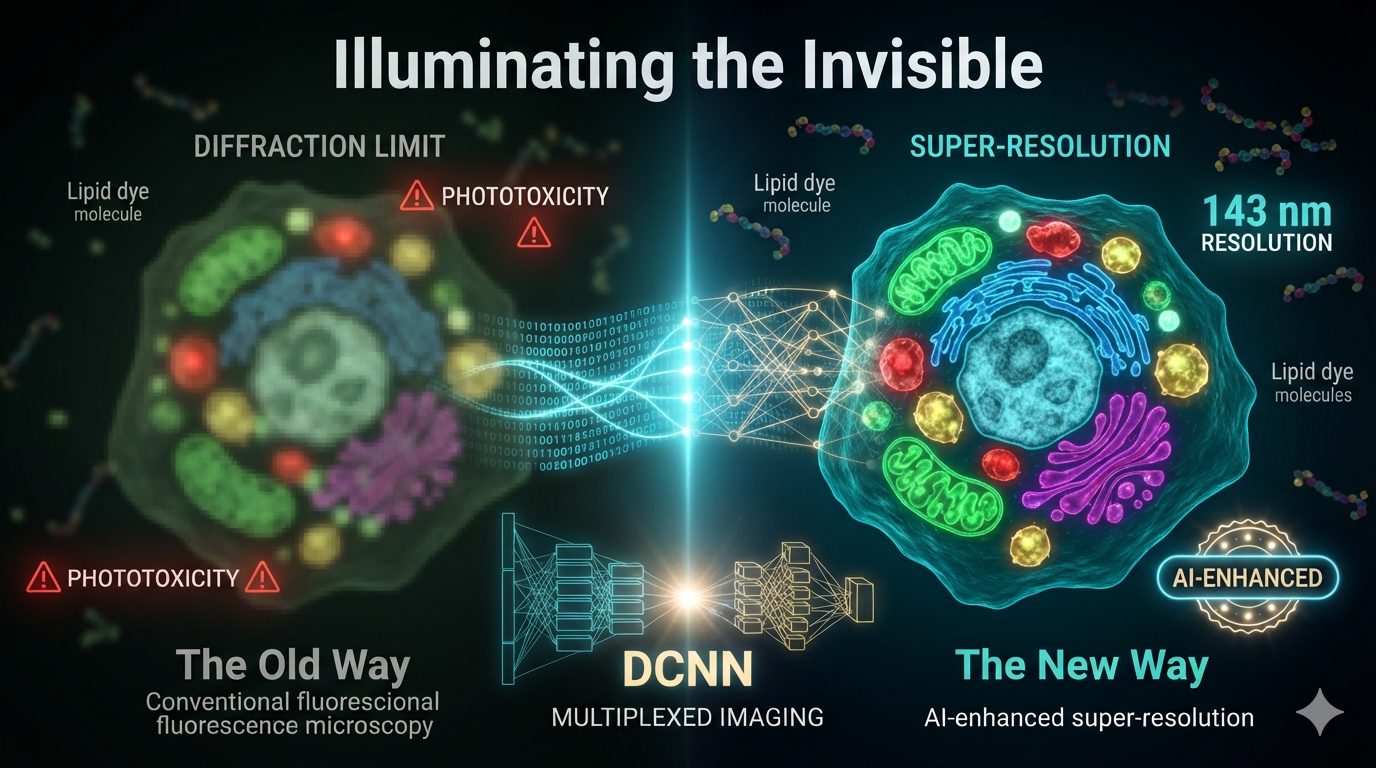
Beyond the Diffraction Limit: How AI-Powered Super-Resolution Microscopy Is Transforming Cellular Intelligence, Precision Medicine, and Biodefense
Introduction: Artificial Intelligence Is Opening the Last Frontier Inside Living Cells The next revolution in biotechnology is not being driven solely by genomics, synthetic biology, or artificial intelligence—it is emerging from the convergence of all three through a new generation of AI-powered imaging systems capable of observing life at nanometer resolution inside living cells. Long…
-
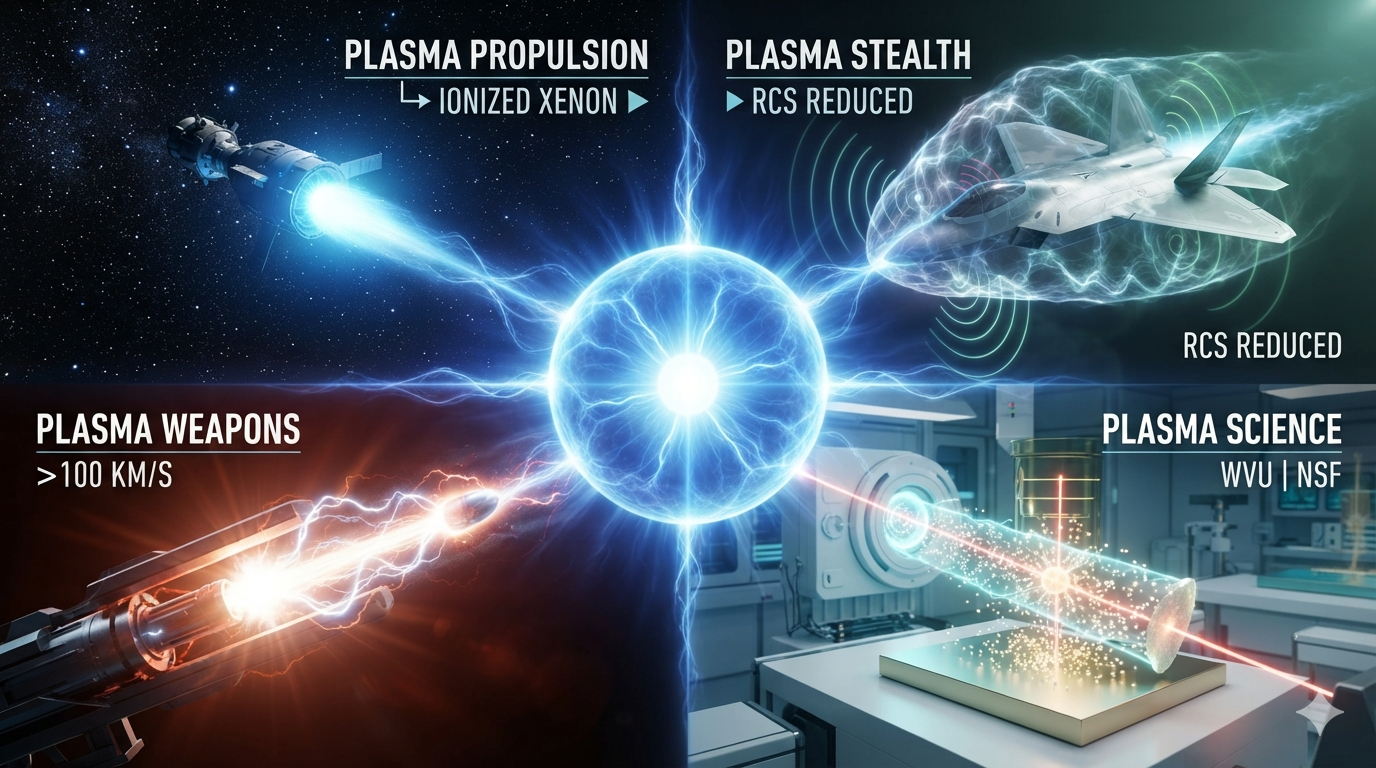
Seeing the Invisible: How Advanced Plasma Diagnostics Are Transforming Semiconductor Manufacturing, Fusion Energy, and Defense Technologies
Strategic Context: The Invisible Battlefield Driving the Next Industrial and Defense Revolution Plasma—the ionized fourth state of matter—has quietly become one of the most strategically important technologies of the twenty-first century. While largely invisible to the public, controlled plasmas underpin the production of nearly every advanced semiconductor, enable electric propulsion systems aboard modern satellites, support…
-
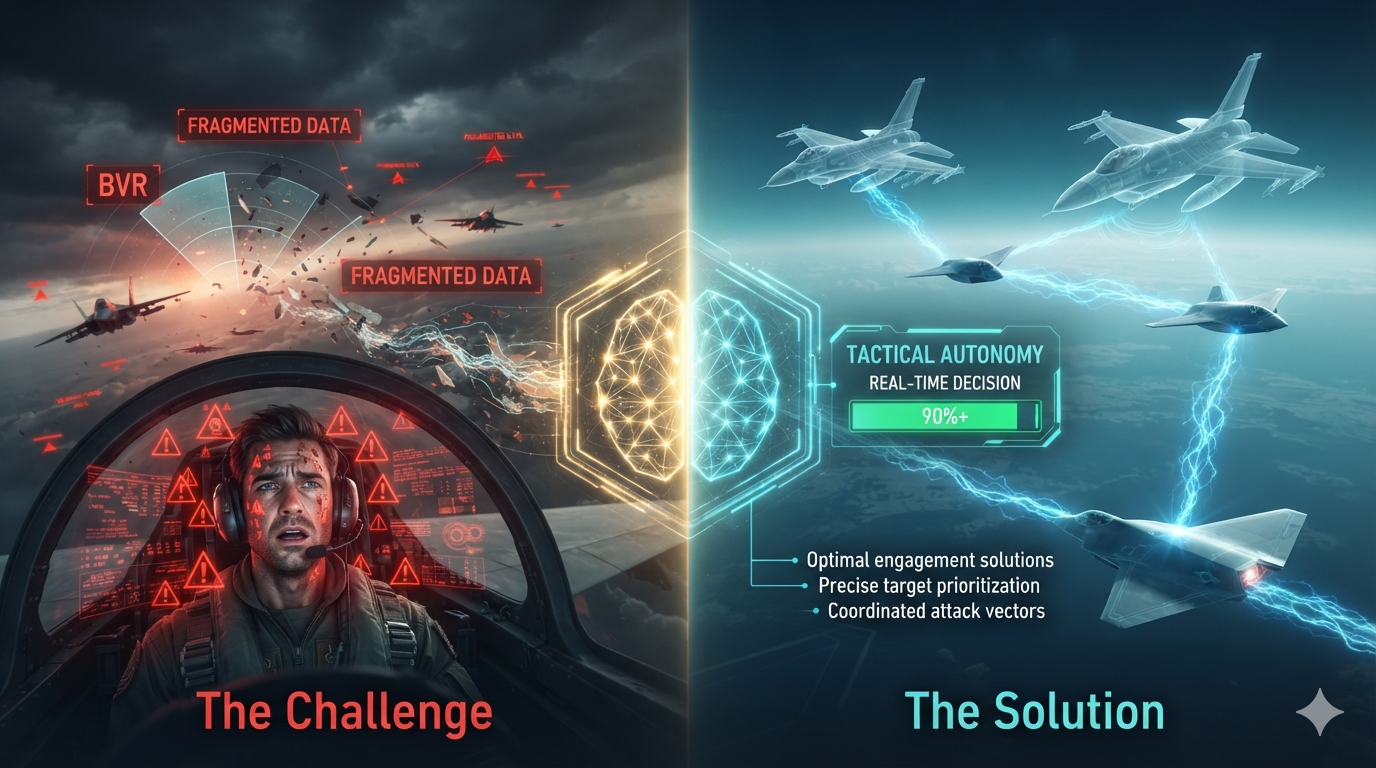
Beyond Human Reaction: How DARPA’s AIR Program Is Building AI for the Future of Beyond-Visual-Range Air Combat
Modern air superiority is no longer determined solely by aircraft performance, stealth characteristics, or missile range. Increasingly, victory depends on which side can observe first, understand the tactical picture fastest, coordinate distributed assets most effectively, and make engagement decisions before the adversary. As advanced sensors, long-range missiles, electronic warfare systems, and collaborative unmanned aircraft compress…
Related Domains & Cross-Cutting Themes
Defense systems do not operate in isolation. Readers may also explore how military technologies intersect with geopolitics, industrial capacity, emerging technologies, and future warfare concepts across the IDST intelligence network.
Explore the Critical & Emerging Technologies Magazine →
Explore the Industry, Markets & Supply Chains Magazine →
Explore the Space Technology, Defense & Exploration Magazine →