

Introduction
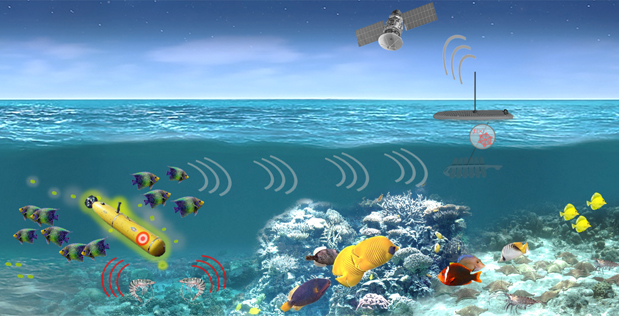
In the vast expanse of the world’s oceans, monitoring adversaries’ movements has always posed a significant challenge. Recognizing the need for innovative solutions, the Defense Advanced Research Projects Agency (DARPA) introduced the Persistent Aquatic Living Sensors (PALS) program in February 2018. This groundbreaking initiative aims to integrate the power of biology with cutting-edge technology to develop platforms capable of monitoring underwater environments. Led by program manager Lori Adornato, the PALS program holds the potential to revolutionize underwater surveillance, offering unprecedented insights into the activities of both manned and unmanned underwater vehicles.
Challenges to Underwater Surveillance
The Persistent Aquatic Living Sensors program emerged as a response to the limitations of existing surveillance technologies in underwater environments. The world’s vast oceans and seas offer seemingly endless spaces in which adversaries of the United States can maneuver undetected. The U.S. military deploys networks of manned and unmanned platforms and sensors to monitor adversary activity, but the scale of the task is daunting and hardware alone cannot meet every need in the dynamic marine environment.
IDST Pro Access Required
This analysis is part of IDST premium intelligence.
Subscribe to Continue ReadingAlready a member? Log in