
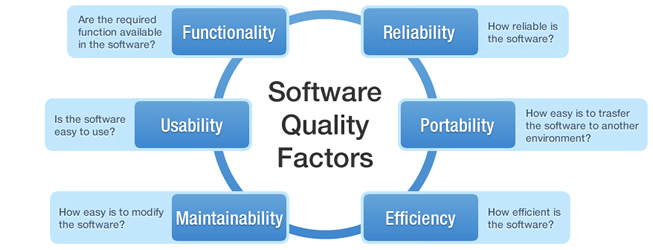

As computing devices become more pervasive, the software systems that control them have become increasingly more complex and sophisticated. Consequently, despite the tremendous resources devoted to making software more robust and resilient, ensuring that programs are correct—especially at scale—remains a difficult and challenging endeavor. Unfortunately, uncaught errors triggered during program execution can lead to potentially crippling security violations, unexpected runtime failure or unintended behavior, all of which can have profound negative consequences on economic productivity, reliability of mission-critical systems, and correct operation of important and sensitive cyber infrastructure. Insecure software can result from insufficient testing, inexperienced coders who lack cybersecurity training, or financial incentives that reward writing and distributing code quickly rather than eliminating security flaws.
IDST Pro Access Required
This analysis is part of IDST premium intelligence.
Subscribe to Continue ReadingAlready a member? Log in