
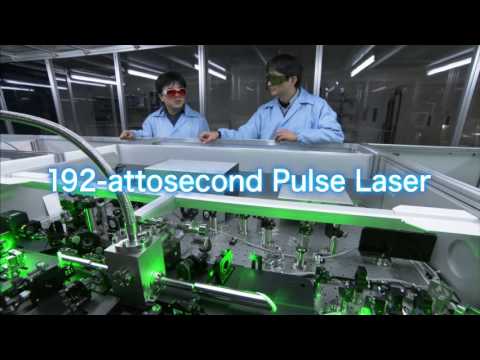

The ability to observe events on such timescales is important for basic physics — to understand how atoms move within molecules — as well as for engineering semiconductor devices, and for understanding basic biological processes at the molecular level. Today, researchers can easily reach into the realm of femtoseconds — quadrillionths (or millionths of a billionth) of a second, the timescale of motions within molecules. Femtosecond laser research led to the development, in 2000, of a system that revolutionized the measurement of optical frequencies and enabled optical clocks. Continuing the progress, today’s top-shelf technologies are beginning to make it possible to observe events that last less than 100 attoseconds, or quintillionths of a second.
IDST Pro Access Required
This analysis is part of IDST premium intelligence.
Subscribe to Continue ReadingAlready a member? Log in