
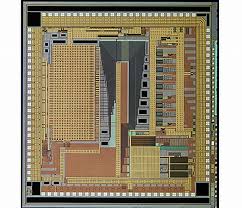

Demand for specialized integrated circuits for military electronics continues to surge exponentially with no end in sight. Systems that synchronize the activity of unmanned aerial vehicles; real-time conversion of raw radar data into tactically useful 3-D imagery; and instant access to high-resolution sensor feeds on the battlefield are only three examples of this reality. Despite the importance of these capabilities to national security, however, current circuit-design methods often result in devices that require more power than can be practically supplied on small flying platforms or on warfighters already burdened by too much battery weight.
IDST Pro Access Required
This analysis is part of IDST premium intelligence.
Subscribe to Continue ReadingAlready a member? Log in