
Biological technologies are moving from laboratories into strategic systems that affect health security, food resilience, human performance, and national preparedness. Advances in synthetic biology, bioengineering, and genetic technologies are creating capabilities that blur the line between civilian innovation and strategic risk.
IDST Intelligence Briefings
Synthetic biology, bio-manufacturing, biosecurity, genetic engineering, medical countermeasures, and dual-use biological research.
Why This Magazine Exists
Biological systems are inherently complex, opaque, and dual-use. This sub-magazine exists to move beyond hype and fear, offering structured intelligence on how biological technologies are developed, governed, and potentially misused.
What We Track
- Synthetic biology platforms and biofoundries
- Dual-use research and biosecurity governance
- Military and civilian biomedical innovation
- Pandemic preparedness and biological resilience
- Human enhancement and performance optimization
Latest Analysis & Intelligence
-

The Eye-Tracking Revolution: How AI, Deflectometry, and Spatial Computing Are Transforming Human-Machine Interaction
Introduction: Eye Tracking Becomes Strategic Infrastructure Eye tracking is rapidly evolving from a niche research tool into a foundational technology for the next generation of digital, industrial, healthcare, defense, and spatial computing ecosystems. Between 2024 and 2026, advances in artificial intelligence, computer vision, photonics, sensor miniaturization, and augmented reality have transformed gaze estimation from a…
-
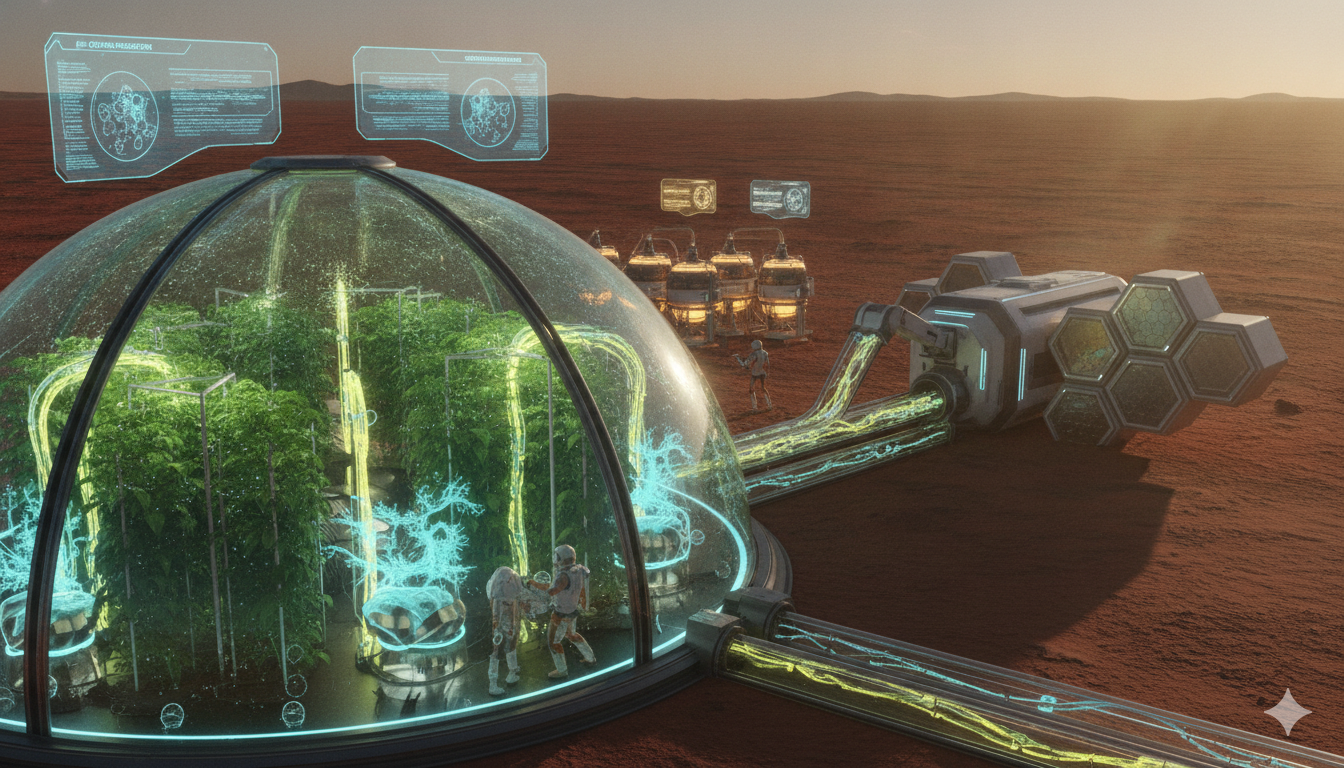
Space Synthetic Biology: Engineering Life for the Human Expansion into the Solar System
Introduction: Biology Becomes Infrastructure for Deep Space Exploration The future of space exploration may depend as much on biology as on rockets. As nations and commercial companies pursue permanent lunar bases, Mars expeditions, and eventually self-sustaining extraterrestrial settlements, traditional engineering approaches face severe limitations. Every kilogram launched from Earth carries immense cost, while long-duration missions…
-

Innovation Beneath the Waves: Biomimetic Propulsion Systems Transforming Naval and Underwater Operations
Introduction: Nature’s Blueprint for the Future Undersea Fleet The world’s oceans are rapidly becoming a critical arena for economic competition, scientific exploration, and military operations. From protecting undersea communication cables and offshore energy infrastructure to conducting intelligence, surveillance, reconnaissance, and anti-submarine warfare missions, nations increasingly depend on autonomous underwater vehicles (AUVs), unmanned underwater vehicles (UUVs),…
-

Quantum Biology: How Nature’s Quantum Mechanisms Are Shaping the Future of Medicine, Computing, Sensing, and Defense
Introduction: From Scientific Curiosity to Strategic Technology For decades, quantum mechanics and biology were considered fundamentally separate scientific domains. Quantum phenomena such as superposition, coherence, tunneling, and entanglement were thought to exist only in highly controlled environments at extremely low temperatures, while biological systems were viewed as warm, noisy, and incompatible with delicate quantum effects.…
-
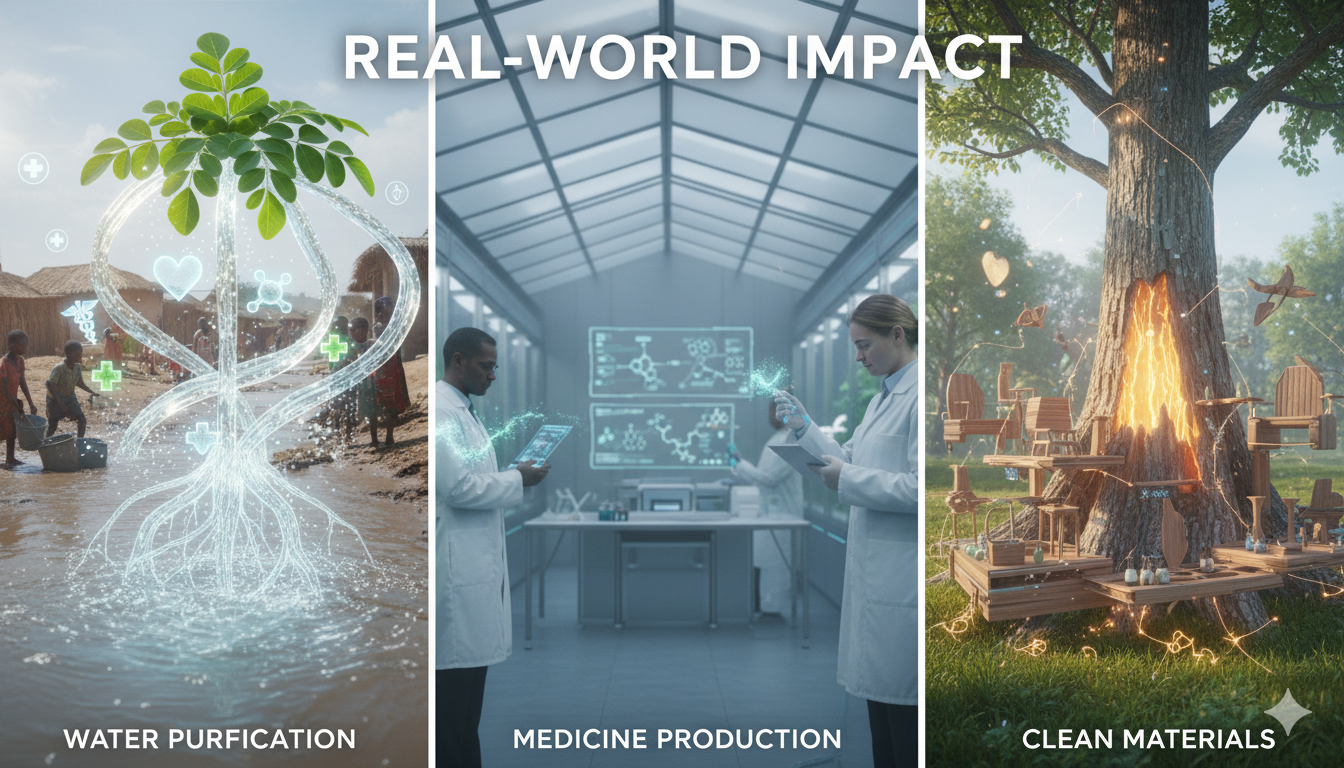
Green Factories 2026: How Plant Synthetic Biology is Revolutionizing Biomanufacturing, Strategic Supply Chains, and the Global Bioeconomy
For much of modern biotechnology, microorganisms such as bacteria and yeast, along with mammalian cell cultures, have served as the foundation of industrial biomanufacturing. They produce vaccines, enzymes, pharmaceuticals, specialty chemicals, and biofuels that support trillion-dollar industries. However, these systems require energy-intensive bioreactors, sterile infrastructure, sophisticated logistics, and expensive downstream processing. As global demand for…
-
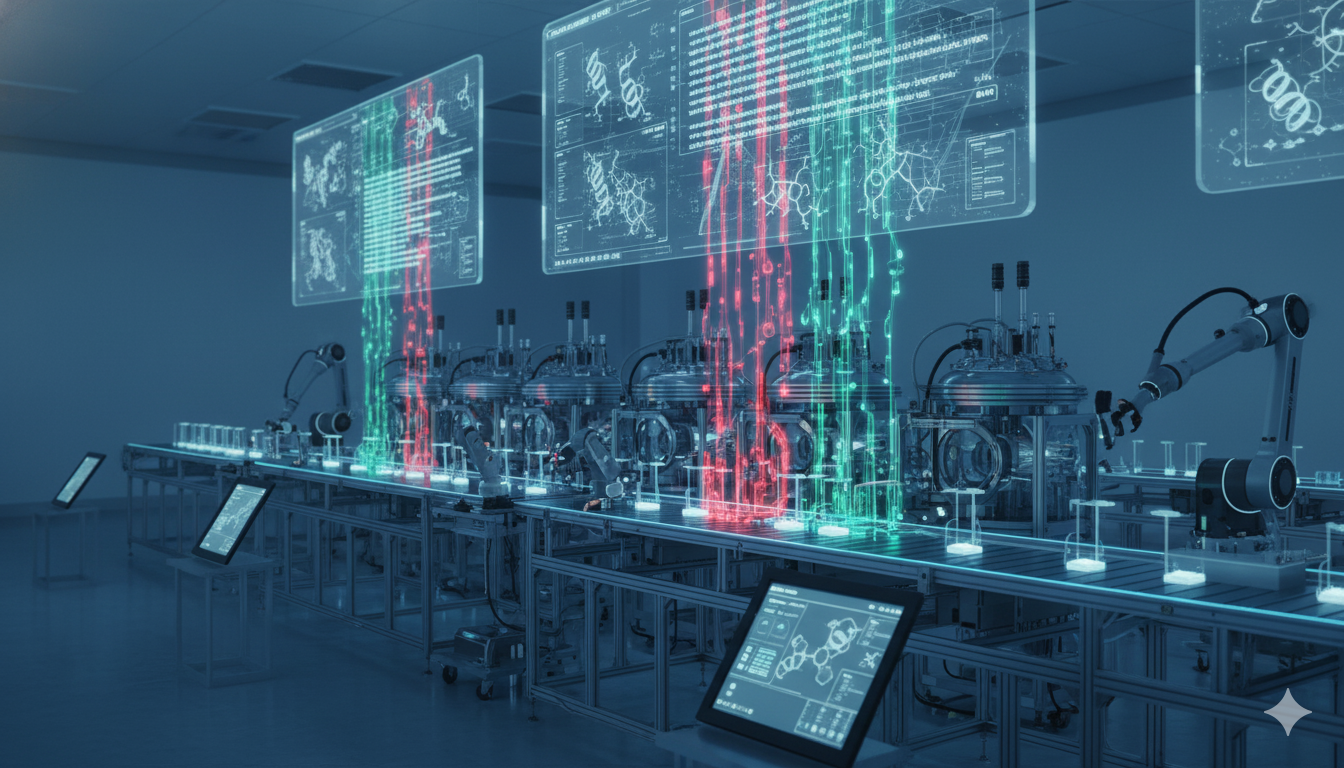
Revolutionizing Protein Manufacturing: Cell-Free Protein Synthesis in the Era of AI, RNA Origami, and Biosecurity
Introduction: From Living Factories to Programmable Biomanufacturing For more than half a century, the biotechnology industry has relied on a simple principle: if a protein is needed, engineer a living cell to produce it. Whether using Escherichia coli, yeast, insect cells, or mammalian Chinese Hamster Ovary (CHO) cells, proteins have traditionally been manufactured inside biological…
-
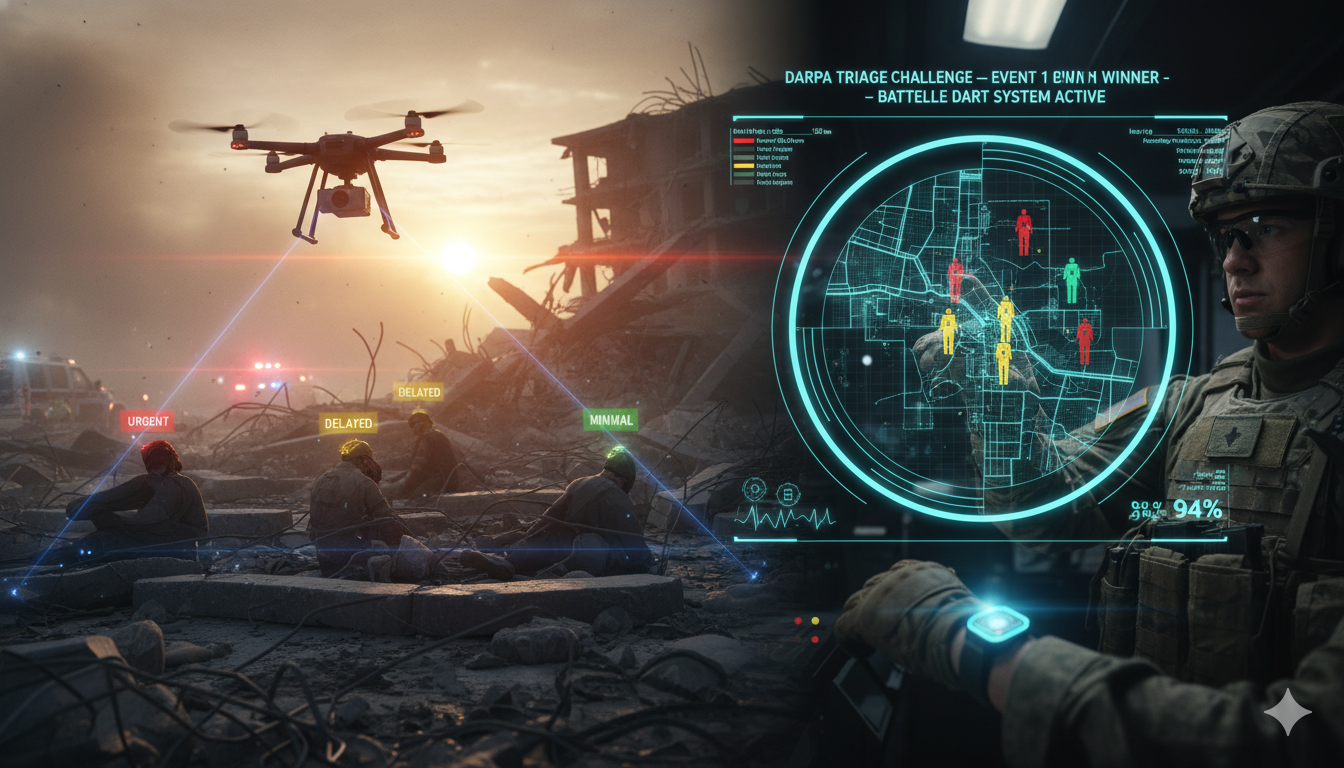
DARPA’s Triage Challenge: Building AI-Powered Battlefield Medicine for the Era of Mass Casualty Warfare
Introduction: AI Becomes the First Medic on the Battlefield The character of warfare is changing not only in how conflicts are fought but also in how lives are saved. Modern battlefields—from Ukraine and Gaza to the Red Sea and Indo-Pacific flashpoints—are increasingly characterized by high-intensity, high-casualty operations conducted across dispersed and contested environments. Simultaneously, climate-driven…
Related Domains & Cross-Cutting Themes
Human systems, global health security, ethics and regulation, supply-chain resilience, and science governance.
Ethics, governance, and technology control
Industrial scaling and supply-chain constraints
Human–machine teaming and trust
Interoperability across platforms and institutions
Export controls and technological rivalry
Explore the Critical & Emerging Technologies Magazine →
Explore the Industry, Markets & Supply Chains Magazine →
Explore the Space Technology, Defense & Exploration Magazine →