
Biological technologies are moving from laboratories into strategic systems that affect health security, food resilience, human performance, and national preparedness. Advances in synthetic biology, bioengineering, and genetic technologies are creating capabilities that blur the line between civilian innovation and strategic risk.
IDST Intelligence Briefings
Synthetic biology, bio-manufacturing, biosecurity, genetic engineering, medical countermeasures, and dual-use biological research.
Why This Magazine Exists
Biological systems are inherently complex, opaque, and dual-use. This sub-magazine exists to move beyond hype and fear, offering structured intelligence on how biological technologies are developed, governed, and potentially misused.
What We Track
- Synthetic biology platforms and biofoundries
- Dual-use research and biosecurity governance
- Military and civilian biomedical innovation
- Pandemic preparedness and biological resilience
- Human enhancement and performance optimization
Latest Analysis & Intelligence
-
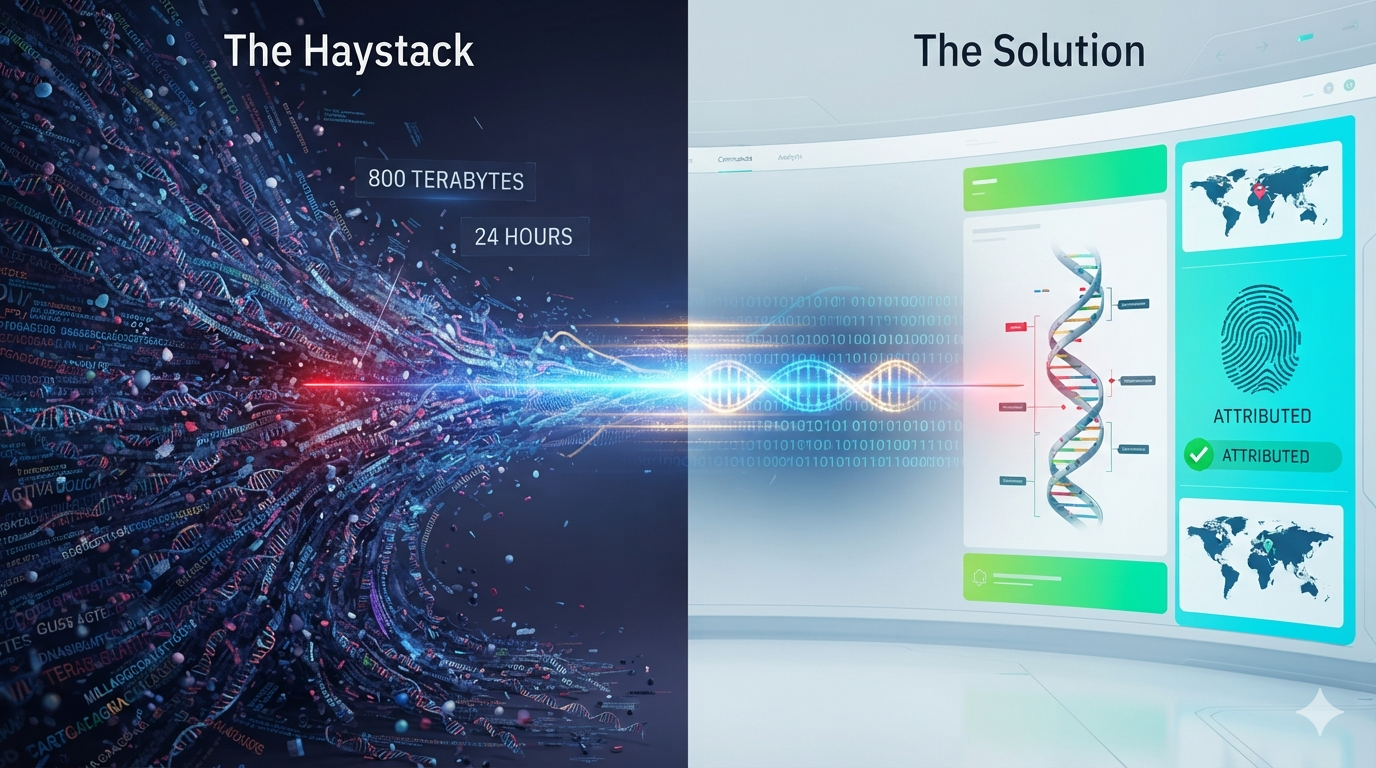
Beyond Detection: How DARPA’s Bio-Attribution Challenge Is Redefining Biothreat Intelligence and Genomic Forensics
Strategic Context: The Race to Attribute Engineered Biology The twenty-first century has witnessed a revolution in synthetic biology, genome editing, and artificial intelligence that is transforming medicine, agriculture, and biotechnology. The same technologies, however, are also reshaping biological security. Gene synthesis has become faster and cheaper, CRISPR-based editing has democratized genetic engineering, and AI-driven protein…
-
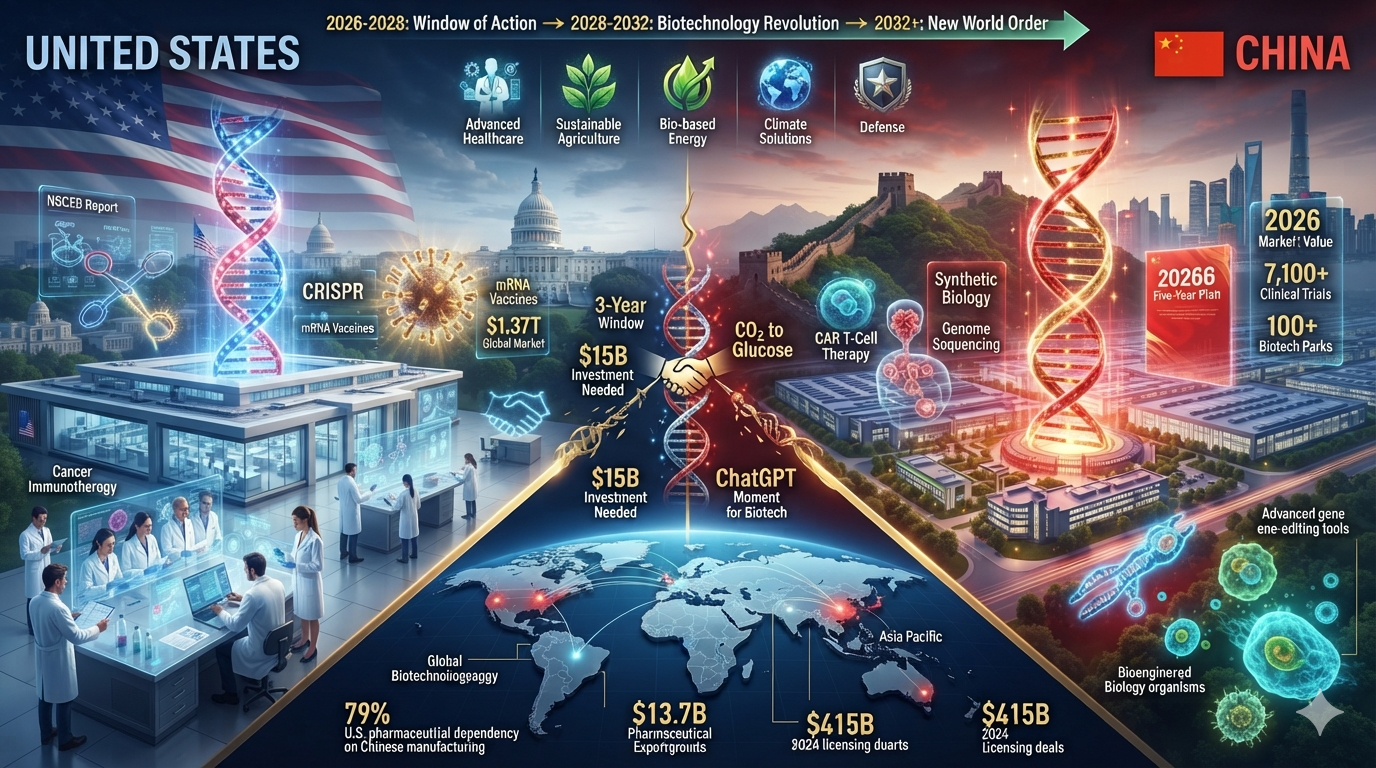
Biotechnology Superpowers: The U.S.-China Race for Dominance in the Global Bioeconomy
Introduction: Strategic Context The global competition for technological leadership is rapidly expanding beyond artificial intelligence, semiconductors, and quantum computing into an equally transformative domain—biotechnology. Often described as the next industrial revolution, biotechnology is reshaping healthcare, agriculture, advanced manufacturing, defense, energy, and environmental sustainability through the convergence of biology, engineering, automation, and artificial intelligence. Increasingly, biological…
-
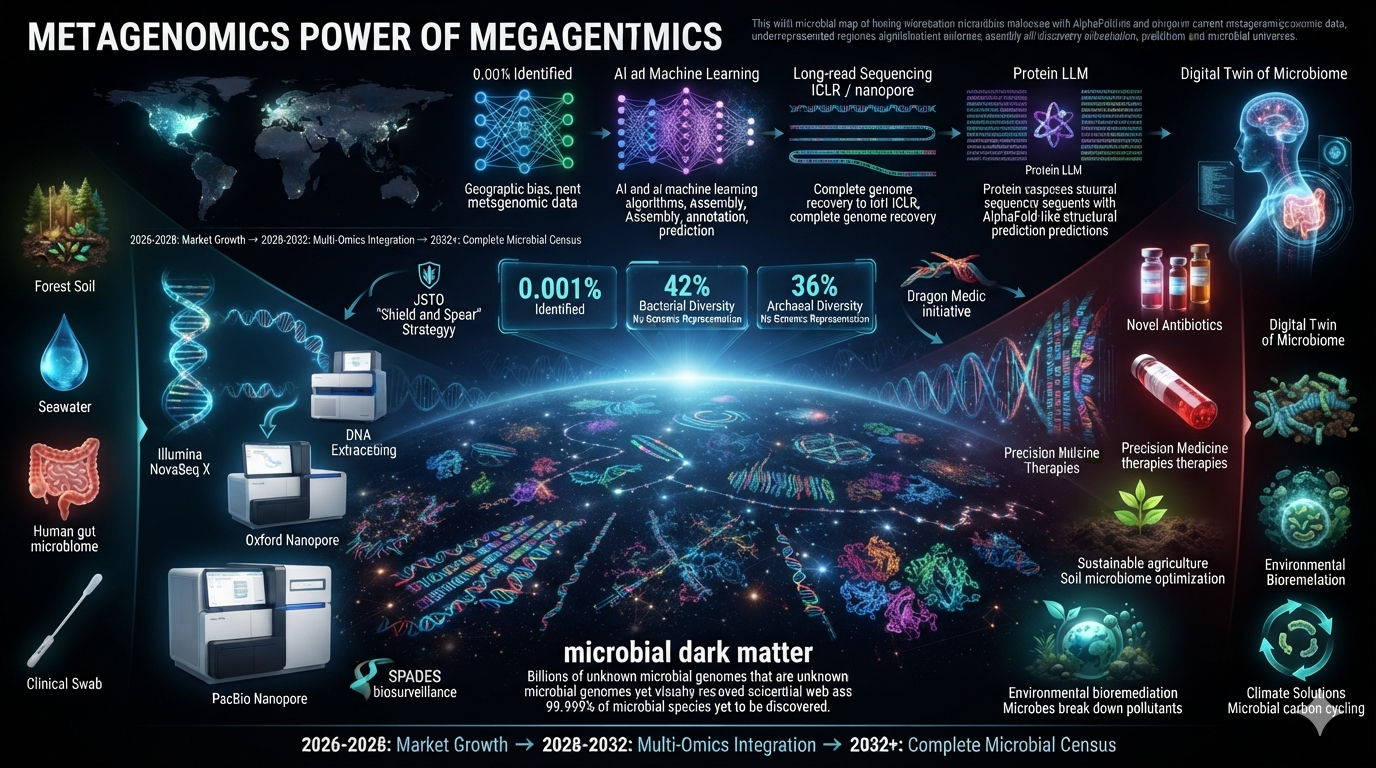
Unveiling the Microbial Universe: How Metagenomics Is Transforming Biotechnology, Precision Medicine, and Global Biosecurity
Introduction: Strategic Context The twenty-first century biotechnology revolution is increasingly being driven not only by the ability to edit genes but also by the ability to understand entire microbial ecosystems. While genomics decoded individual organisms, metagenomics has unlocked the collective genetic blueprint of entire microbial communities, revealing an enormous reservoir of biological diversity that had…
-
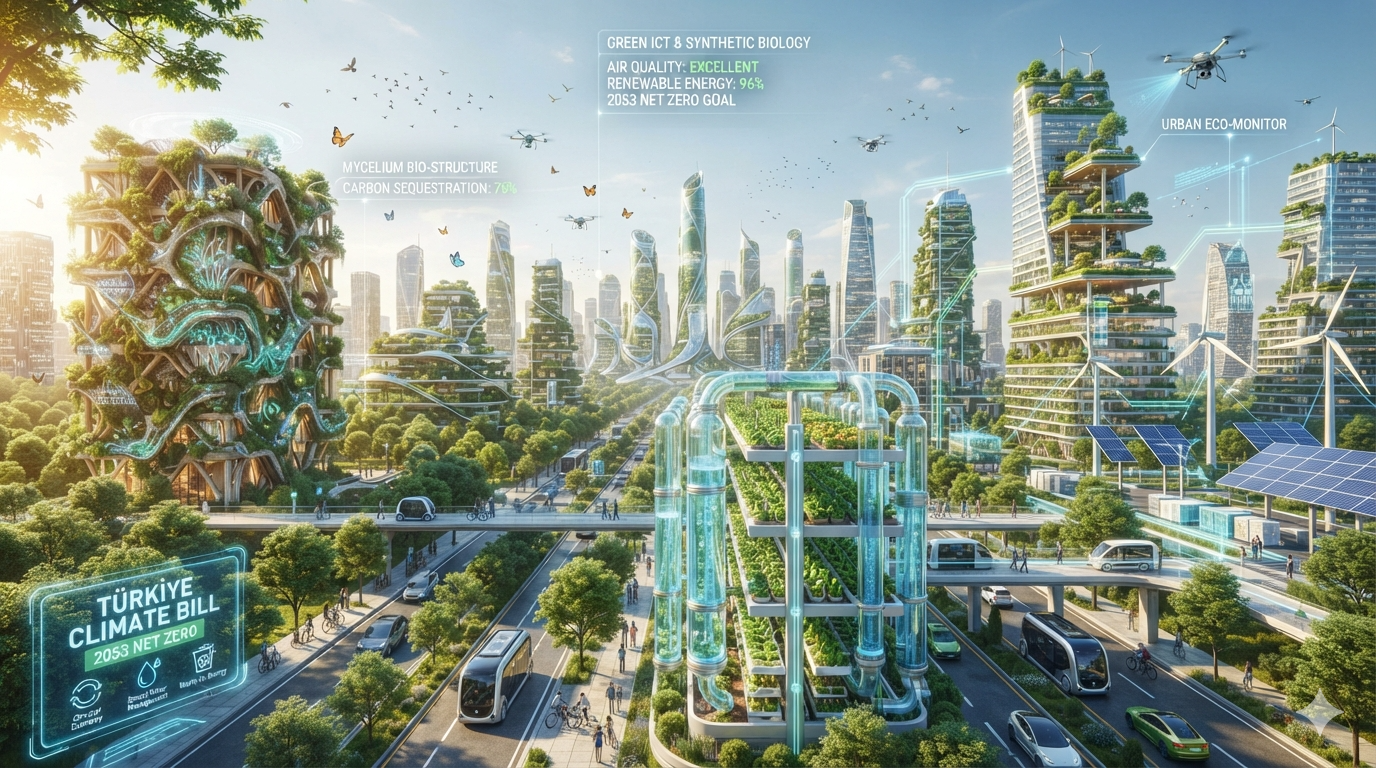
Future Climate-Smart and Sustainable Cities: How Green ICT, AI, Synthetic Biology, and Emerging Technologies Are Transforming Urban Resilience
Introduction: Strategic Context Cities are rapidly evolving from centers of economic activity into the strategic infrastructure upon which national prosperity, resilience, and security increasingly depend. Home to more than half of the world’s population and generating over 80% of global GDP, urban centers now face converging pressures from climate change, rapid urbanization, aging populations, resource…
-
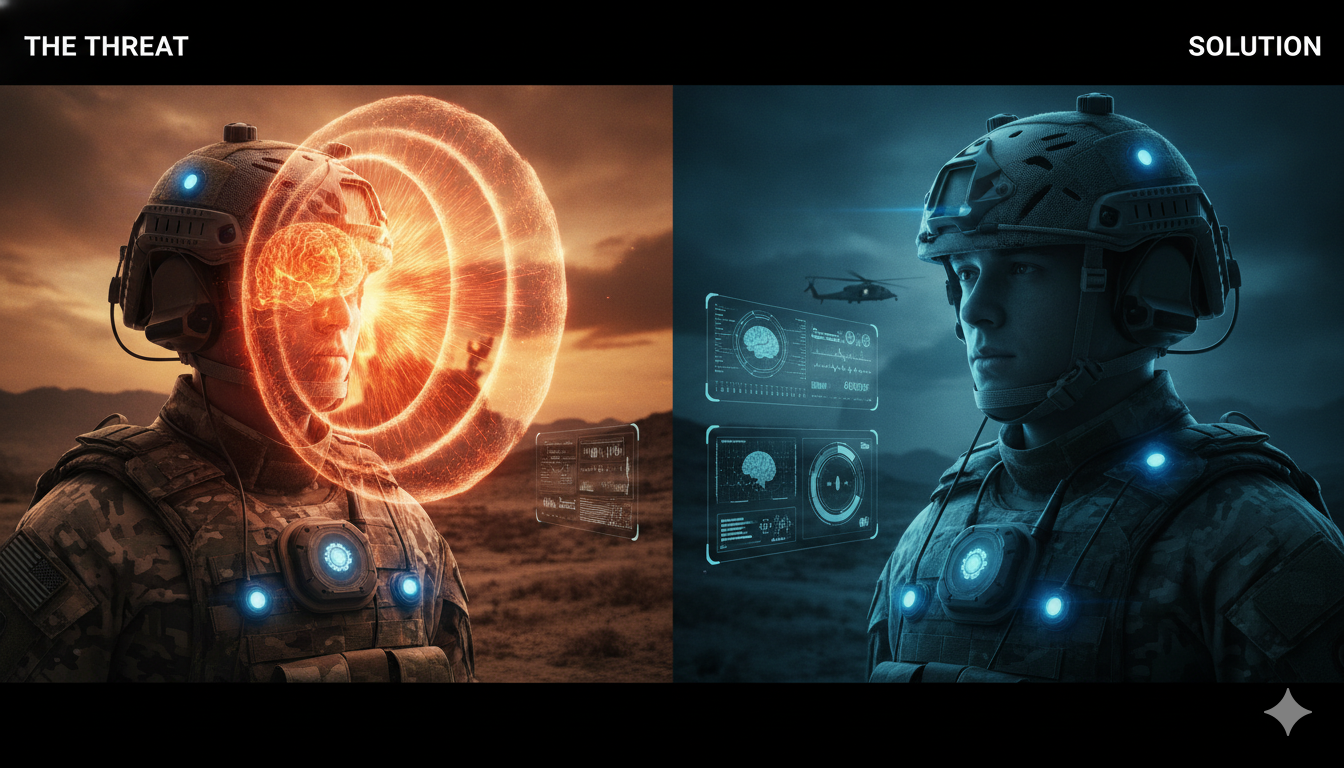
Advancements in Blast Pressure Sensors and Protection Against Traumatic Brain Injury
The Invisible Battlefield: Blast Overpressure and the New Challenge of Modern Warfare Modern warfare is exposing soldiers to an unprecedented neurological threat that often leaves no visible wounds. While advances in body armor, helmets, battlefield medicine, and rapid evacuation have dramatically improved survival rates, they have also revealed a growing epidemic of blast-induced traumatic brain…
-
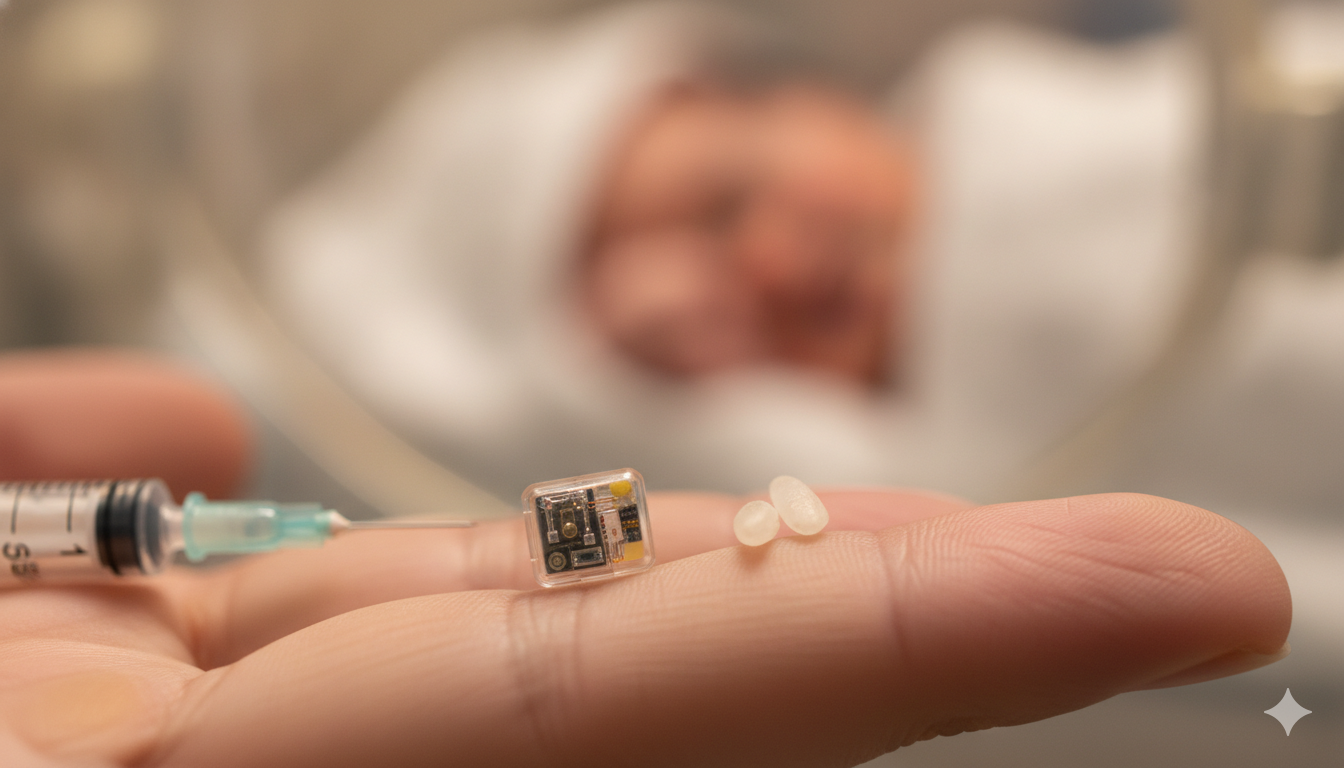
The Tiny Pacemaker Revolution: Intelligent, Leadless and Dissolvable Devices Transforming Cardiac Care
Cardiac Rhythm Management Enters a New Era Cardiovascular disease remains the world’s leading cause of death, affecting hundreds of millions of people and placing enormous pressure on healthcare systems worldwide. As populations age and chronic heart disease becomes increasingly prevalent, demand for safer, smaller, and more intelligent cardiac rhythm management technologies continues to grow. At…
-
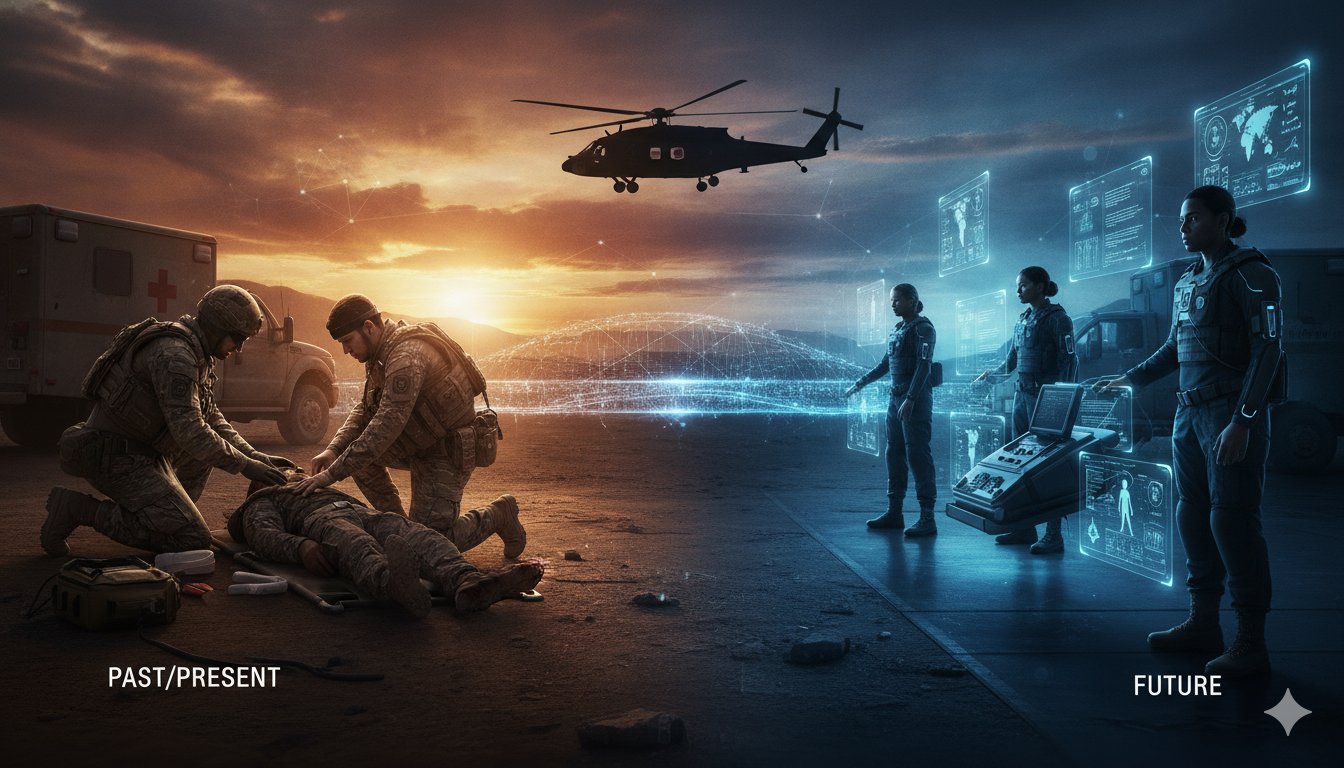
Emerging Technologies Revolutionizing Military Medical Care: AI, Biotechnology and the Future of Battlefield Medicine
Introduction: Military Medicine Enters the Age of Intelligent Healthcare Military medicine is undergoing its most significant transformation since the advent of modern trauma care. Once focused primarily on emergency treatment and casualty evacuation, it is rapidly evolving into an intelligent, technology-driven capability that directly enhances combat effectiveness, operational endurance, and force readiness. Advances in artificial…
Related Domains & Cross-Cutting Themes
Human systems, global health security, ethics and regulation, supply-chain resilience, and science governance.
Ethics, governance, and technology control
Industrial scaling and supply-chain constraints
Human–machine teaming and trust
Interoperability across platforms and institutions
Export controls and technological rivalry
Explore the Critical & Emerging Technologies Magazine →
Explore the Industry, Markets & Supply Chains Magazine →
Explore the Space Technology, Defense & Exploration Magazine →