
Biological technologies are moving from laboratories into strategic systems that affect health security, food resilience, human performance, and national preparedness. Advances in synthetic biology, bioengineering, and genetic technologies are creating capabilities that blur the line between civilian innovation and strategic risk.
IDST Intelligence Briefings
Synthetic biology, bio-manufacturing, biosecurity, genetic engineering, medical countermeasures, and dual-use biological research.
Why This Magazine Exists
Biological systems are inherently complex, opaque, and dual-use. This sub-magazine exists to move beyond hype and fear, offering structured intelligence on how biological technologies are developed, governed, and potentially misused.
What We Track
- Synthetic biology platforms and biofoundries
- Dual-use research and biosecurity governance
- Military and civilian biomedical innovation
- Pandemic preparedness and biological resilience
- Human enhancement and performance optimization
Latest Analysis & Intelligence
-
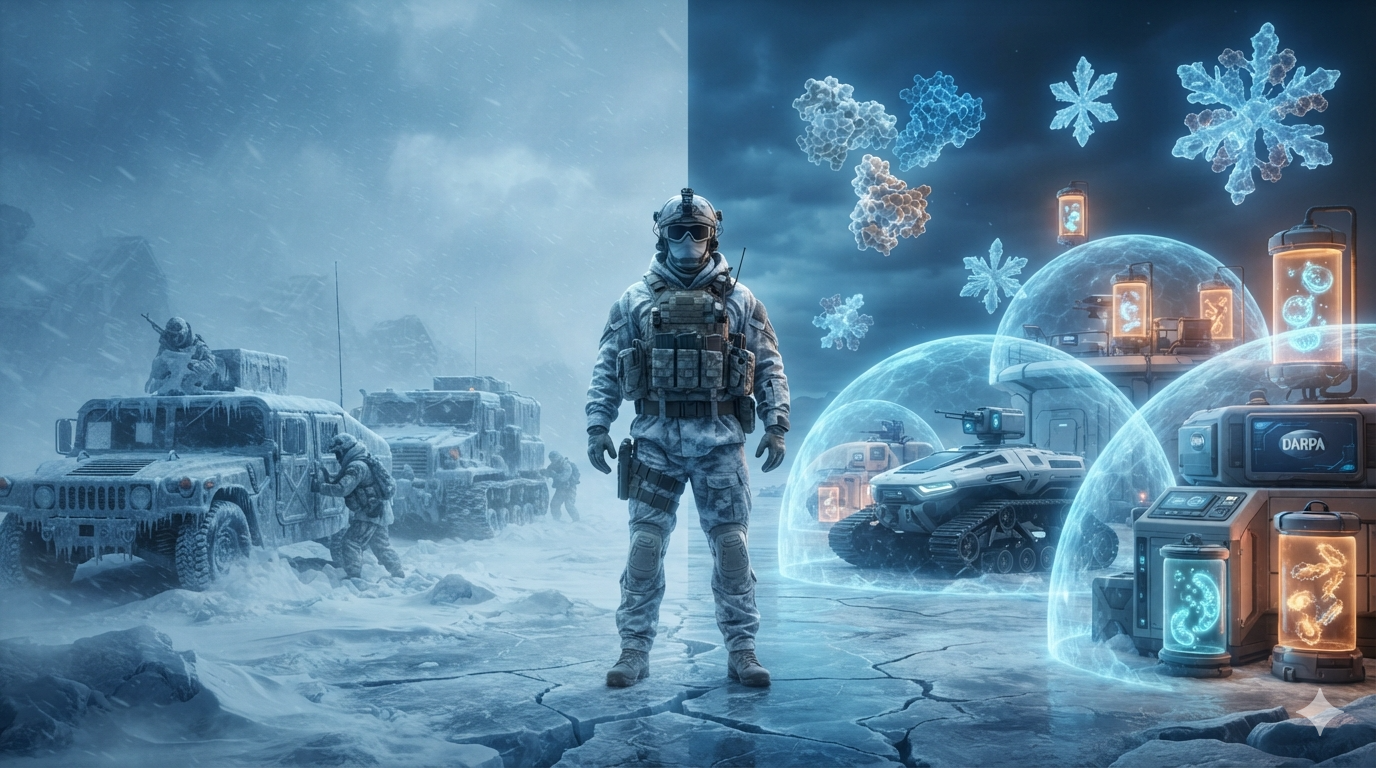
Breaking the Ice: How DARPA’s ICE Program Is Bioengineering the Future of Arctic Warfare and Cold-Weather Operations
Introduction: Biology Enters the Arctic Battlespace The Arctic is rapidly transforming from a remote, ice-bound frontier into one of the world’s most strategically contested theaters. Climate change has accelerated the retreat of sea ice, opening new maritime trade routes, exposing vast reserves of critical minerals and hydrocarbons, and increasing military activity across the High North.…
-
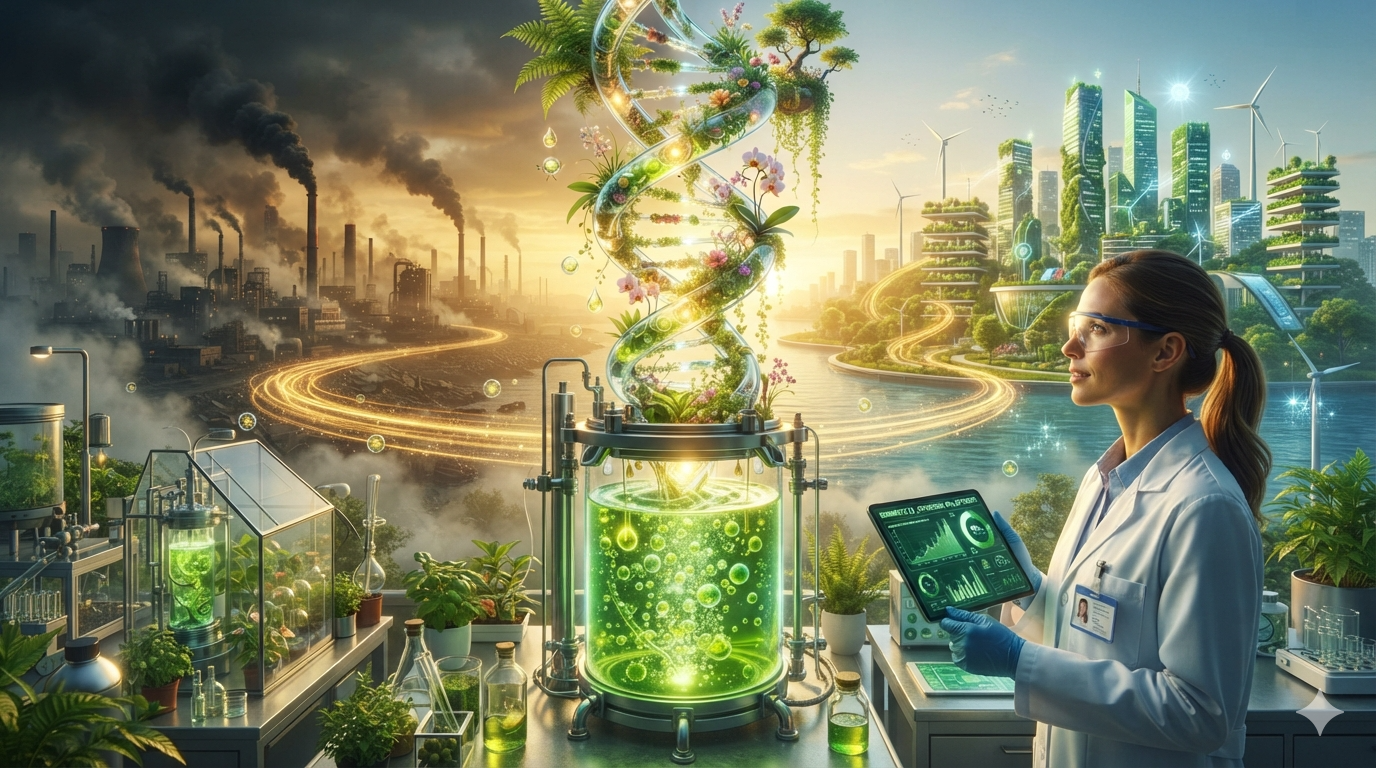
The Green Revolution 2.0: How Biotechnology Is Engineering a Sustainable Future for Climate, Industry, and Global Security
Introduction: Biotechnology Becomes a Strategic Technology for the Planet Biotechnology is undergoing its most profound transformation since the emergence of recombinant DNA technology nearly five decades ago. What began as a revolution in medicine has evolved into a foundational technology capable of reshaping global manufacturing, agriculture, energy systems, environmental restoration, and national security. Today, biology…
-

Beyond Touchscreens: Advanced Haptic Technologies Reshaping Human–Machine Interaction, Defense Systems, and the Future Battlefield
Introduction: The Strategic Rise of Haptics in the AI Era The next revolution in human-machine interaction will not be driven solely by artificial intelligence or augmented reality—it will be driven by the ability of machines to communicate through touch. As digital systems become increasingly autonomous, distributed, and immersive, tactile feedback has emerged as a critical…
-
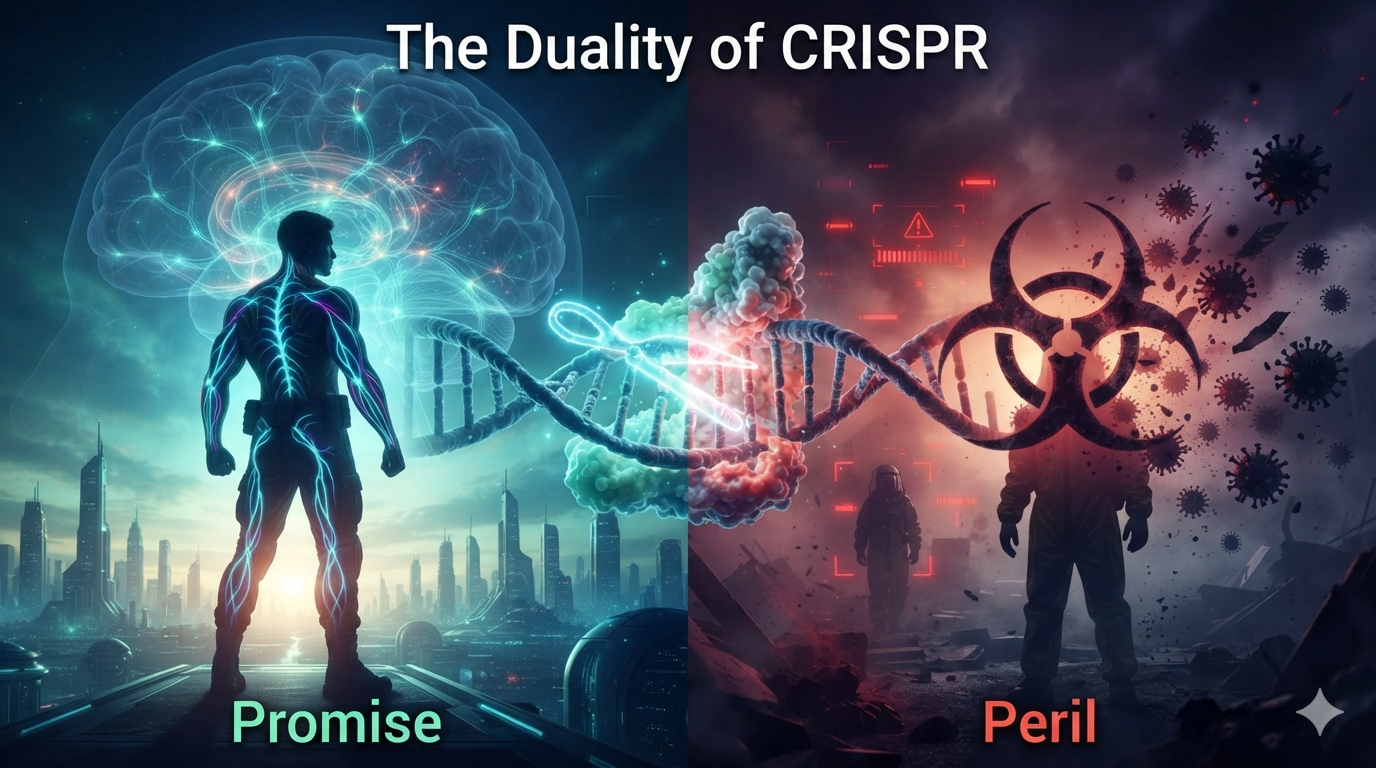
CRISPR, Human Enhancement and the New Genetic Arms Race: How Gene Editing Could Reshape Military Power, National Security and Global Biotechnology Competition
The Strategic Emergence of Gene Editing as a National Power Technology The twenty-first century competition among nations is increasingly being shaped by technologies capable of transforming the foundations of economic productivity, military effectiveness, and societal resilience. Artificial intelligence, quantum technologies, advanced semiconductors, and biotechnology now occupy the center of strategic planning across major powers. Among…
-
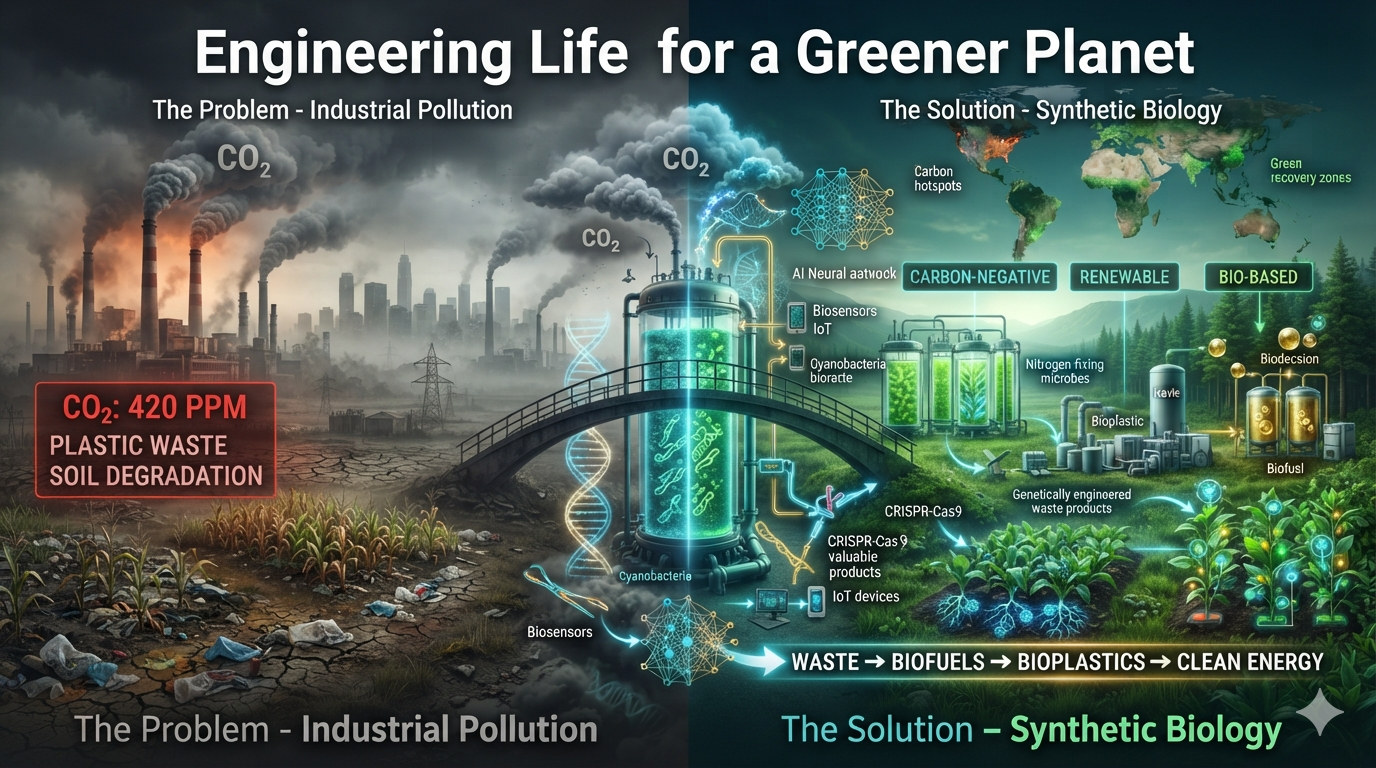
Engineering Biology Against Climate Change: How Synthetic Biology Is Reshaping Carbon Removal, Sustainable Industry, and Global Climate Security
Introduction: Programming Biology to Fight Climate Change Climate change has evolved from an environmental challenge into a defining issue of economic resilience, industrial competitiveness, national security, and geopolitical stability. Despite rapid expansion of renewable energy, electrification, and carbon capture technologies, global greenhouse gas emissions remain near record levels, while hard-to-abate sectors—including aviation, shipping, cement, steel,…
-
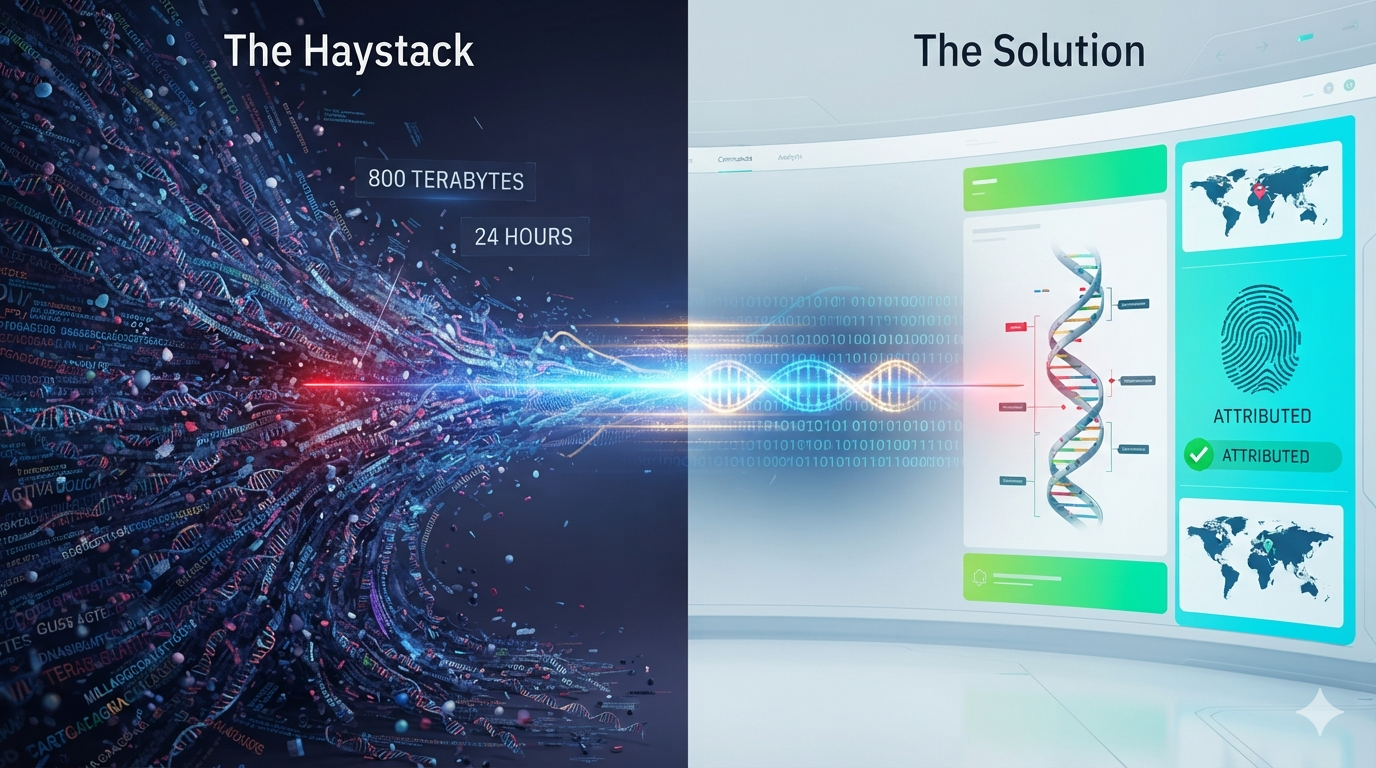
Beyond Detection: How DARPA’s Bio-Attribution Challenge Is Redefining Biothreat Intelligence and Genomic Forensics
Strategic Context: The Race to Attribute Engineered Biology The twenty-first century has witnessed a revolution in synthetic biology, genome editing, and artificial intelligence that is transforming medicine, agriculture, and biotechnology. The same technologies, however, are also reshaping biological security. Gene synthesis has become faster and cheaper, CRISPR-based editing has democratized genetic engineering, and AI-driven protein…
-
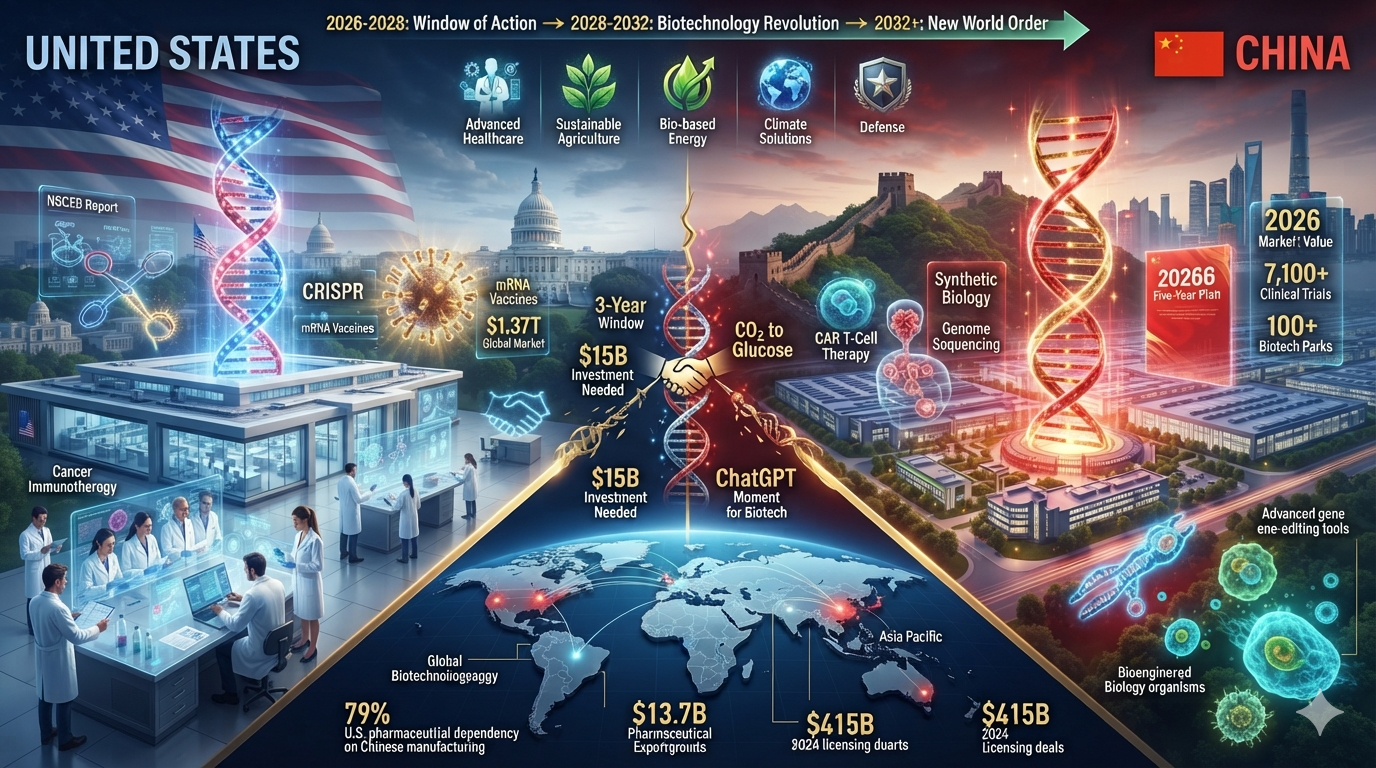
Biotechnology Superpowers: The U.S.-China Race for Dominance in the Global Bioeconomy
Introduction: Strategic Context The global competition for technological leadership is rapidly expanding beyond artificial intelligence, semiconductors, and quantum computing into an equally transformative domain—biotechnology. Often described as the next industrial revolution, biotechnology is reshaping healthcare, agriculture, advanced manufacturing, defense, energy, and environmental sustainability through the convergence of biology, engineering, automation, and artificial intelligence. Increasingly, biological…
Related Domains & Cross-Cutting Themes
Human systems, global health security, ethics and regulation, supply-chain resilience, and science governance.
Ethics, governance, and technology control
Industrial scaling and supply-chain constraints
Human–machine teaming and trust
Interoperability across platforms and institutions
Export controls and technological rivalry
Explore the Critical & Emerging Technologies Magazine →
Explore the Industry, Markets & Supply Chains Magazine →
Explore the Space Technology, Defense & Exploration Magazine →