
Land forces remain central to controlling territory, populations, and political outcomes. Even as warfare becomes increasingly networked and technology-driven, success on land depends on the integration of armored platforms, infantry, fires, sensors, and logistics under real-world constraints.
This sub-magazine examines how modern armies adapt to high-intensity conflict, urban warfare, and contested logistics environments.
IDST Intelligence Briefings
Our briefings analyze land combat systems and formations as operational ecosystems, explaining how mobility, protection, firepower, and information combine at the tactical and operational levels.
Why This Magazine Exists
Ground warfare is often misunderstood through isolated equipment comparisons. In reality, effectiveness is shaped by doctrine, training, sustainment, and combined-arms integration.
This sub-magazine exists to explain how land forces actually fight, how systems are employed together, and how constraints shape battlefield outcomes.
What We Track
This magazine tracks developments across the full Land spectrum, including:
- Main battle tanks, infantry fighting vehicles, and armored mobility
- Artillery, rocket forces, and long-range fires
- Infantry systems and small-unit technologies
- Battlefield sensors, drones, and ISR integration
- Logistics, sustainment, and battlefield engineering
- Adaptation to urban, hybrid, and high-intensity conflict
Latest Analysis & Intelligence
-
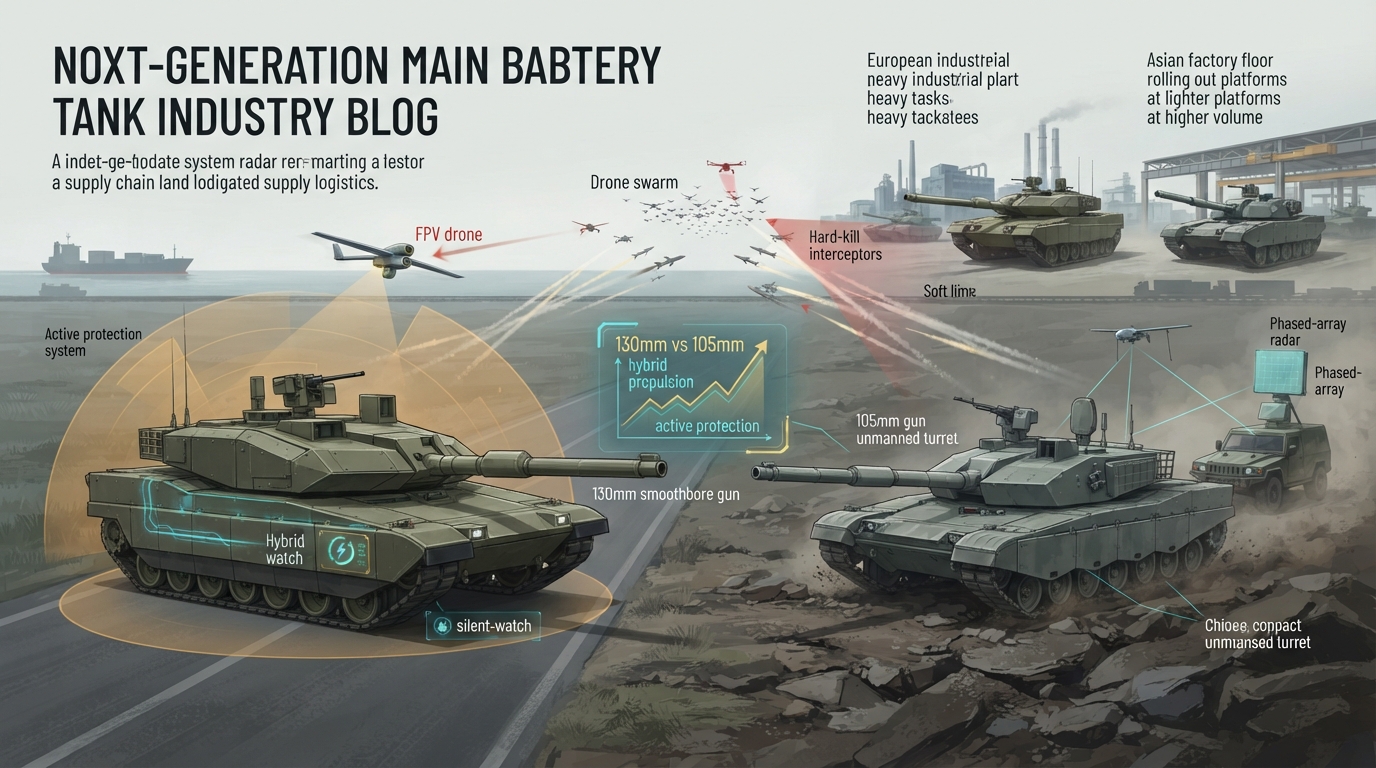
The Global Main Battle Tank Industry: Reinvention, Drone Warfare, and the Race for Next-Generation Armoured Dominance
Introduction: Strategic Context — The Tank at a Turning Point The main battle tank (MBT) is undergoing its most consequential reassessment since the introduction of composite armour, thermal imaging, and modern fire-control systems. Russia’s invasion of Ukraine has exposed the vulnerability of armoured vehicles to persistent surveillance, first-person-view (FPV) drones, loitering munitions, precision artillery, and…
-
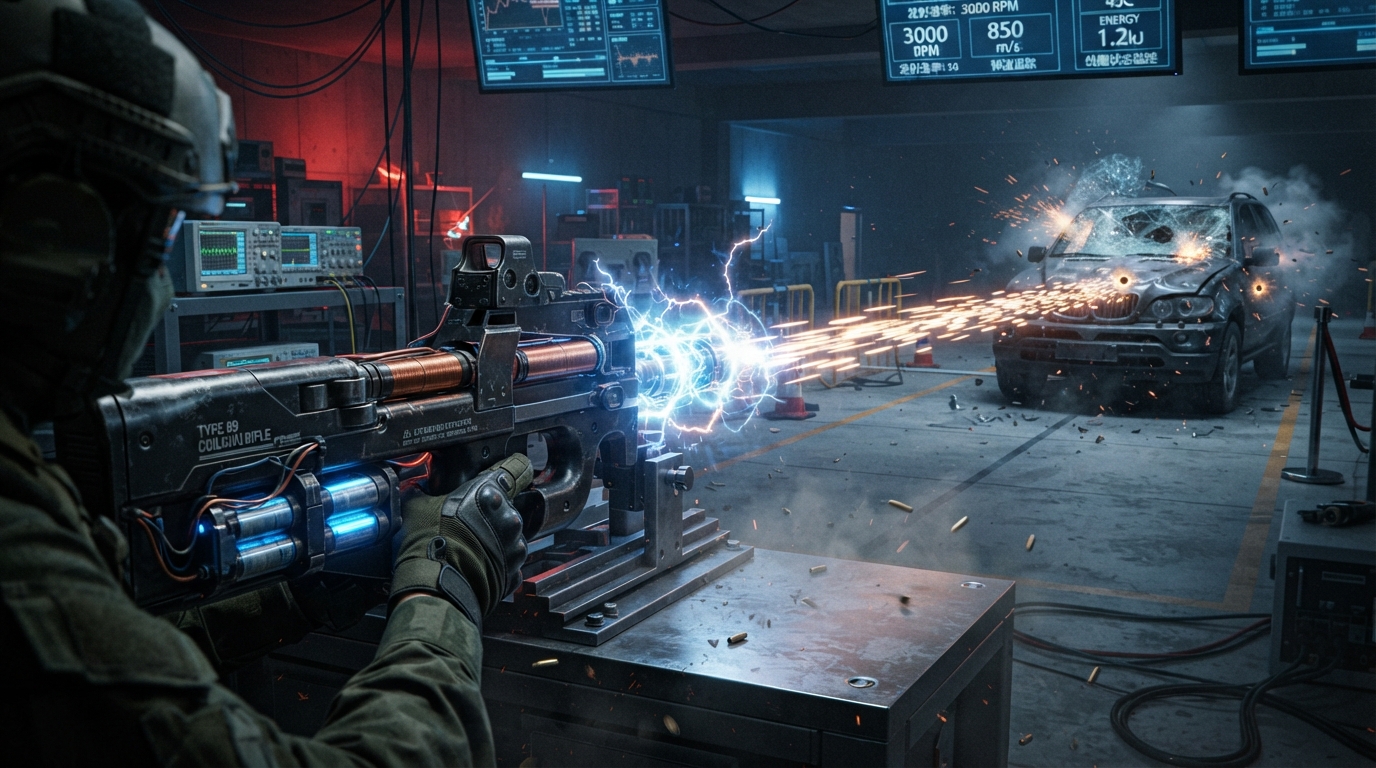
Coilguns: The Rise of Electromagnetic Weapons and the Future of Electrified Warfare
Strategic Context For more than a century, firearms have depended on essentially the same fundamental mechanism: chemical energy stored in a propellant is rapidly converted into pressure, accelerating a projectile through a barrel. The emergence of practical electromagnetic launch technologies raises a different question: what happens when the battlefield weapon becomes an electrical machine rather…
-
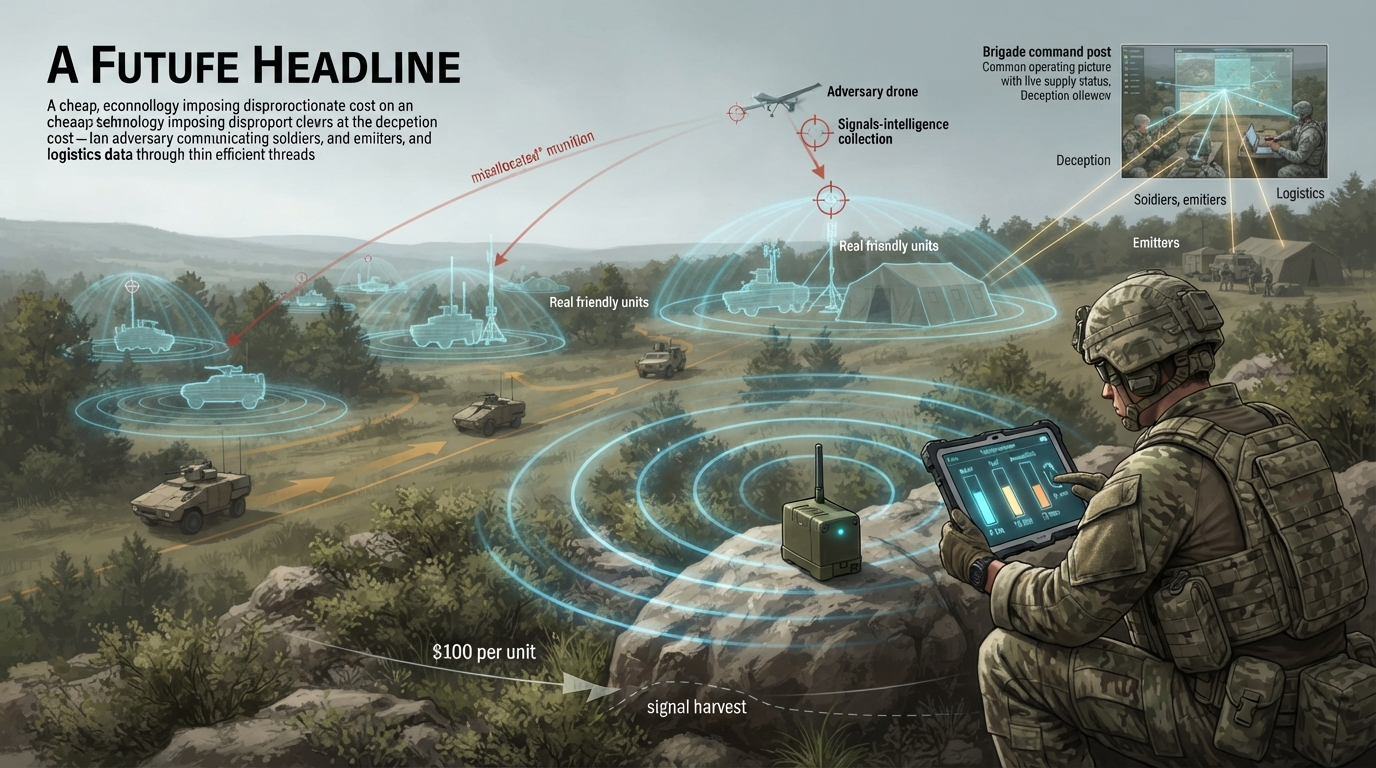
The $100 Decoy and the 20-Minute LOGSTAT: How Low-Cost Innovation Is Reshaping Army Transformation
Introduction: Strategic Context Modern warfare is exposing a fundamental tension in military modernization: advanced technology can deliver extraordinary capabilities, but expensive, complex systems are not always the fastest or most effective way to solve an operational problem. In an environment dominated by drones, electronic warfare, persistent surveillance and precision fires, survivability increasingly depends on deception,…
-
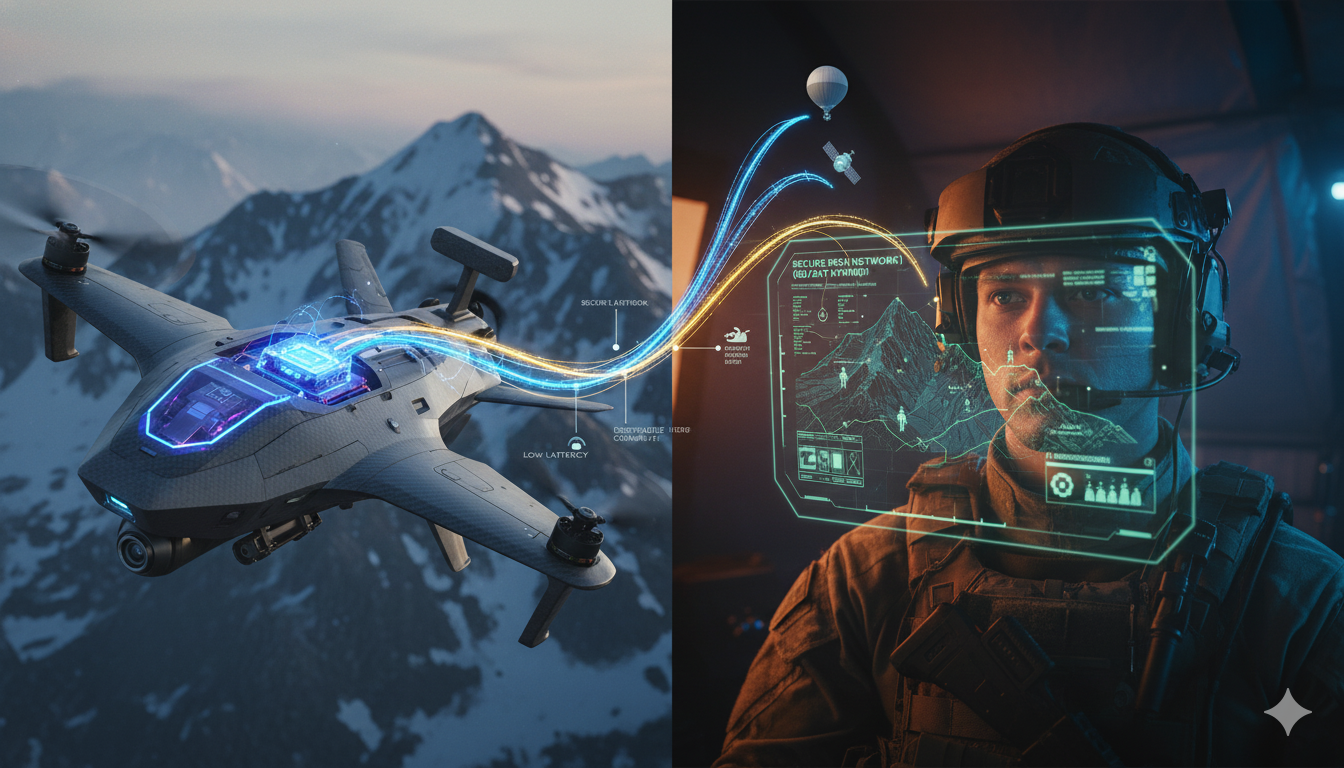
Deploying Advanced AI at the Tactical Edge: Overcoming the Challenges of Real-Time Intelligence for Defense, Autonomous Systems, and National Security
Introduction: The New Battlespace for Artificial Intelligence Artificial intelligence is rapidly transforming modern military operations, industrial automation, and autonomous systems, but its greatest impact is emerging far from cloud data centers. The future battlespace increasingly depends on AI operating directly at the tactical edge—aboard unmanned aircraft, autonomous ground vehicles, naval platforms, satellites, wearable soldier systems,…
-
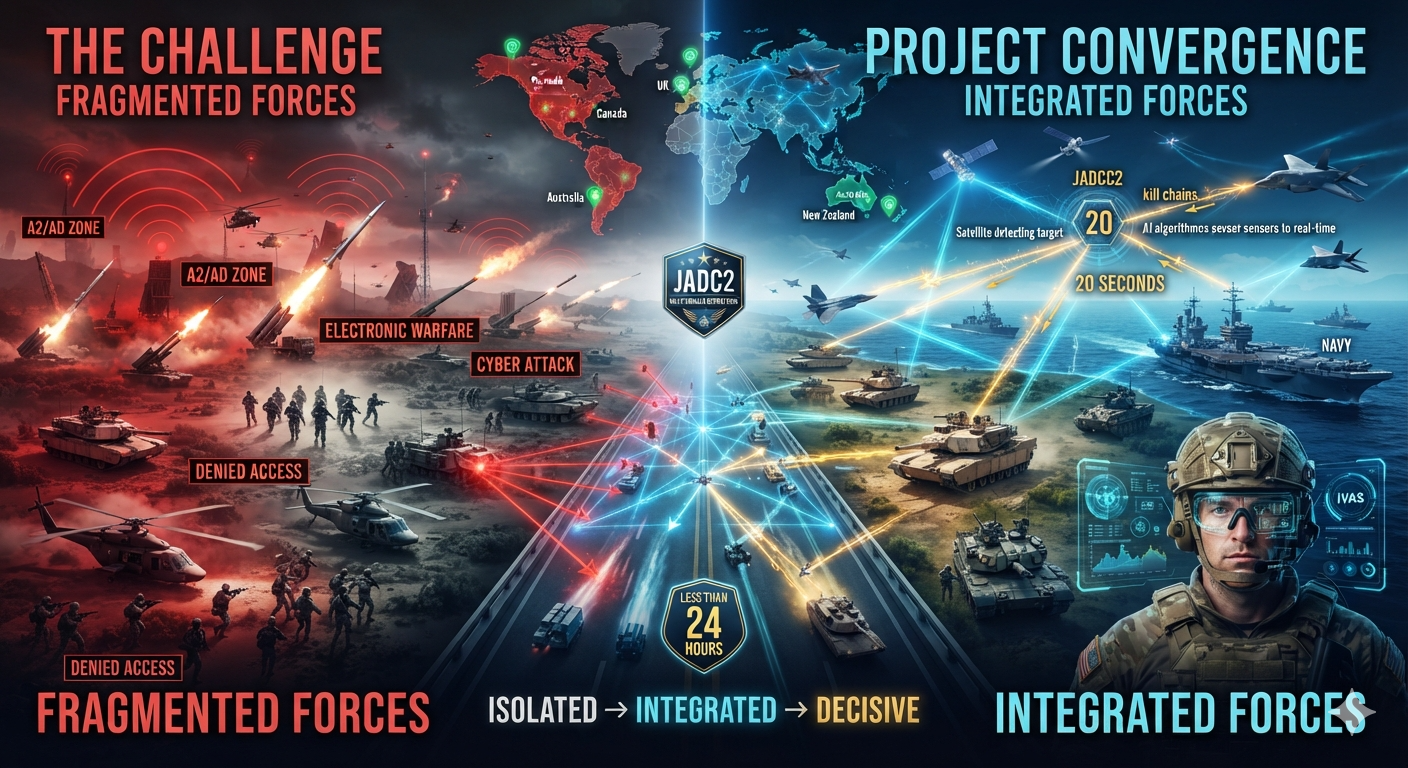
Project Convergence: How the U.S. Army Is Building the AI-Powered Multidomain Battlefield of the Future
Introduction: Project Convergence and the Race for Decision Dominance Future wars will not be won solely by possessing superior tanks, aircraft, missiles, or warships. Victory will increasingly belong to the military that can sense, decide, and strike faster than its adversary across every operational domain. As peer competitors field long-range precision weapons, artificial intelligence (AI),…
-
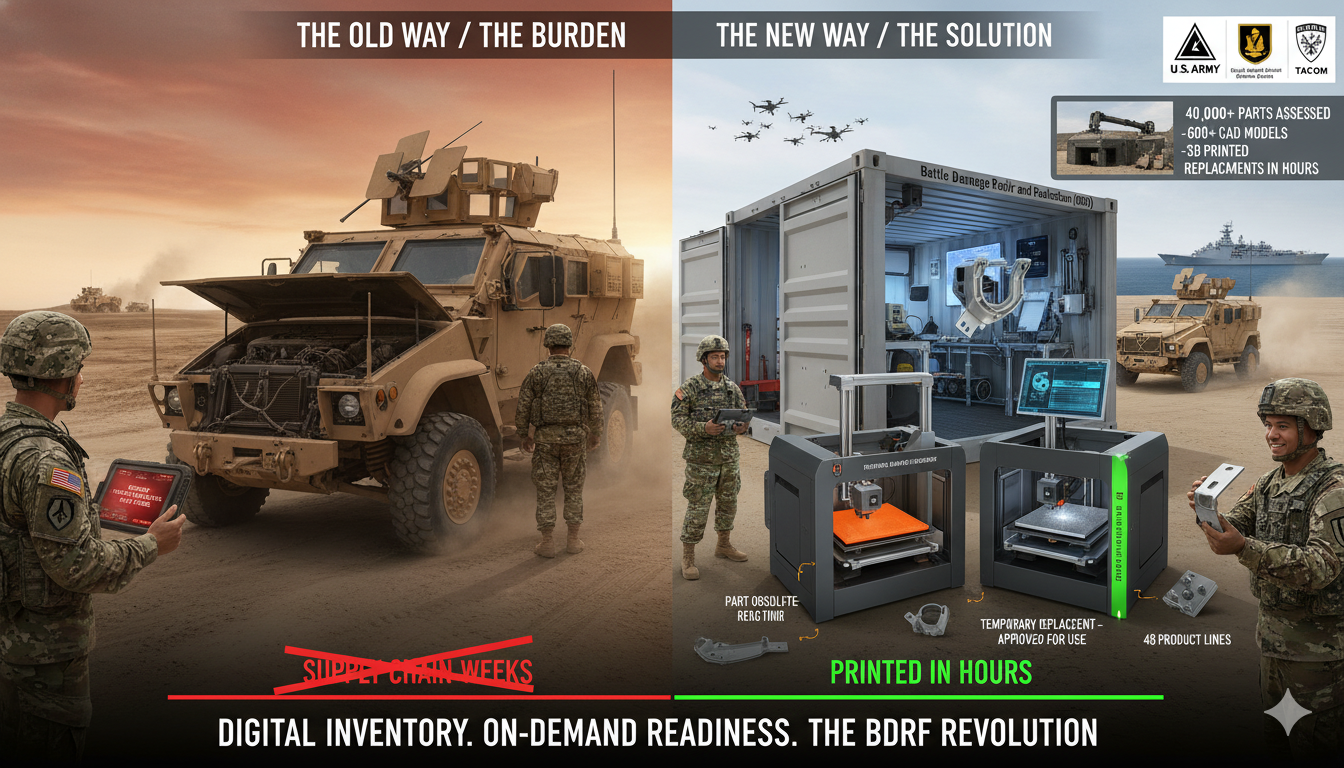
Revolutionizing the Battlefield: 3D Printing’s On-Demand Arsenal for the Modern Military
From Battlefield Repair to Distributed Warfare Manufacturing Additive manufacturing has moved far beyond the laboratory. Between 2024 and 2026, military 3D printing evolved from a niche sustainment capability into a rapidly expanding operational technology reshaping logistics, maintenance, drone warfare, expeditionary construction, and distributed combat operations. From the trenches of Ukraine to U.S. Navy warships operating…
-
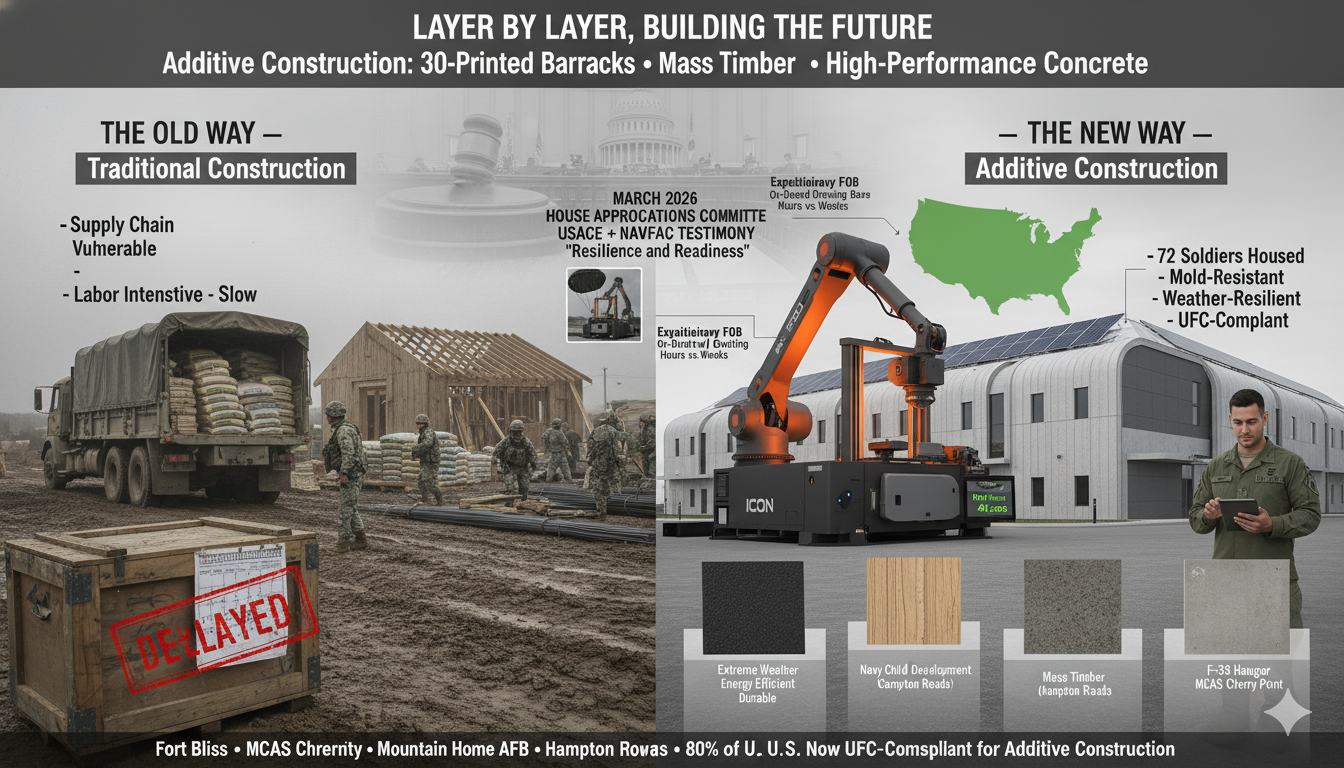
Building the Future: How 3D Printing and Advanced Construction Are Revolutionizing Military Infrastructure (2026 Update)
Introduction: Infrastructure as a Strategic Weapon Military infrastructure is undergoing its most significant transformation since the mechanization of combat engineering during the Second World War. Across the United States, China, Europe, Russia, and the Indo-Pacific, defense planners are rethinking how bases, fortifications, airfields, logistics hubs, and expeditionary facilities are designed and constructed in an era…
Related Domains & Cross-Cutting Themes
Defense systems do not operate in isolation. Readers may also explore how military technologies intersect with geopolitics, industrial capacity, emerging technologies, and future warfare concepts across the IDST intelligence network.
Human performance and soldier systems
Industrial production and attrition dynamics
Command-and-control resilience
Terrain, weather, and operational environment
Terrain, weather, and operational environment
Explore the Critical & Emerging Technologies Magazine →
Explore the Industry, Markets & Supply Chains Magazine →
Explore the Space Technology, Defense & Exploration Magazine →