
Land forces remain central to controlling territory, populations, and political outcomes. Even as warfare becomes increasingly networked and technology-driven, success on land depends on the integration of armored platforms, infantry, fires, sensors, and logistics under real-world constraints.
This sub-magazine examines how modern armies adapt to high-intensity conflict, urban warfare, and contested logistics environments.
IDST Intelligence Briefings
Our briefings analyze land combat systems and formations as operational ecosystems, explaining how mobility, protection, firepower, and information combine at the tactical and operational levels.
Why This Magazine Exists
Ground warfare is often misunderstood through isolated equipment comparisons. In reality, effectiveness is shaped by doctrine, training, sustainment, and combined-arms integration.
This sub-magazine exists to explain how land forces actually fight, how systems are employed together, and how constraints shape battlefield outcomes.
What We Track
This magazine tracks developments across the full Land spectrum, including:
- Main battle tanks, infantry fighting vehicles, and armored mobility
- Artillery, rocket forces, and long-range fires
- Infantry systems and small-unit technologies
- Battlefield sensors, drones, and ISR integration
- Logistics, sustainment, and battlefield engineering
- Adaptation to urban, hybrid, and high-intensity conflict
Latest Analysis & Intelligence
-
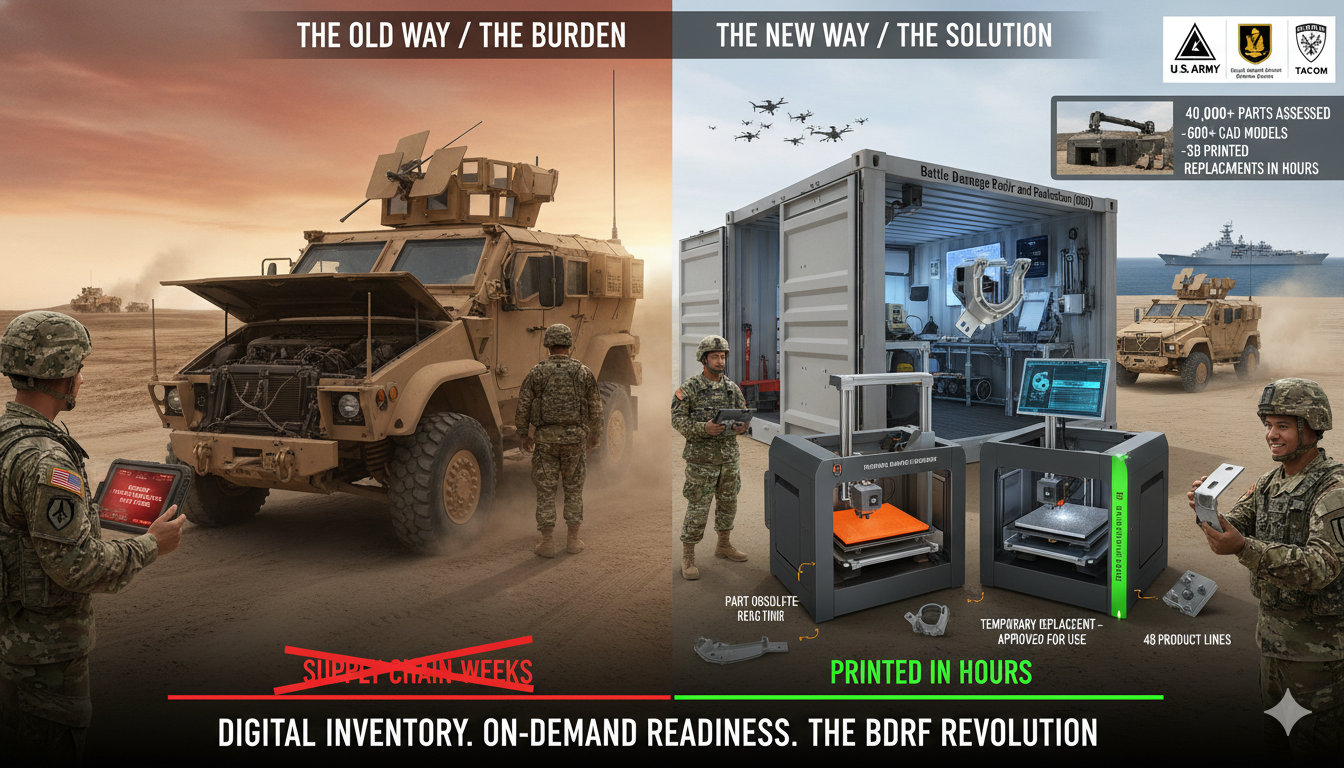
Revolutionizing the Battlefield: 3D Printing’s On-Demand Arsenal for the Modern Military
From Battlefield Repair to Distributed Warfare Manufacturing Additive manufacturing has moved far beyond the laboratory. Between 2024 and 2026, military 3D printing evolved from a niche sustainment capability into a rapidly expanding operational technology reshaping logistics, maintenance, drone warfare, expeditionary construction, and distributed combat operations. From the trenches of Ukraine to U.S. Navy warships operating…
-
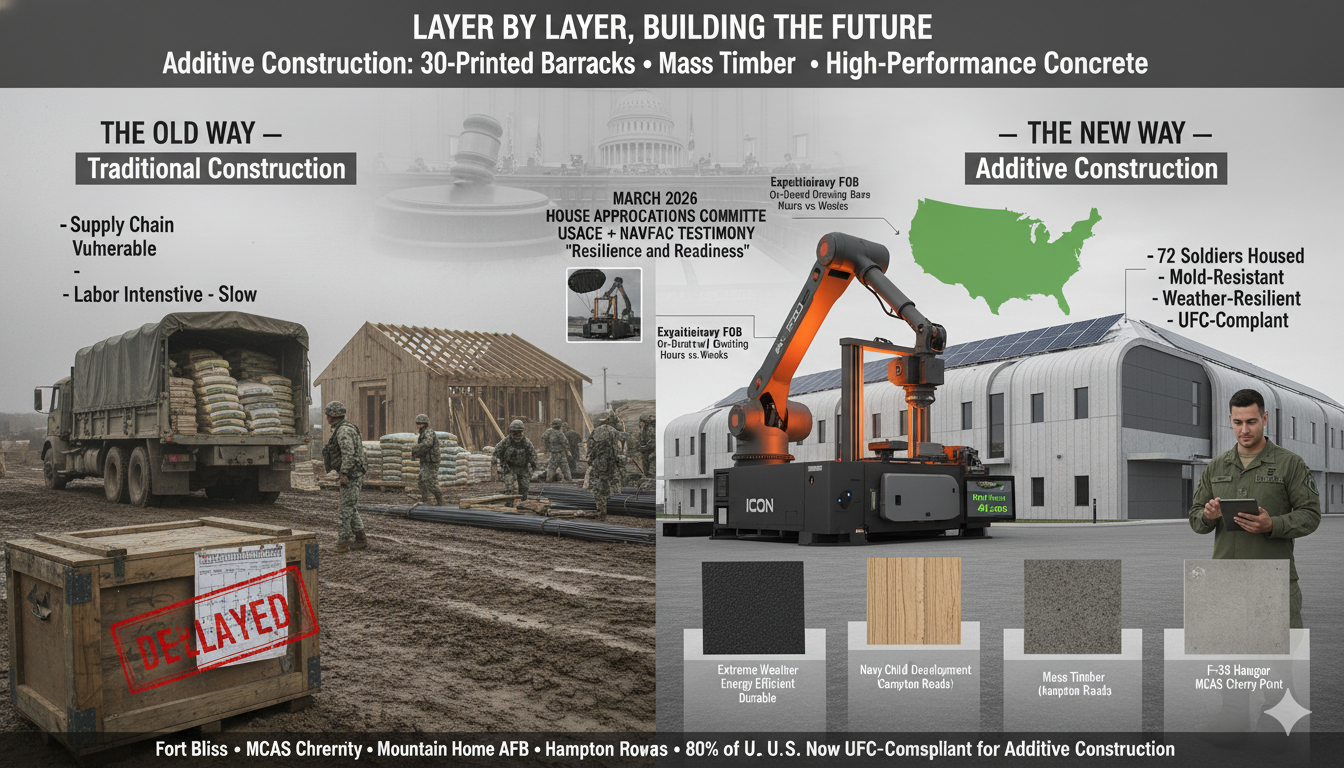
Building the Future: How 3D Printing and Advanced Construction Are Revolutionizing Military Infrastructure (2026 Update)
Introduction: Infrastructure as a Strategic Weapon Military infrastructure is undergoing its most significant transformation since the mechanization of combat engineering during the Second World War. Across the United States, China, Europe, Russia, and the Indo-Pacific, defense planners are rethinking how bases, fortifications, airfields, logistics hubs, and expeditionary facilities are designed and constructed in an era…
-
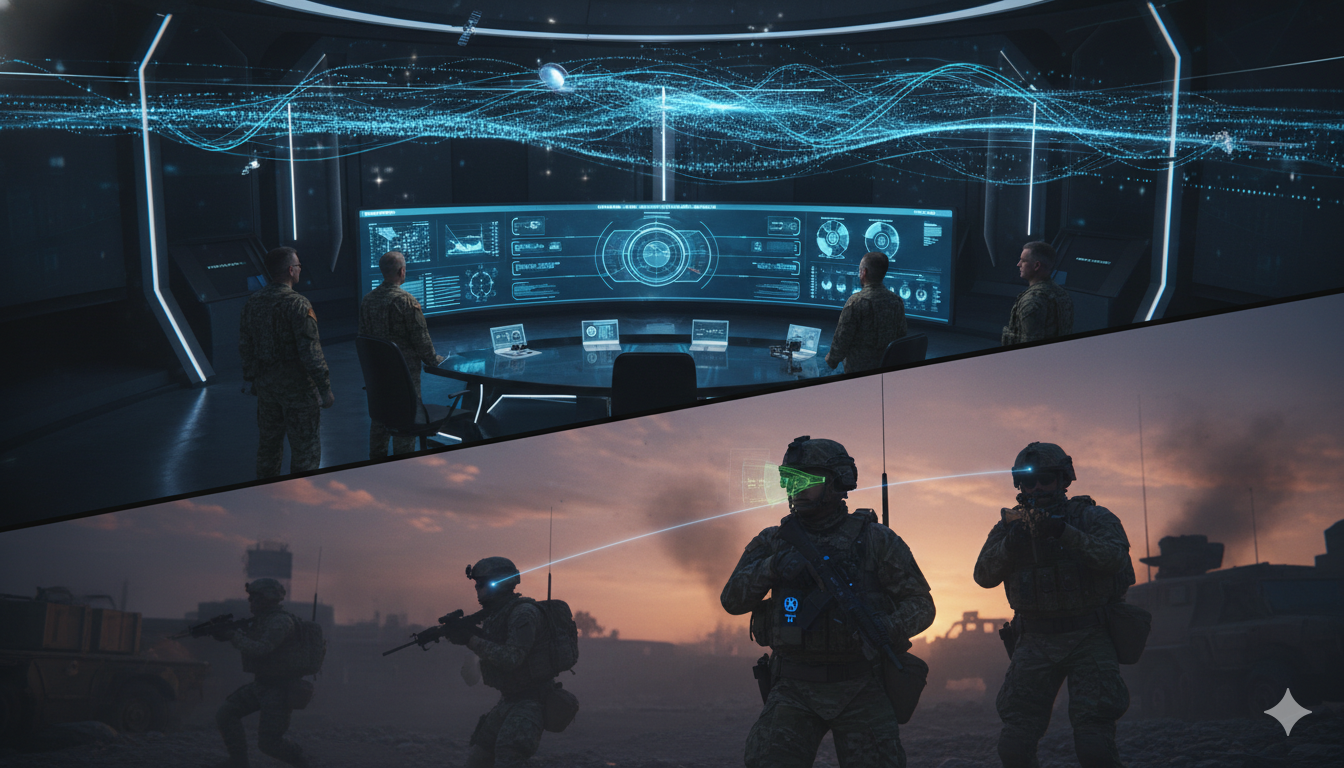
From Reactive to Predictive: Redefining Sustainment for the Battlefield of 2030
Introduction: Logistics at Machine Speed “Amateurs talk tactics; professionals talk logistics.” The enduring insight attributed to Robert H. Barrow has never carried greater urgency than it does today. On the emerging battlefield of 2030, sustainment is no longer a rear-echelon function—it is a contested, data-driven battlespace in its own right. Future conflicts will unfold across…
-
The Army’s Unified Network: Building the Digital Backbone for Multi-Domain Operations
Introduction: From Network Modernization to Warfighting Advantage The future battlefield will not be defined by platforms alone, but by the speed, resilience, and intelligence of the networks that connect them. For the U.S. Army, the shift toward Multi-Domain Operations (MDO) demands more than incremental upgrades—it requires a fundamental re-architecture of how data is generated, shared,…
-
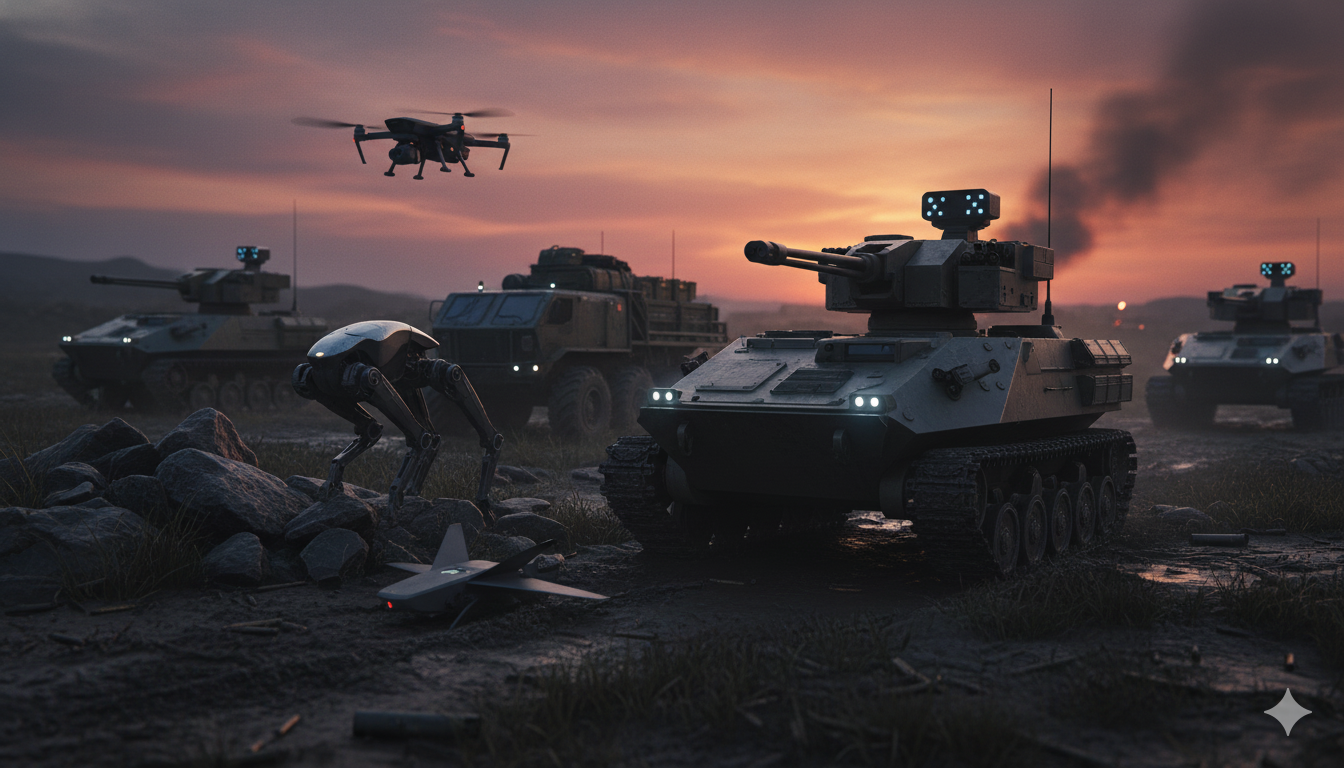
Unmanned Ground Vehicles: The Robotic Spearhead of Modern Warfare
Introduction: The Third Dimension of Unmanned Warfare For much of the past two decades, the global conversation around military robotics has focused primarily on aerial drones. The persistent presence of unmanned aerial vehicles over modern battlefields—from counterterrorism operations to high-intensity wars—has captured both strategic attention and public imagination. Yet beneath the skies where UAVs dominate…
-
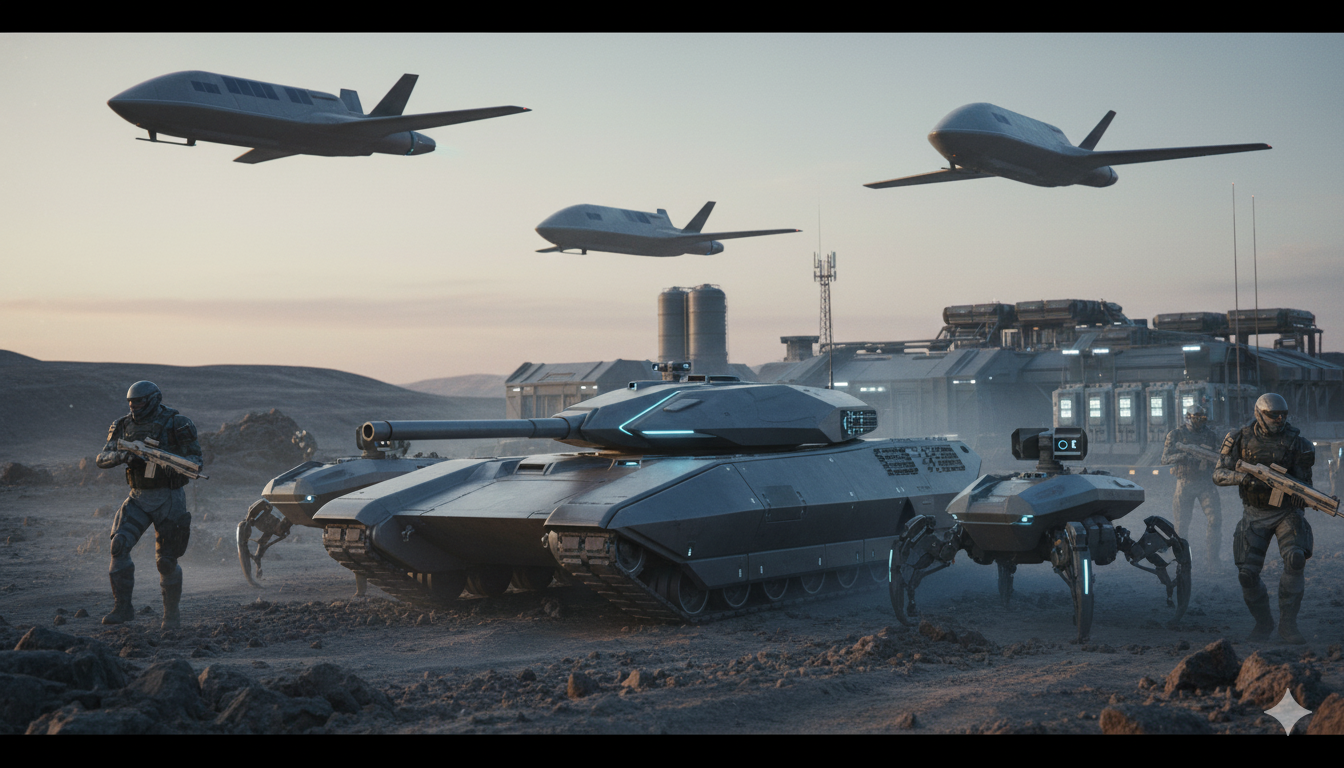
Hydrogen Fuel Cell Electric Vehicles (FCEVs): Driving Clean Mobility and Next-Generation Military Power
Introduction: Hydrogen as the New Energy Battlespace The global transition away from fossil fuels is no longer solely an environmental imperative—it is a strategic realignment of energy, mobility, and power projection. Within this transformation, Hydrogen Fuel Cell Electric Vehicles (FCEVs) are emerging not just as an alternative propulsion system, but as a foundational technology shaping…
-
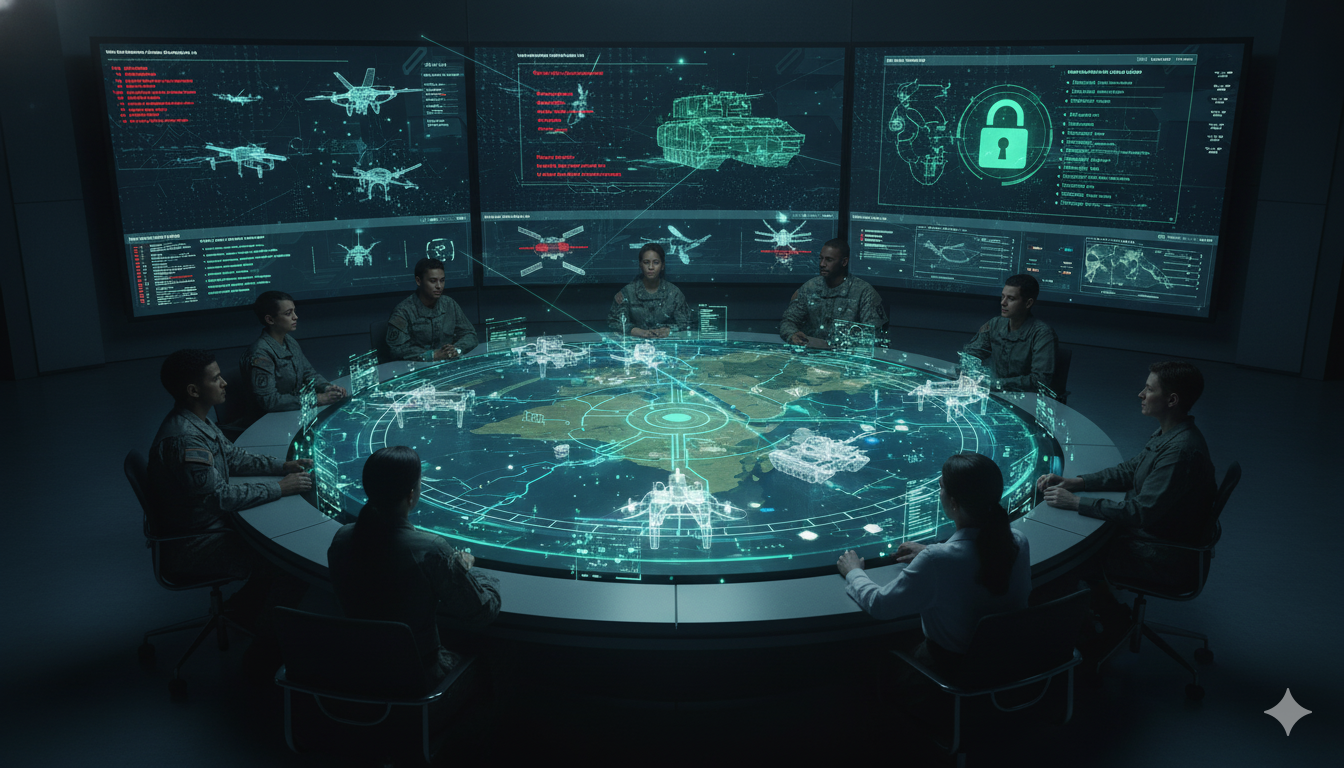
Next Generation Command and Control (NGC2): Transforming the Future of U.S. Army Operations
Introduction: The Compression of War and the Rise of Algorithmic Command The character of warfare is undergoing a fundamental compression. Decision timelines that once unfolded over hours or minutes are now collapsing into seconds, driven by the velocity of data, the proliferation of sensors, and the increasing autonomy of combat systems. In this environment, the…
Related Domains & Cross-Cutting Themes
Defense systems do not operate in isolation. Readers may also explore how military technologies intersect with geopolitics, industrial capacity, emerging technologies, and future warfare concepts across the IDST intelligence network.
Human performance and soldier systems
Industrial production and attrition dynamics
Command-and-control resilience
Terrain, weather, and operational environment
Terrain, weather, and operational environment
Explore the Critical & Emerging Technologies Magazine →
Explore the Industry, Markets & Supply Chains Magazine →
Explore the Space Technology, Defense & Exploration Magazine →