
Air power remains the decisive enabler of modern military operations, providing speed, reach, intelligence, and strike capability across vast distances. As air and near-space domains become more contested, control of the skies increasingly depends on advanced platforms, sensor fusion, and networked operations rather than raw aircraft numbers.
Control of the air is no longer about platforms alone, but about information superiority and system integration. This sub-magazine examines how air and aerospace systems shape deterrence, power projection, and multi-domain operations.
IDST Intelligence Briefings
These intelligence briefings provide visual, system-level analysis of aviation, modern military air platforms and aerospace systems. Each video places individual technologies within operational and doctrinal context—explaining how they are intended to function in real-world conflict environments.
Why This Magazine Exists
Air and aerospace capabilities sit at the intersection of technology, doctrine, and industrial capacity. While individual aircraft often attract attention, real airpower effectiveness depends on how platforms, sensors, networks, and command structures operate as a coherent system.
This sub-magazine exists to move beyond platform-centric coverage and explain how air dominance is actually generated, contested, and sustained in modern conflict environments.
What We Track
This magazine tracks developments across the full Air Power, Aviation & Aerospace Systems, including:
- Fighter, bomber, and ISR aircraft development
- Unmanned and autonomous air systems
- Air defense, counter-air, and integrated air battle networks
- Aerospace surveillance and early-warning systems
- Hypersonic and next-generation propulsion technologies
Latest Analysis & Intelligence
-
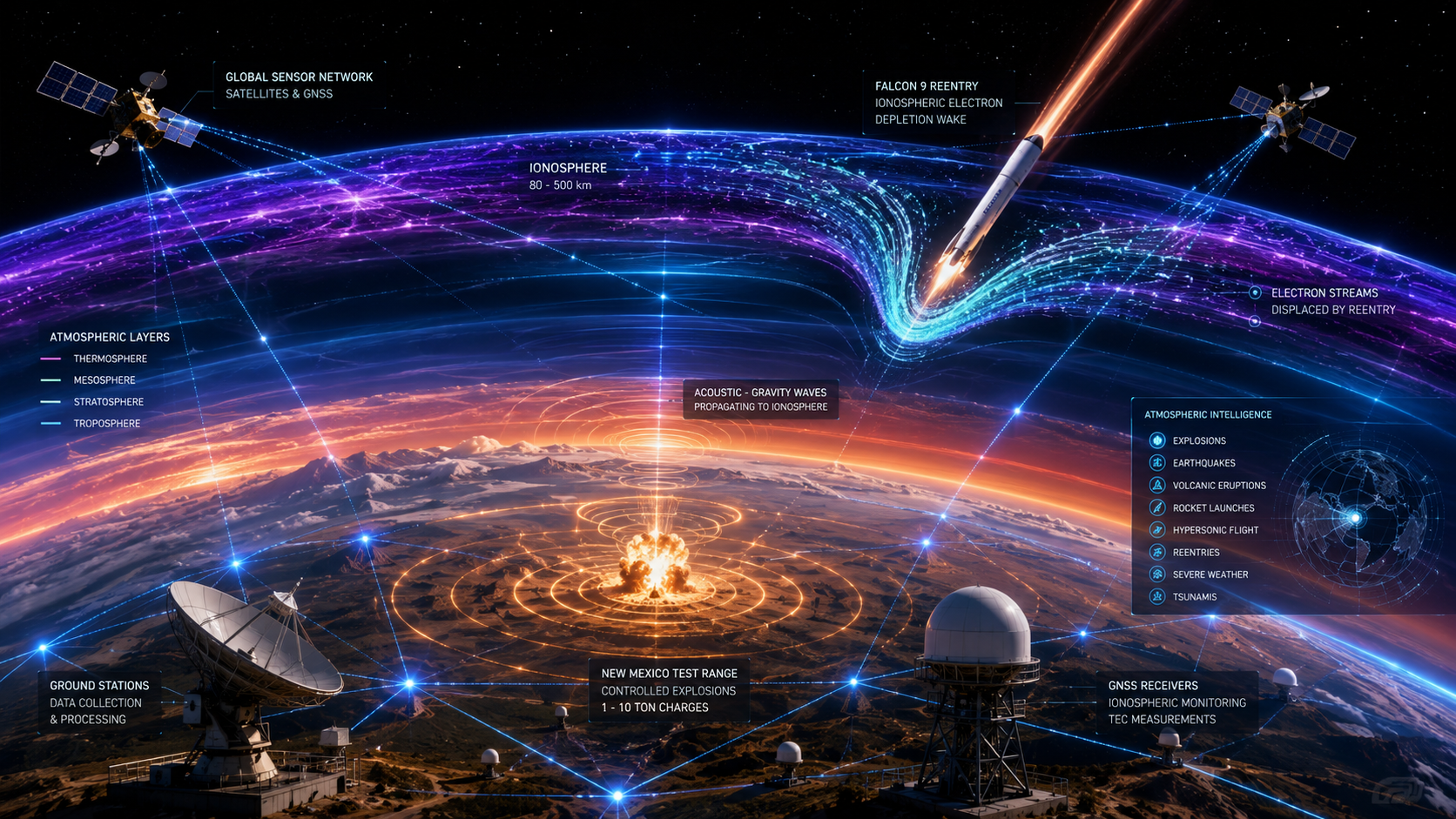
The Sky is the Sensor: How DARPA’s AtmoSense is Transforming the Atmosphere into a Global Intelligence and Surveillance Network
Introduction: The Emergence of Atmospheric Intelligence Modern warfare and strategic competition are increasingly defined by the ability to detect, identify, and understand events occurring anywhere on Earth in near real time. For decades, militaries have relied on satellites, radars, seismic stations, acoustic arrays, and airborne intelligence platforms to build situational awareness. Yet these conventional sensors…
-

Navigating the Skies: How AI-Powered Drone Swarms Are Transforming Warfare, Security and Industry
Introduction: The Emergence of Mass Autonomy in Modern Warfare The character of warfare is undergoing one of its most profound transformations since the introduction of precision-guided weapons. While unmanned aerial vehicles have become a familiar feature of modern military operations, the next revolution is being driven not by individual drones but by intelligent swarms capable…
-
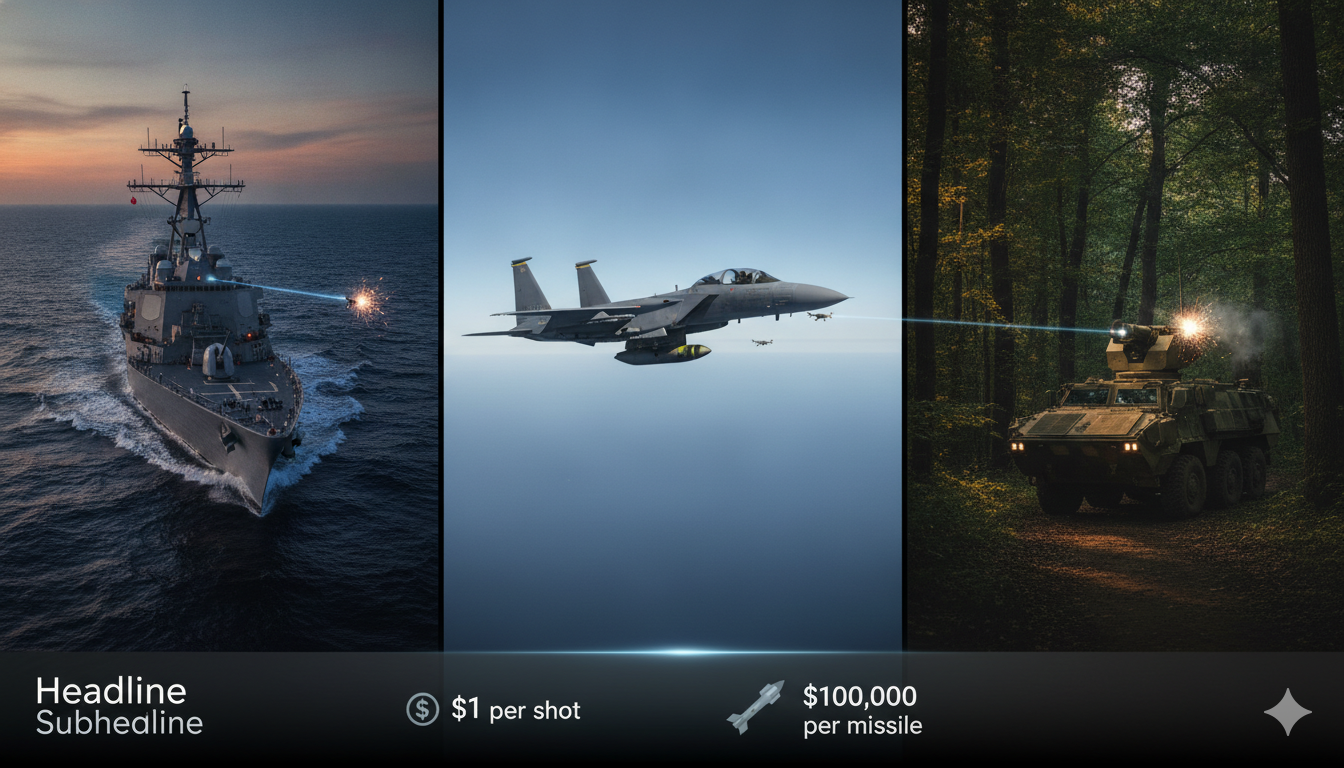
From Science Fiction to Battlefield Reality: The Rise of Military Laser Weapons and the Global Directed Energy Race
Introduction: Directed Energy Weapons Enter the Era of Strategic Competition For decades, laser weapons occupied an unusual place in military planning. They were simultaneously among the most promising and the most disappointing technologies in defense research. Popular culture imagined aircraft firing beams of light capable of destroying enemy missiles instantaneously, while defense laboratories struggled with…
-
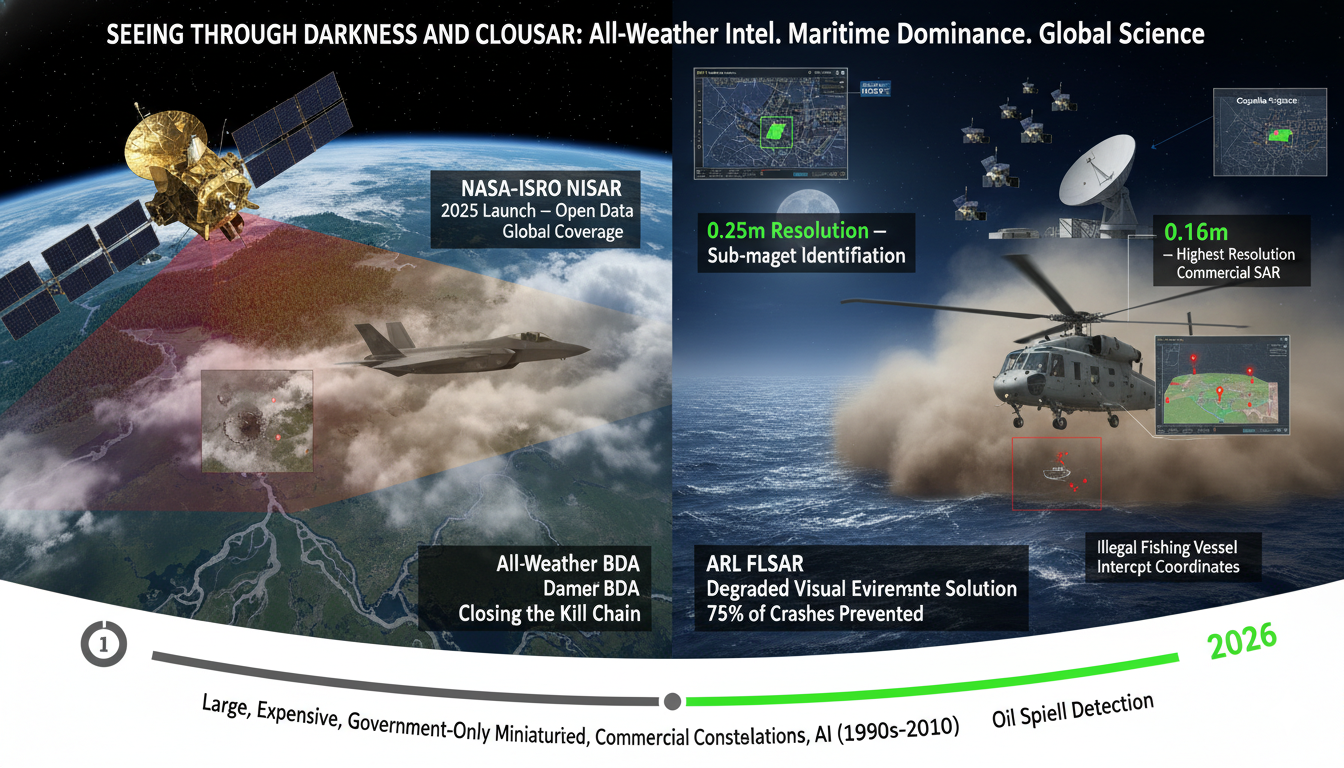
Seeing Through Darkness and Clouds: How Synthetic Aperture Radar (SAR) is Revolutionizing Reconnaissance, Surveillance, and Helicopter Landing
Introduction: SAR Becomes a Strategic Intelligence Infrastructure The modern battlespace is increasingly defined by contested environments, degraded visibility, electronic warfare, and the need for persistent global surveillance. Optical imaging systems—despite their high fidelity—remain constrained by clouds, smoke, darkness, camouflage, and adverse weather. Synthetic Aperture Radar (SAR) has emerged as the critical solution to this operational…
-
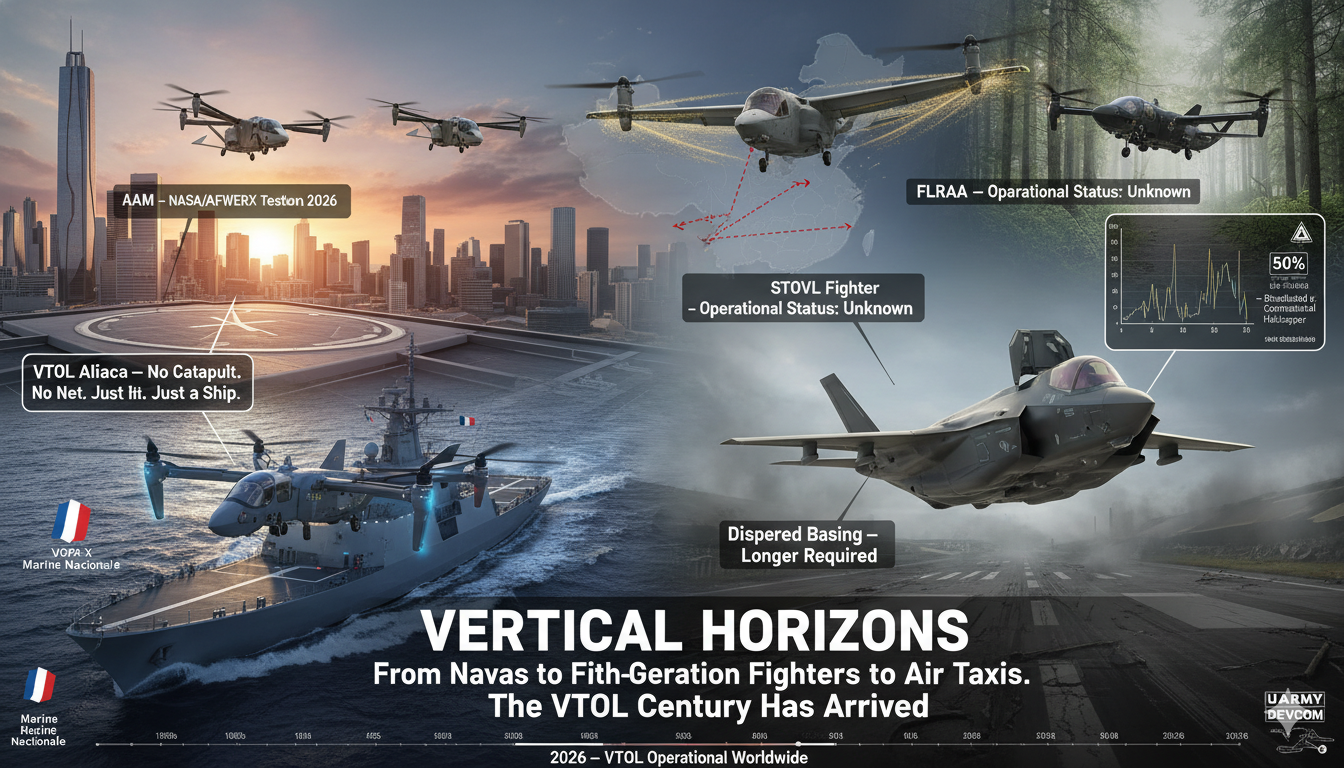
The Silent Revolution: VTOL Aircraft in Future Warfare and Urban Mobility
From the combat decks of amphibious assault ships to the vertiports rising above megacities, Vertical Takeoff and Landing (VTOL) aviation is undergoing its most significant transformation since the helicopter age began. What was once considered a niche or technically impractical capability has become central to both future warfare and next-generation transportation systems. The convergence of…
-
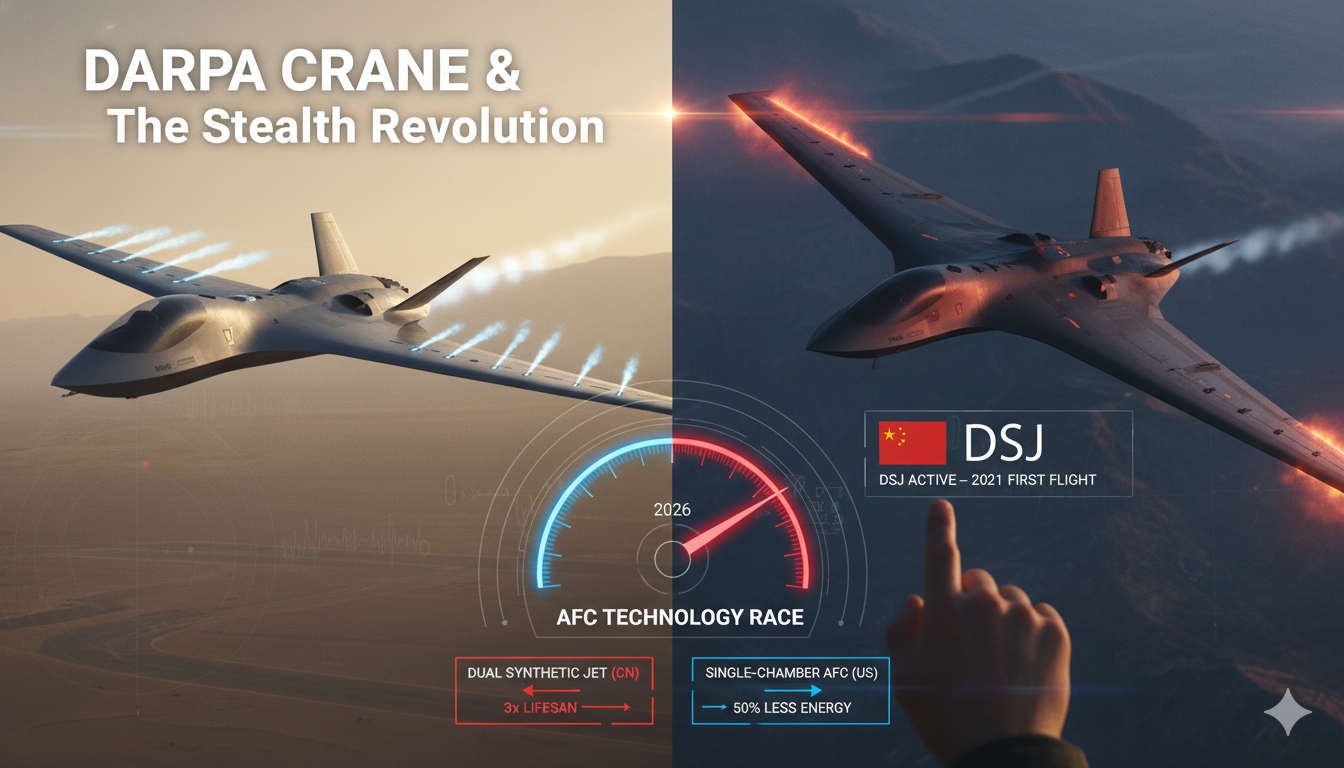
DARPA CRANE: Active Flow Control, X-Planes, and the Emerging Race for Sixth-Generation Air Dominance
Introduction: The Next Revolution in Airpower Is Not a New Engine—It Is a New Way to Fly The race for air dominance is entering a transformative phase in which stealth, artificial intelligence, advanced materials, autonomous systems, and aerodynamics are converging to redefine military aviation. While sixth-generation fighter programs such as the U.S. Air Force’s Next…
-
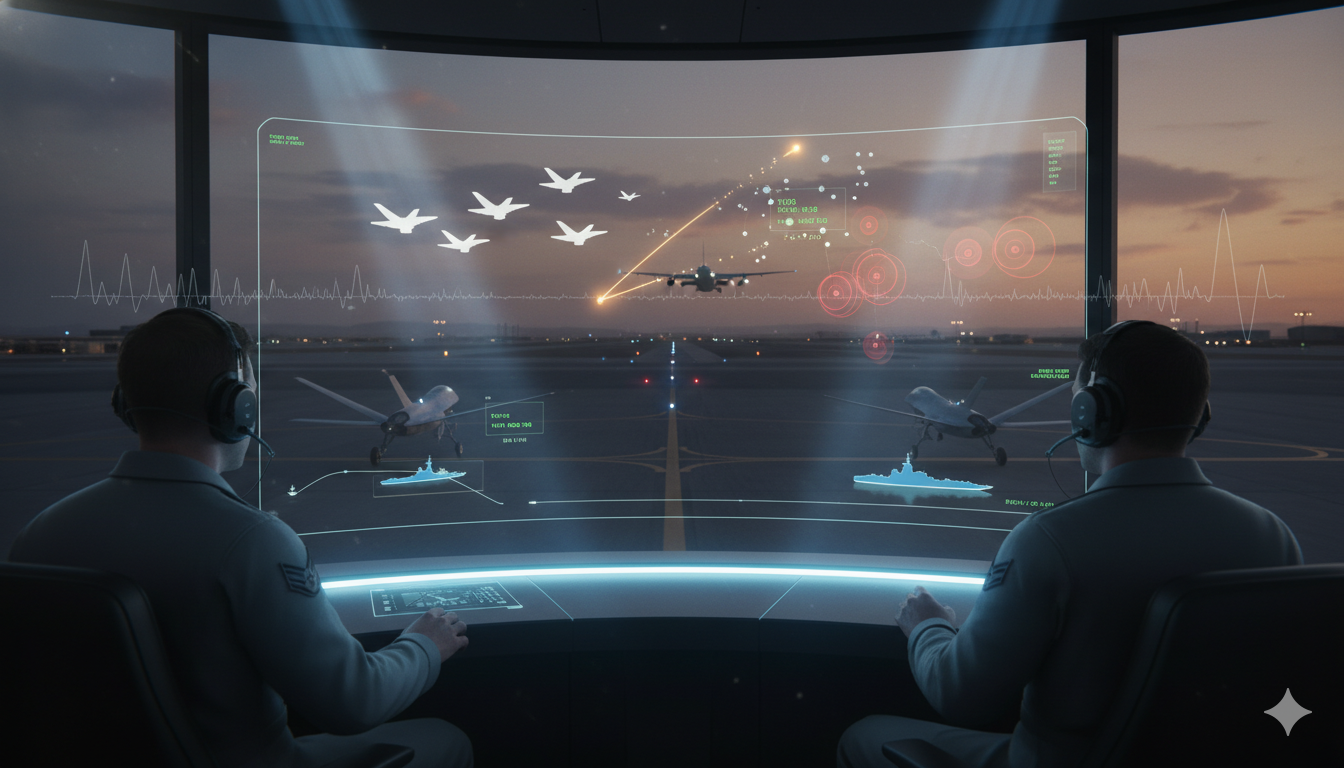
Multi-Domain Advancements in Sensor Architectures and Electronic Warfare: Building the AI-Driven Battle Network of the Future (2026 Update)
Introduction: From Platform-Centric Warfare to Network-Centric Combat The character of warfare is undergoing its most significant transformation since the advent of precision-guided munitions. Military success is increasingly determined not by the performance of individual platforms, but by the ability to connect sensors, decision-makers, and weapons across air, land, sea, space, cyber, and the electromagnetic spectrum…
Related Domains & Cross-Cutting Themes
Defense systems do not operate in isolation. Readers may also explore how military technologies intersect with geopolitics, industrial capacity, emerging technologies, and future warfare concepts across the IDST intelligence network.
Explore the Critical & Emerging Technologies Magazine →
Explore the Industry, Markets & Supply Chains Magazine →
Explore the Space Technology, Defense & Exploration Magazine →