
Air power remains the decisive enabler of modern military operations, providing speed, reach, intelligence, and strike capability across vast distances. As air and near-space domains become more contested, control of the skies increasingly depends on advanced platforms, sensor fusion, and networked operations rather than raw aircraft numbers.
Control of the air is no longer about platforms alone, but about information superiority and system integration. This sub-magazine examines how air and aerospace systems shape deterrence, power projection, and multi-domain operations.
IDST Intelligence Briefings
These intelligence briefings provide visual, system-level analysis of aviation, modern military air platforms and aerospace systems. Each video places individual technologies within operational and doctrinal context—explaining how they are intended to function in real-world conflict environments.
Why This Magazine Exists
Air and aerospace capabilities sit at the intersection of technology, doctrine, and industrial capacity. While individual aircraft often attract attention, real airpower effectiveness depends on how platforms, sensors, networks, and command structures operate as a coherent system.
This sub-magazine exists to move beyond platform-centric coverage and explain how air dominance is actually generated, contested, and sustained in modern conflict environments.
What We Track
This magazine tracks developments across the full Air Power, Aviation & Aerospace Systems, including:
- Fighter, bomber, and ISR aircraft development
- Unmanned and autonomous air systems
- Air defense, counter-air, and integrated air battle networks
- Aerospace surveillance and early-warning systems
- Hypersonic and next-generation propulsion technologies
Latest Analysis & Intelligence
-
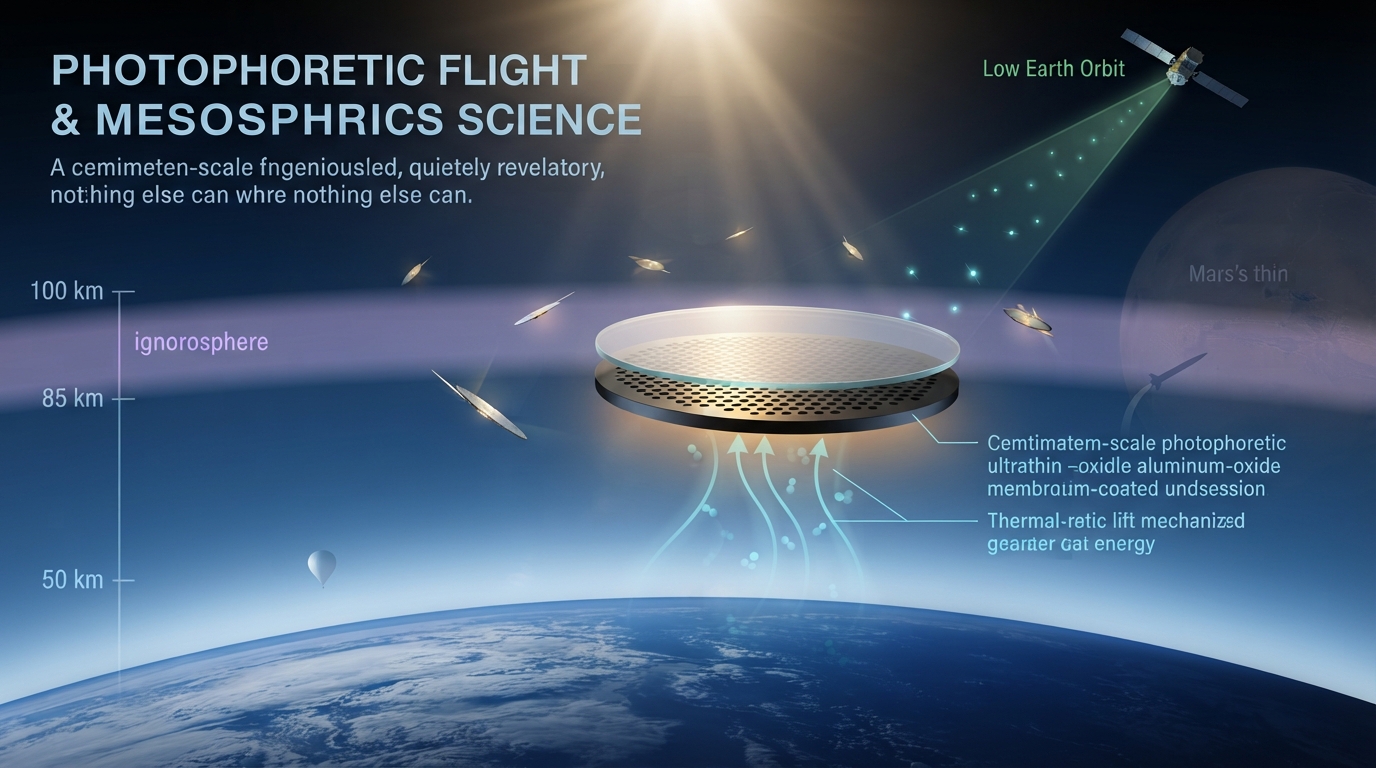
Photophoretic Flight: Sunlight-Powered Platforms for the Mesosphere’s “Ignorosphere”
Introduction: Strategic Context Between the operational domains of conventional aviation and orbital spacecraft lies a difficult-to-access region of Earth’s atmosphere. The mesosphere, extending approximately from 50 to 85 kilometres in altitude, overlaps with the broader near-space region often discussed as extending toward 100 kilometres. It is too high for conventional aircraft to generate aerodynamic lift…
-

DARPA Liberty Lifter: From Heavy Seaplane Ambition to a New Paradigm for Distributed Maritime Logistics
DARPA’s Liberty Lifter is a revolutionary ocean-landing aircraft designed to transform Indo-Pacific military logistics with runway-independent, heavy-lift mobility. Introduction: Reimagining Strategic Airlift Beyond Runways For decades, military planners have faced a fundamental mobility problem: airlift provides speed but depends heavily on runways, while sealift can move enormous quantities of equipment but is slow and often…
-
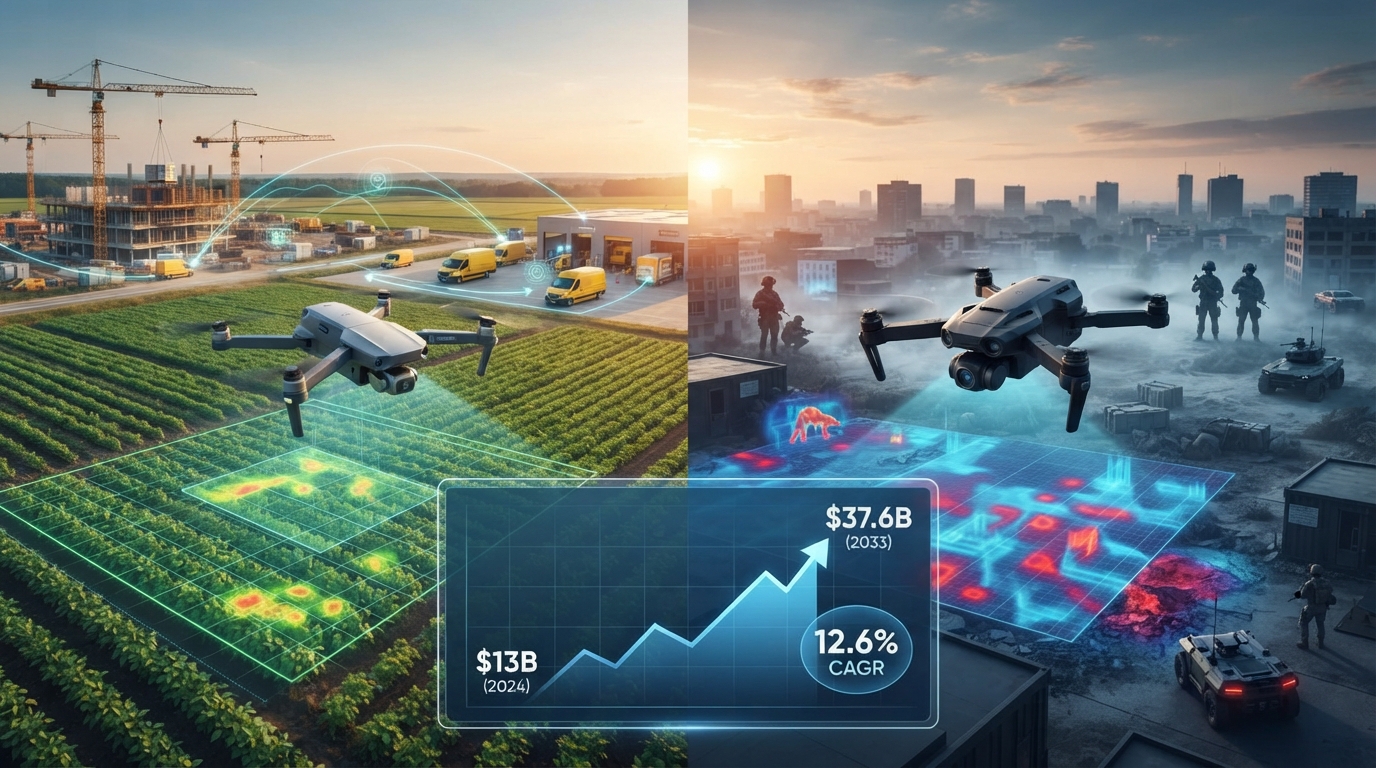
Small Drones Market: Trends, Insights, and Forecast (2026–2033)
Market Overview: From Small UAVs to Strategic Autonomous Systems The small-drone market has entered a fundamentally different phase. What was once dominated by consumer photography, recreational quadcopters and relatively simple commercial inspection platforms is becoming a strategic technology market spanning precision agriculture, infrastructure intelligence, emergency response, logistics, border security, electronic warfare, battlefield reconnaissance and autonomous…
-
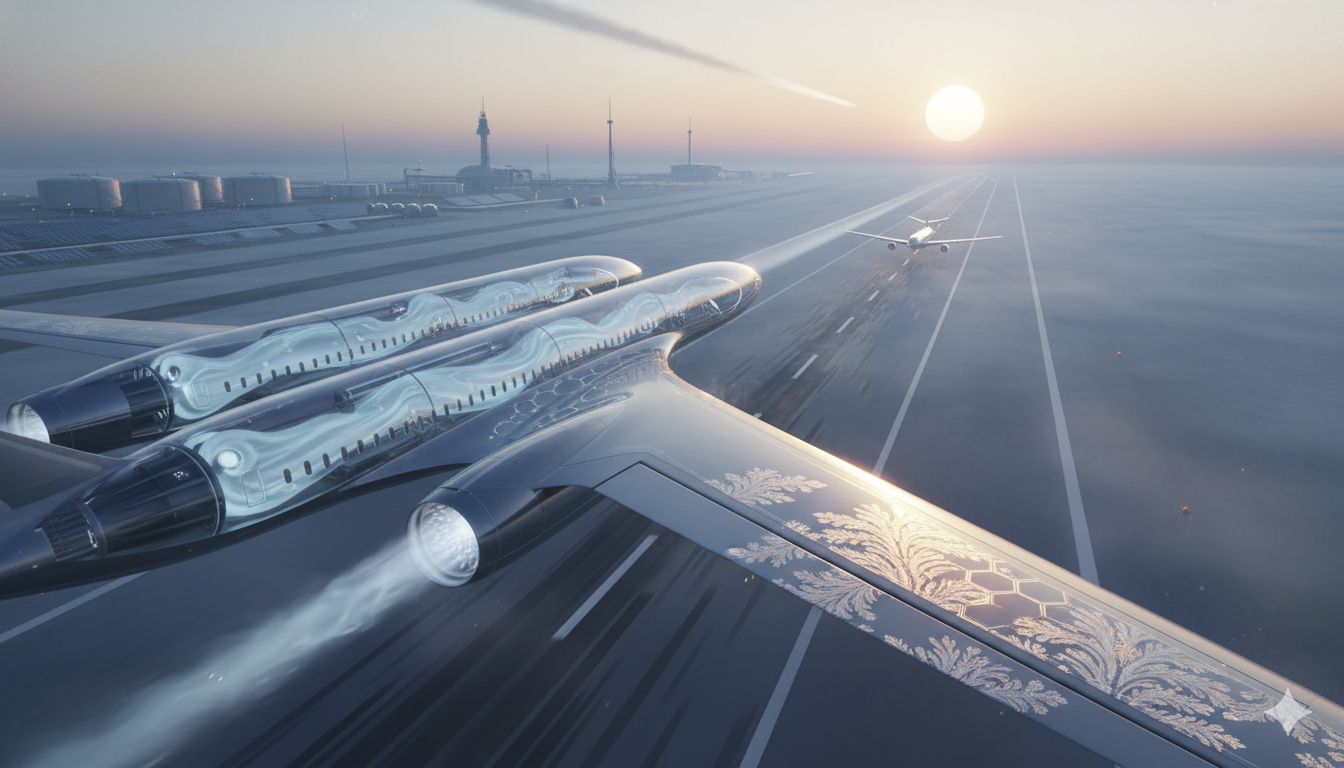
Beyond Jet Fuel: How Cryogenic Hydrogen-Electric Propulsion Could Transform the Future of Aviation
Strategic Context Aviation is entering one of the most consequential propulsion transitions since the introduction of the jet engine. Conventional turbofan and turboprop architectures remain exceptionally effective, but their dependence on hydrocarbon fuels creates a difficult decarbonization problem for an industry where aircraft weight, range, energy density and safety impose far tighter constraints than in…
-
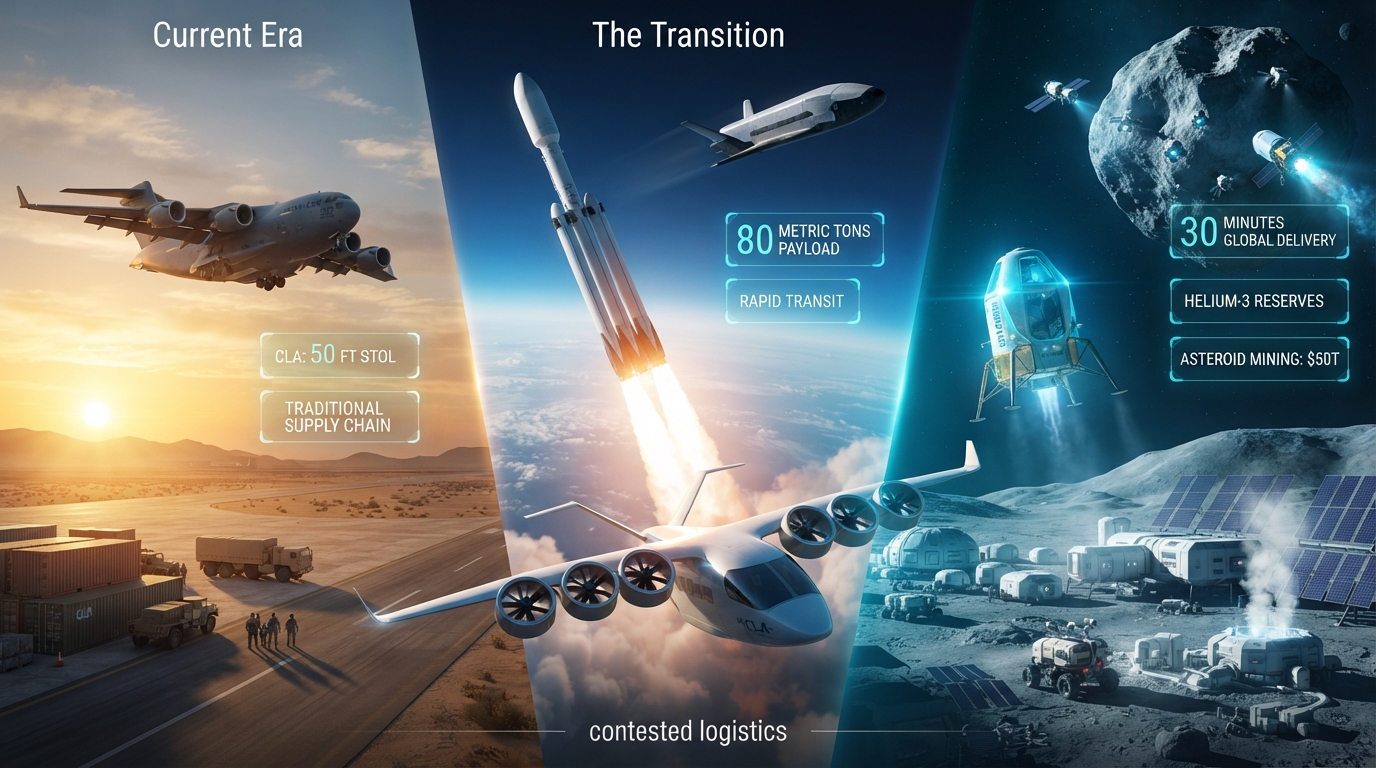
The New Space Race: How Reusable Rockets, Autonomous Aircraft and Orbital Logistics Are Reshaping Military Power and the Space Economy
Strategic Context: From Space Access to Space Logistics The defining transformation of the new space race is no longer simply the ability to reach orbit. It is the emergence of an integrated logistics architecture capable of moving people, cargo, energy, spacecraft and eventually extraterrestrial resources through an increasingly populated Earth–Moon system. Reusable launch vehicles, autonomous…
-

Visual Navigation to Autonomous Air Refueling: Revolutionizing Aerial Refueling for Contested Airspace
Introduction: Autonomous Refueling Becomes a Strategic Necessity Air-to-air refueling has long been one of the defining capabilities of modern air power, enabling strategic bombers, fighter aircraft, intelligence platforms, airborne early warning aircraft, and long-range unmanned systems to operate across global distances without dependence on forward operating bases. For decades, this capability has provided the United…
-
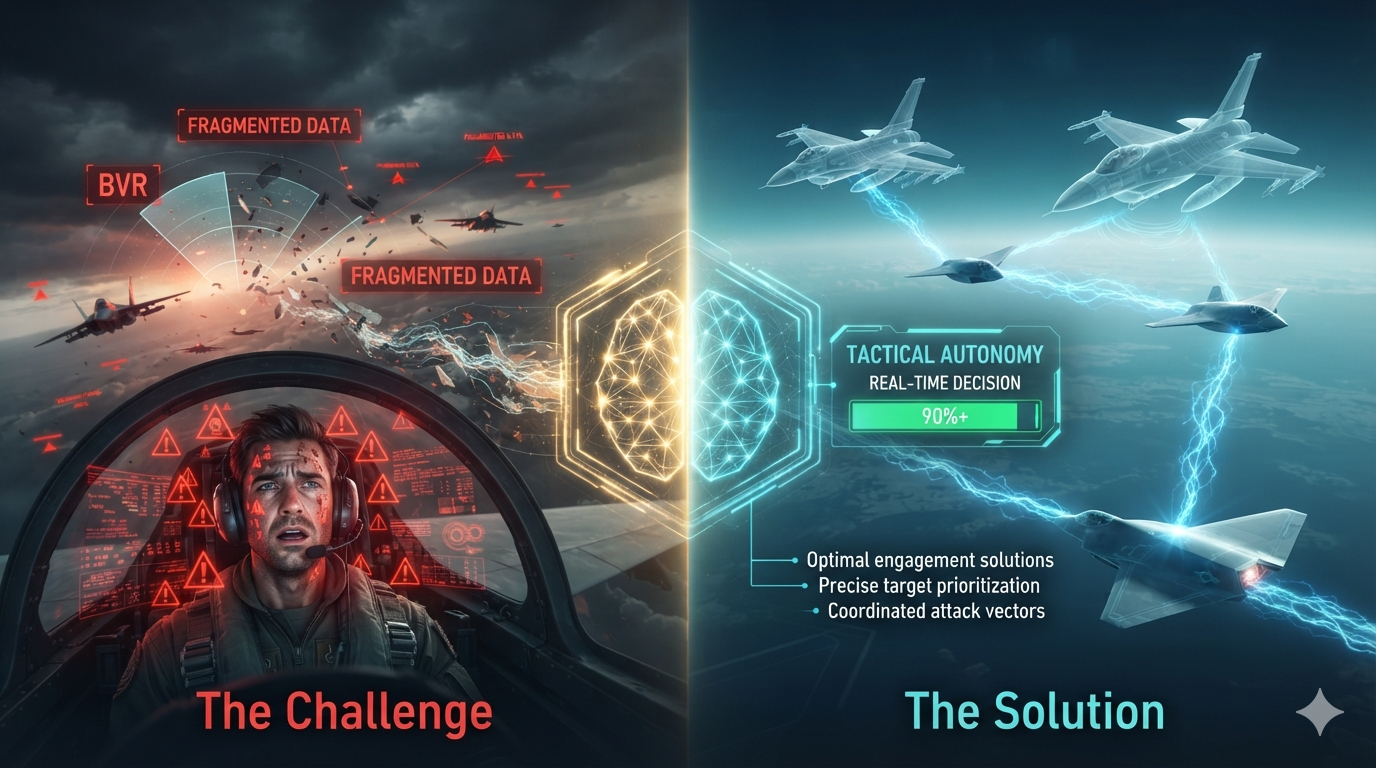
Beyond Human Reaction: How DARPA’s AIR Program Is Building AI for the Future of Beyond-Visual-Range Air Combat
Modern air superiority is no longer determined solely by aircraft performance, stealth characteristics, or missile range. Increasingly, victory depends on which side can observe first, understand the tactical picture fastest, coordinate distributed assets most effectively, and make engagement decisions before the adversary. As advanced sensors, long-range missiles, electronic warfare systems, and collaborative unmanned aircraft compress…
Related Domains & Cross-Cutting Themes
Defense systems do not operate in isolation. Readers may also explore how military technologies intersect with geopolitics, industrial capacity, emerging technologies, and future warfare concepts across the IDST intelligence network.
Explore the Critical & Emerging Technologies Magazine →
Explore the Industry, Markets & Supply Chains Magazine →
Explore the Space Technology, Defense & Exploration Magazine →