
Not all technologies, platforms, or doctrines are equal—and context determines value. This sub-magazine delivers disciplined, criteria-driven comparisons to assess what works, what doesn’t, and why.
IDST Intelligence Briefings
Side-by-side system comparisons, performance envelopes, cost–capability trade-offs, and operational relevance.
Why This Sub-Magazine Exists
Marketing narratives, national bias, and hype distort perception. This sub-magazine exists to apply structured evaluation frameworks grounded in operational reality and constraints.
What We Track
- Performance vs mission fit
- Cost, sustainment, and scalability
- Export vs domestic configurations
- Maturity, readiness, and upgrade paths
Latest Analysis & Intelligence
-
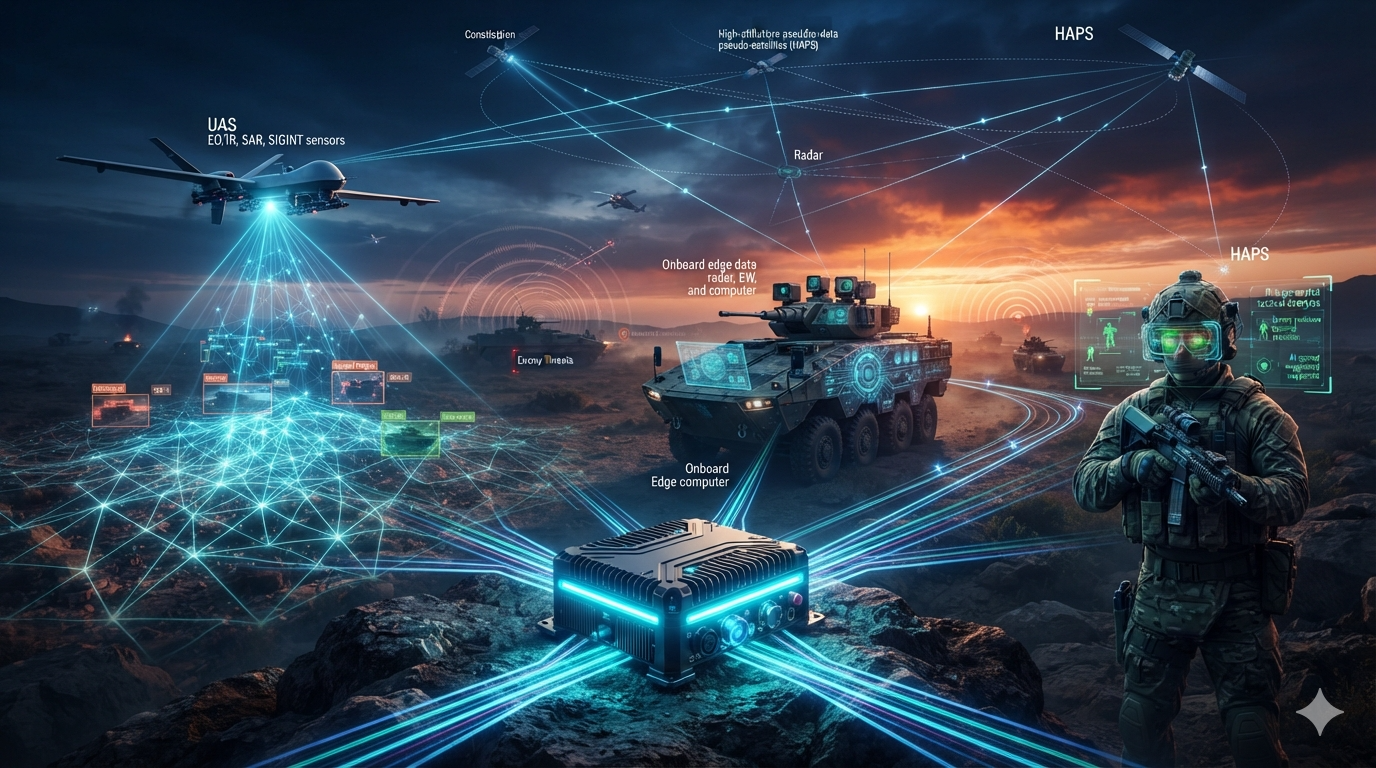
Eyes on the Edge: How AI-Driven Sensor Processing Is Reshaping the Future Battlefield
Introduction: From Data Deluge to Decision Dominance Modern warfare is no longer constrained by the availability of information—it is constrained by the ability to process it fast enough to influence the fight. Every military operation now generates an unprecedented volume of data from satellites, synthetic aperture radar, electronic warfare systems, unmanned aircraft, naval platforms, ground…
-
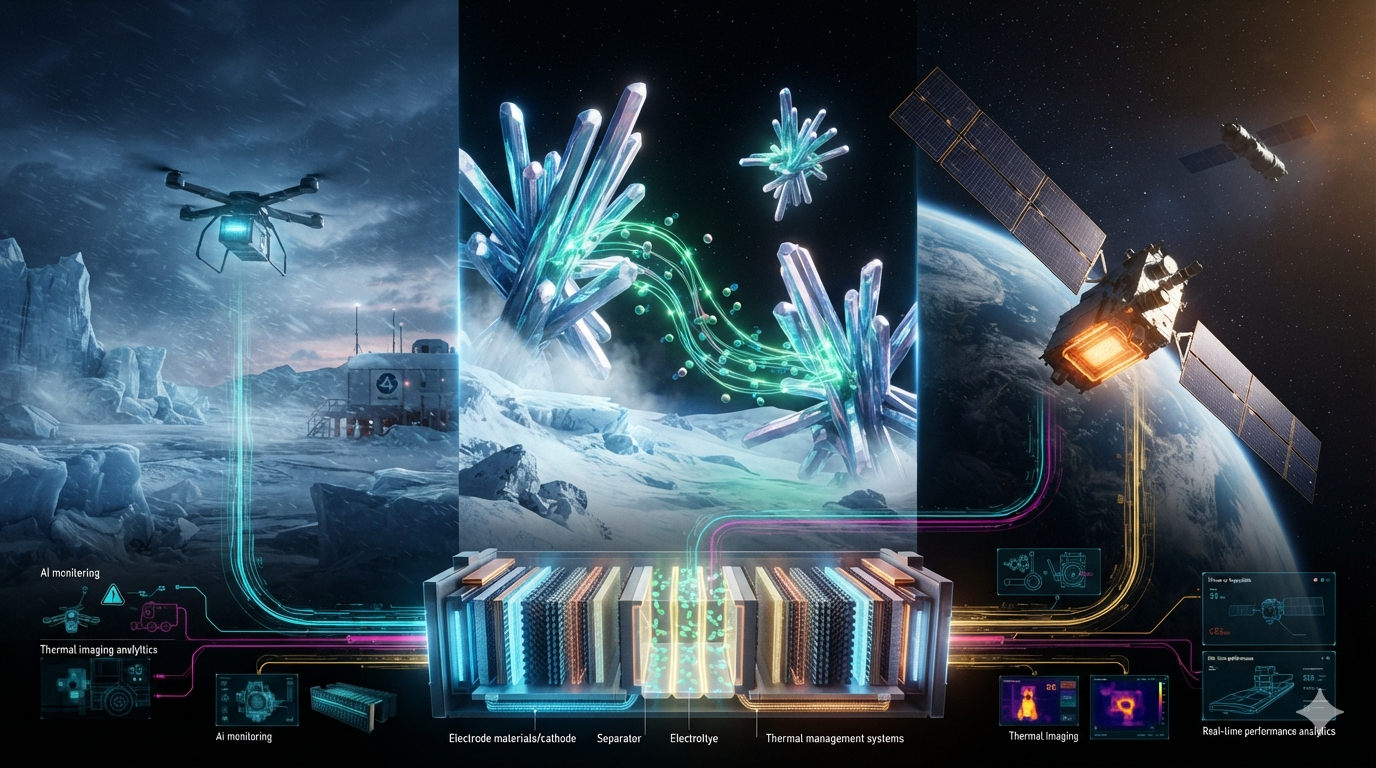
Powering the Frozen Battlespace: Extreme Battery Technologies for Arctic, Space, and Military Operations
Strategic Context The race for military and technological superiority is increasingly extending into some of the world’s most unforgiving environments. From the Arctic and Antarctic to high-altitude battlefields, deep oceans, and outer space, modern defense operations increasingly depend on reliable energy storage capable of functioning where conventional batteries rapidly fail. As geopolitical competition intensifies across…
-

The New Scientific Frontier: How AI-Driven Discovery Is Reshaping Global Science and Strategic Competition
Introduction: Strategic Context Artificial intelligence is no longer merely accelerating scientific research—it is fundamentally transforming how scientific discovery itself is conducted. For centuries, scientific progress depended upon human intuition, experimentation, observation, and iterative hypothesis testing. Today, AI systems are becoming active research partners capable of generating hypotheses, designing experiments, interpreting complex datasets, discovering hidden relationships,…
-
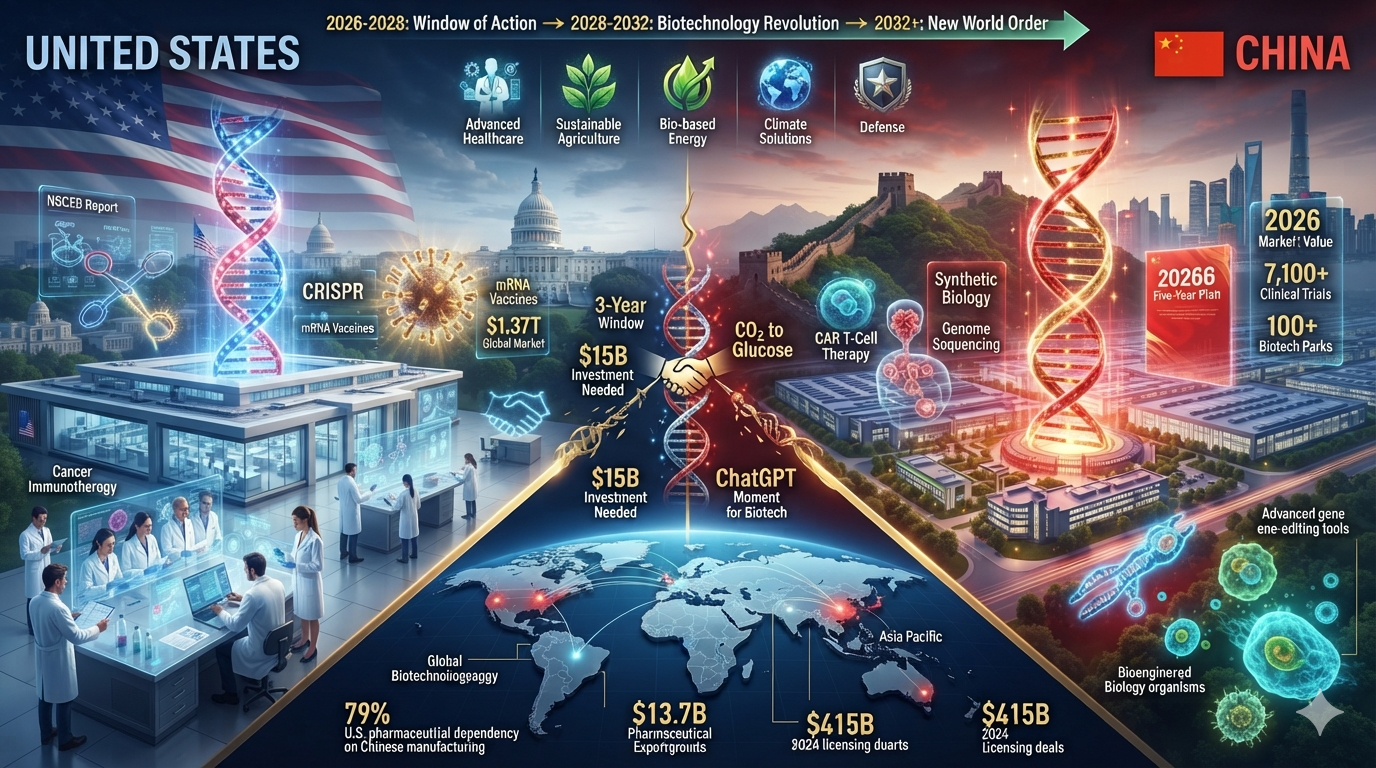
Biotechnology Superpowers: The U.S.-China Race for Dominance in the Global Bioeconomy
Introduction: Strategic Context The global competition for technological leadership is rapidly expanding beyond artificial intelligence, semiconductors, and quantum computing into an equally transformative domain—biotechnology. Often described as the next industrial revolution, biotechnology is reshaping healthcare, agriculture, advanced manufacturing, defense, energy, and environmental sustainability through the convergence of biology, engineering, automation, and artificial intelligence. Increasingly, biological…
-

Singapore’s Defence Technology Transformation: From Strategic Investment to Global Leadership
Introduction For nations with limited geography and strategic depth, technological superiority has become one of the most effective forms of deterrence. Singapore has long understood that its security cannot depend solely on the size of its armed forces but on the ability to consistently generate technological advantage, accelerate innovation, and rapidly convert scientific research into…
-

Revolutionizing Chip Design: The Rise of RISC-V and the Battle for Semiconductor Sovereignty
Introduction: RISC-V Emerges as a Strategic Technology in the New Semiconductor Cold War The global semiconductor industry is undergoing its most profound transformation since the emergence of the microprocessor. For decades, processor architectures were dominated by proprietary ecosystems built around x86 and Arm instruction sets. Today, however, a third force is rapidly reshaping the technological…
-

India’s Defence Exports Soar: A Strategic Leap Toward Global Leadership
Introduction: From Importer to Exporter—India’s Defence Transformation The global defence industry is undergoing one of its most significant realignments since the end of the Cold War. Supply-chain disruptions, geopolitical fragmentation, the Russia-Ukraine conflict, growing Indo-Pacific tensions, and rising military modernization programs have compelled nations to diversify defence suppliers and reduce dependence on traditional arms exporters.…
Related Domains & Cross-Cutting Themes
Defense • Security • Industry & Markets • Strategy & Governance
Explore the Space Technology, Defense & Exploration Magazine →