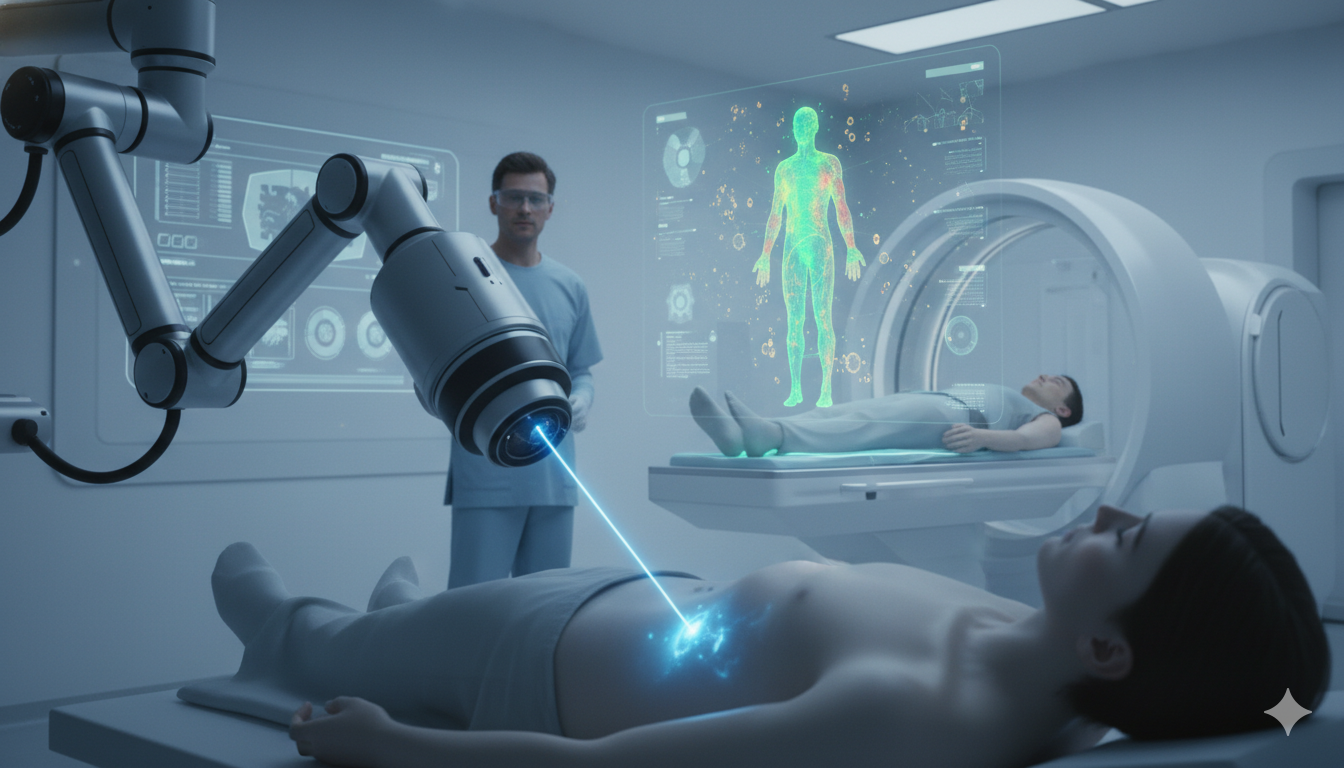
The human body operates as a highly sophisticated network of light-sensitive processes, where biophotonic interactions govern everything from cellular signaling to neural communication. By tapping into this natural affinity for light, researchers have unlocked groundbreaking possibilities in medical diagnostics and treatment. Lithium niobate photonic chips, for instance, are now enabling ultra-sensitive detection of biomarkers, facilitating non-invasive imaging, and delivering targeted therapies at the cellular level. These advancements are not only enhancing the precision and speed of diagnosis but are also reshaping how clinicians approach treatment plans for conditions such as cancer, neurodegenerative diseases, and cardiovascular disorders.
As artificial intelligence converges with advanced photonics, a new frontier in medicine is taking shape—one where real-time analytics and adaptive feedback systems enable dynamic, personalized care. Photonic biosensors embedded in wearables can monitor vital signs continuously and alert patients or physicians to early signs of disease. Regenerative medicine is also benefiting: researchers are using light to guide stem cell differentiation and stimulate tissue repair with unmatched precision. From retinal prosthetics that restore vision to smart wound dressings that communicate healing progress, the integration of lithium niobate-based photonic systems is accelerating the transition to a more proactive, predictive, and patient-centric model of healthcare.
Optical Coherence Tomography (OCT): Seeing Beneath the Surface
Laser Bioprinting: Engineering the Building Blocks of Life
Laser-assisted bioprinting is revolutionizing regenerative medicine by harnessing the precision of focused light to position living cells, hydrogels, and biomaterials at micron-level accuracy. Unlike traditional 3D bioprinting methods, laser bioprinting offers unparalleled control over spatial resolution and cell viability, making it ideal for fabricating delicate tissue structures. One of the most significant breakthroughs has been the creation of functional vascular networks—an essential step toward building viable artificial organs. In clinical settings, bioprinted skin grafts have demonstrated remarkable outcomes, accelerating healing in burn victims by up to two times compared to conventional grafts, while also reducing scarring and infection risk.
The frontier of this technology is rapidly expanding. In 2023, researchers at TU Berlin made headlines by successfully bioprinting functional thyroid tissue using light-controlled polymerization. This method allowed them to fabricate complex, multilayered tissue structures without inducing photothermal damage to sensitive cells—a longstanding challenge in tissue engineering. The implications are profound: with continued advances in biomaterials, stem cell integration, and photonic control systems, laser bioprinting could soon enable the fabrication of patient-specific organs on demand. Such progress not only reduces dependency on human donors but also holds the promise of eliminating immune rejection through the use of autologous cells, ushering in a new era of personalized, on-demand organ replacement.
Photodynamic Therapy (PDT): Targeted Cancer Destruction
Photodynamic therapy (PDT) is emerging as a transformative alternative to conventional cancer treatments like chemotherapy and radiation. This technique relies on the precise interplay between light-sensitive drugs (photosensitizers) and controlled laser illumination. Once activated by specific wavelengths of light, these drugs generate reactive oxygen species that destroy cancer cells while leaving surrounding healthy tissue largely unharmed. Already approved by the FDA for lung, skin, and esophageal cancers, PDT offers not only reduced side effects but also the ability to treat localized tumors in anatomically complex regions with sub-millimeter precision. Its minimally invasive nature also allows for repeated treatments without cumulative toxicity.
A new and rapidly evolving frontier—Immuno-PDT—is pushing the boundaries of this technology. By leveraging the immune system in addition to direct tumor ablation, Immuno-PDT triggers the release of tumor-associated antigens that stimulate a systemic immune response. This dual-action approach not only destroys primary tumors but also primes the immune system to target metastases and residual cancer cells. In a landmark 2023 NIH-backed clinical trial, Immuno-PDT achieved 82% remission rates in early-stage non-small cell lung cancer patients, far surpassing conventional outcomes. As researchers refine light-controlled drug delivery and pair it with immunomodulatory agents, PDT could become a pillar of next-generation cancer vaccines—offering durable, tumor-specific immunity and reshaping the future of oncological care.
Neurophotonics: Decoding and Modulating the Brain
The brain, often called the last biological frontier, is now being decoded through the lens of neurophotonics—an emerging field that merges optics, neuroscience, and engineering to visualize and influence neural activity with light. Technologies like functional near-infrared spectroscopy (fNIRS) and diffuse correlation spectroscopy (DCS) are enabling real-time, noninvasive monitoring of cerebral blood flow, oxygenation, and metabolic activity. These tools are proving indispensable in critical settings such as neonatal intensive care, stroke intervention, and intraoperative neurosurgery, where timely decisions guided by optical data can prevent irreversible damage. Unlike traditional imaging methods like fMRI, neurophotonics offers portable, bedside solutions with millisecond temporal resolution, opening new doors for brain monitoring in both clinical and home environments.
The future of neurophotonics lies not only in decoding the brain but also in therapeutically modulating it. Artificial intelligence is now being integrated to interpret complex hemodynamic signals, enabling predictive capabilities—such as forecasting epileptic seizures with hours of lead time. Researchers are also developing closed-loop neuromodulation systems, where optical feedback could guide precise photonic stimulation to treat mental health conditions like depression, anxiety, or PTSD in real time. Even more revolutionary are optogenetic techniques, which use light-sensitive proteins to control specific neurons. Though still experimental in humans, optogenetic implants have shown promise in restoring movement in animal models with spinal cord injury. As precision light delivery systems and AI-driven interpretation tools mature, neurophotonics could usher in an era where brain function is not only mapped in detail but also rewired for recovery.
Photonic Biosensors: Continuous, Non-Invasive Health Monitoring
Wearable photonic devices are transforming personal healthcare from reactive to proactive by enabling continuous, real-time monitoring of vital health metrics. Using technologies such as infrared and Raman spectroscopy, these sensors can non-invasively measure biomarkers like glucose, hydration, and oxygen saturation—eliminating the need for painful or inconvenient blood draws. Startups and medical giants alike are racing to commercialize non-invasive glucose monitors, a game-changer for over 400 million diabetics worldwide. In critical care, photonic biosensors can now detect bloodstream infections such as sepsis up to six hours earlier than traditional laboratory tests, dramatically improving survival rates through faster therapeutic intervention.
Beyond physical health, photonics is emerging as a powerful tool in mental and neurological diagnostics. AI-enhanced systems are analyzing light-induced pupil responses to assess cognitive load and detect early markers of conditions like Alzheimer’s, Parkinson’s, and PTSD. These optical biomarkers are proving especially useful for elderly or remote patients, where traditional imaging tools like MRIs are less accessible. As the global wearable health tech market—currently valued at over $26 billion—continues to surge, photonic biosensors are expected to comprise more than 75% of sensing technologies by 2028. This photonics-driven shift will not only redefine chronic disease management but also create entirely new paradigms for preventive, personalized, and decentralized healthcare.
Laser Ablation: Scarless, Minimally Invasive Surgery
Laser ablation is redefining modern surgery by enabling the precise removal of diseased or damaged tissue without the need for traditional incisions. In neurosurgery, laser interstitial thermal therapy (LITT) is providing a life-changing option for patients with epilepsy and brain tumors—allowing surgeons to destroy deep-seated brain lesions via fiber-optic probes, without opening the skull. In cardiology, catheter-delivered lasers ablate arrhythmogenic heart tissue, restoring normal electrical rhythms while minimizing trauma to surrounding structures.
The technique is also revolutionizing chronic pain treatment. By targeting overactive or damaged nerve endings, laser ablation is delivering lasting relief for conditions like spinal stenosis and facet joint syndrome—often replacing opioid-based therapies or invasive spinal fusion surgeries. With recovery times reduced by up to 60% compared to conventional surgery, patients benefit from faster healing, fewer complications, and minimal scarring. Looking ahead, the use of ultra-short femtosecond lasers and AI-guided targeting systems could enable microscale procedures once thought impossible, making laser ablation the gold standard for precision surgery across disciplines.
Expanding Frontiers: Photonics in Gene Editing and Regenerative Therapy
Photonics is reshaping the landscape of molecular medicine, opening new possibilities in precision gene editing and cellular reprogramming. Recent innovations have led to the development of light-activated CRISPR-Cas systems—engineered to respond to specific wavelengths—allowing researchers to toggle gene expression with extraordinary spatial and temporal control. These optogenetic gene editors are particularly promising for targeting diseases that affect discrete tissue types, such as retinal disorders, skin cancers, or localized neurological conditions. By restricting gene-editing activity to illuminated areas, the risk of unintended mutations and off-target effects is significantly reduced, making gene therapy safer and more predictable.
In parallel, photonics is being harnessed to unlock the regenerative potential of the human body. Near-infrared and red-light therapies are showing clinical efficacy in stimulating stem cell activity, reducing inflammation, and enhancing mitochondrial function. These effects are already being used in low-level laser therapy (LLLT) to accelerate wound healing and tissue repair. Future applications may include smart, wearable photonic patches that use dynamic light dosing to promote muscle regeneration in athletes, aid recovery in post-surgical patients, or stimulate osteogenesis in bone fracture healing. As light becomes a tool not just for visualization but for cellular modulation, photonics is poised to become a cornerstone of regenerative and personalized medicine.
The AI-Photonics Convergence: Game-Changing Synergies
The fusion of artificial intelligence and photonics is catalyzing a paradigm shift in precision medicine, giving rise to tools and therapies once thought to belong to science fiction. One of the most impactful developments is in predictive optical coherence tomography (OCT), where deep learning models now interpret subtle light-scattering patterns to detect early-stage disease—well before conventional imaging would raise alarms. These AI-enhanced OCT systems are proving especially valuable in ophthalmology, oncology, and cardiology, where early intervention can dramatically alter patient outcomes.
In parallel, autonomous bioprinting platforms are emerging that combine real-time photonic feedback with AI-driven design optimization. These systems are laying the foundation for printing vascularized tissues and potentially whole organs, customized to a patient’s genetic blueprint. Even more futuristic are AI-directed photonic drones—microscale or minimally invasive robotic systems loaded with light-activated nanoparticles. These precision tools can navigate to tumor sites, release therapeutic payloads in response to optical signals, and destroy malignant cells without damaging surrounding tissue. As these technologies mature, the AI-photonics nexus is not only advancing diagnostics and treatment but also redefining what is possible in surgical-free intervention and personalized biofabrication.
Barriers to Breakthroughs: Challenges and Considerations
While photonic medicine is poised to redefine healthcare, significant challenges must be addressed before it becomes ubiquitous. Cost is a major hurdle—advanced devices like portable OCT systems, laser-based surgical tools, or wearable spectroscopic biosensors often carry price tags exceeding $50,000. This puts them out of reach for many hospitals in developing regions, exacerbating healthcare inequality. Additionally, maintenance costs, complex calibration, and the need for specialized training further restrict scalability. Ensuring affordability without compromising on precision remains a key engineering and policy challenge.
Equally pressing are systemic barriers related to regulation and collaboration. Most photonic medical devices lack harmonized international clinical standards, leading to lengthy approval timelines and hesitancy in adoption across hospitals and clinics. Furthermore, interdisciplinary communication gaps between photonics engineers, software developers, and healthcare professionals often result in innovative prototypes that are misaligned with clinical realities. Overcoming these barriers will require coordinated global efforts—standard-setting bodies, industry stakeholders, and public health systems must work in tandem to streamline regulatory pathways, incentivize affordable device development, and foster translational research hubs that bridge lab innovations and bedside care
The Future of Healthcare: Where Light Leads
As we look toward 2030, the trajectory of photonics in medicine is nothing short of transformative. Preventive cancer vaccines, leveraging PDT-induced immune memory, are advancing from theory to clinical trials. Optogenetic implants are beginning to restore neural function in patients with paralysis, offering hope where none existed. Meanwhile, the arrival of $100 handheld OCT scanners promises to democratize diagnostics, bringing precision care to rural and underserved communities around the world.
As Dr. Sarah Chen of the MIT BioPhotonics Lab aptly puts it, “Photonics isn’t just illuminating disease—it’s rewriting medicine’s code.” With AI-driven insights and light-powered interventions converging, the future of healthcare is no longer just bright—it’s light-enabled.
Visual Insight: Photonics in Medicine at a Glance
| Application | Key Technology | Clinical Impact |
|---|---|---|
| Precision Oncology | PDT + AI Targeting | 80%+ tumor reduction |
| Neuro-Monitoring | fNIRS/DCS | Real-time stroke detection |
| Tissue Engineering | Laser Bioprinting | Functional organ creation |
| Surgery 2.0 | Laser Ablation | Scarless procedures |
| Continuous Diagnostics | Photonic Biosensors | Early disease prediction |
The Bottom Line
Photonics has evolved from an academic niche into a cornerstone of 21st-century medicine. As light-based technologies integrate with AI, robotics, and biomedicine, they are set to democratize access, accelerate healing, and personalize care. This isn’t just a glimpse of future healthcare—it is the illuminated path we are already walking.
References and Resources also include:
https://www.novuslight.com/what-are-the-most-exciting-photonics-advances-in-medicine_N13292.html
International Defense Security & Technology Your trusted Source for News, Research and Analysis