
Space Technology, Defense & Exploration examines how space has evolved from a support domain into a contested, operational, and strategic environment. This magazine analyzes satellites, launch systems, space surveillance, missile defense, advanced aerospace platforms, and emerging domain-control capabilities that shape modern deterrence and power projection. The focus is on resilience, access, and strategic leverage in space—how nations protect, contest, and exploit orbital and near-space environments to secure long-term technological and geopolitical advantage.
IDST Intelligence Briefings
The intelligence briefings below provide visual, systems-level context to complement long-form written analysis. These videos focus on how space technologies function in practice, how they integrate with military and strategic architectures, and why specific capabilities matter for deterrence, surveillance, and power projection. Rather than news-driven coverage, the emphasis is on enduring concepts, architectures, and capability trajectories shaping the future of space security.
Why This Magazine Exists
Space has transitioned from a benign support domain into a contested strategic environment where surveillance, communication, navigation, deterrence, and power projection increasingly depend on orbital and near-space systems. As military, commercial, and civil actors expand their presence beyond Earth, control, resilience, and denial in space have become central to national security and geopolitical competition. This magazine exists to provide intelligence-grade analysis of how space technologies, policies, and systems are reshaping modern conflict, deterrence stability, and long-term strategic balance.
What We Track
This magazine tracks developments across the full space and advanced-domain security ecosystem, including:
- Military and dual-use satellites (ISR, communications, navigation, early warning)
- Space situational awareness, tracking, and orbital resilience
- Counterspace capabilities and space-control strategies
- Missile defense, hypersonic sensing, and space-based sensors
- Launch systems, reusable platforms, and access-to-space economics
- Space policy, norms, militarization, and strategic competition
- Integration of space assets with air, cyber, and terrestrial forces
Latest Analysis & Intelligence
-
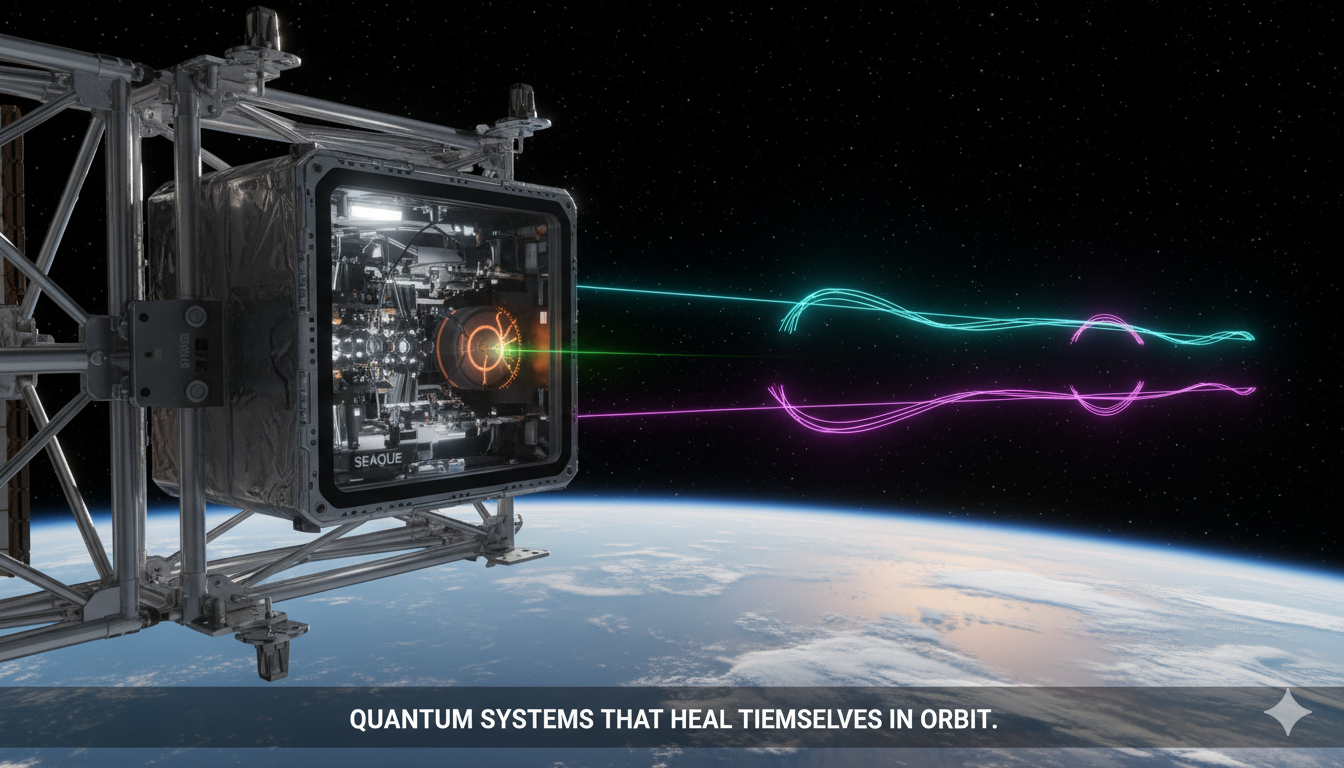
SEAQUE: NASA’s Self-Healing Quantum Experiment and the Future of Resilient Space Communications
How autonomous quantum technology in orbit is shaping the next generation of secure communication networks and adaptive space infrastructure. In the radiation-intense environment of space, maintaining the integrity of sensitive electronic systems has always been one of the most persistent engineering challenges. Quantum technologies face an even greater hurdle: their operation depends on extremely fragile…
-
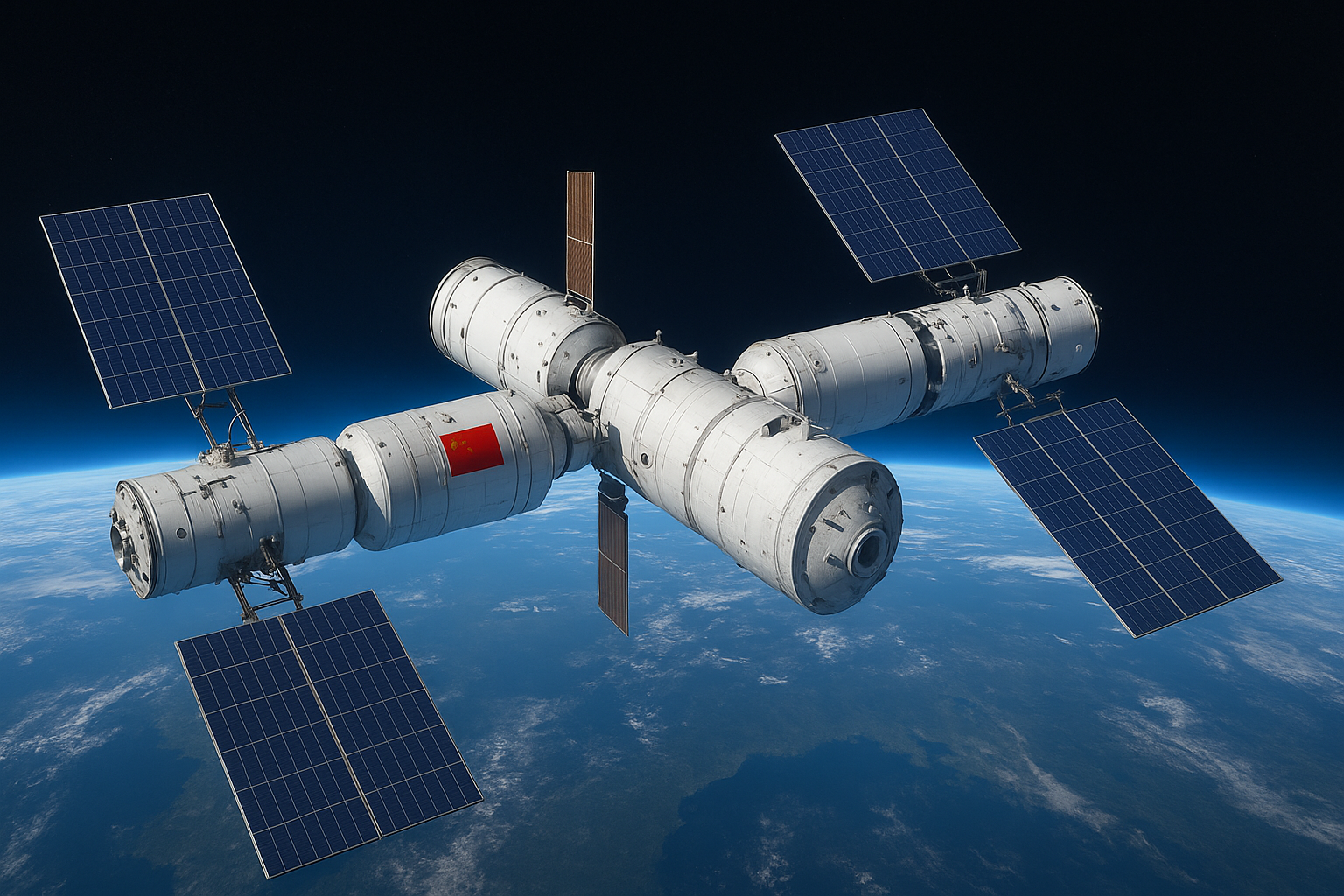
China’s Tiangong Space Station: A New Pillar for Science and Global Cooperation in Orbit
Soaring roughly 240 miles above Earth, China’s Tiangong Space Station—whose name translates to Heavenly Palace—represents far more than a triumph of engineering. It is a defining symbol of China’s emergence as a leading spacefaring nation. As the second fully operational and continuously crewed space station after the International Space Station (ISS), Tiangong stands as a…
-
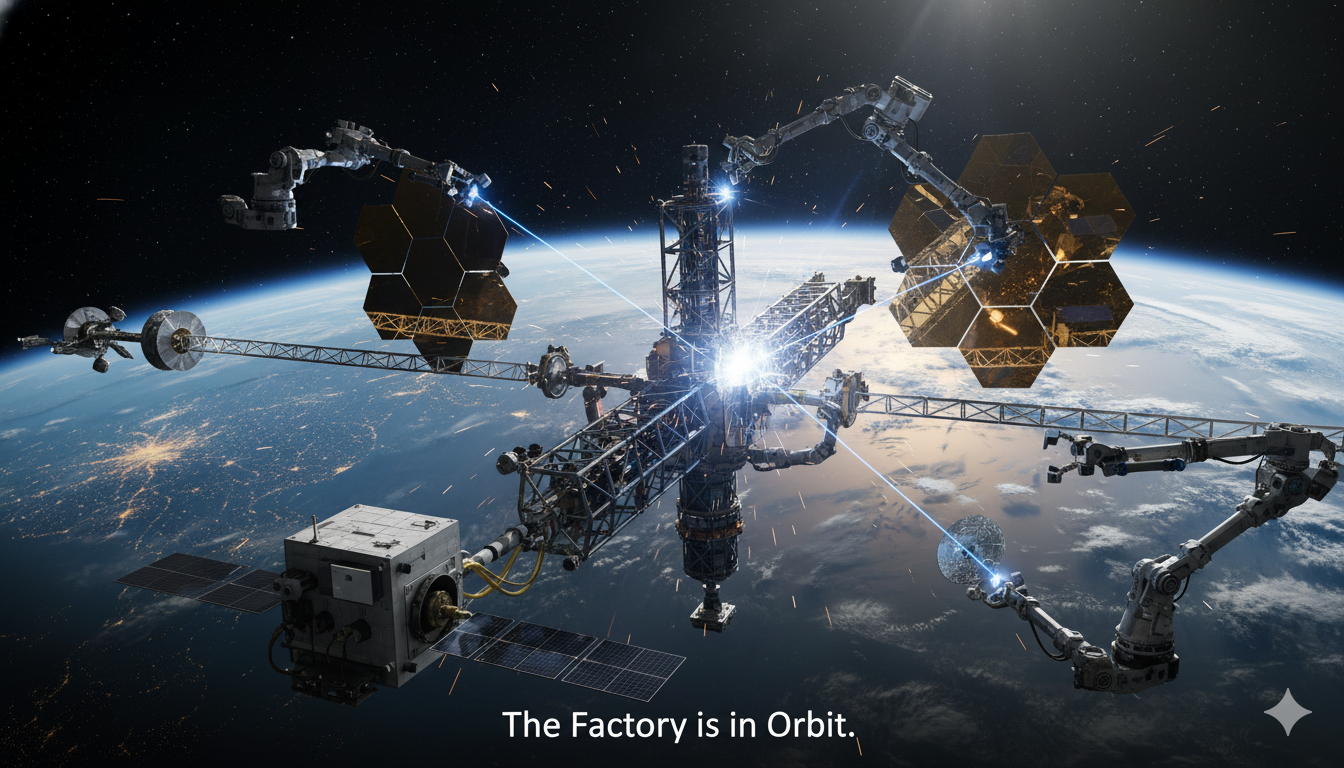
The Orbital Workshop: How In-Space Assembly and Robotics Are Building Our Future Beyond Earth
It’s 2040. Astronauts float above the lunar surface, operating robotic arms that assemble a vast telescope designed to peer deeper into the cosmos than ever before. Nearby, laser welding systems fuse metallic joints in microgravity—stronger, lighter, and far beyond anything possible on Earth. This scene, once the realm of science fiction, is rapidly becoming reality.…
-
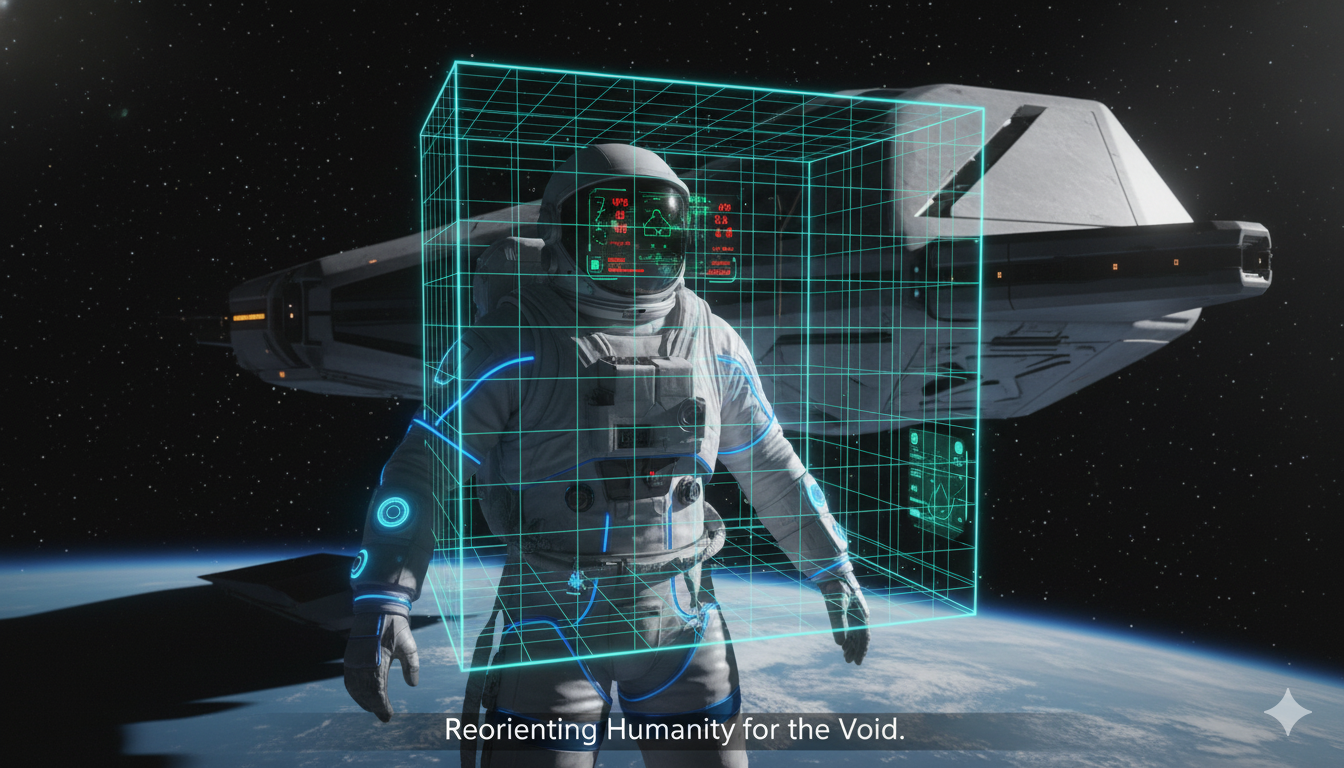
Navigating the Cosmos: How Wearable Tech is Solving Spatial Disorientation in Space
Introduction In the profound silence of space, where a single miscalculation can spiral into disaster, the human sense of direction becomes an unreliable guide. Spatial disorientation—a dangerous disconnect between perception and physical reality—remains one of the most subtle yet serious threats to astronaut safety and mission success. As humanity prepares for sustained lunar missions and…
-
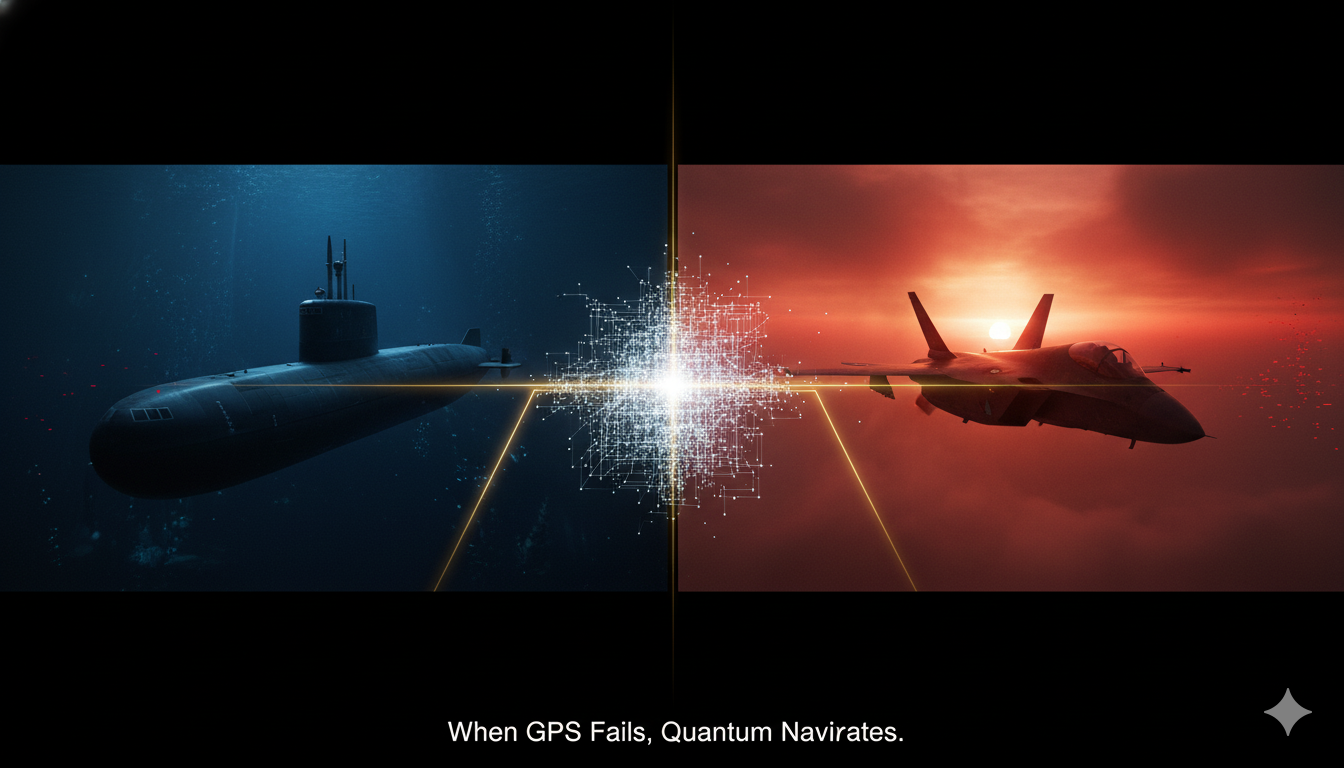
Quantum Navigation: Revolutionizing Military Applications and Deep Space Environments
Introduction: The Vulnerability of Modern Navigation In an era defined by global positioning systems, a critical vulnerability lies at the heart of modern military and exploration operations. From urban canyons to deep underwater missions, from dense forests to the vast expanse of space, traditional navigation systems face significant limitations in GPS-denied environments. The very technology…
-
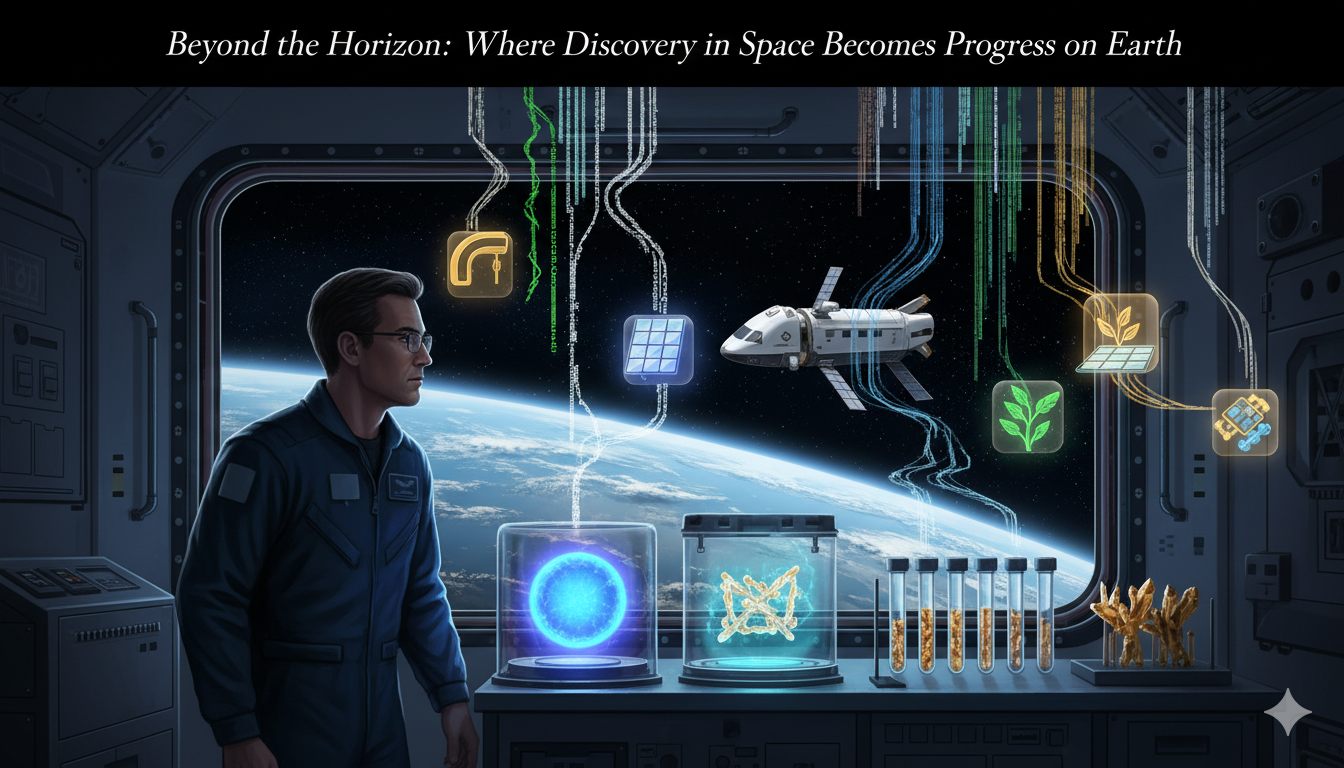
Beyond the Horizon: How Global Space Research is Shaping Our Future on Earth and Beyond
When we see a rocket launch, our minds often jump to the immediate goals: deploying a new satellite, sending astronauts to the Space Station, or one day landing on Mars. But behind these awe-inspiring missions lies a quieter, yet profoundly more important endeavor: fundamental research. This is the pursuit of knowledge for its own sake,…
-
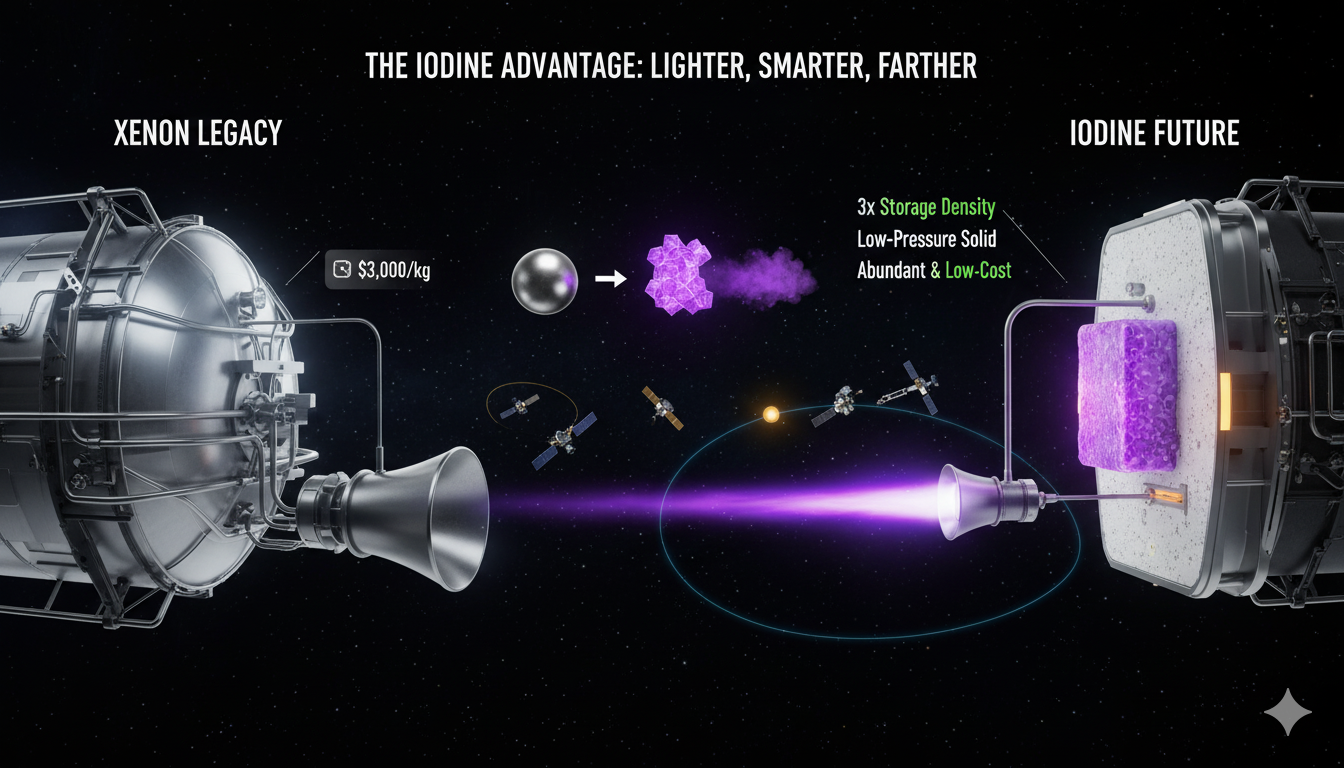
Iodine-Powered Electric Propulsion: Revolutionizing Satellite Operations from Orbit Maintenance to Lunar and Near-Earth Missions
In the high-stakes realm of space propulsion, a quiet revolution is unfolding—one that could redefine how humanity explores and operates in space. While electric propulsion systems have long promised unmatched fuel efficiency, their performance and scalability have been limited by the nature of traditional propellants. Today, iodine—an unassuming element long associated with medicine and industry—is…
Related Domains & Cross-Cutting Themes
Space does not operate in isolation. Coverage within this magazine frequently intersects with cyber operations, missile systems, advanced aerospace platforms, and emerging technologies. Readers interested in deeper technical, industrial, or geopolitical dimensions are encouraged to explore related magazines across the IDST intelligence network.