Science and engineering are the invisible foundations of every modern capability. Long before systems are fielded, strategies debated, or industries scaled, progress is shaped by laboratory research, engineering constraints, and experimental validation.
The Science, Engineering & Applied Research magazine exists to examine this pre-deployment layer of capability—where ideas are tested against physical reality, where feasibility is proven or rejected, and where tomorrow’s technologies are quietly shaped.
This magazine focuses on how knowledge becomes capability, not through speculation, but through disciplined research, engineering trade-offs, and applied experimentation.
Intelligence Briefings
This magazine delivers intelligence briefings on:
Scientific constraints that define what technologies can actually achieve
Applied physics, chemistry, and materials science
Engineering disciplines shaping next-generation systems
Laboratory research, experimentation, and prototyping
Measurement science, testing, and validation frameworks
Research-to-prototype and prototype-to-system transitions
Why This Magazine Exists
Much of today’s technology discourse skips the most critical layer: scientific and engineering feasibility. Capabilities are often discussed as inevitable, revolutionary, or imminent—without understanding the research challenges, engineering bottlenecks, or physical limits involved.
This magazine exists to ground strategic and technological discussion in scientific reality. It explains why some ideas succeed, why others fail, and why many evolve in unexpected directions once confronted with real-world constraints.
By focusing on research and engineering fundamentals, this magazine provides clarity that complements strategy, systems analysis, and industrial perspectives across IDST.
What We Track
- Fundamental and applied research relevant to defense and security
- Engineering design constraints and performance trade-offs
- Experimental platforms and prototype validation
- Technology readiness progression (TRL evolution)
- Cross-disciplinary research convergence
- Scientific breakthroughs with long-term strategic relevance
Latest Analysis & Intelligence
-

The Silent Amplifier: A Quantum Leap for Bringing Data Back From Deep Space
Imagine receiving a high-definition video, sent in real-time from a rover on Mars or a probe orbiting Jupiter. For decades, space communication has relied on radio waves—a trusted but limited technology, offering data rates more akin to a dial-up modem than modern fiber optics. The future, however, lies in light. Optical communication, using lasers…
-
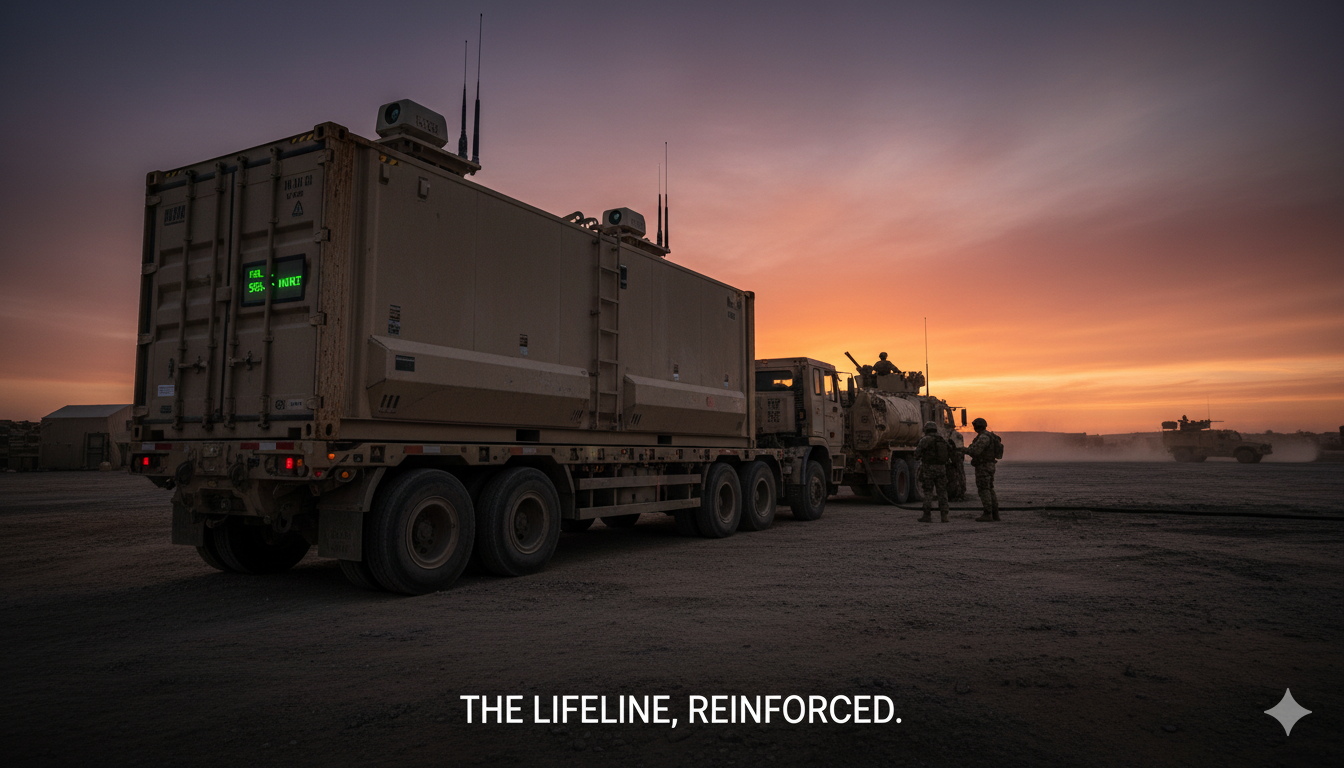
The Military Tank Container Market: Fueling Global Defense Logistics with Strategic Growth
In the domain of military logistics, one niche with growing strategic importance is the market for military-grade tank containers—containers designed for transporting liquids, gases, or hazardous bulk materials under rugged, expeditionary, and secure conditions. This market is increasingly underpinning global defense supply chains. Recent market estimates place the sector’s value at approximately USD 1.35 billion in 2024…
-
Synthetic Biology Industry: Navigating Challenges and Cultivating Rapid Growth
Synthetic biology, a rapidly evolving field at the intersection of science and engineering, is reshaping industries by creating and modifying biological systems for various practical applications. This innovative process allows the design of new biological components—such as cells, enzymes, and genetic circuits—that do not exist in nature. While the industry holds immense promise, it has…
-
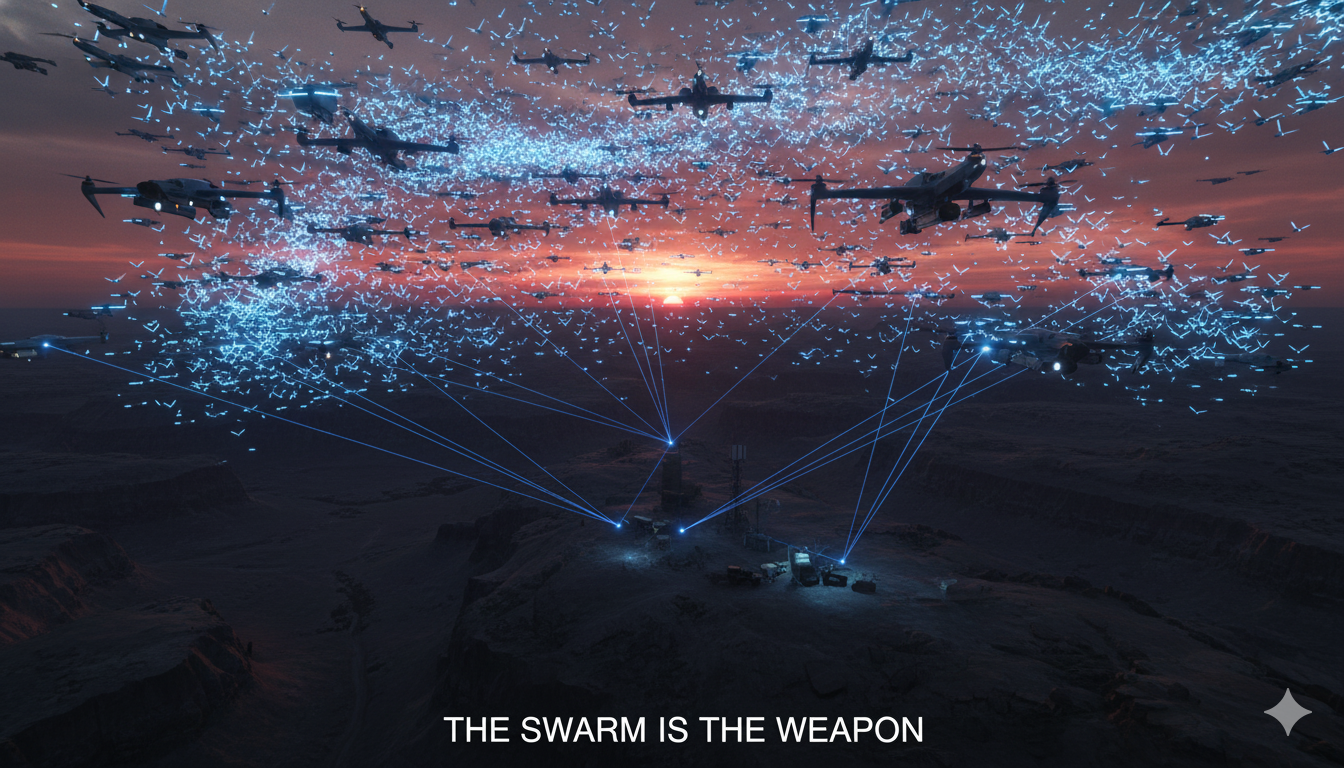
Autonomous Drone Swarms: Collective Intelligence and the Future of Warfare
Introduction Modern warfare is entering a new era defined by the rise of “killer drones” and autonomous UAV swarms. Autonomous drone swarms represent a transformative evolution in modern military operations. Unlike individual drones, swarms operate collectively, combining multiple unmanned aerial vehicles (UAVs) to function as a single, coordinated unit. These systems leverage advanced artificial intelligence (AI),…
-
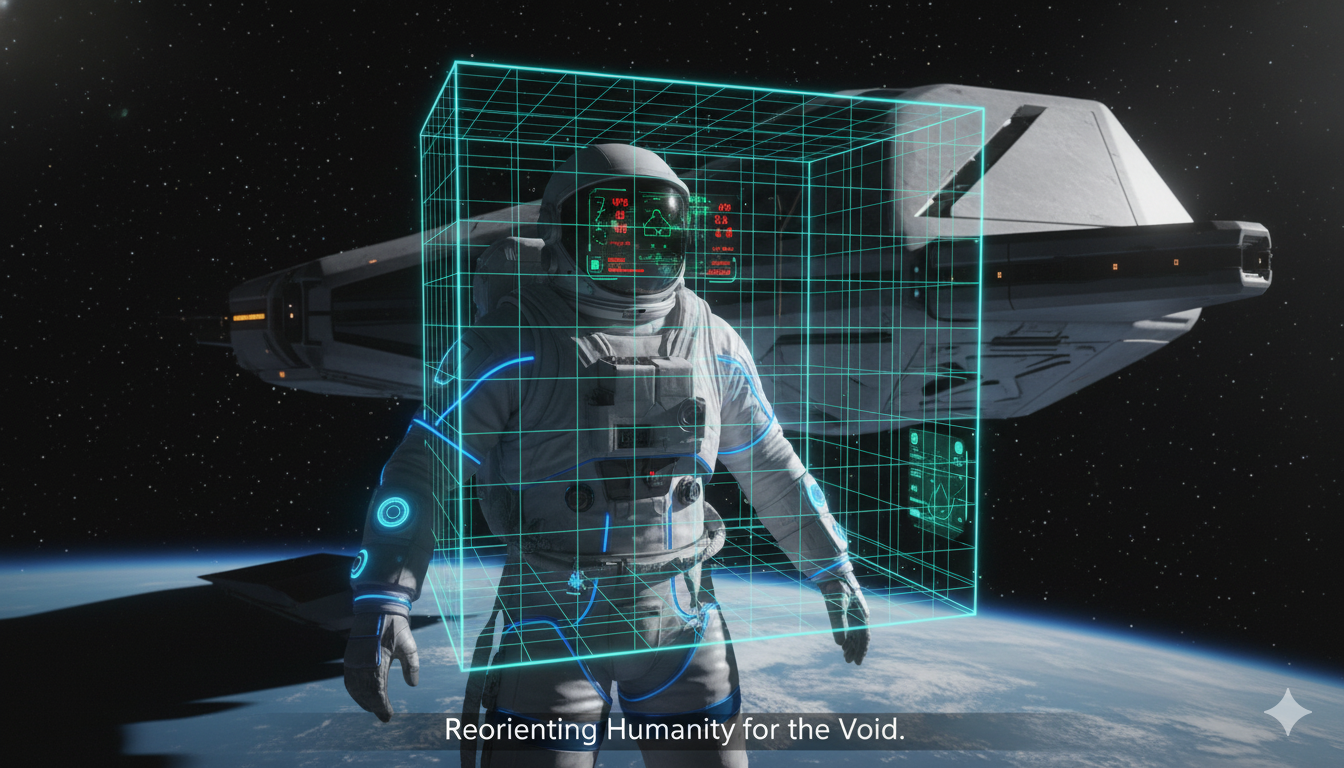
Navigating the Cosmos: How Wearable Tech is Solving Spatial Disorientation in Space
Introduction In the profound silence of space, where a single miscalculation can spiral into disaster, the human sense of direction becomes an unreliable guide. Spatial disorientation—a dangerous disconnect between perception and physical reality—remains one of the most subtle yet serious threats to astronaut safety and mission success. As humanity prepares for sustained lunar missions and…
-

Quantum Climate Solutions: How Quantum Technologies Are Revolutionizing Our Fight Against Global Warming
Introduction: The Quantum Imperative in Climate Science As the climate crisis accelerates, the shortcomings of conventional technologies in addressing its multidimensional challenges are becoming evident. Earth’s climate system is a vast and intricate web of interactions that demand extraordinary computational power to model and understand. Renewable energy optimization, carbon management, and sustainable material innovation all…
-
AI-Driven Photonic Computing: Harnessing Emerging Materials Like LiTaO₃ and Microcombs to Redefine Performance and Efficiency
As artificial intelligence (AI) and machine learning (ML) models scale to trillions of parameters, electronic systems are reaching fundamental limits in terms of power consumption, latency, and bandwidth. The traditional paradigm of electrons moving through transistors is increasingly unable to meet the demands of these complex computational workloads. To overcome these barriers, researchers are…