
At the core of every military system is the human operator. Even the most advanced platforms depend on trained personnel, cognitive resilience, and organizational effectiveness. As technology accelerates, the demands placed on soldiers, sailors, and aircrew continue to grow.
This sub-magazine focuses on the human dimension of military power.
IDST Intelligence Briefings
Our briefings examine how human performance, training systems, and force design interact with technology under operational stress
Why This Magazine Exists
The human element is often treated as secondary to hardware. In reality, personnel limitations frequently define operational ceilings.
This sub-magazine exists to analyze how people enable—or constrain—military capability in complex environments.
What We Track
- Soldier systems, protection, and mobility
- Training, simulation, and force readiness
- Cognitive load, decision-making, and fatigue
- Command structures and leadership models
- Integration of AI and decision-support tools
- Recruitment, retention, and force sustainability
Latest Analysis & Intelligence
-

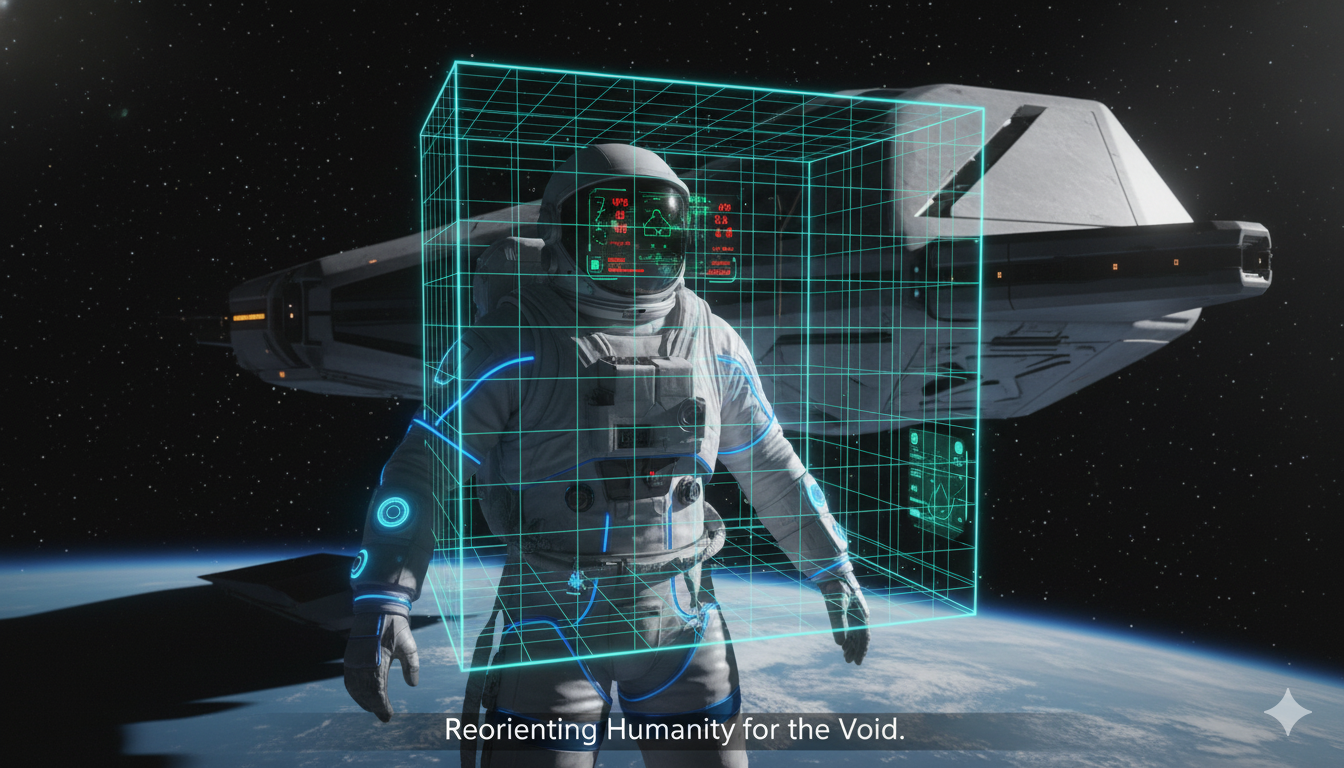
Navigating the Cosmos: How Wearable Tech is Solving Spatial Disorientation in Space
Introduction In the profound silence of space, where a single miscalculation can spiral into disaster, the human sense of direction becomes an unreliable guide. Spatial disorientation—a dangerous disconnect between perception and physical reality—remains one of the most subtle yet serious threats to astronaut safety and mission success. As humanity prepares for sustained lunar missions and…
-
Harnessing Hidden Allies: How Plant-Microbe Biotechnology is Building a Sustainable Food Future
Faced with a growing global population and the escalating impacts of climate change, producing enough food sustainably has become one of humanity’s greatest challenges. While machinery, fertilizers, and genetic improvements have driven agricultural productivity for decades, a quieter revolution is taking place beneath our feet. Plant-microbe biotechnology is emerging as a transformative approach that…
-
A Perfect Fit: Re-Engineering Body Armor for the Female Warfighter
For decades, body armor has been designed according to a male anatomical standard, reflecting a legacy of armed forces historically dominated by men. As women increasingly serve in combat and tactical roles across the world, this design bias has exposed a serious vulnerability. Poorly fitting armor is not merely uncomfortable—it can be life-threatening. Traditional “unisex”…
-
Beyond the Binary: DARPA’s INSPIRE Program Challenges the Computer Model of the Brain
For decades, the dominant metaphor for understanding the human brain has been the computer. We imagine neurons as transistors, firing in a binary code to process information, store memories, and construct our reality. This “digital brain” hypothesis has underpinned modern neuroscience, guiding research in neurotechnologies from brain-computer interfaces to artificial intelligence. But what if…
-
The New Gold Rush: Inside the Global Race to Build Humanoid Robots
For much of the last century, humanoid robots belonged firmly to the realm of science fiction—icons like the ever-polite C-3PO or the menacing T-800 shaped our imagination more than reality ever could. Yet today, the line between fiction and reality is dissolving at remarkable speed. Humanoid robots are no longer cinematic fantasies but emerging contenders…
-
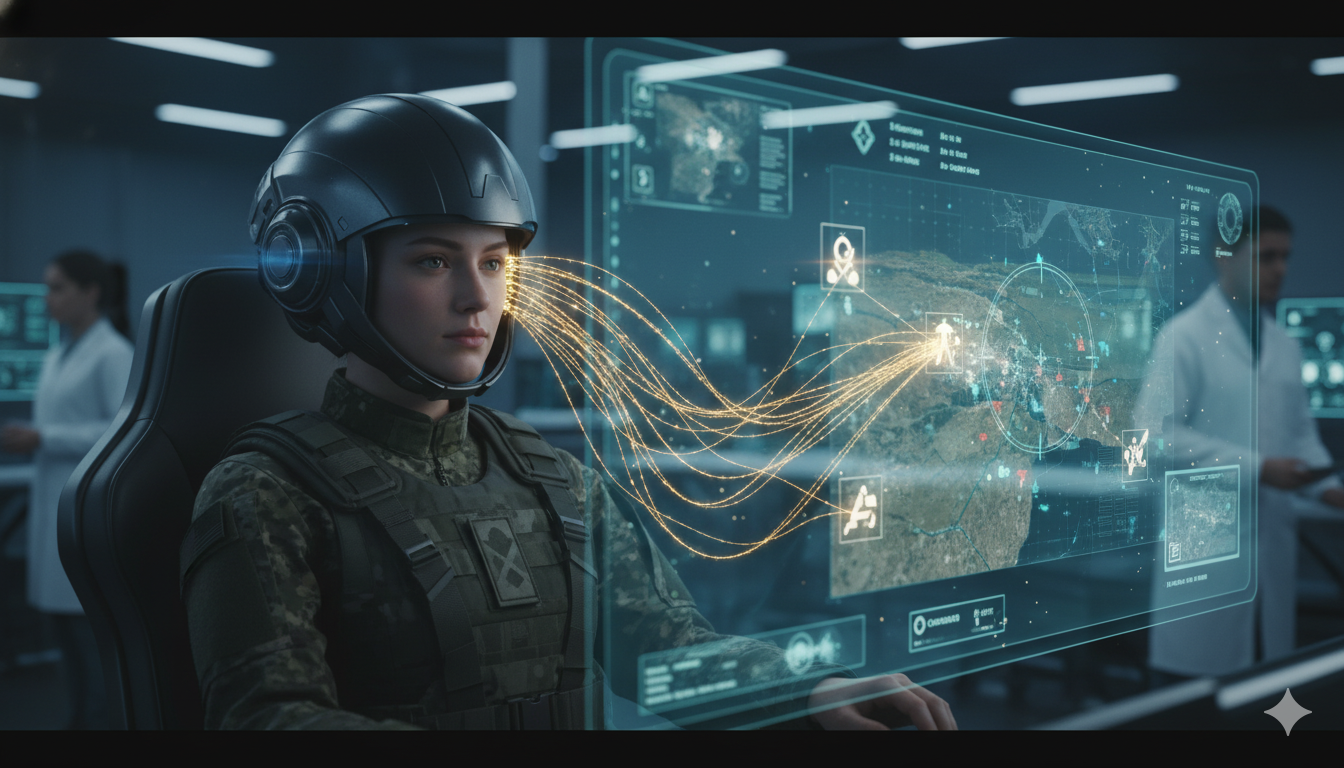
Mind Over Machines: DARPA’s N3 Program Develops Nonsurgical Brain-Computer Interfaces to Let Soldiers Control Vehicles and Robots with Thought Alone
For decades, the idea of controlling machines with our thoughts belonged firmly in science fiction. Today, that fiction is rapidly approaching reality. The U.S. Defense Advanced Research Projects Agency (DARPA) is spearheading efforts to pioneer a new paradigm in human-machine interaction: non-surgical brain-machine interfaces (BMIs) that could allow soldiers to operate drones, manage cyber defense…
-
Bridging the Intent Gap: DARPA’s CODORD Program Aims to Teach AI the Rules of the Game
Artificial intelligence, particularly large language models (LLMs), has moved rapidly from research labs into everyday life. From writing software to generating medical summaries, AI assistants are everywhere. Yet, a critical trust barrier persists: how do we know an AI understands not just our instructions, but the rules behind them? Can it interpret the complex web…





Related Domains & Cross-Cutting Themes
Defense systems do not operate in isolation. Readers may also explore how military technologies intersect with geopolitics, industrial capacity, emerging technologies, and future warfare concepts across the IDST intelligence network.
Ethics and human–machine teaming
Organizational culture and adaptation
Medical support and survivability
Long-term force regeneration
Explore the Critical & Emerging Technologies Magazine →
Explore the Industry, Markets & Supply Chains Magazine →
Explore the Space Technology, Defense & Exploration Magazine →