
Not all technologies, platforms, or doctrines are equal—and context determines value. This sub-magazine delivers disciplined, criteria-driven comparisons to assess what works, what doesn’t, and why.
IDST Intelligence Briefings
Side-by-side system comparisons, performance envelopes, cost–capability trade-offs, and operational relevance.
Why This Sub-Magazine Exists
Marketing narratives, national bias, and hype distort perception. This sub-magazine exists to apply structured evaluation frameworks grounded in operational reality and constraints.
What We Track
- Performance vs mission fit
- Cost, sustainment, and scalability
- Export vs domestic configurations
- Maturity, readiness, and upgrade paths
Latest Analysis & Intelligence
-

The World Quantum Race: A Global Surge of Quantum Technology Hubs and Centers
Quantum technology, once the stuff of science fiction, is rapidly becoming a cornerstone of future innovation. Nations around the globe are racing to harness the power of quantum mechanics, aiming to revolutionize industries from computing to communication, and from healthcare to energy. This “World Quantum Race” isn’t just about achieving scientific breakthroughs; it’s about establishing…
-
Electromagnetic Warfare : How Microwave & EMP Weapons Are Reshaping Global Combat
Speed-of-Light Strikes: The New Era of Warfare The future battlefield is becoming invisible. Instead of traditional missiles and artillery, modern militaries are shifting toward weapons that strike at the speed of light. High-power electromagnetic weapons (HPEMs) are at the center of this transformation. The United States, Russia, China, and their allies are racing to perfect…
-
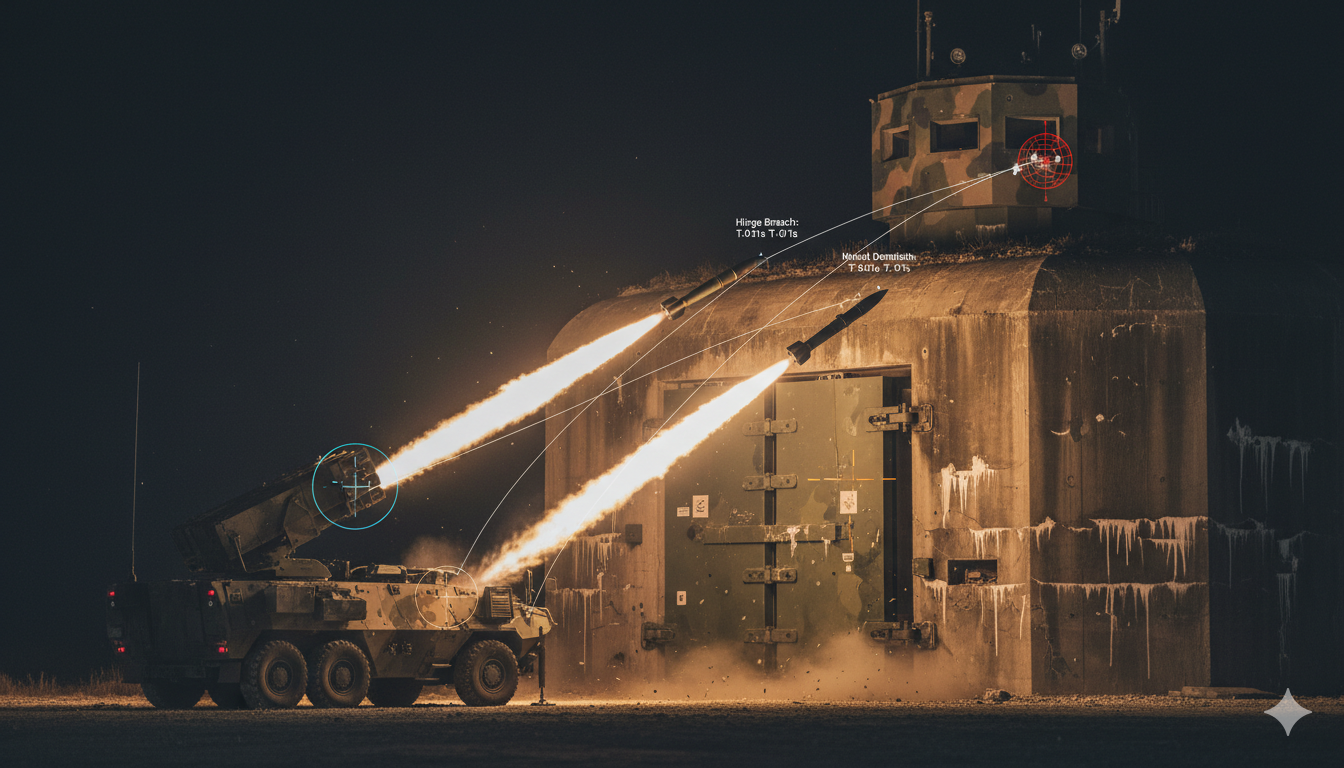
Beyond the Blast Radius: The Multi-Target Launcher Revolutionizes Breaching and Demolition
In the high-stakes world of military breaching and demolition, distance equals safety, precision ensures success, and control determines survivability. For decades, combat engineers and special operations personnel tasked with destroying enemy caches, breaching fortified positions, or neutralizing improvised explosive devices relied on technology that, while reliable, came with severe limitations in flexibility and safety. Today,…
-
Smart, Sustainable, and Hybrid Manufacturing: The Future of Military and Industrial Production
Introduction: War, Disruption, and the Race to Modernize Production The last two years have seen major wars erupt in Europe and the Middle East, with violence spilling into wider regions and fueling unprecedented demand for defense hardware. From artillery shells to next-generation drones, militaries are racing to replenish stockpiles and equip forces for protracted conflicts.…
-
Project Phoenix: Revolutionizing Information Warfare for the 21st Century
Introduction In today’s digitally contested battlespace, winning wars isn’t just about superior firepower—it’s about controlling the flow of information. Recognizing this, the U.S. Air Force has launched a bold initiative to dominate the information domain: Project Phoenix. Spearheaded by the 16th Air Force (Air Forces Cyber), this project is transforming how America prepares for…
-
Photonic Sensors 2025–2035: The $111B Battle for Light-Speed Dominance
The global photonic sensors market is entering a pivotal phase of expansion and innovation. Estimated at USD 33.01 billion in 2025, the market is expected to grow to USD 56.38 billion by 2030, registering a compound annual growth rate (CAGR) of 11.3% over the forecast period. This impressive trajectory is underpinned by breakthroughs in photonics…
-
Global Innovations in Biological Hydrogen Production: From Microalgae and Paper Waste to Solar-Bio Hybrids and Industrial Synergie
As the world accelerates its transition to clean energy, hydrogen has emerged as a cornerstone of decarbonization strategies—particularly in hard-to-electrify sectors like steelmaking, shipping, and heavy transport. However, the majority of today’s hydrogen is still produced from fossil fuels through carbon-intensive processes like steam methane reforming, known as “grey hydrogen.” This undermines the climate benefits…






Related Domains & Cross-Cutting Themes
Defense • Security • Industry & Markets • Strategy & Governance
Explore the Space Technology, Defense & Exploration Magazine →