
Land forces remain central to controlling territory, populations, and political outcomes. Even as warfare becomes increasingly networked and technology-driven, success on land depends on the integration of armored platforms, infantry, fires, sensors, and logistics under real-world constraints.
This sub-magazine examines how modern armies adapt to high-intensity conflict, urban warfare, and contested logistics environments.
IDST Intelligence Briefings
Our briefings analyze land combat systems and formations as operational ecosystems, explaining how mobility, protection, firepower, and information combine at the tactical and operational levels.
Why This Magazine Exists
Ground warfare is often misunderstood through isolated equipment comparisons. In reality, effectiveness is shaped by doctrine, training, sustainment, and combined-arms integration.
This sub-magazine exists to explain how land forces actually fight, how systems are employed together, and how constraints shape battlefield outcomes.
What We Track
This magazine tracks developments across the full Land spectrum, including:
- Main battle tanks, infantry fighting vehicles, and armored mobility
- Artillery, rocket forces, and long-range fires
- Infantry systems and small-unit technologies
- Battlefield sensors, drones, and ISR integration
- Logistics, sustainment, and battlefield engineering
- Adaptation to urban, hybrid, and high-intensity conflict
Latest Analysis & Intelligence
-

The U.S. Army’s New Cybersecurity Arsenal: How Software Bills of Materials Are Fortifying National Security
In today’s digital battlefield, lines of code are becoming as critical as frontline troops. Recognizing this, the U.S. Army is deploying a powerful new tool against cyber threats: the Software Bill of Materials (SBOM). With cyber incidents in the Department of Defense continuing to rise and software supply chain attacks projected to multiply in…
-

Off the Rails: The Growing Cyber Threat to Our Railways and How to Stay on Track
From your morning commute to the cross-country freight hauling essential goods, railways are the circulatory system of our modern economy. We trust them to be robust, reliable, and safe. But in today’s connected world, a new, invisible threat is emerging that targets the very technology that makes modern railways efficient: cyber attacks. The image of…
-

Advancing Camouflage: Military’s Response to Thermal Imaging Threats
Introduction: In the ever-evolving landscape of modern warfare, the development and deployment of advanced technologies have revolutionized military strategies and tactics. Among these technologies, thermal imaging cameras have emerged as a formidable tool, enabling enhanced visibility and detection capabilities on the battlefield. However, with this increased visibility comes a new challenge for military forces: the…
-

U.S. Army Launches CalibrateAI Pilot to Revolutionize Acquisition with Generative AI
In a significant step toward modernizing its operations, the U.S. Army has launched #CalibrateAI, a pilot program designed to explore innovative applications of generative artificial intelligence (GenAI) for Army acquisition activities. Spearheaded by Ms. Jennifer Swanson, Deputy Assistant Secretary of the Army for Data, Engineering and Software, the initiative seeks to harness advanced AI tools…
-
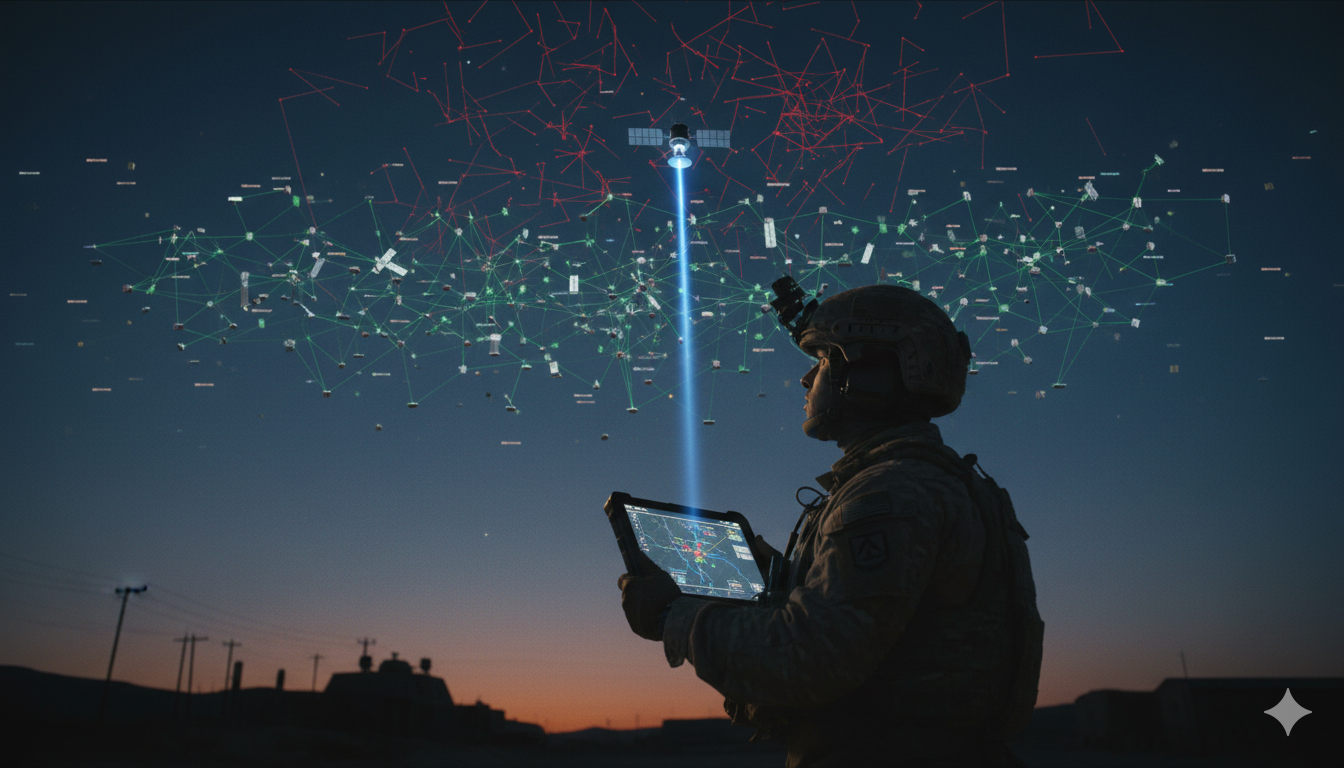
The Final Frontier is a Battlefield: Decoding the Army’s New Space Tech Roadmap
When you think of the U.S. Army, you might picture soldiers, tanks, and helicopters. But a new document makes it clear that the future of land power is inextricably linked to the stars. The Army’s recently unveiled space technology roadmap signals a profound shift: to dominate the future battlefield, the service must first win the…
-
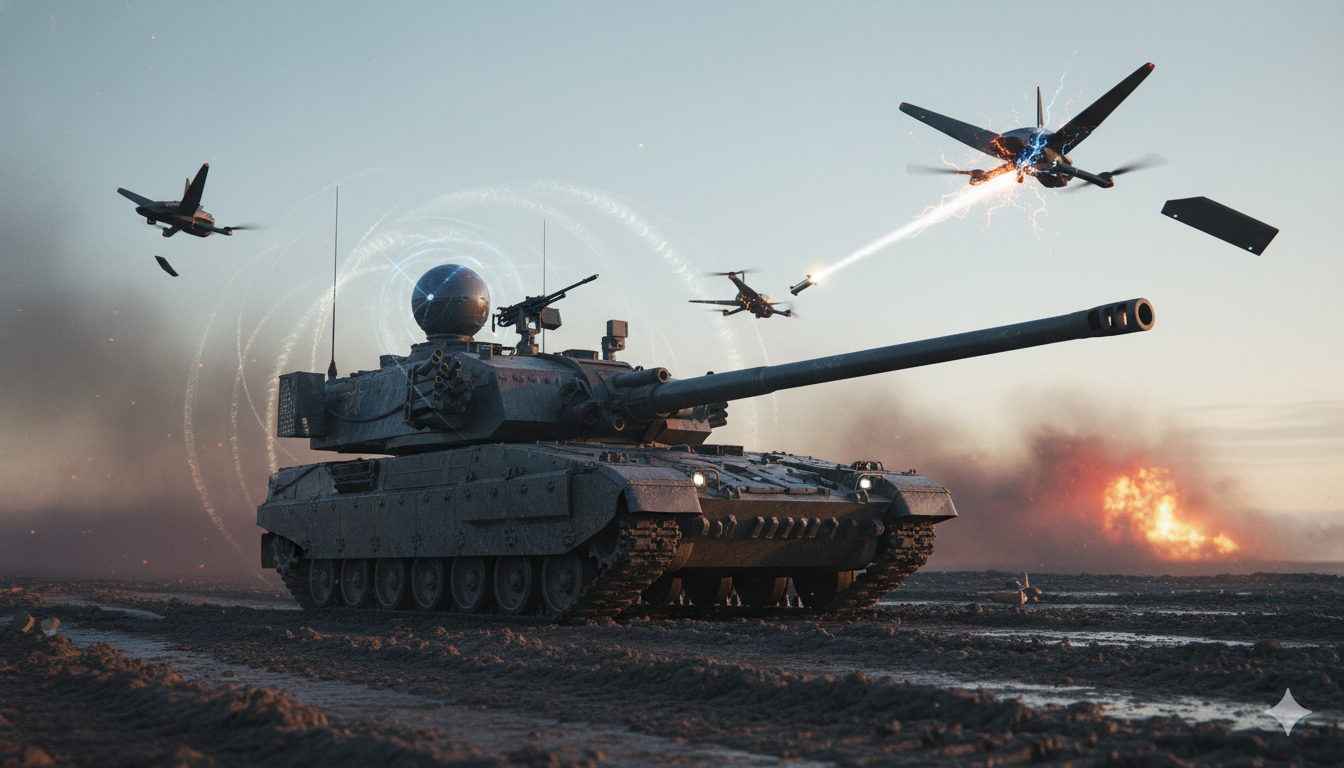
Modern Artillery’s New Battlefield Role: How Self-Propelled Howitzers Are Evolving to Counter Drone Threats
The face of artillery is changing—and quickly. On battlefields like Ukraine, small, agile drones have proven to be both indispensable tools and existential threats. Once valued purely for their long-range firepower, artillery units are now thrust into the drone war as frontline defenders. Self-propelled howitzers such as China’s PLZ-05 and their Western counterparts are being…
-
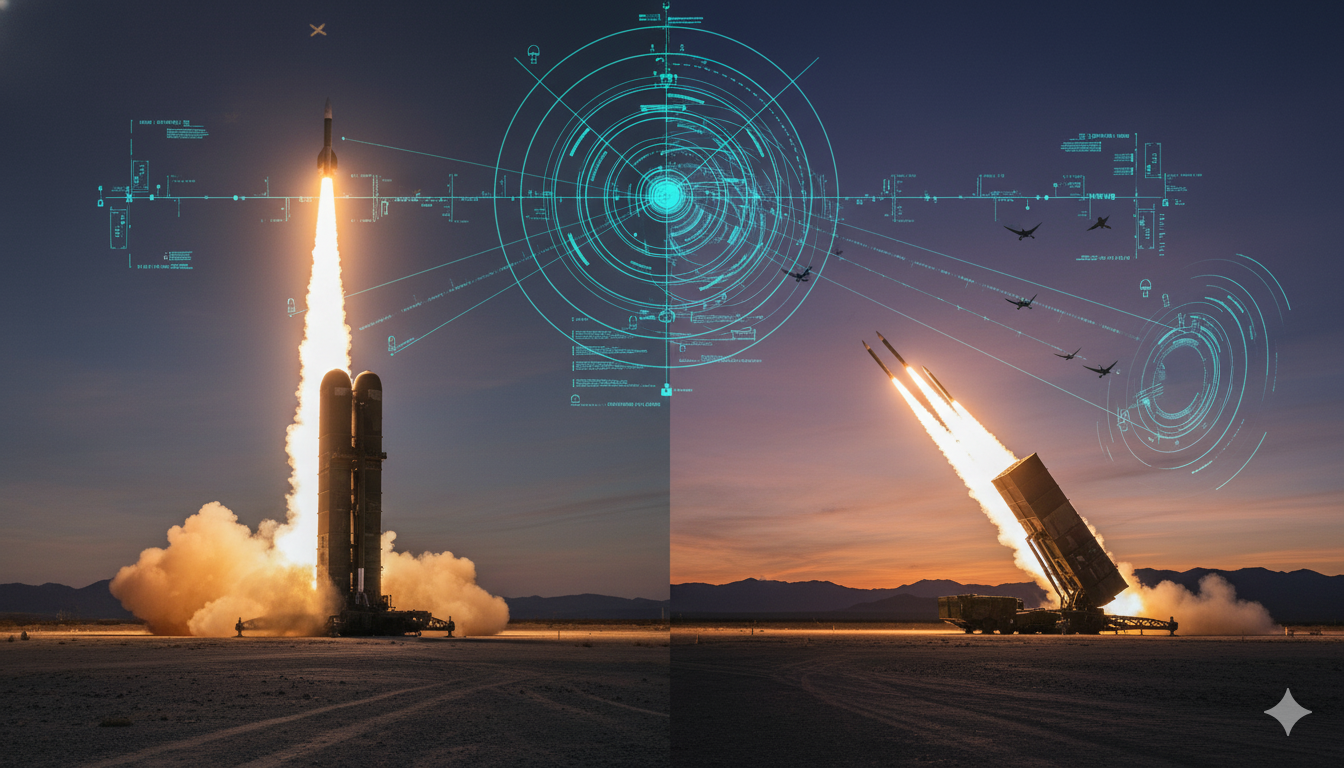
Defending on a Budget: The Race for Low-Cost Missile Interceptors
The economics of missile defense are emerging as a decisive variable in modern warfare, as states confront a widening cost asymmetry between inexpensive aerial threats and high-end interceptor systems. From advanced ballistic missiles capable of crossing continents to swarms of low-cost drones launched in minutes, the spectrum of aerial threats has never been more diverse—or…
Related Domains & Cross-Cutting Themes
Defense systems do not operate in isolation. Readers may also explore how military technologies intersect with geopolitics, industrial capacity, emerging technologies, and future warfare concepts across the IDST intelligence network.
Human performance and soldier systems
Industrial production and attrition dynamics
Command-and-control resilience
Terrain, weather, and operational environment
Terrain, weather, and operational environment
Explore the Critical & Emerging Technologies Magazine →
Explore the Industry, Markets & Supply Chains Magazine →
Explore the Space Technology, Defense & Exploration Magazine →