
Artificial intelligence and data-driven systems are reshaping how decisions are made, risks are assessed, and operations are coordinated across defense, security, and strategic industries. Their power lies not in autonomy alone, but in how information is processed, trusted, and acted upon under pressure.
Rather than replacing human judgment, AI increasingly acts as a force multiplier—compressing decision cycles, revealing hidden patterns, and enabling coordination at scales no human organization can manage unaided.
IDST Intelligence Briefings
Our intelligence briefings examine how AI is integrated into real systems and workflows, including:
- AI-enabled intelligence, surveillance, and reconnaissance (ISR)
- Decision-support and command systems
- Predictive analytics and risk modeling
- Autonomous and semi-autonomous operations
- Human-machine teaming and cognitive augmentation
Each briefing places algorithms within institutional, operational, and ethical contexts.
Why This Magazine Exists
AI is often framed either as a silver bullet that guarantees dominance or as an existential threat that escapes human control. This sub-magazine exists to move beyond both extremes.
Its purpose is to analyze how AI actually works in practice—where it delivers advantage, where it fails, and how organizational design, data quality, trust, and governance determine real outcomes.
What We Track
- Military and intelligence AI applications
- Data pipelines, training regimes, and model reliability
- Human-AI interaction and decision authority
- AI safety, robustness, and adversarial risks
- Institutional adoption, regulation, and ethics
Latest Analysis & Intelligence
-

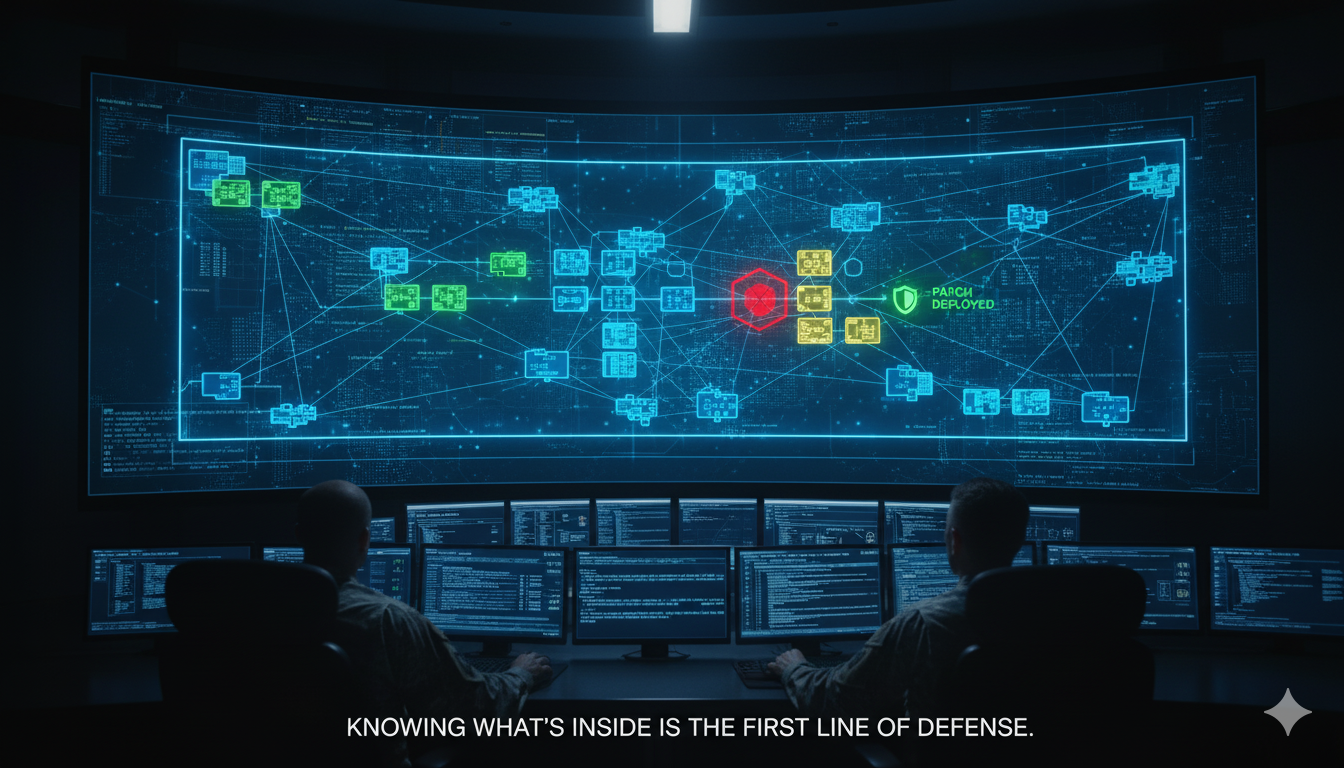
The U.S. Army’s New Cybersecurity Arsenal: How Software Bills of Materials Are Fortifying National Security
In today’s digital battlefield, lines of code are becoming as critical as frontline troops. Recognizing this, the U.S. Army is deploying a powerful new tool against cyber threats: the Software Bill of Materials (SBOM). With cyber incidents in the Department of Defense continuing to rise and software supply chain attacks projected to multiply in…
-
Light-Speed Computing: How Photonics is Transforming Data Centers for the AI Era
In the digital backbone of our connected world, data centers are facing unprecedented pressure. The explosion of artificial intelligence, cloud computing, and IoT applications has pushed traditional electronic systems to their physical limits. The immense volumes of data generated by these workloads demand faster, more efficient ways to move and process information. Photonics—harnessing the power…
-
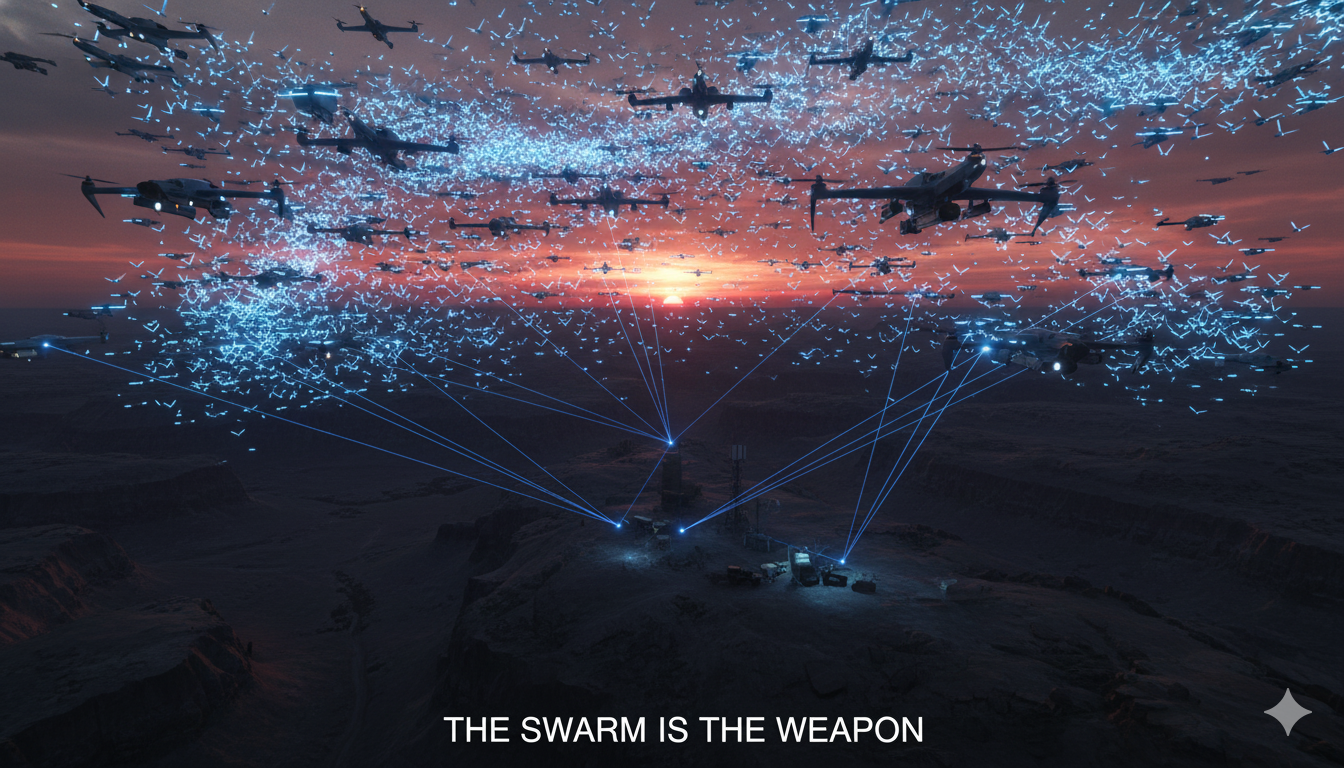
Autonomous Drone Swarms: Collective Intelligence and the Future of Warfare
Introduction Modern warfare is entering a new era defined by the rise of “killer drones” and autonomous UAV swarms. Autonomous drone swarms represent a transformative evolution in modern military operations. Unlike individual drones, swarms operate collectively, combining multiple unmanned aerial vehicles (UAVs) to function as a single, coordinated unit. These systems leverage advanced artificial intelligence (AI),…
-
Navigating the Cosmos: How Wearable Tech is Solving Spatial Disorientation in Space
Introduction In the profound silence of space, where a single miscalculation can spiral into disaster, the human sense of direction becomes an unreliable guide. Spatial disorientation—a dangerous disconnect between perception and physical reality—remains one of the most subtle yet serious threats to astronaut safety and mission success. As humanity prepares for sustained lunar missions and…
-
AI-Driven Photonic Computing: Harnessing Emerging Materials Like LiTaO₃ and Microcombs to Redefine Performance and Efficiency
As artificial intelligence (AI) and machine learning (ML) models scale to trillions of parameters, electronic systems are reaching fundamental limits in terms of power consumption, latency, and bandwidth. The traditional paradigm of electrons moving through transistors is increasingly unable to meet the demands of these complex computational workloads. To overcome these barriers, researchers are…
-
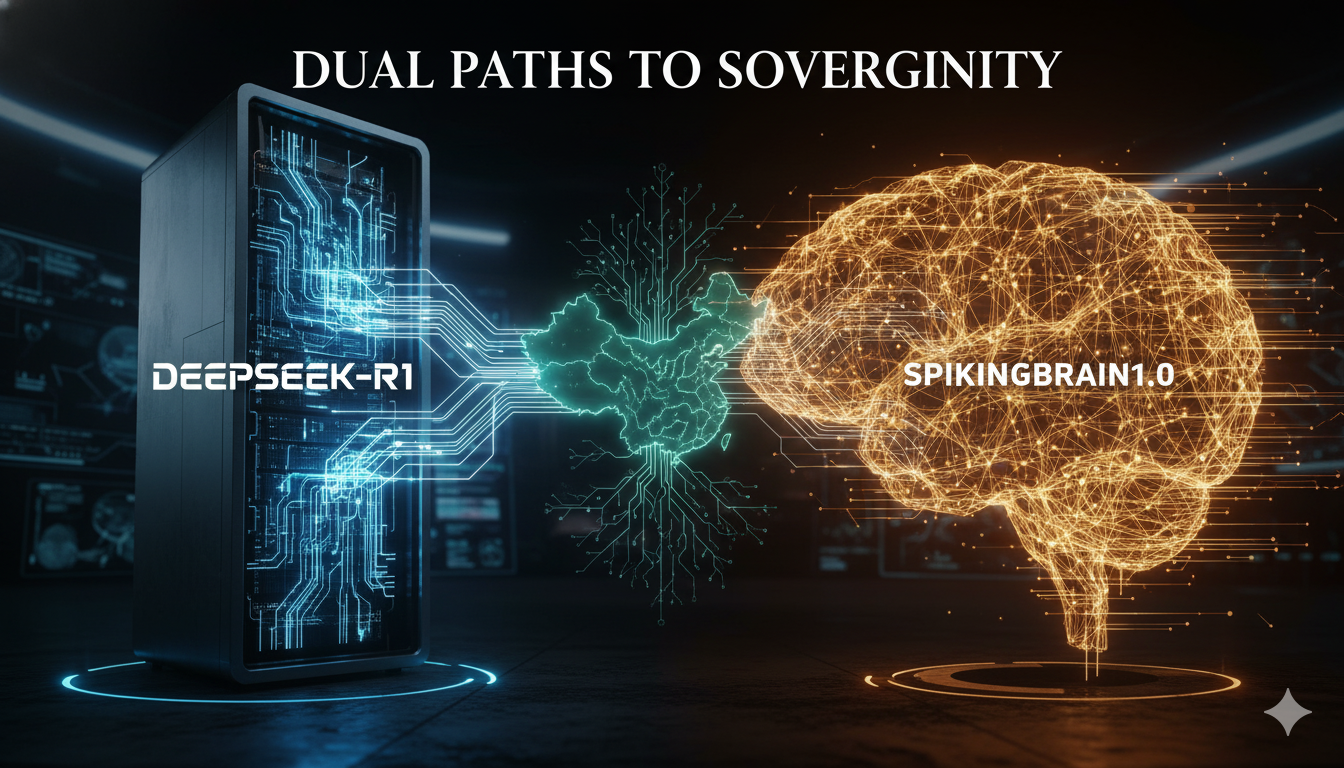
China’s Brain-Inspired LLMs: Redefining AI Efficiency, Autonomy, and Global Competition
In the rapidly evolving landscape of artificial intelligence, China is making bold strides toward global AI leadership. With its DeepSeek-R1 model demonstrating exceptional capabilities in mathematics, logic, and programming while minimizing hallucinations, China is positioning itself as a direct competitor to Western AI leaders such as OpenAI and Google. Complementing this achievement is a revolutionary…
-
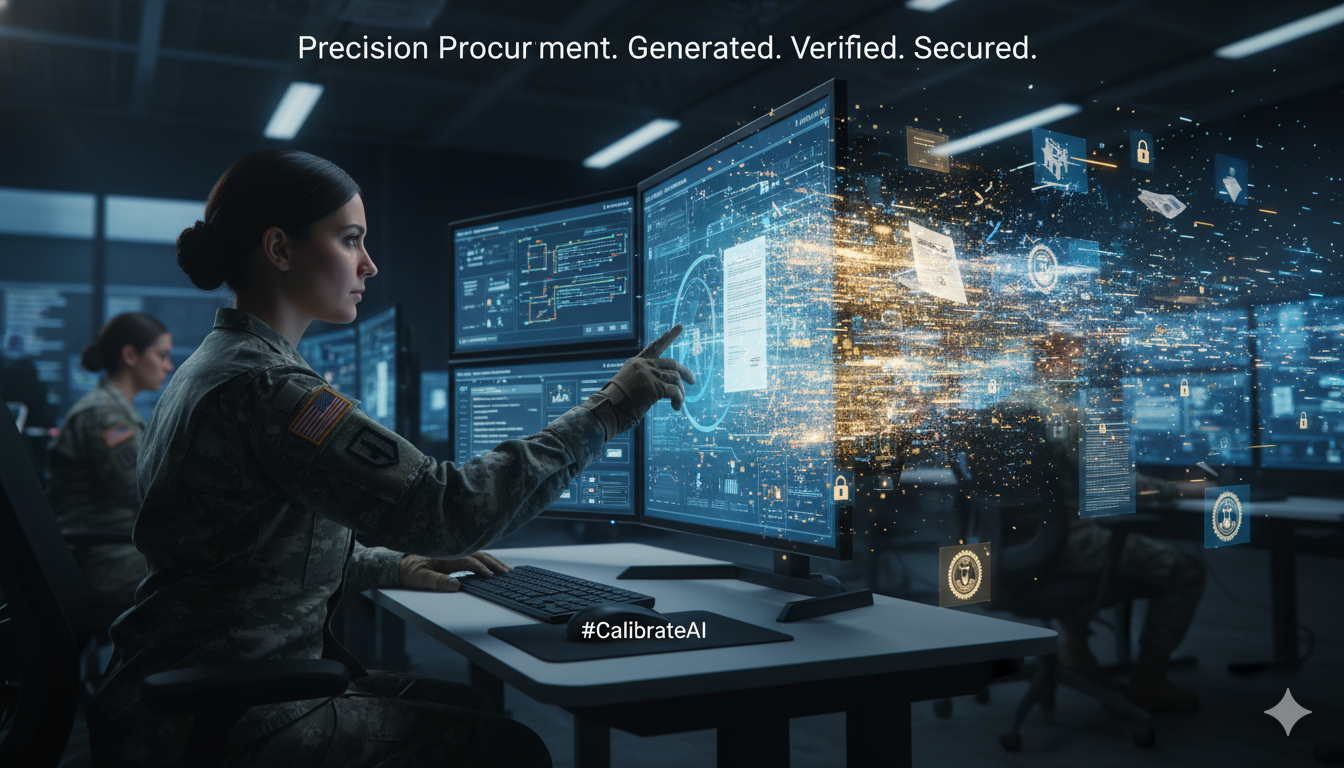
U.S. Army Launches CalibrateAI Pilot to Revolutionize Acquisition with Generative AI
In a significant step toward modernizing its operations, the U.S. Army has launched #CalibrateAI, a pilot program designed to explore innovative applications of generative artificial intelligence (GenAI) for Army acquisition activities. Spearheaded by Ms. Jennifer Swanson, Deputy Assistant Secretary of the Army for Data, Engineering and Software, the initiative seeks to harness advanced AI tools…



Related Domains & Cross-Cutting Themes
Emerging technologies rarely operate in isolation. Their real impact is shaped by integration, governance, and human-system interaction. Cyber security and information warfare, electronic and sensor systems, command and control, autonomous platforms, governance and ethics, and long-term strategic competition
Ethics, governance, and technology control
Industrial scaling and supply-chain constraints
Human–machine teaming and trust
Interoperability across platforms and institutions
Export controls and technological rivalry
Explore the Critical & Emerging Technologies Magazine →
Explore the Industry, Markets & Supply Chains Magazine →
Explore the Space Technology, Defense & Exploration Magazine →